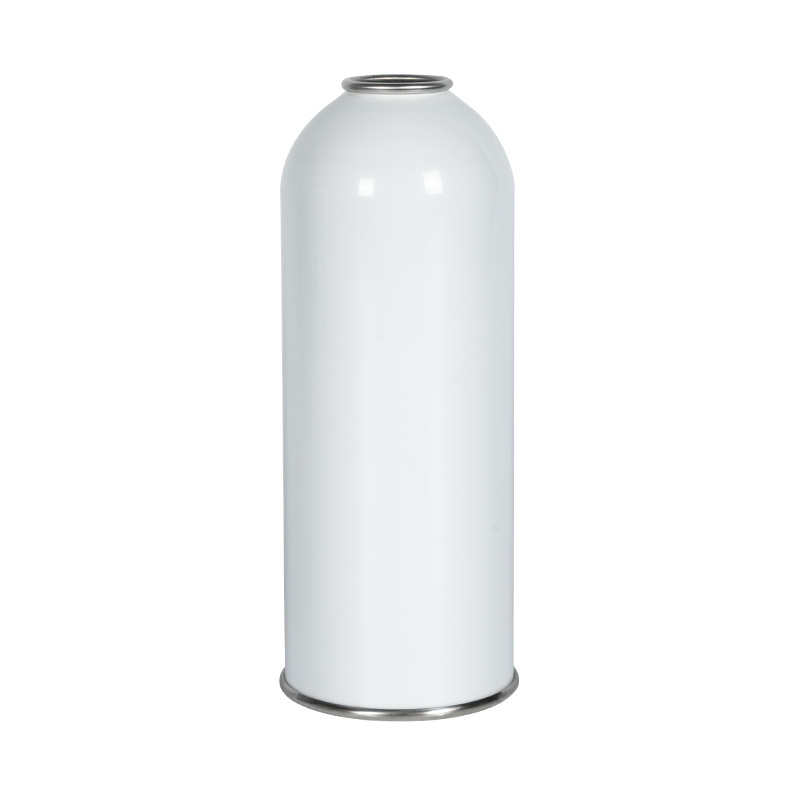
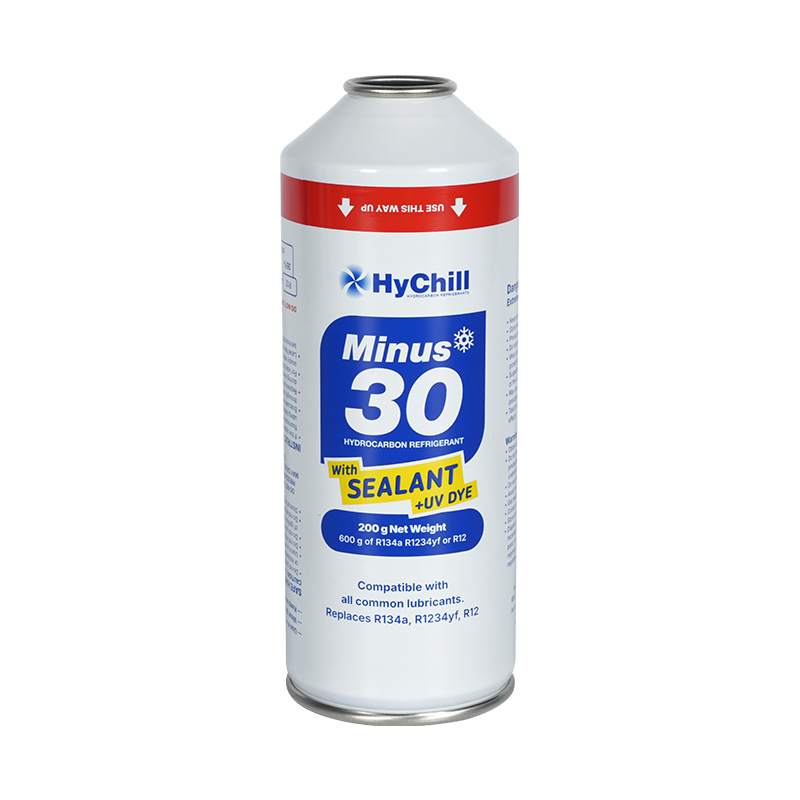
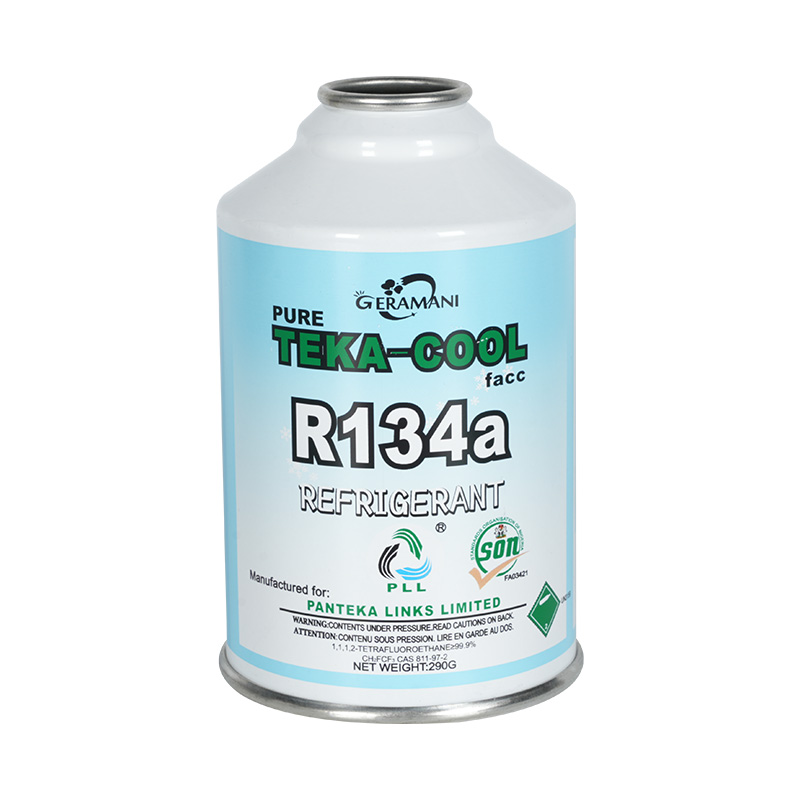
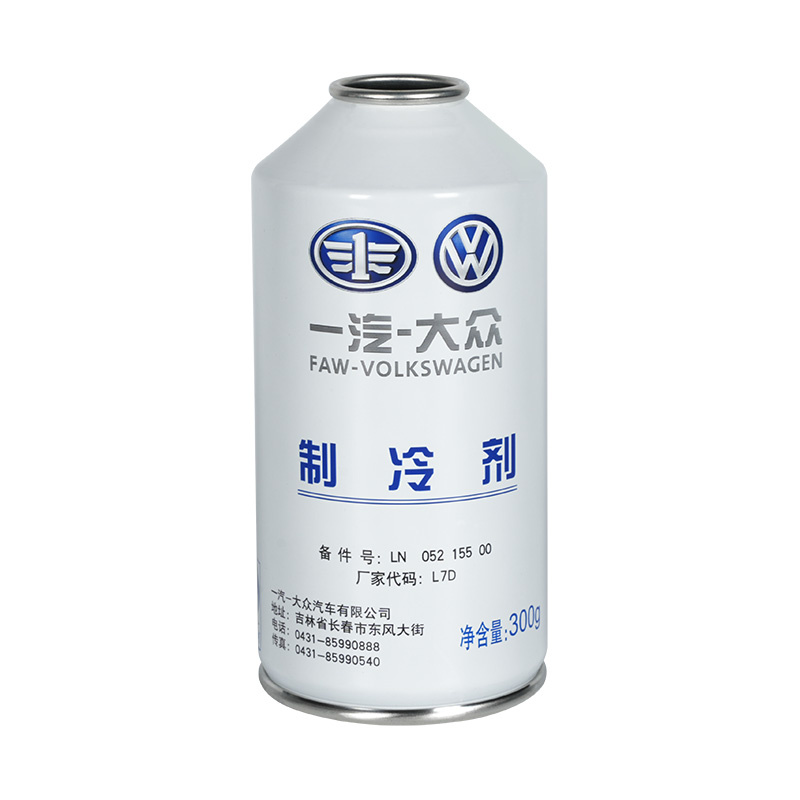
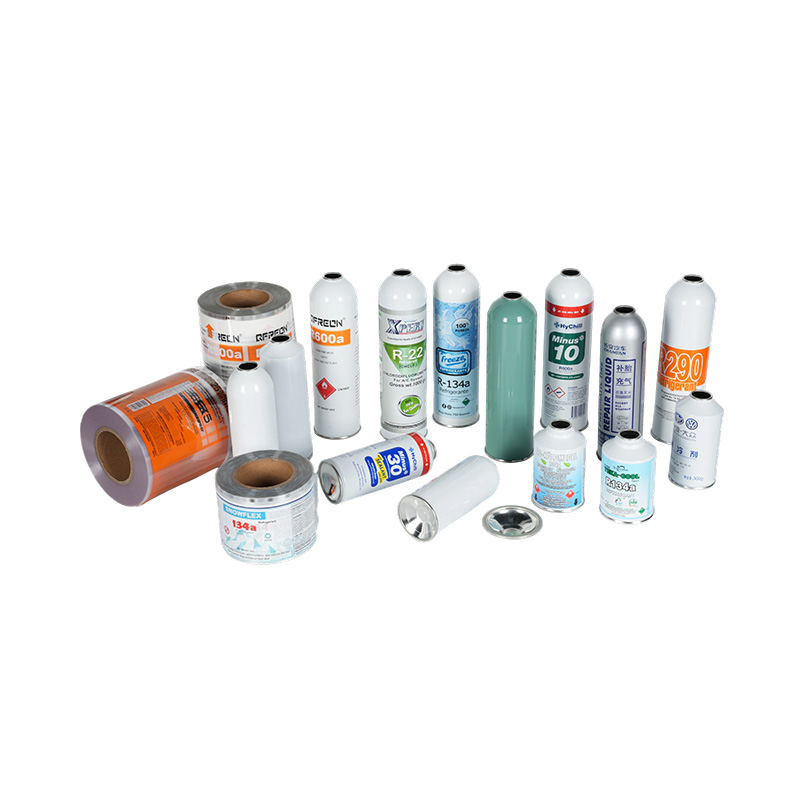
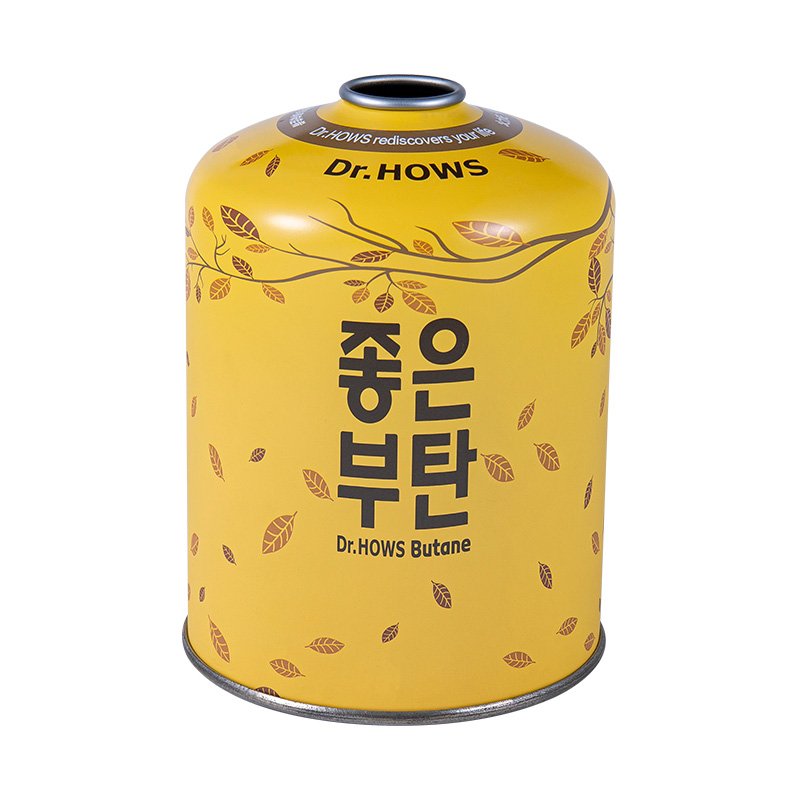
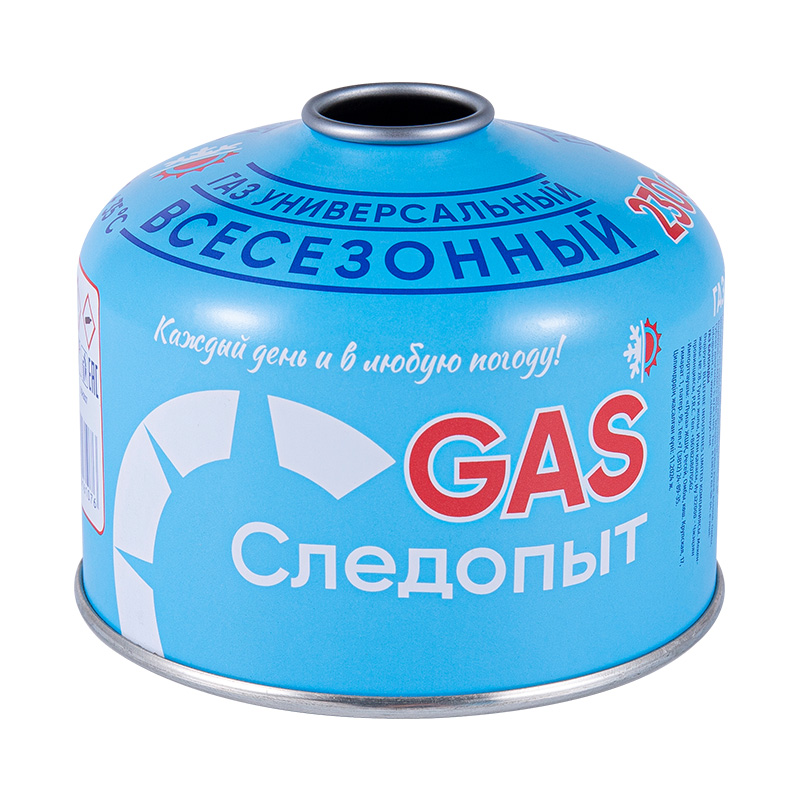
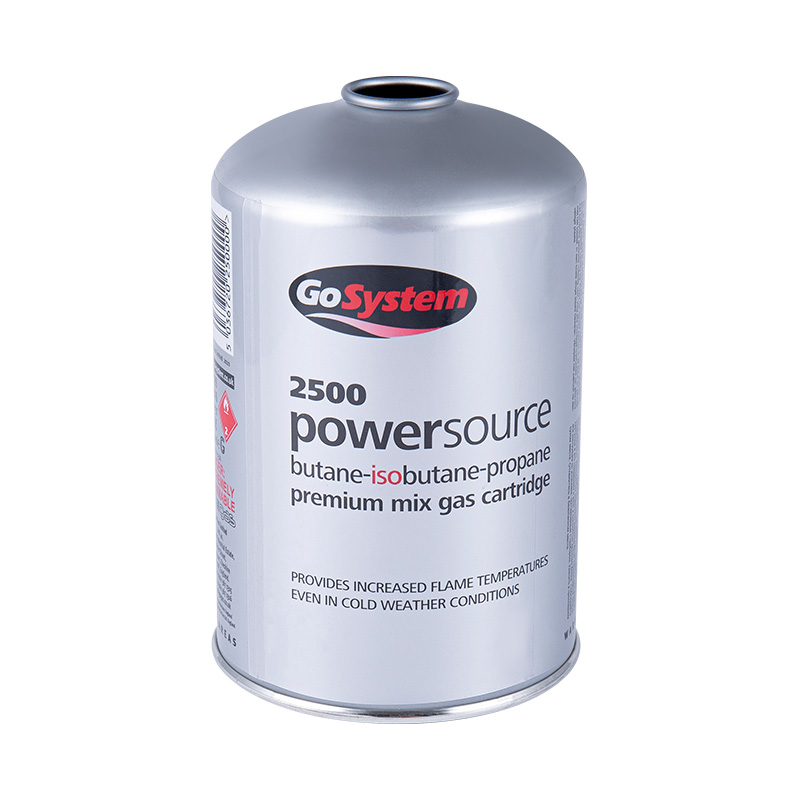
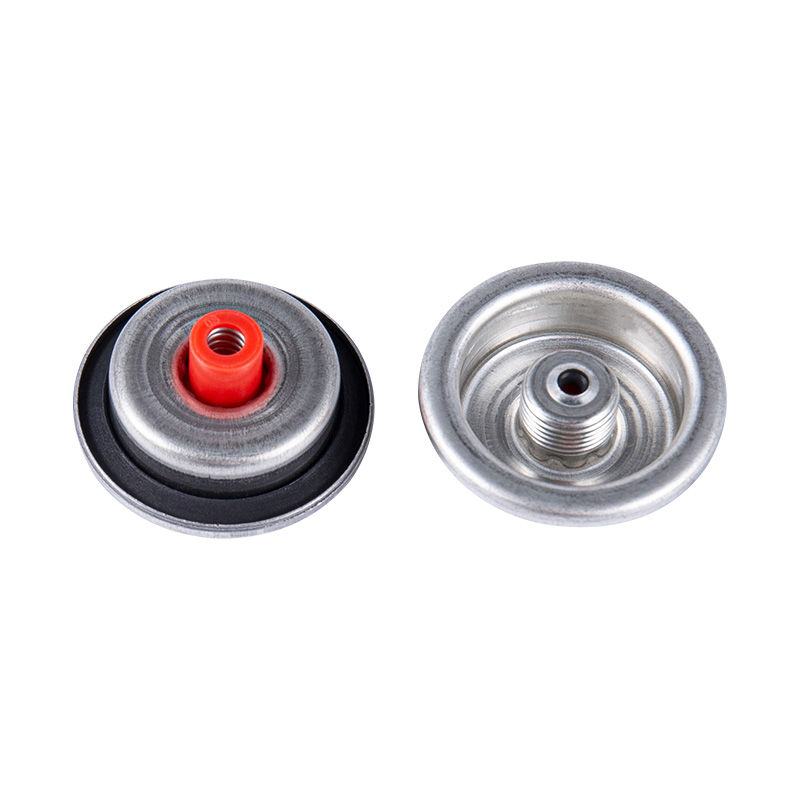
Hikers and campers get into long discussions about canister sizes. Every few grams starts to feel noticeable after a couple of days out. The empty steel body for 450g gas canister of fuel ends up being the practical pick for many trips that go longer than a weekend. Here's how it stacks up against the 100g and 230g bodies in everyday use. We're talking only about the metal container itself.
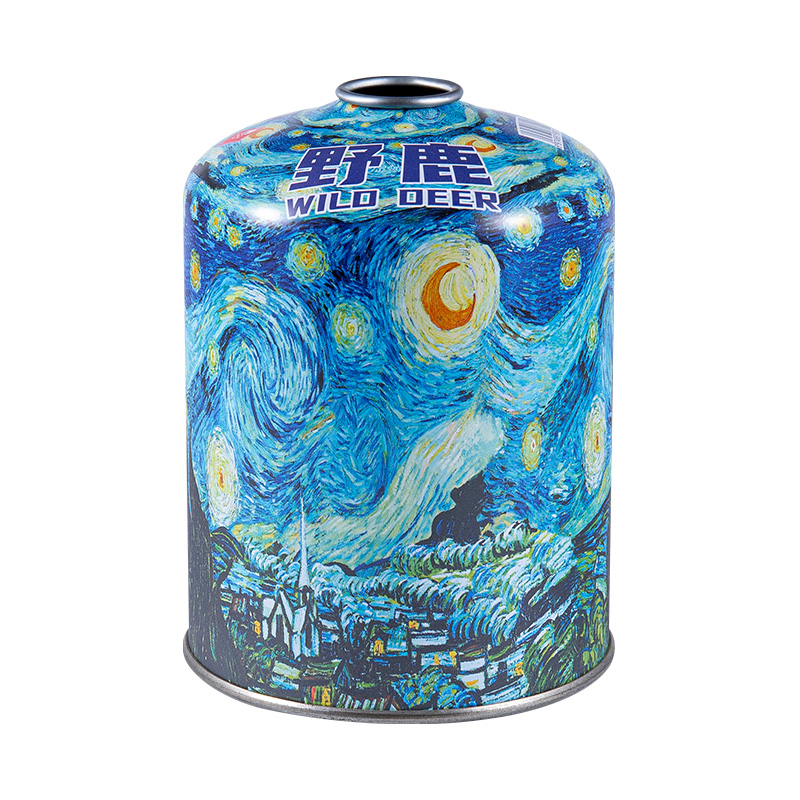
Smaller bodies fit short trips with low fuel needs
Day hike or single night out? Fuel doesn't go far. The 100g body weighs 80–100g empty and tucks into any spot in the pack. A few boils, and one meal uses it up. No sense carrying more.
The 230g body lands around 120–140g empty. On a two- or three-day solo tri,p it's usually just enough: quick morning coffee or oats, warm dinner at the end of the day, nothing extra dragging along. Both keep the load light and the gear list short when you're not out for long.
Longer trips and group cooking point toward the 450g body
Five days, a week or more, and switching between small canisters gets old fast. One 450g body (empty 195–216 g) takes the place of two or three smaller ones. Fewer things clipped to the pack, less chance of one disappearing in camp or a water crossing, and less lid-twisting when you're beat.
Two or three people sharing a stove? One or two 450g bodies cover the meals without each person hauling their own small one. It pays off on cold evenings, up high where water heats slowly, or when the route adds an unplanned day. Fewer threads to wear down, fewer parts to watch for issues, and you spend less time guessing which canisters are low.
But change the angle to how much metal you're forced to carry around just to have the room you actually need, and the view shifts. The 450g body puts less of its total weight into the walls than the smaller ones do. Carry that idea the whole way through a trip, and the advantage starts showing up.
Ten days of typical cooking? Two 450g bodies give you about 400g of empty weight combined. The same capacity with 230g bodies needs four or five containers, pushing the empty weight over 500g easily.
Using only 100g bodies means 700 to 900g of empty metal just from the canisters. More containers also bring more valves that can start leaking or sticking, more caps that might roll away, and more steel to carry back out at the end.
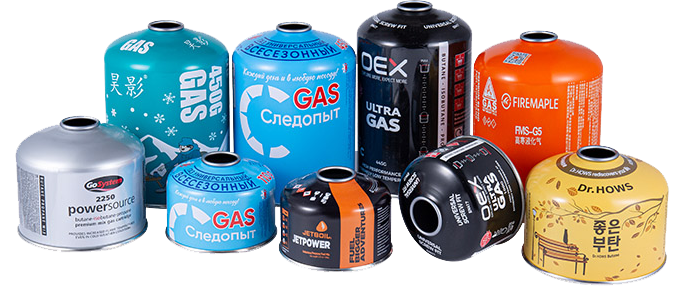
How it feels day to day
Solo on a long section, most people stick to one main body and maybe a spare. Weigh the empty one at home, scratch the number on the bottom, and check later with a quick balance or small scale. No rummaging through half-empty ones.
A small group makes it easy: one person carries the stove and pot, another the main body. Combined empty weight stays lower than if everyone brought their own smaller canister. When the trip finishes, you haul out less metal.
The 450g gas canister body isn't the light piece in your kit. It cuts down on overall wasted weight and makes things simpler on trips longer than a few days.


+86-18238070562

+86-579-85791578


No.28, Tongyi Road, Yiting town, Yiwu 322000 - Zhejiang Province, P.R.C.
Copyright © Bluefire Industries Limited All Rights Reserved. Two-Piece Aerosol Can


 English
 عربى
عربى Español