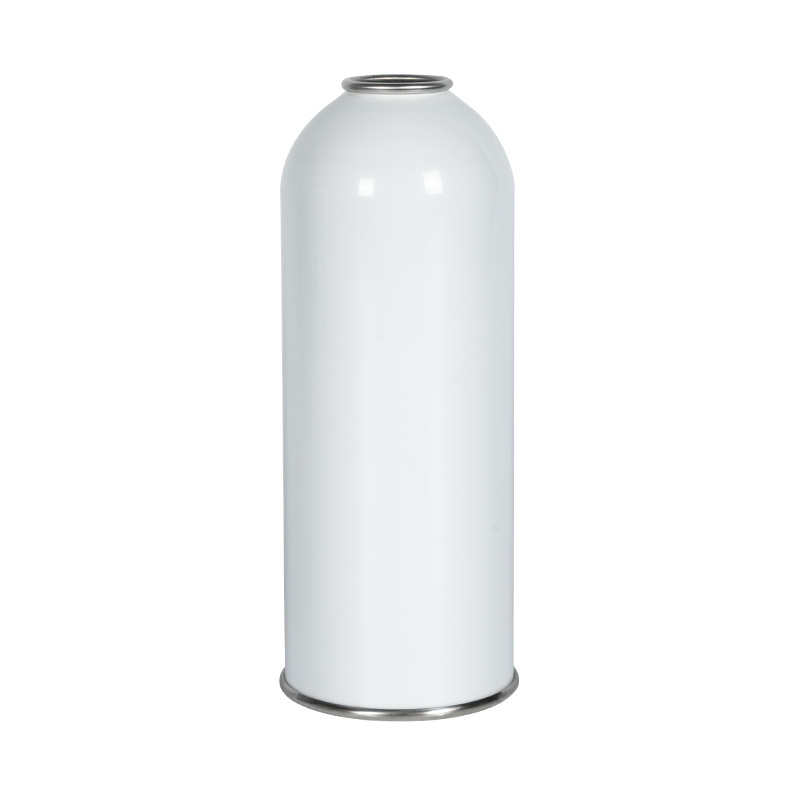
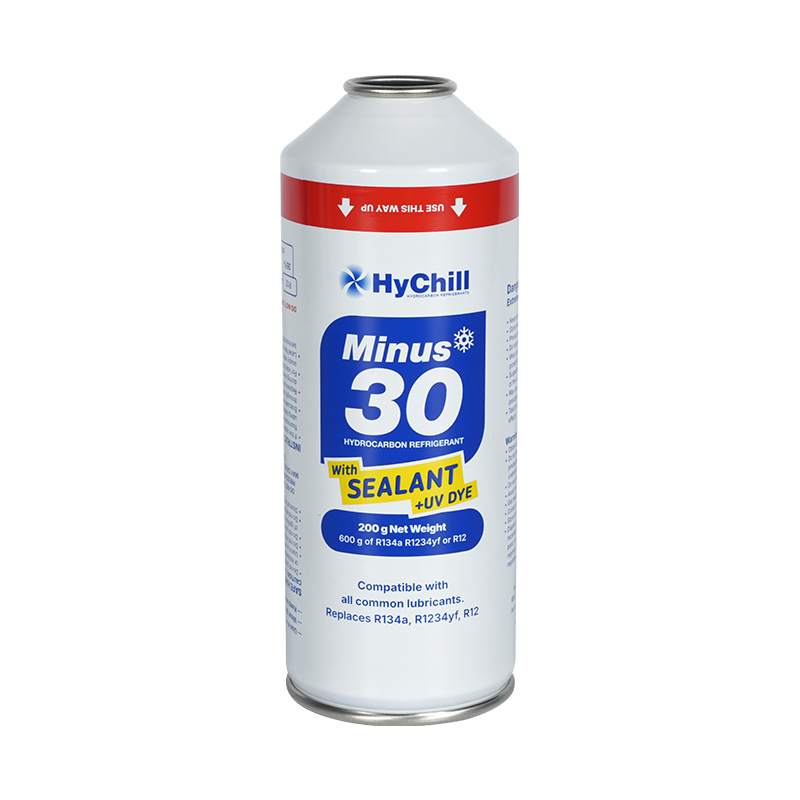
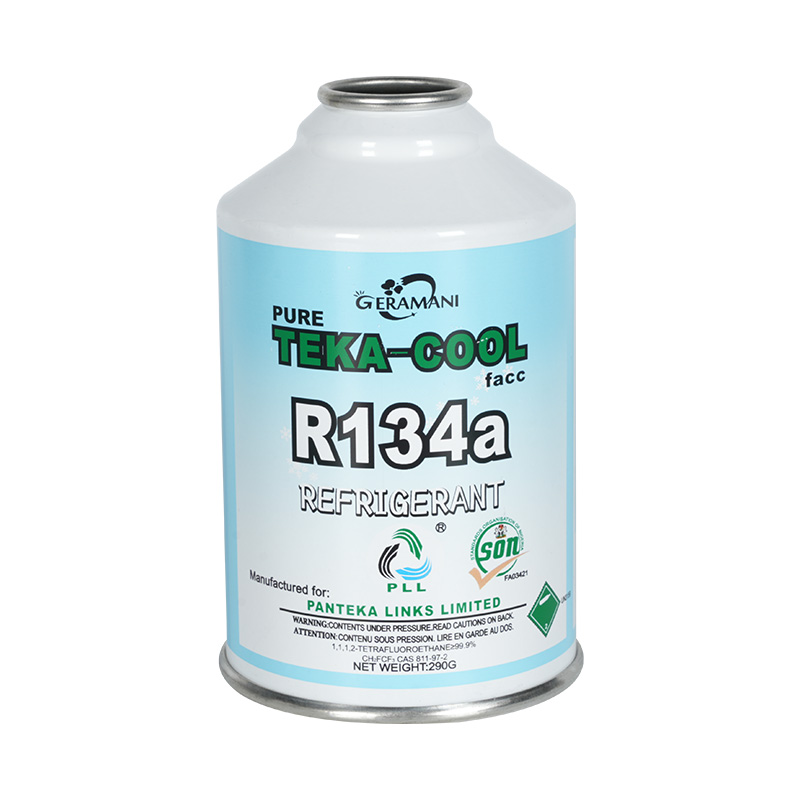
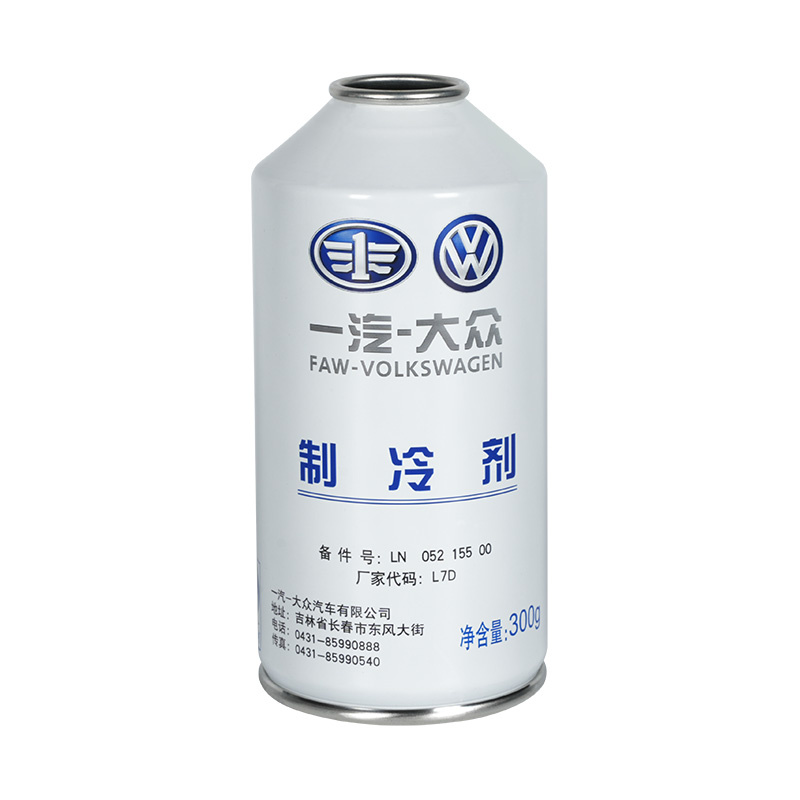
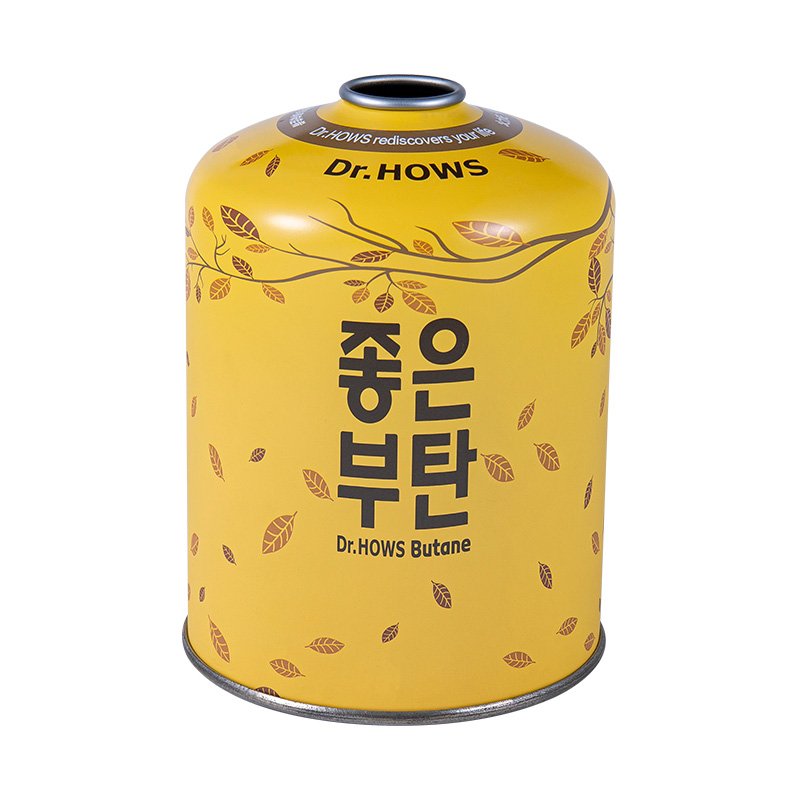
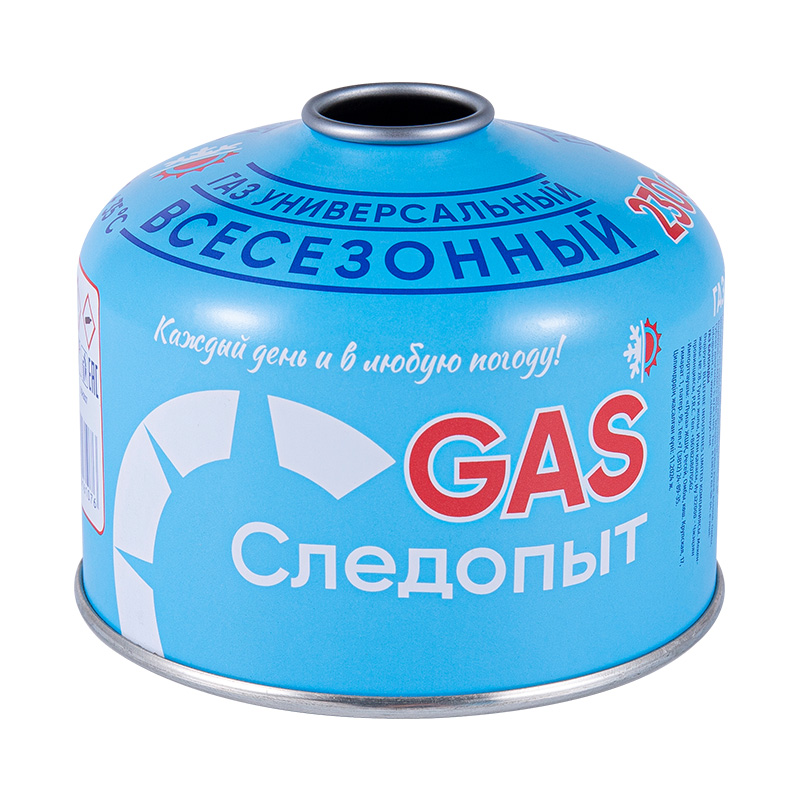
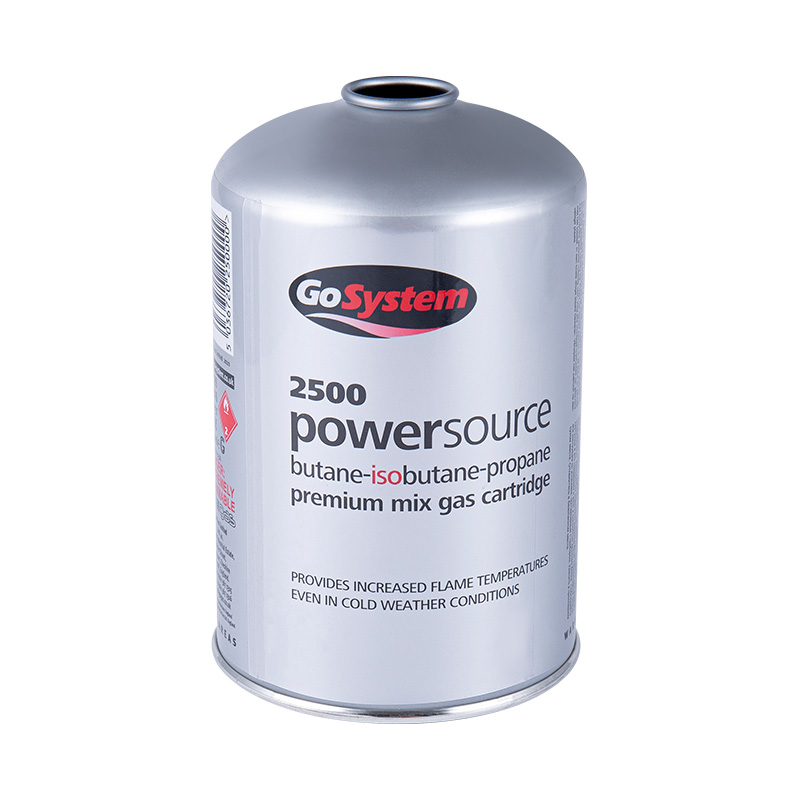
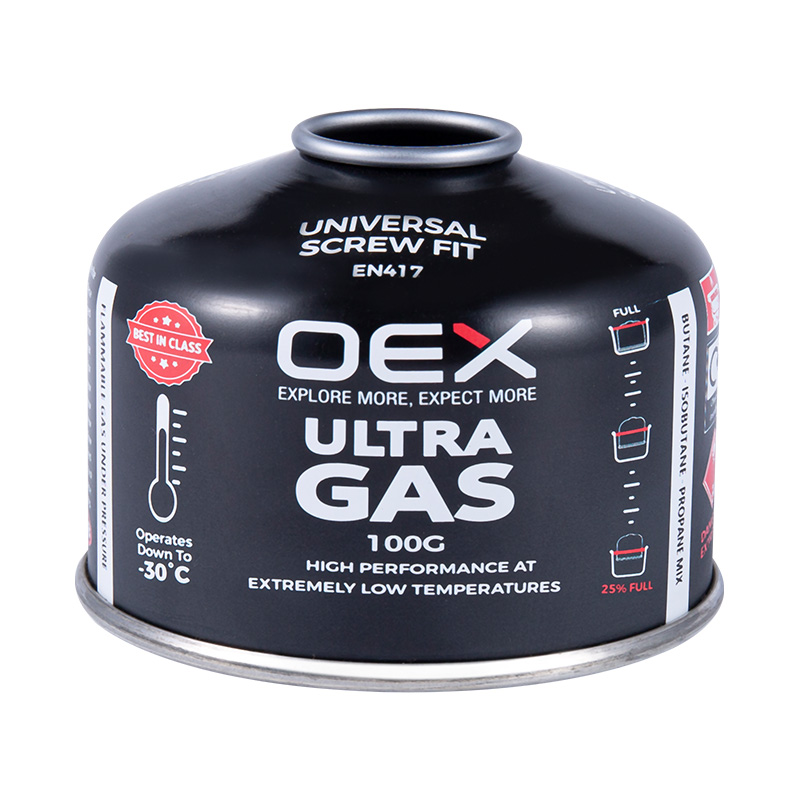
Butane Gas Cartridge bodies get marked up in much the same ways time after time. The shell – light steel many often, sometimes thin aluminum – ends up with rounded bulges from steady heat on one spot, dents where stress hits unevenly, sides that bend or twist out of round, or tiny cracks starting along the welded seams. These changes build slowly, not in a single go. They come from a short list of things that keep happening: pots or pans too big for the burner, wind blowing the flame out without closing the valve right away, the canister left lying flat or tilted, and valve fittings that don’t match up cleanly or get pushed together anyway.
Pots that stick out past the burner ring cause the obvious hot-spot trouble. Flame goes up, meets the pot bottom, and part of the heat turns right around and stays pressed against the canister wall. That patch keeps getting hotter than the rest. After sitting at 120–130°F for ten or fifteen minutes straight, the metal gives a little and pushes out into a smooth bulge – usually somewhere in the middle of the height or up toward the top curve. This turns up a lot because real cooking spots don’t always give you room: small camp tables, tailgates, narrow benches. The bigger pot gets used because it’s already in the kit. The same setup over a few meals makes the bulged place thinner each time. Later on, ordinary pressure inside can break through there.
Wind takes its toll in its own way. When the breeze hits 15–20 mph or more, one good gust can put the flame out while gas is still running. The canister cools down fast from all the gas expanding out. Then the air settles, the flame comes back, and the metal warms up quick again. That back-and-forth – cold snap then sudden heat – pulls on the metal over and over, harder down low where the liquid butane sits thicker. After enough of those swings, small cracks show up, the base gets a slight bend, or seams start to split a hair. You see this pattern often enough when people cook on open ground – ridges, shorelines, high paths where wind never really stops.
Keeping the canister upright matters more than it looks. The whole thing is built around standing straight: vapor comes off evenly from the top, pressure spreads the same all around the walls. Lay it flat in the bag, set it sideways on rough dirt, or let it tip on sloped ground and the liquid shifts and presses heavy against one side. Heat then cooks that heavy side a lot more than the empty side. The difference in expansion bends the shape: one panel pushes in or out, seams go crooked, the whole cylinder ends up leaning a bit. After a few rough campsites the change stands out when you pick it up.
Main damage patterns at a glance:
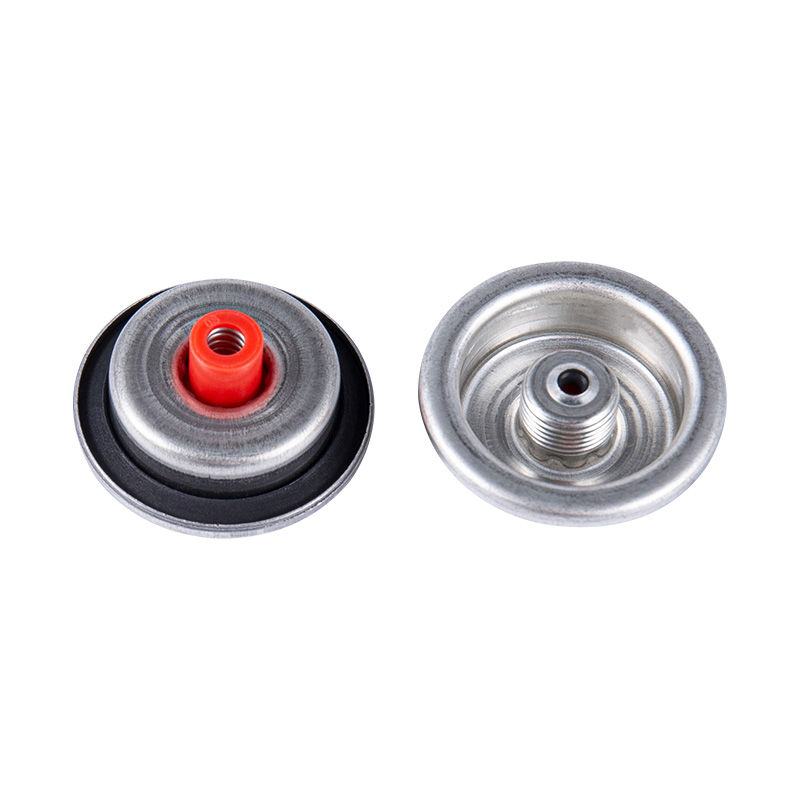
Valve connections wear the top end down gradually too. Threads and seals aren’t exactly the same from one maker or country to the next. An adapter that’s only close enough means you have to force it a bit to get it on. Each time that happens the neck rim gets a small scrape or extra bend. Burner vibration shakes the connection loose little by little; metal thins in places, tiny grooves appear, or the valve part tilts off straight. When it doesn’t sit flat from the beginning, that extra play makes the damage build faster during use.
Leaks almany always start from those connection problems. If the threads go on crooked, cross over, or pick up a bit of sand or old gunk in the groove, gas gets past under pressure. The stream coming out scrapes the metal right around the valve like a steady file – pits form, the wall gets thinner. Pressure jumps near the joint and makes it worse quicker. These usually begin when light is bad, hands are gloved up, or everything’s rushed. Once a leak starts small the spot around the valve looks rougher in short order.
Almany every bit of damage to Butane Gas Cartridge bodies traces back to these same habits: pots hanging over and holding heat in, waiting too long to shut the valve after wind kills the flame, leaving the canister flat or angled, using adapters that aren’t a good match, putting connections together without checking. The straightforward changes stop many of it – pick pots that fit inside the burner ring, watch the flame when wind picks up, stand the canister upright every time, make sure adapters line up before tightening, test every connection with soapy water before you light. Those steps keep the shell holding up through far more trips.


+86-18238070562

+86-579-85791578


No.28, Tongyi Road, Yiting town, Yiwu 322000 - Zhejiang Province, P.R.C.
Copyright © Bluefire Industries Limited All Rights Reserved. Two-Piece Aerosol Can


 English
 عربى
عربى Español