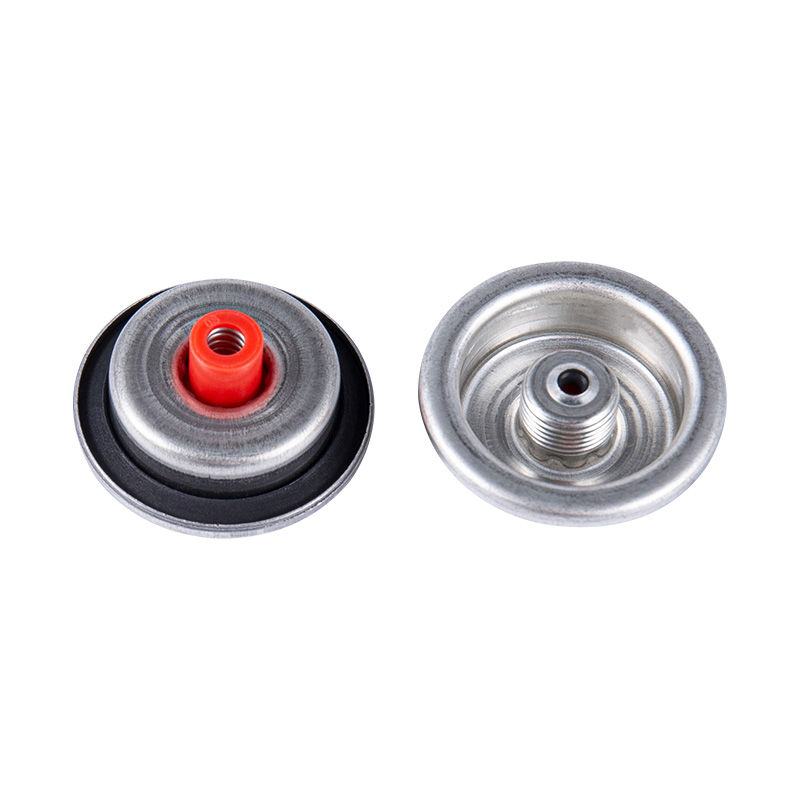
Everybody uses aerosol cans—deodorant, hairspray, cooking spray, bug killer, that lubricant stuff in the blue can. The spray comes out pretty even most days, thanks to this tiny aerosol can valve nobody pays attention to. It's just a few bits working together with pressure, nothing high-tech.
Push the button (that's the actuator). It shoves down on a stem inside. The stem drops a tiny bit—less than the thickness of a coin. That lifts a little rubber gasket off its spot. Now there's a path open from inside the can to outside.
The inside pressure is way higher than normal air—think 3 to 8 times stronger, depending on what's in the can. The instant the path opens, the stuff rushes out hard because high pressure always wants to go to low pressure. Liquid shoots through the stem, hits open air, pressure crashes, and it explodes into tiny drops. That's the mist or foam you get.
The stem has narrow holes and paths inside. Tight ones speed the fluid up and make smaller drops. Wider ones let bigger sprays or streams through. The button usually has its own little design—swirls or slots—to shape how it comes out. It all flashes by fast, but feels nice and steady when you're using it.
Let go, and a small spring snaps the stem back up. Gasket seals tight again. Spray stops clean—no drip, no slow weep. That's why it usually doesn't leak when sitting around.
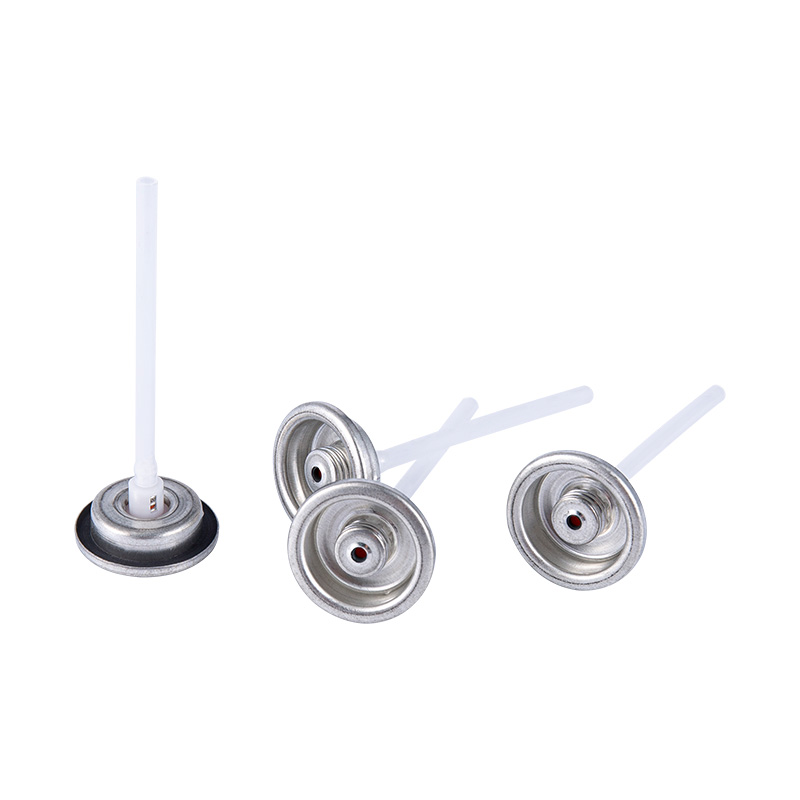
What the valve has to do right every time:
Two things mess it up frequently: leaks that creep up and clogs that show right away.
Leaks sneak in quietly. Maybe the metal ring wasn't squeezed on straight at the factory. Or the rubber bit got a small cut or squished wrong when filling. Bit by bit, pressure slips away. Spray starts weak, gets weaker, and can feel empty way too soon.
Clogs hit you in the face. Dried junk piles up in the stem holes or narrow bits. Thick stuff, things that settle out, or tiny bits in the mix leave gunk. Buildup starts and spray goes crazy—sputters, veers off, or blasts one thick line instead of mist.
Stuff people do to dodge or fix these:
Follow that, and the valve keeps going till the can's really done. You only notice the valve when it quits acting right.
It's just everyday physics—pressure shoving stuff out, quick drop making mist, spring slamming it shut. Built decent and treated okay, aerosol can valve does the job quietly for ages.


+86-18238070562

+86-579-85791578


No.28, Tongyi Road, Yiting town, Yiwu 322000 - Zhejiang Province, P.R.C.
Copyright © Bluefire Industries Limited All Rights Reserved. Two-Piece Aerosol Can


 English
 عربى
عربى Español