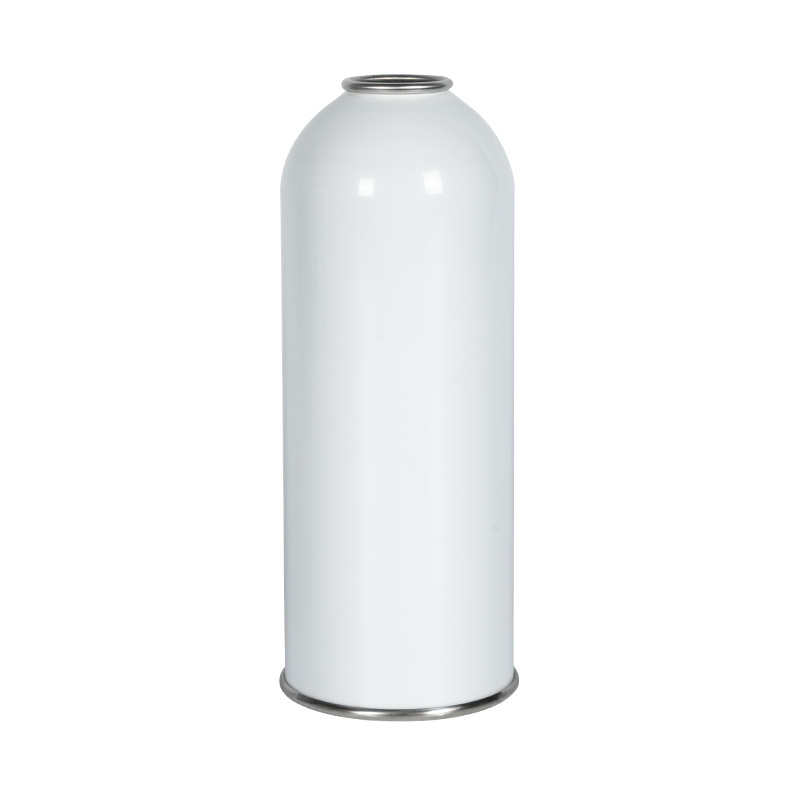
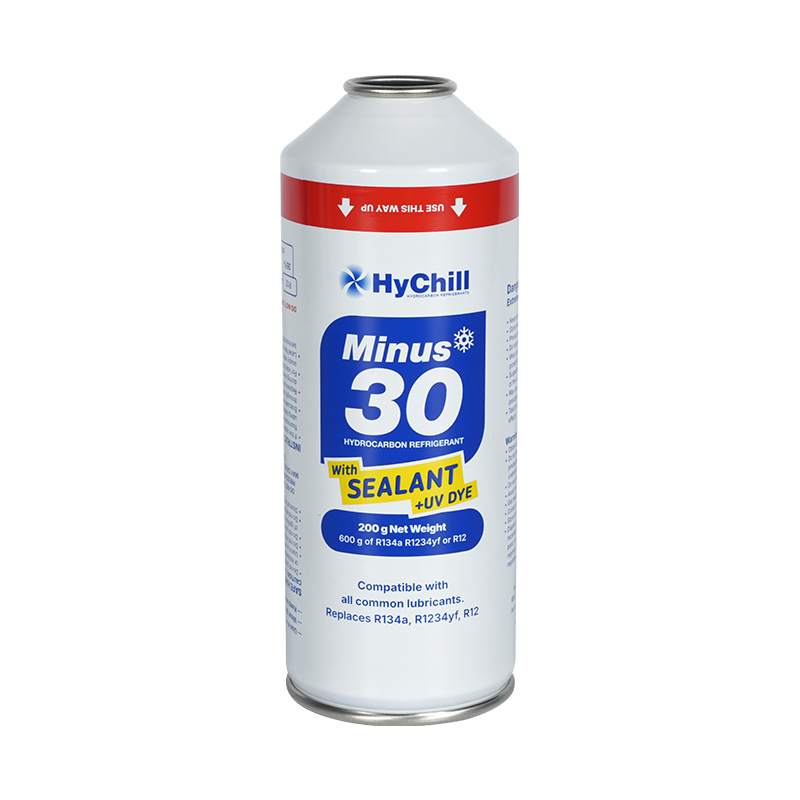
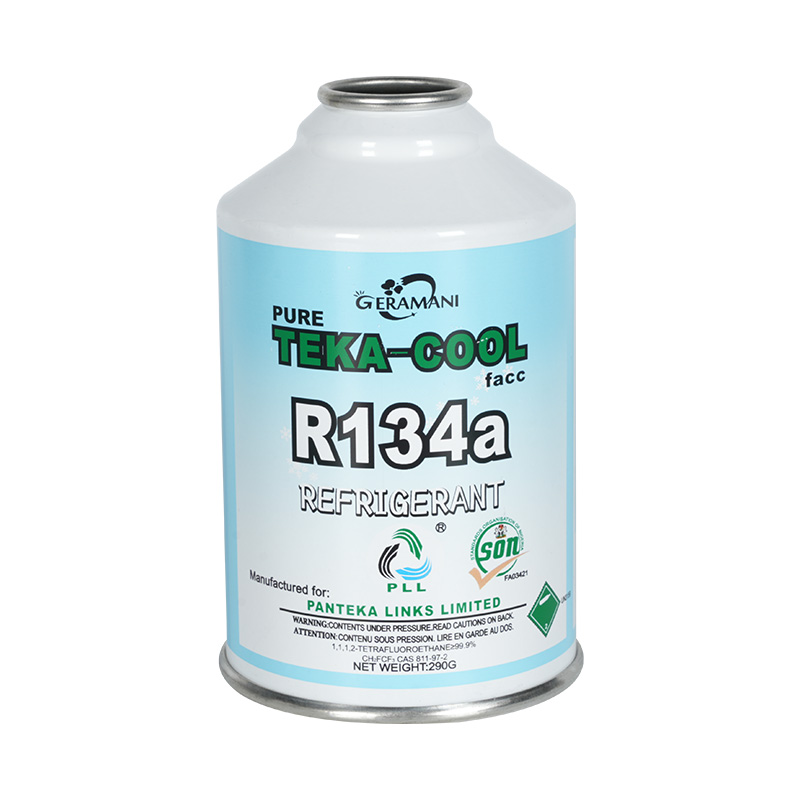
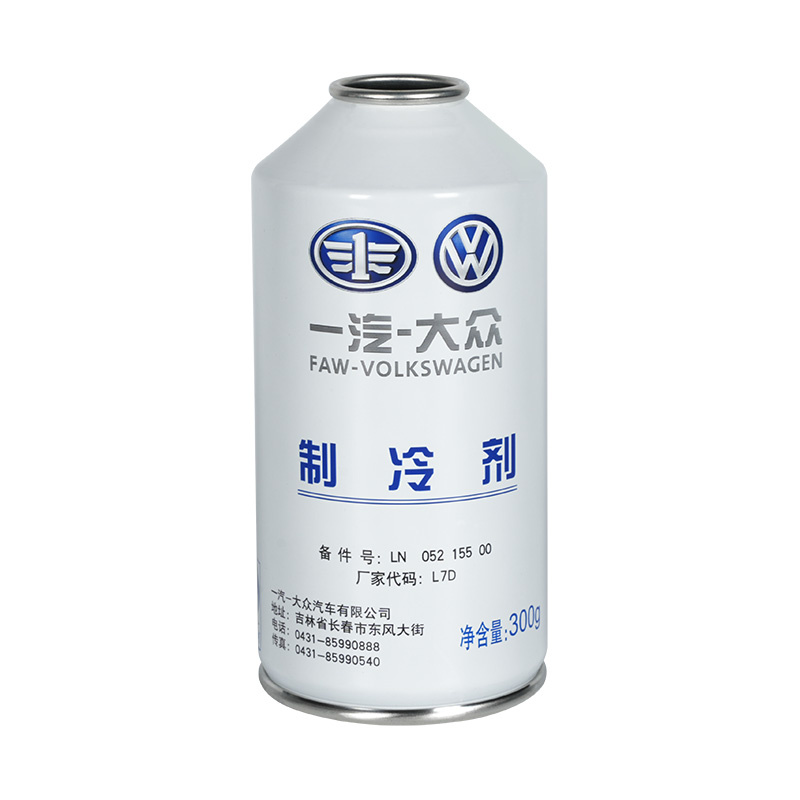
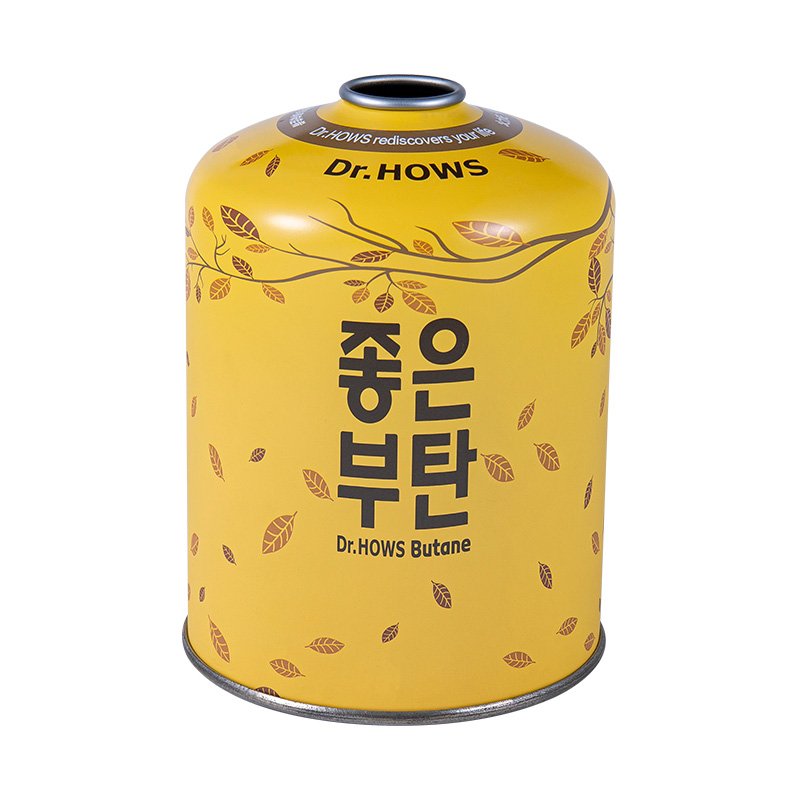
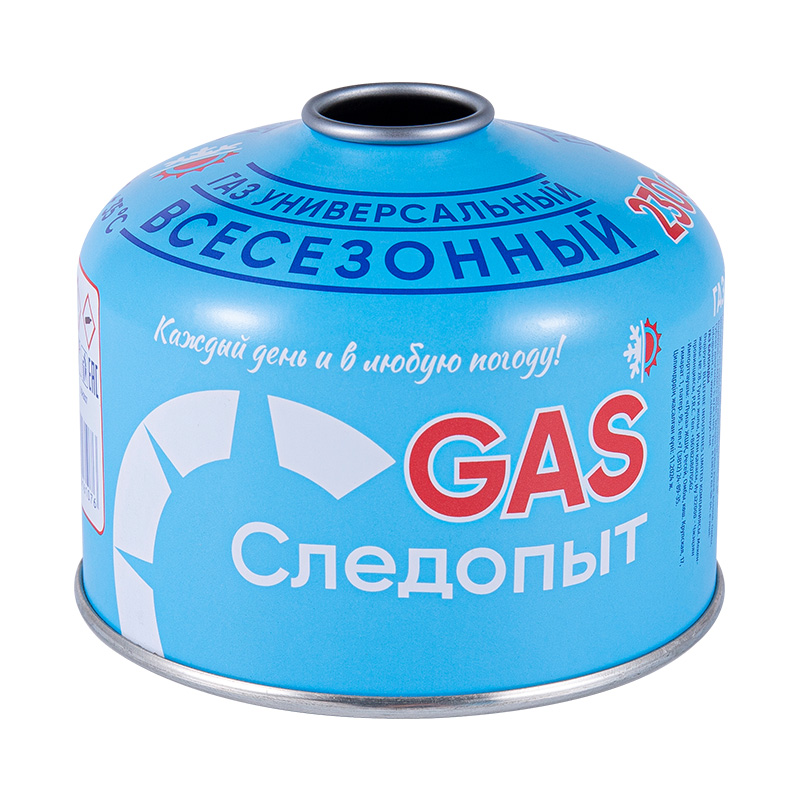
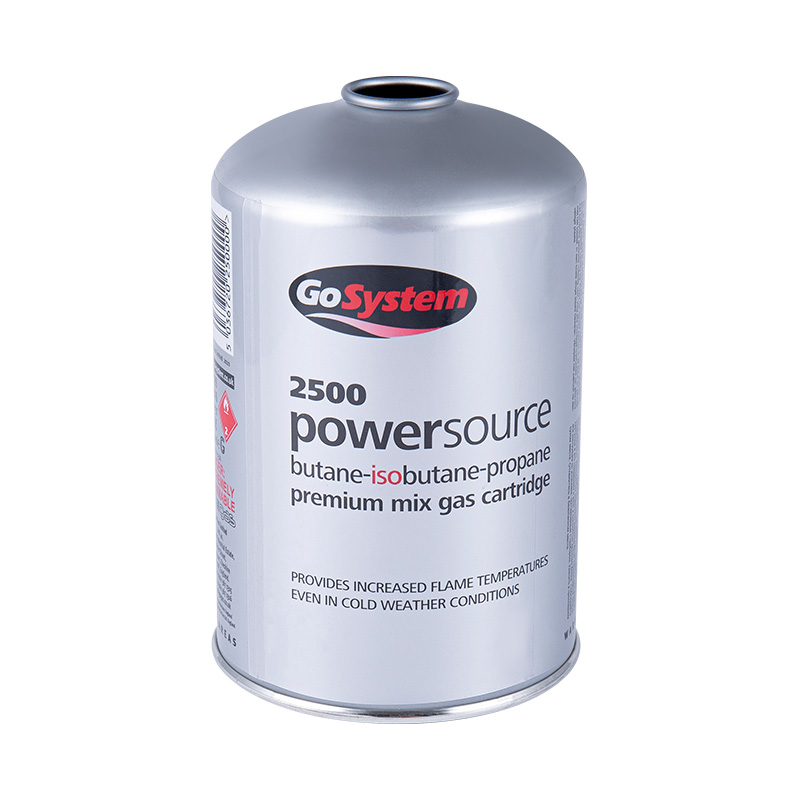
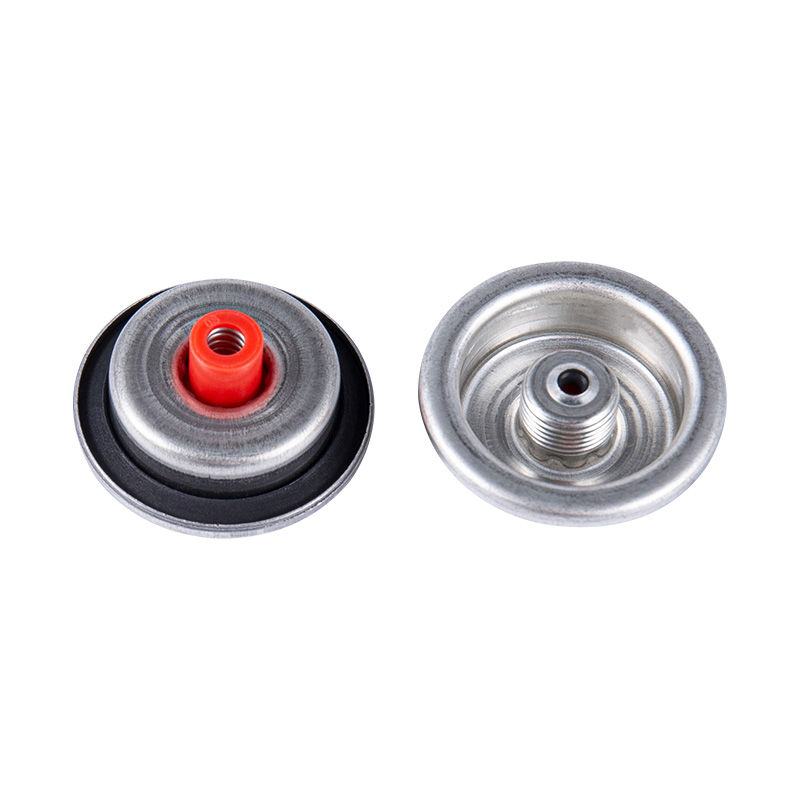
The 100-gram fuel canister serves lightweight backpacking camping bikepacking and urban emergency kits well because of its small size and steady fuel supply for compact stoves. Inside sits a pressurized blend of light hydrocarbons that exists partly as liquid and partly as vapor. Manufacturers usually combine isobutane n-butane and propane adjusting the ratios depending on target climate. Higher propane content keeps vapor pressure usable in cold weather while more butane raises energy content in temperate conditions. The shell consists of thin steel or aluminum that stays light yet contains normal operating pressure. A precision valve most often built to EN 417 standard lets compatible stoves screw on securely and closes automatically when disconnected.
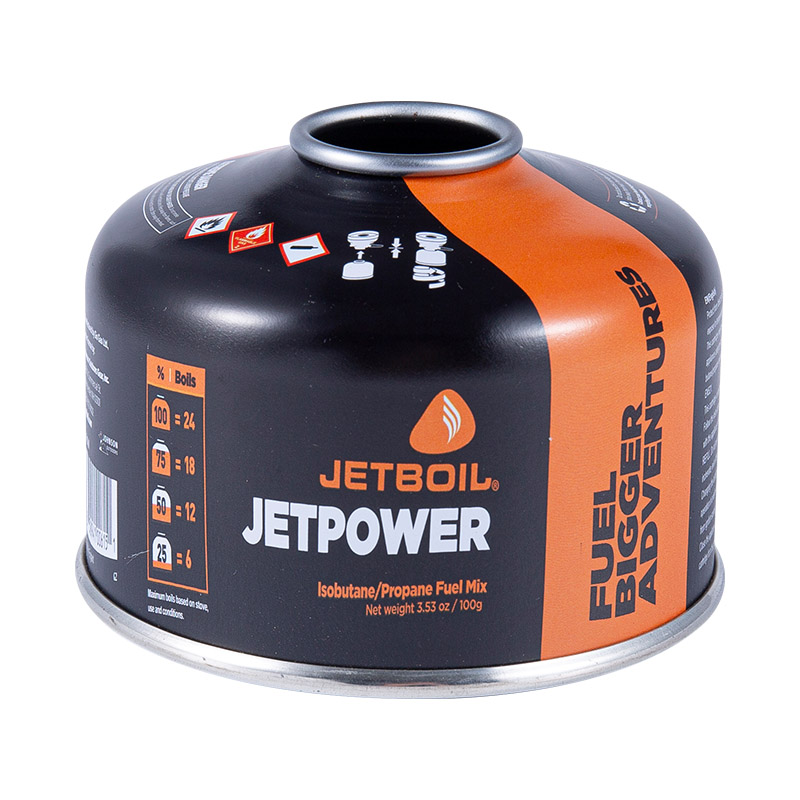
Pressure inside the canister determines how consistently fuel reaches the burner. Liquid and vapor remain in balance at any temperature creating a specific vapor pressure. When the stove opens the valve vapor flows out and liquid evaporates to restore equilibrium provided surrounding heat supplies the energy needed for the phase change. Cold air lowers vapor pressure which produces weaker flames or sputtering. Heavy fuel draw sometimes exceeds evaporation speed causing brief pressure drops. Toward the end of the canister's contents limited vapor space leads to uneven delivery unless the stove allows inversion to pull liquid directly.
Shell material and valve construction affect safety reliability and service life. Steel gives rigidity at lower cost whereas aluminum handles damp or coastal settings with less corrosion. A carefully machined valve maintains even flow stops seepage and supports repeated smooth connections. Rough machining or substandard metal raises chances of leaks damaged threads or valve sticking.
Burn duration depends on stove efficiency flame setting wind altitude and temperature. A well-shielded efficient stove consumes noticeably less fuel to reach a boil than one left open to drafts. Cold sluggish behavior improves after gentle warming from body heat or wind protection. Certain stoves permit inverting the canister to feed liquid which helps when vapor pressure drops too far.
Before attaching inspect the canister for dents or dirt then align threads precisely and tighten gradually until firm. Disconnect only once the system cools and the valve closes completely. Careful steps like these lower the risk of abrupt gas escape.
Keep canisters in cool dry ventilated locations far from sunlight heaters or hot vehicle interiors. Carry them upright and cushioned against impact never sealed near ignition sources. Air travel rules ban pressurized fuel in both carry-on and checked bags. Empty canisters frequently enter metal recycling streams in many places but partially used ones belong at hazardous waste facilities.
Disposable canisters lack the wall thickness and valve durability needed for repeated pressure cycles. Refilling introduces contamination weakens the structure and creates serious rupture hazards. Safe practice means one-time use followed with proper disposal.
Reliable canisters show clean valve machining smooth shell finish sharp printing with batch codes and clear safety information. Counterfeits tend to have blurry labels rough threads inconsistent weight or absent certifications which often cause leaks irregular combustion or pressure failure. Purchasing from established sources reduces exposure to these risks.
For urban preparedness the 100-gram size provides solid energy density within limited space. Store one at moderate temperatures beside a matching compact stove. Hands-on familiarity with the setup outweighs carrying multiple fuel varieties.
Heavy operation sometimes causes frost on the canister surface because fast evaporation draws heat from the metal and condenses moisture from the air. Frost indicates rapid pressure loss and weaker flow but carries no immediate danger.
Buy only the amount needed run stoves efficiently and route empty canisters through correct disposal channels. When users grasp the interplay of temperature pressure and fuel makeup with their stove this compact canister supplies dependable heat with few unexpected issues. Bluefire's Camping Gas Cartridge has consistent cold-weather performance, reliable valve sealing, and clear labeling that helps users avoid common mistakes, it's a practical and trustworthy choice for both trail users and preparedness kits.


+86-18238070562

+86-579-85791578


No.28, Tongyi Road, Yiting town, Yiwu 322000 - Zhejiang Province, P.R.C.
Copyright © Bluefire Industries Limited All Rights Reserved. Two-Piece Aerosol Can


 English
 عربى
عربى Español