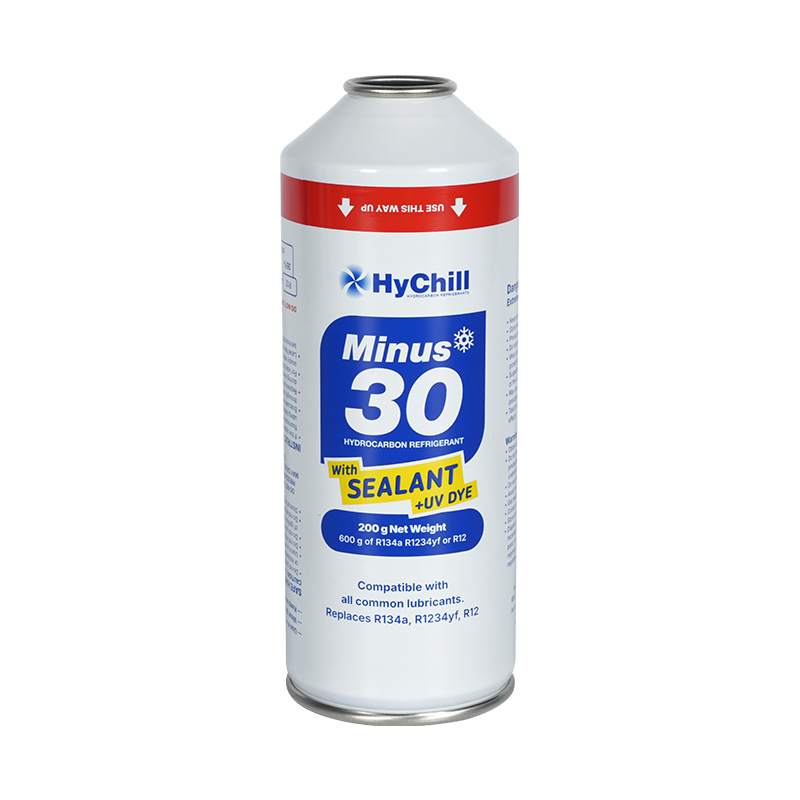
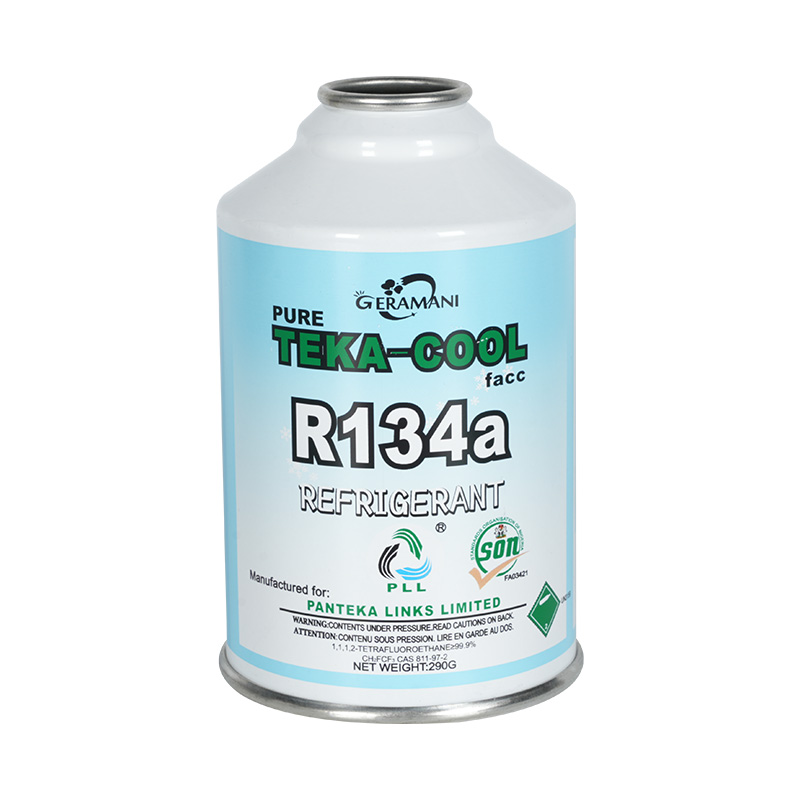
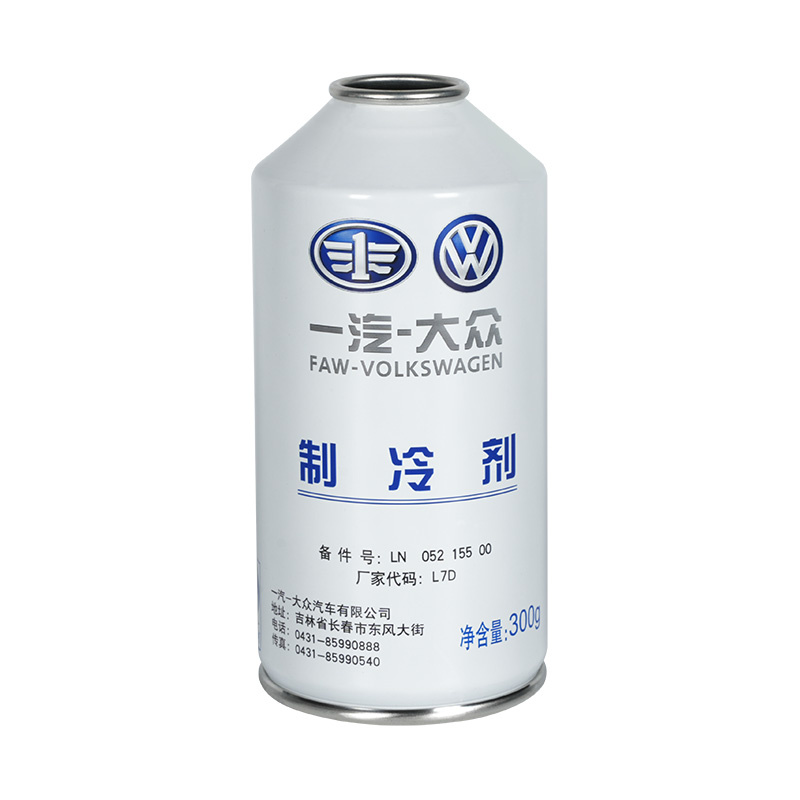
Aerosol cans appear in many everyday products like air fresheners, bug sprays, hair products, paints and medical mists.
The basic principle depends on pressure inside the sealed can. Product and propellant stay together there. Pressing the actuator opens a valve so pressure pushes the mixture out through a tight passage. Once outside the propellant expands quickly and shatters the liquid into very small droplets or builds foam. How fine the spray becomes, what shape it takes and how steady it stays all come from the valve construction, nozzle shape, propellant choice, how thick the liquid is and its surface tension.
Liquefied gases such as propane, butane or the newer HFO compounds make up one major propellant group. They exist partly as liquid in the can and keep vapor pressure steady which helps deliver consistent fine mist useful in perfumes and hair sprays. Most of these burn easily so cans carry strong safety warnings.
Compressed gases including nitrogen, carbon dioxide or plain air form the other group. They remain fully gaseous and pressure falls gradually while the product empties. Being chemically neutral they avoid many reaction problems and lower fire risk yet the spray often turns out coarser without specially tuned valves and nozzles.
Early pressure ideas go back quite far but the modern aerosol took shape when Norwegian engineer Erik Rotheim patented an important valve design in the 1920s. World War II brought urgent need for portable bug-killing sprays and the U.S. military pushed development forward leading to large-scale production. After the war people liked the easy push-button action, uniform coverage and no-touch application so aerosols spread rapidly into personal care items, household cleaners, paints, food products and drugs.
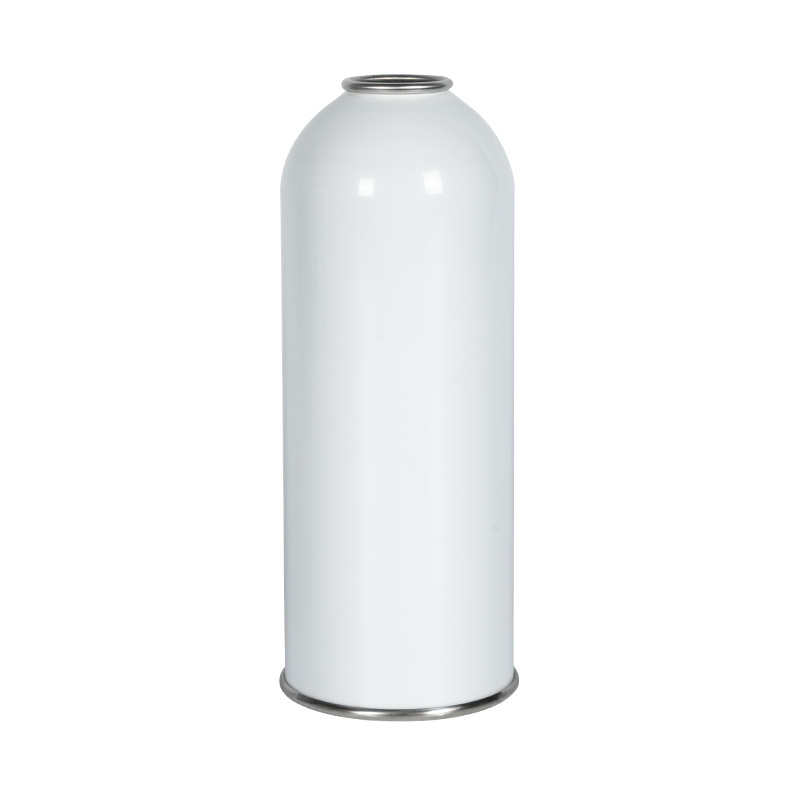
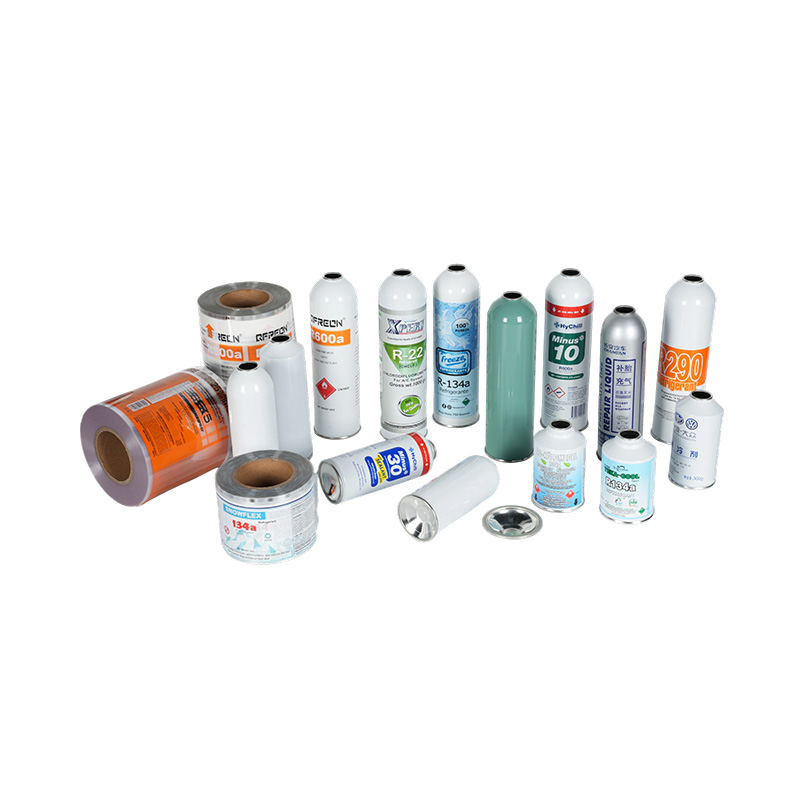
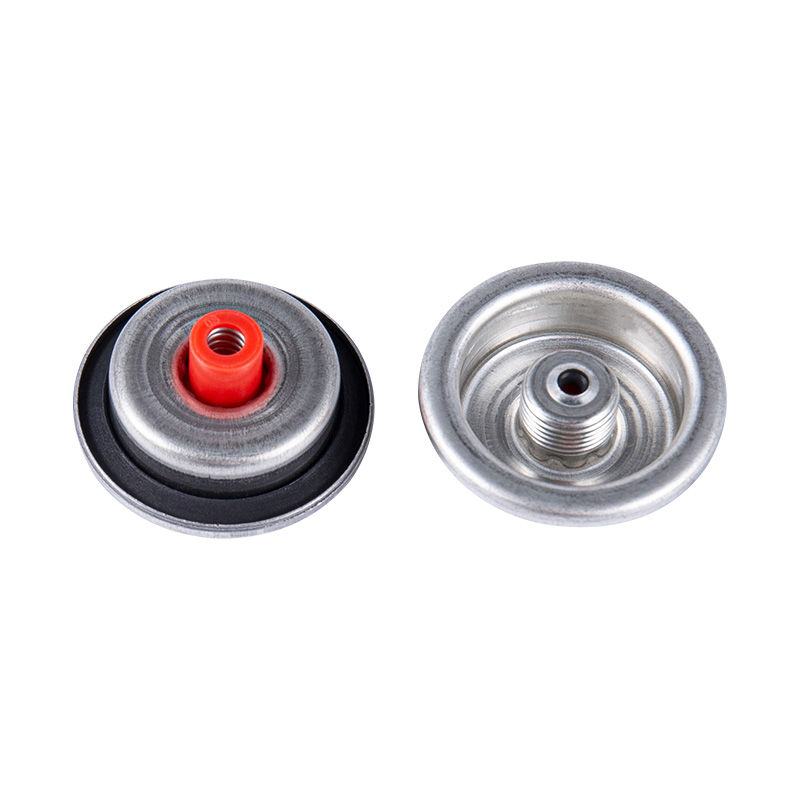
Manufacturing starts with shaping the can body either by extruding aluminum or welding steel. Next comes internal coating followed by printing on the outside. Precision parts form the valve which includes molded pieces, springs and seals. Factories fill the product first then add propellant and finally crimp or seal everything shut. Cans go through leak and pressure checks often in a hot water bath then get coded and packed.
Chlorofluorocarbons seriously damaged the ozone layer years ago so nations agreed under the Montreal Protocol to stop using them mostly by the late 1970s and through the 1980s. After that the aerosol sector switched first to hydrocarbons then gradually toward propellants that cause much less global warming for instance HFO-1234ze which has near-zero impact compared to older options. Today the main push involves even cleaner propellants along with cans built easier to recycle and bag-on-valve setups that rely on safe inert gases like nitrogen or compressed air. These changes respond to tighter rules on high-GWP substances and growing demand for lower environmental footprints across personal care household and medical products.Hydrocarbons still add to smog in some conditions but recent formulas cut that effect.
Fire danger exists with many types along with the risk of bursting if heated or pierced and breathing trouble from misuse. Today's cans use sturdy metal walls, dependable valves, child-resistant buttons, clear hazard labels and thorough testing. People should spray only in open air stay away from flames or hot surfaces avoid puncturing or burning the can and dispose properly. Empty metal ones usually go in recycling bins while anything not fully empty often counts as hazardous waste needing special collection.
Some people think every aerosol can catches fire easily but plenty use non-flammable setups. The metal shell recycles widely even though plastic valves and leftover bits complicate matters. No outright ban exists only limits on certain propellants and volatile compounds.
Even though the device looks small it pulls together materials science, how fluids move, high-accuracy production and constant updates to meet environmental rules and safety needs. It offers precise delivery and real convenience yet keeps shifting toward more sustainable materials and reuse.
In today's changing aerosol packaging field companies that grasp both the technical details and upcoming regulations stand out in offering dependable options. Bluefire stands out by matching strong product results with thoughtful design choices especially in picking propellants building safe structures and ensuring everything works well across different uses. Through sharp engineering combined with attention to environmental shifts and rules Bluefire shows how current aerosol products manage to stay useful flexible and in line with what the industry expects over time.


+86-18238070562

+86-579-85791578


No.28, Tongyi Road, Yiting town, Yiwu 322000 - Zhejiang Province, P.R.C.
Copyright © Bluefire Industries Limited All Rights Reserved. Two-Piece Aerosol Can


 English
 عربى
عربى Español