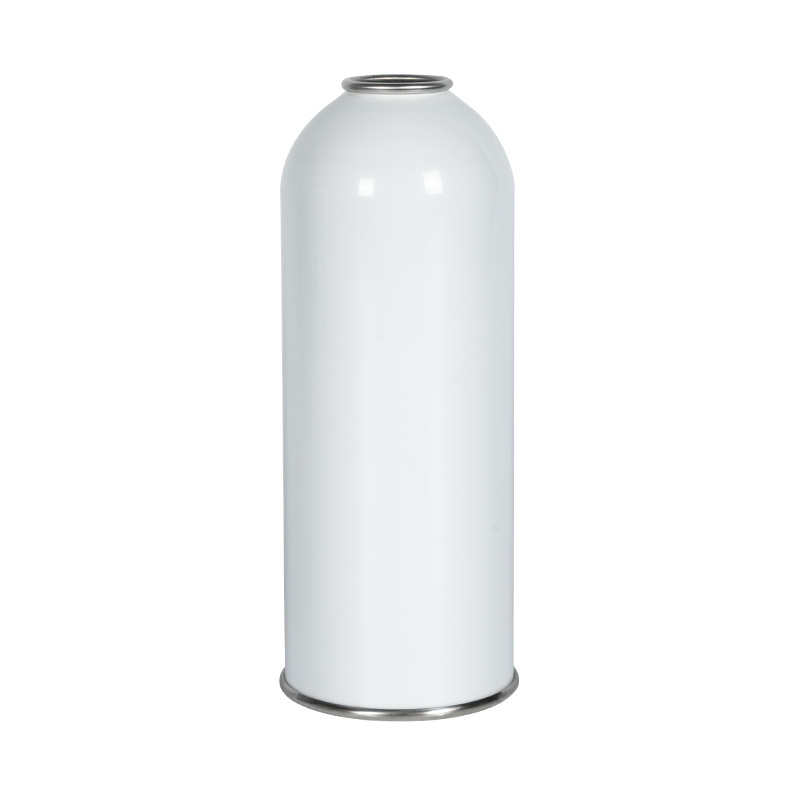
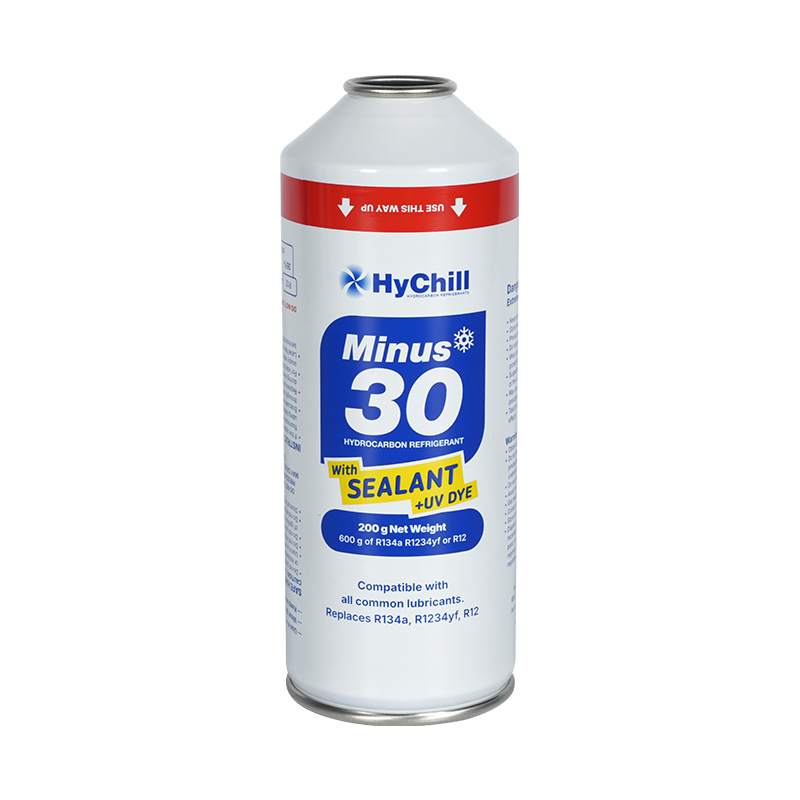
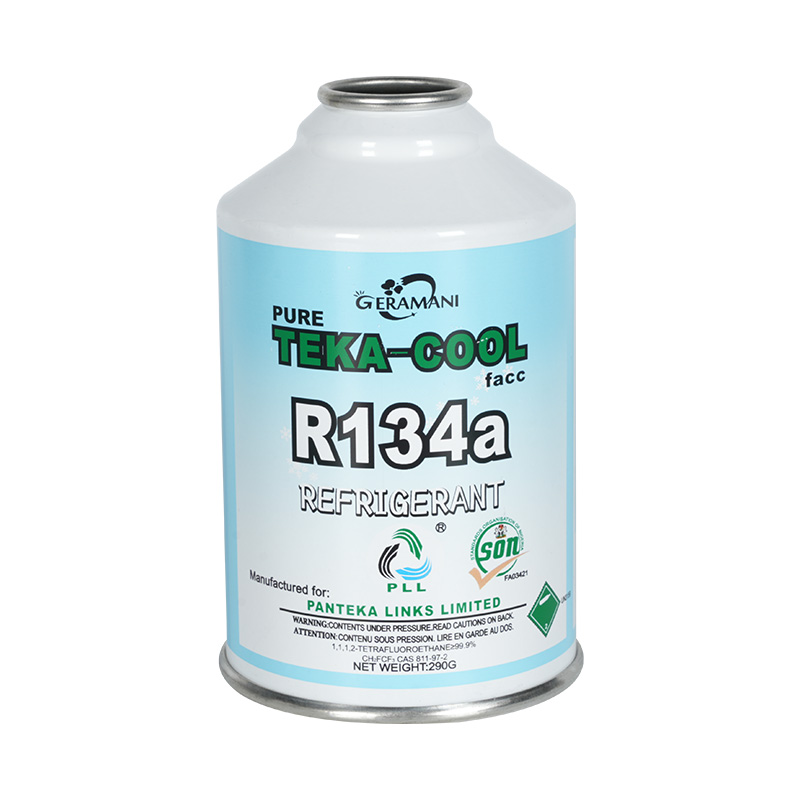
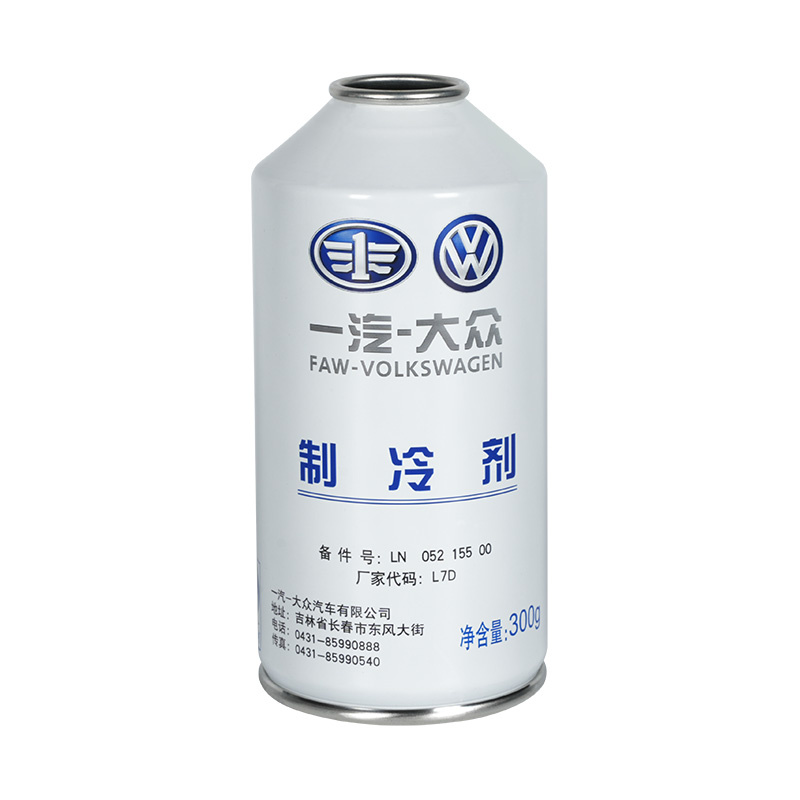
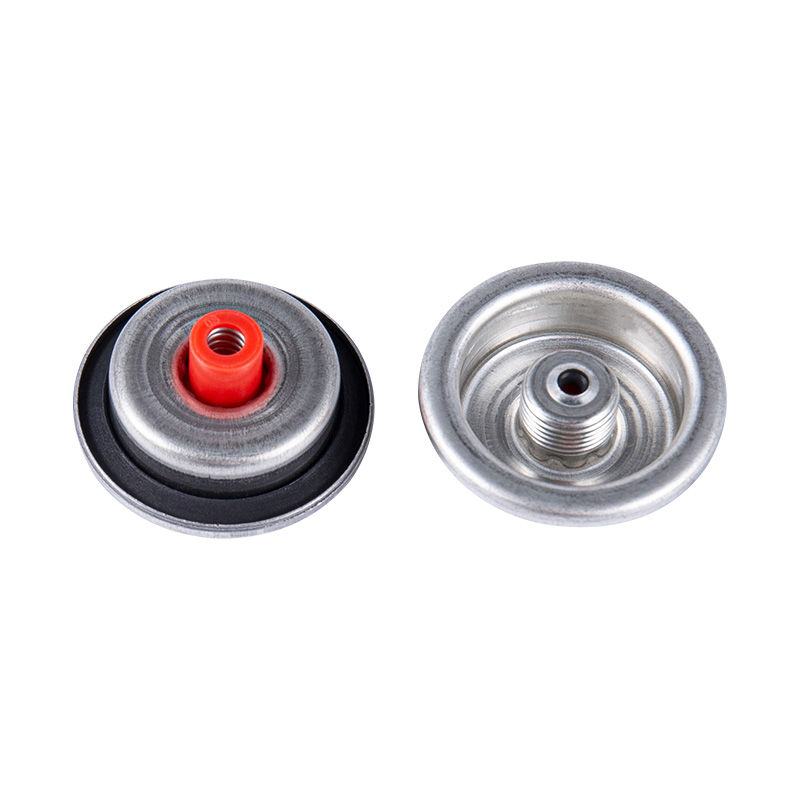
The aerosol valve serves as the key interface linking the pressurized contents inside to the person using it. Before any product emerges as a spray, foam or continuous stream, the complete aerosol package has to satisfy demanding mechanical chemical and structural standards. Valve container propellant and formulation work together as one cohesive system. They hold pressure steady and allow precise release during long storage periods shipping conditions and actual consumer use.
For an aerosol package to function reliably, several baseline conditions must be met.
Hermetic sealing matters a great deal because the valve has to be crimped or fitted tightly enough to stop any gas or liquid from escaping. Even small flaws in that seal often cause pressure to drop slowly or make the product break down over time.
The system needs to hold its designed internal pressure steady. Propellant amount together with the headspace volume controls how forcefully and evenly the product comes out during dispensing.
Materials used in the valve have to stay compatible with the formulation. Metals elastomers and plastics that touch the contents must resist corrosion swelling or any chemical attack otherwise leaks clogs or contamination become likely.
The inside has to stay clean so no tiny particles block orifices or ruin the gasket sealing surfaces.
Spring preload and gasket seating need to be set right. That keeps the stem firmly closed against pressure and lets it reseal properly every time after use.
Once everything else checks out final verification covers leak and pressure tests to confirm no escapes or drops then actuator alignment gets checked to make sure it sits correctly volatile residues are removed to avoid any leftover issues and full documentation is kept for traceability. Storage conditions must also prevent seal deformation or chemical instability prior to use.
An aerosol valve becomes functional through precise assembly of metal, elastomer, plastic, and spring components. Each part plays a defined role:
Assembly starts with checking and cleaning each separate component. Workers verify dimensional accuracy along with surface condition to catch anything that could cause problems further down the line.
The main gasket gets placed either in the housing or onto the stem according to the specific design. Getting its orientation right proves crucial since that directly affects how well the seal holds up.
The spring is installed to establish correct preload. Insufficient preload may prevent resealing; excessive preload can increase actuation force.
The stem is inserted so its sealing surface engages the gasket. Travel limits and alignment must match actuator geometry.
If used, the dip tube is attached and its length verified to ensure proper product draw.
The assembled valve is mounted onto the container and crimped. Crimp force and geometry are tightly controlled because the crimp forms both the mechanical joint and pressure seal.
Depending on the filling method, product may be filled before crimping or through the valve afterward. Bag-on-valve systems involve separate pouch filling prior to sealing.
The actuator is installed and aligned, followed by visual and mechanical inspection to confirm integrity.
Validation ensures reliability in production and in use. Common tests include:
These tests confirm that mechanical design translates into predictable performance.
Different products call for different valve designs.
Continuous spray valves see heavy use in household cleaners and air fresheners. They rely on small orifices paired with standard elastomers to handle typical dispensing needs.
Foam valves include mixing chambers or screens that help build the right foam structure. Shaving creams and hand soaps often depend on this type.
Stream valves work better with thicker materials like lubricants or adhesives. They focus on delivering a steady controlled flow instead of fine atomization.
Material choices shift based on the formulation's chemistry and whatever regulations apply.
Spray formation depends on pressure dynamics and fluid mechanics. When actuated, internal propellant pressure forces liquid through narrow orifices. As velocity increases, the liquid breaks into droplets—a process known as atomization.
Droplet size is influenced by:
The spring and gasket reseal immediately once pressure on the actuator is released, preserving internal pressure for subsequent use.
Material choice has a direct effect on how long the valve lasts in service. Metal housings need to stand up to corrosion from solvents while keeping their shape under pressure. Aluminum tinplate and stainless steel usually get picked for that reason.
Elastomeric gaskets require a good mix of springiness chemical resistance and minimal permanent set after compression. Nitrile EPDM butyl or fluorocarbon rubbers get chosen depending on how polar the solvents are and what temperatures the system will see.
Plastic parts like actuators and dip tubes have to hold their dimensions steady and resist breakdown from chemical contact.
When materials don't match the formulation properly swelling can occur embrittlement sets in permeability rises or seals eventually fail.
Filling methods play a big role in valve reliability over time.
Under-the-cup filling sometimes leaves residue on gaskets unless carefully managed which then harms sealing.
Through-the-valve filling opens the valve briefly during pressurization. Too much stress in that step can fatigue parts prematurely.
Overfilling pushes internal pressure higher and strains the crimp area while underfilling changes how the spray performs.
Any contamination that gets in during filling risks blocking stem orifices or dip tubes so output becomes uneven.
The temperature at filling time influences gasket flexibility right away and influences seal performance long after.
Minor variations during assembly can affect functional lifespan.
Misaligned stems or twisted gaskets create uneven sealing. Improper spring positioning alters actuation feel and reseal reliability. Dip tube miscuts can trap air and disrupt flow. High-speed automation may introduce micro-abrasion or vibration-related stress.
Actuator misfit can apply lateral load to the stem, accelerating gasket wear and affecting spray uniformity.
Precision in assembly is therefore central to durability.
Foam products require additional evaluation because they involve multiphase systems. Testing may include bubble size distribution, foam density, collapse time, and deposit uniformity.
Common diagnostic steps:
Microscopy and analytical testing may be used for deeper investigation.
Aerosol valve performance goes beyond basic mechanical action. It hinges on tight controlled sealing steady pressure handling good material compatibility and exact assembly work. Every step matters from picking the right design and putting components together through filling to final checks. All of that builds consistent dispensing plus reliability over time. Manufacturers keep pressure from leaking maintain clean conditions during assembly and confirm mechanical function holds up. Those efforts create solid dependable aerosol systems that work across many different uses.


+86-18238070562

+86-579-85791578


No.28, Tongyi Road, Yiting town, Yiwu 322000 - Zhejiang Province, P.R.C.
Copyright © Bluefire Industries Limited All Rights Reserved. Two-Piece Aerosol Can


 English
 عربى
عربى Español