When you are packing a simple kit for a morning hike the right fuel and drinkware can change the experience. A 230g Screw Top Gas Canister fits neatly into many outdoor setups and pairs especially well with a thermos mug with handle that keeps liquids hot and is easy to hold while moving. This article will focus on the thermos mug with handle and how small choices in fuel and vessel add up to smoother brewing and more relaxed moments outside.
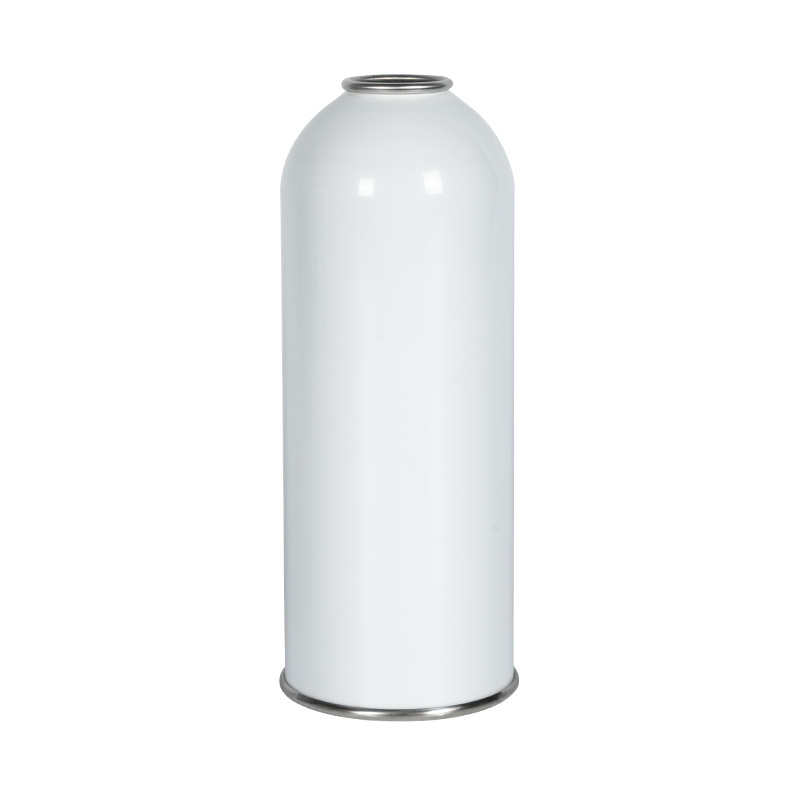
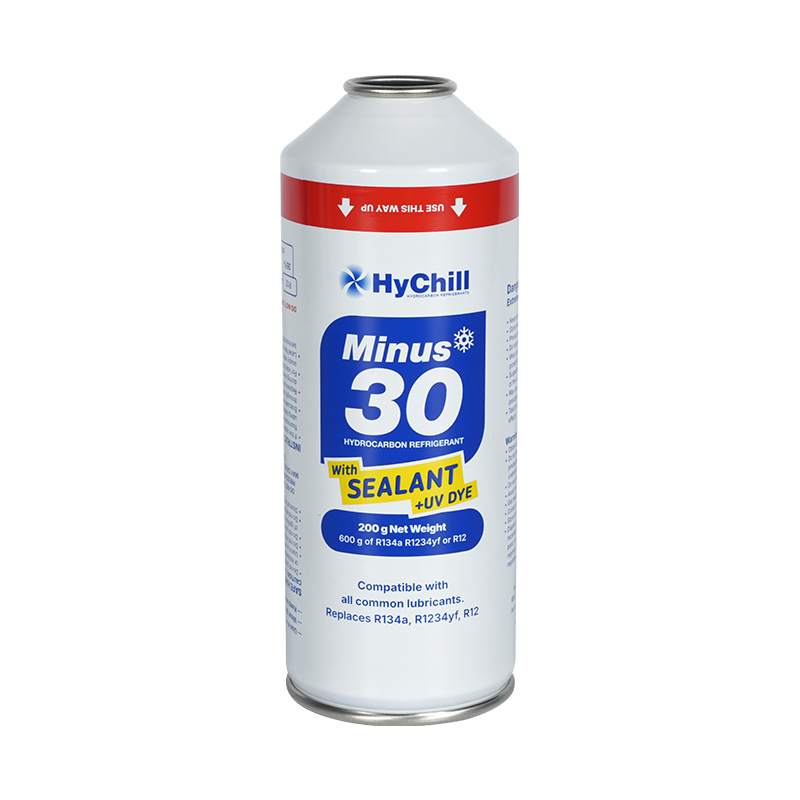
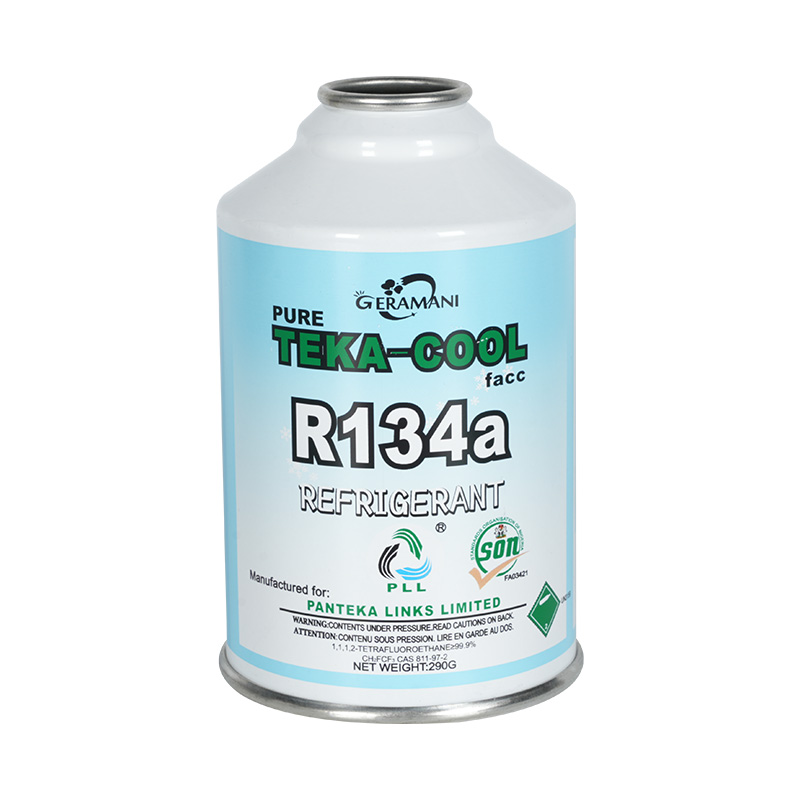
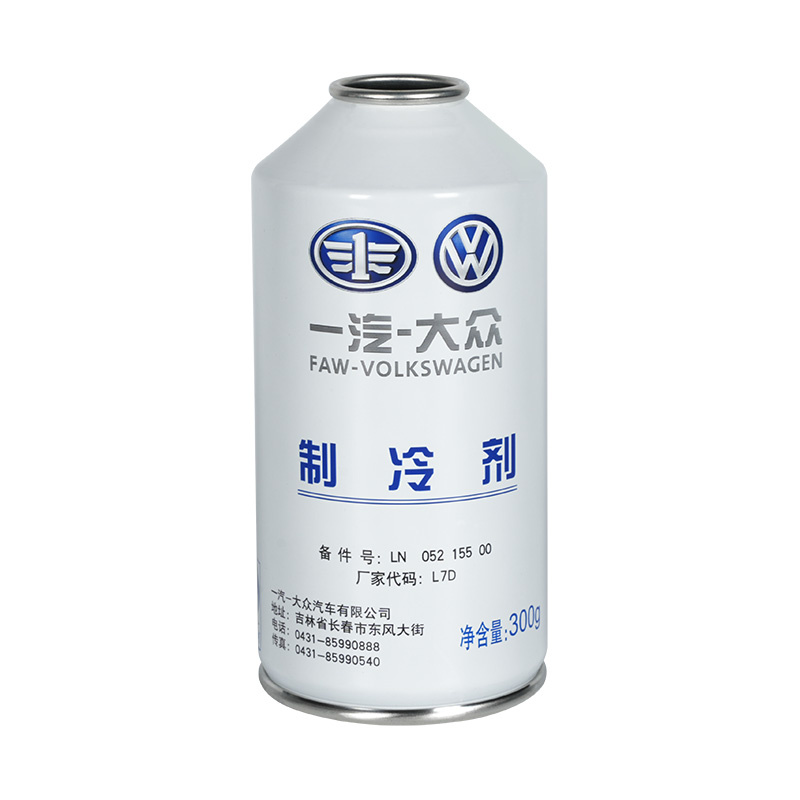
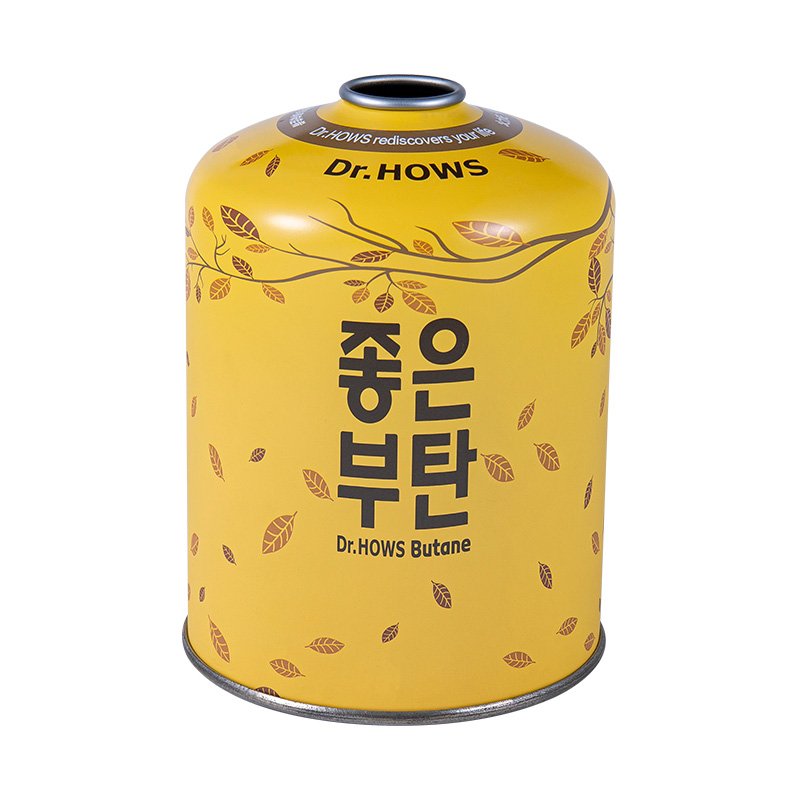
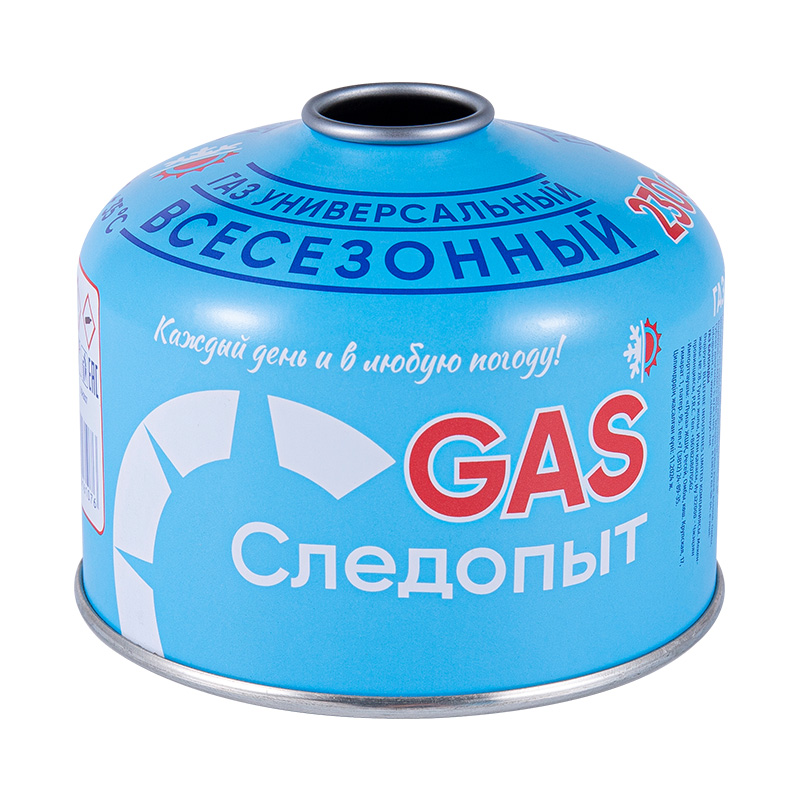
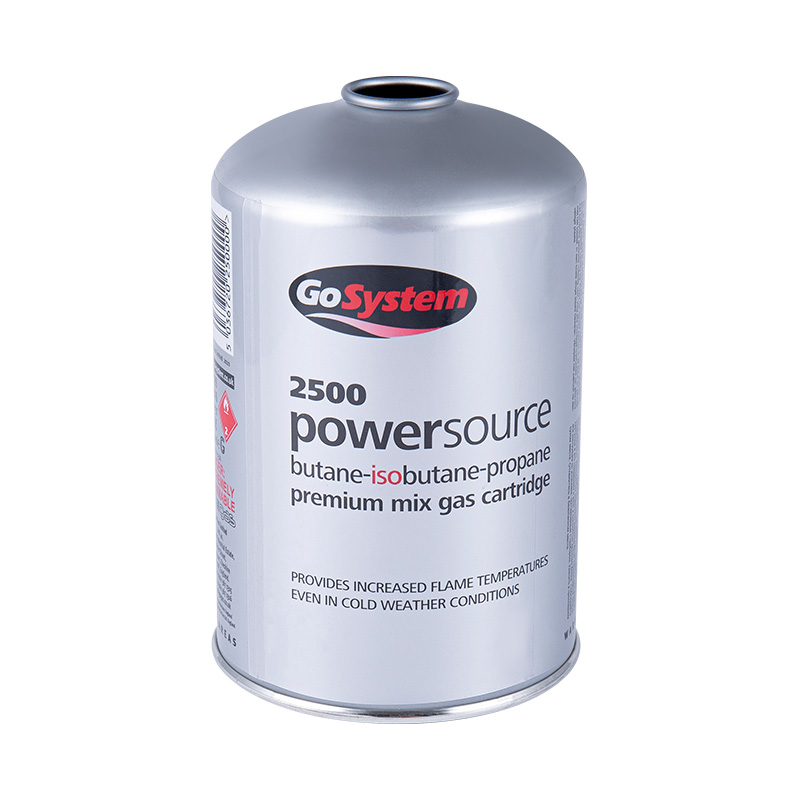
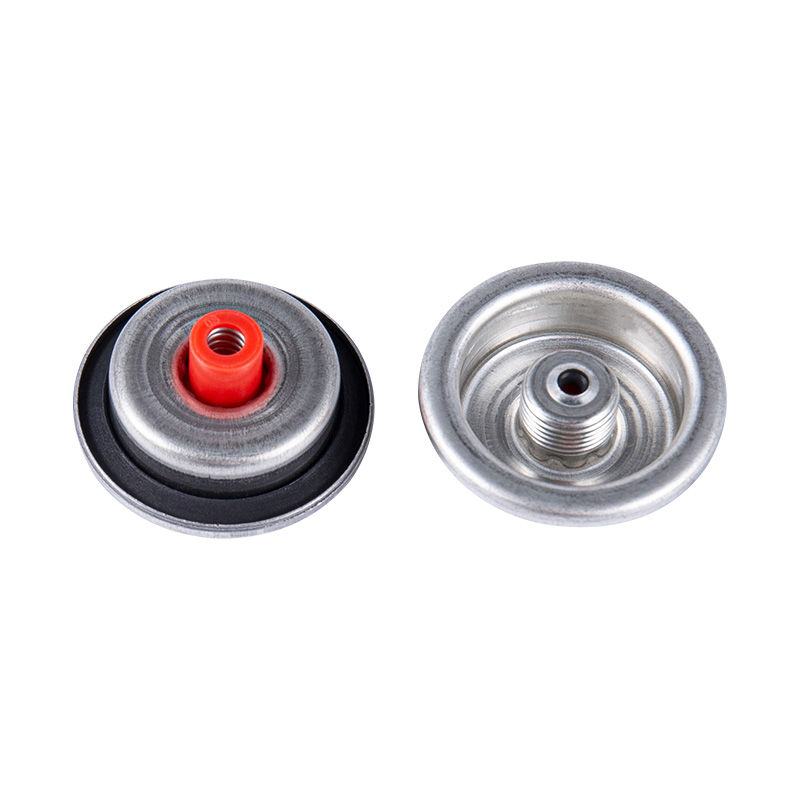
The 230g screw-top gas canister serves as a compact fuel container equipped with a threaded valve that enables secure connection to portable stoves or torches. This design differs from pierce-type versions by permitting repeated attachments without disposal after single use thus lowering leak chances. The canister contains blends of butane isobutane and propane where the proportion affects how well it works under varying temperatures with higher propane content improving vapor pressure in cold settings. Its cylindrical shape comes usually from steel or aluminum and the surface carries essential details including net weight safety instructions along with batch information. People refer to it under names like threaded gas cartridge.
This creates a sealed connection that can be reconnected while fuel remains in the cartridge. Pierce-type canisters are opened by a built-in puncture when installed; once punctured they remain fixed to the device until empty. The threaded approach lends itself to swapping between devices, carrying spares safely, and performing quick leak checks. Pierce-style cartridges are simple and usually lower cost per unit, but their single-use characteristic limits flexibility in certain situations.
Manufacturers adjust the fuel blends in these canisters to ensure reliable ignition along with consistent flame output even when it gets cooler. A canister using mostly one light hydrocarbon burns fine during mild weather or short occasional use. Once the temperature falls lower mixtures with higher vapor pressure components allow the fuel to turn into gas more readily so it flows steadily to the burner. Campers feel this in real situations through faster stove heating times or steadier flames instead of sputtering when things turn cold. Someone just cooking casually finds a standard mix usually sufficient yet anyone heading into noticeably low temperatures does better picking cartridges labeled for cold-weather or all-season use.
Threaded cartridges fit various devices including tabletop camping stoves portable backpacking burners small catering cookers handheld torches for cooking or repairs and even compact decorative heaters. Always verify compatibility by examining the appliance connection type together with the maker's instructions. Similar-looking fittings sometimes differ because of built-in regulators safety features or unique thread patterns. If the manual specifies a threaded cartridge or displays one that screws directly on the device then compatibility is probable.
Keep the screw-type gas canisters standing upright and away from heat sources. Transport requires checking local rules since quite a few places treat these as hazardous materials. Take them to proper hazardous waste sites for disposal particularly when still partly filled and avoid puncturing under any circumstances.
Adapters let a threaded cartridge connect to hoses alternate threads or regulators which proves handy in some setups. Extra connections always raise the chance of leaks and many adapters lack proper ratings for certain gases or pressures. Fitting an adapter that skips the appliance's own safety mechanisms frequently disrupts normal function and sometimes creates hazards. Choose only ones labeled specifically for your gas type and equipment then check carefully for leaks right after attaching them. Certified components from established brands cut down on problems while homemade or unverified fittings should be avoided.
Many threaded cartridges share broad compatibility in practice yet regional variations and manufacturer-specific designs create differences. Retailers like Bluefirecans usually list straightforward compatibility details to prevent mismatched purchases. For spares on a longer trip sticking to cartridges that match your stove exactly remains the safer choice.
If threading requires excessive force, if the connection feels loose, or if a burn is irregular despite proper assembly, those are red flags. You may also notice persistent small leaks that show up during a simple soapy-water test around the connection. In these cases stop using the mismatched pairing and seek an adapter rated for the purpose or a cartridge recommended by the appliance manufacturer.
Small catering businesses and mobile food vendors particularly favor cartridges that offer dependable ignition together with easy straightforward replacement. Brands that publish clear guidance on compatibility and responsible disposal have become more visible in purchasing channels. Bluefirecans, for example, has expanded its labeling and guidance to reflect these market changes and to support users who switch between leisure and light professional use.
A frequent myth is that all threaded cartridges are identical; in reality small variations and appliance-specific designs exist. Another is that adapters always solve any mismatch; while they can, they also require attention to ratings and seal quality. Finally, assuming a cartridge from any brand will perform the same in cold conditions is risky—blend composition matters for vaporization.
Look for mentions of threaded or screw-top use, an indication of intended appliance types, and readable safety guidance. Avoid cartridges with vague or missing labeling; those can obscure the gas composition and intended use. Branding that includes supplier contact information is useful for follow-up questions.
Always follow the appliance and cartridge instructions. Do not force threads that do not match, avoid adapters that are not rated, and keep a simple leak-test method on hand. If you must source cartridges away from familiar suppliers, check the fit carefully before relying on them in a busy or remote setting.


+86-18238070562

+86-579-85791578


No.28, Tongyi Road, Yiting town, Yiwu 322000 - Zhejiang Province, P.R.C.
Copyright © Bluefire Industries Limited All Rights Reserved. Two-Piece Aerosol Can


 English
 عربى
عربى Español