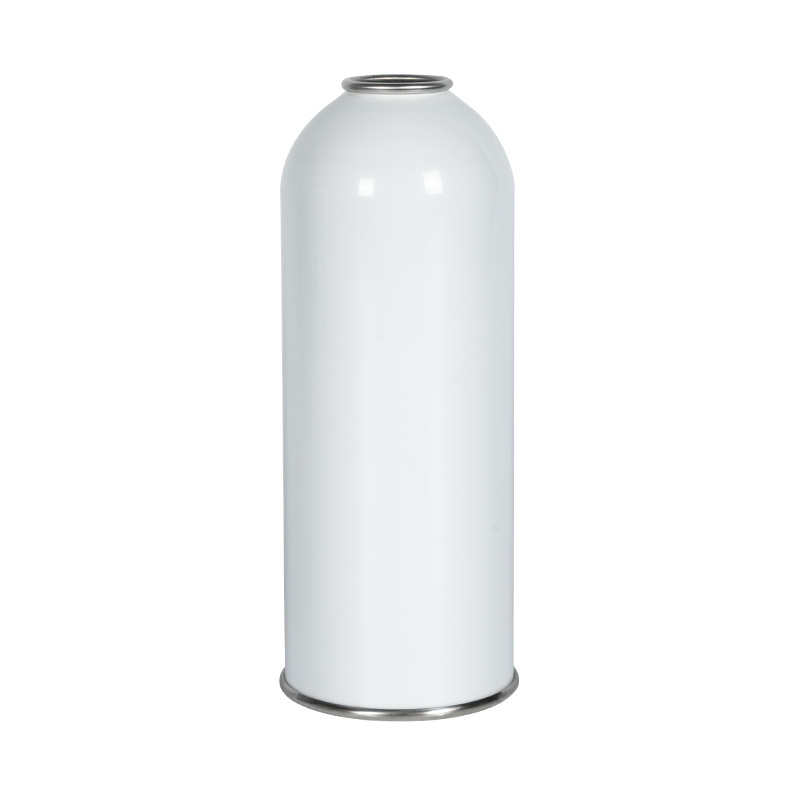
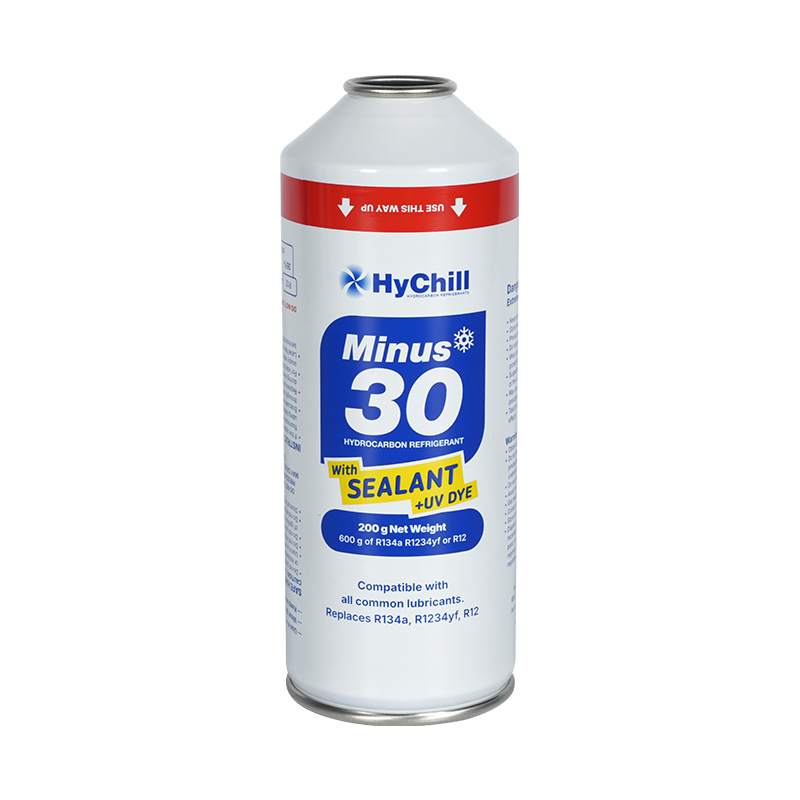
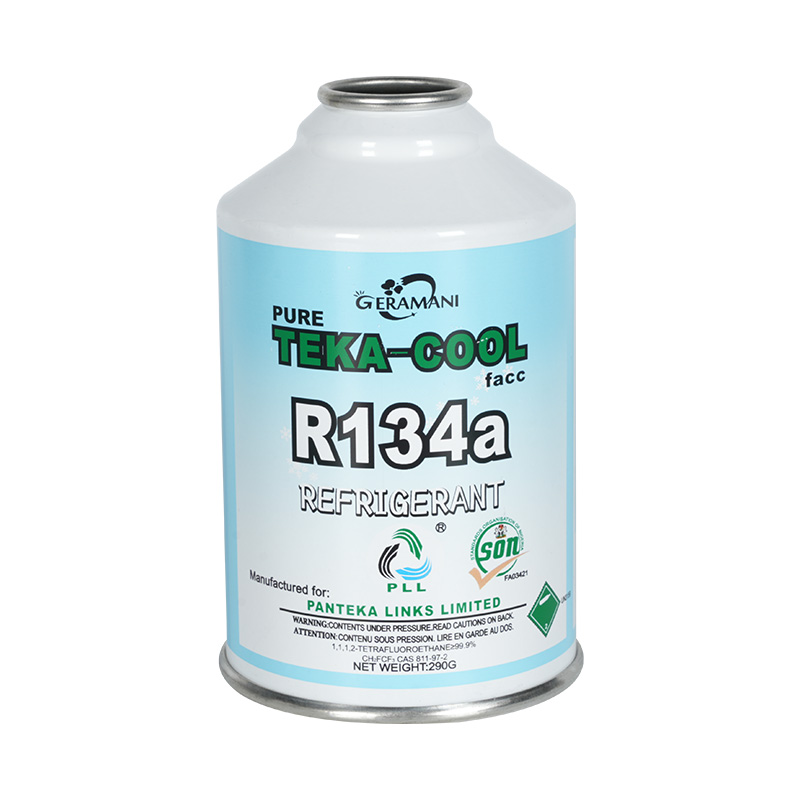
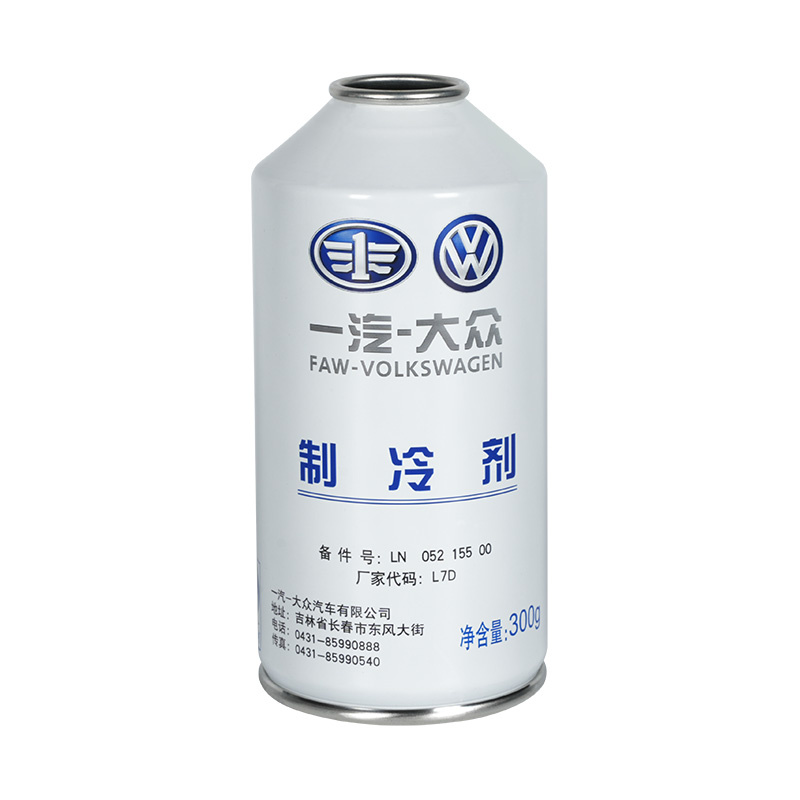
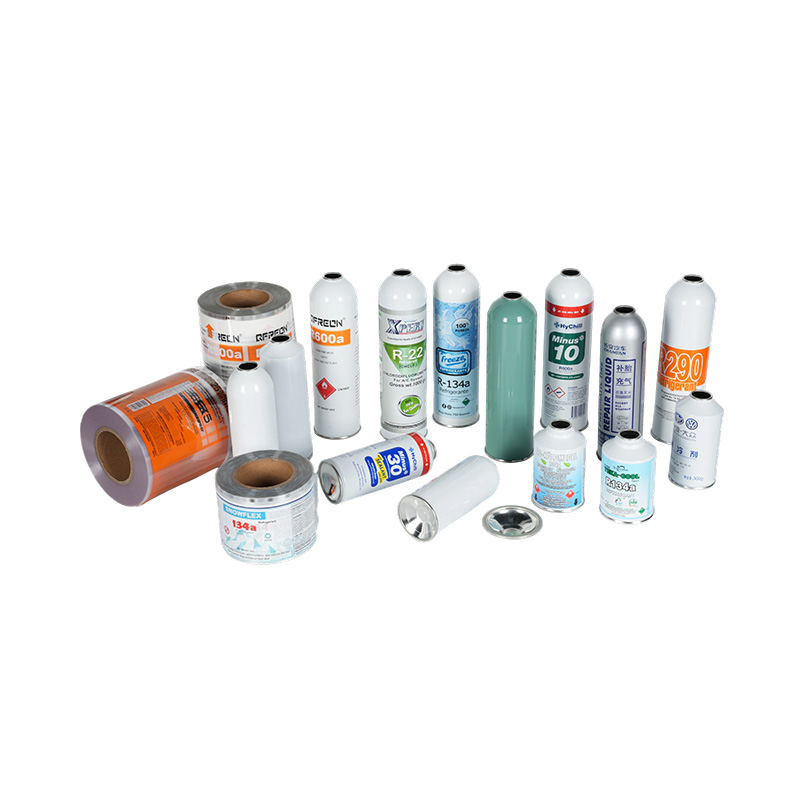
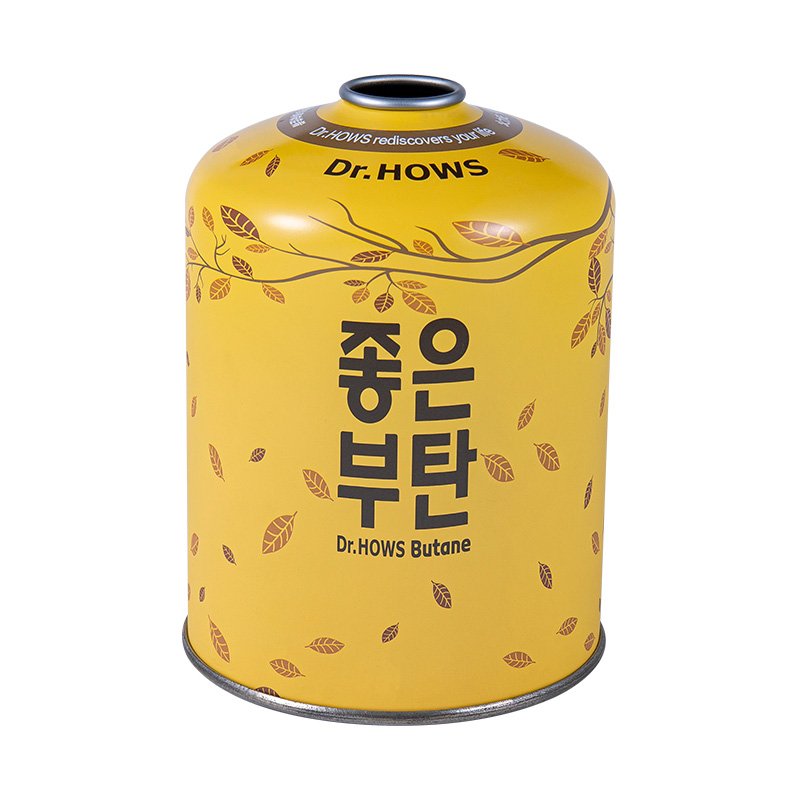
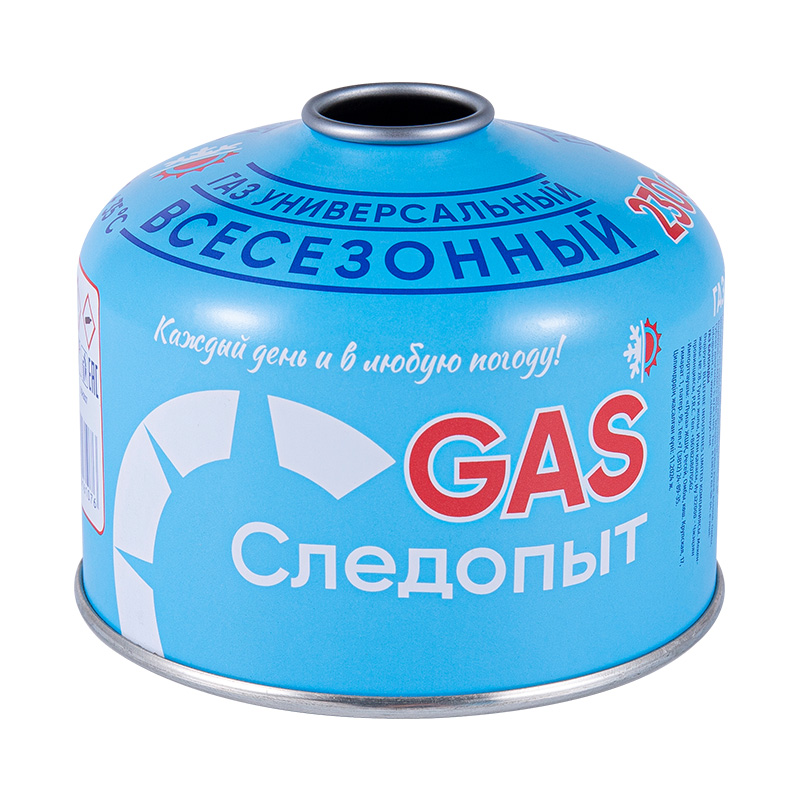
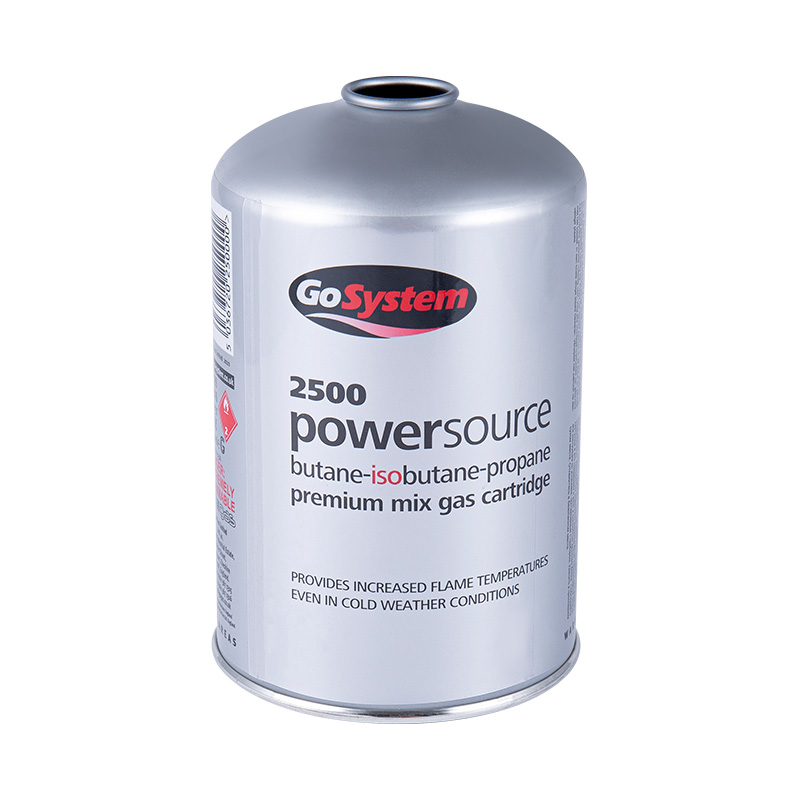
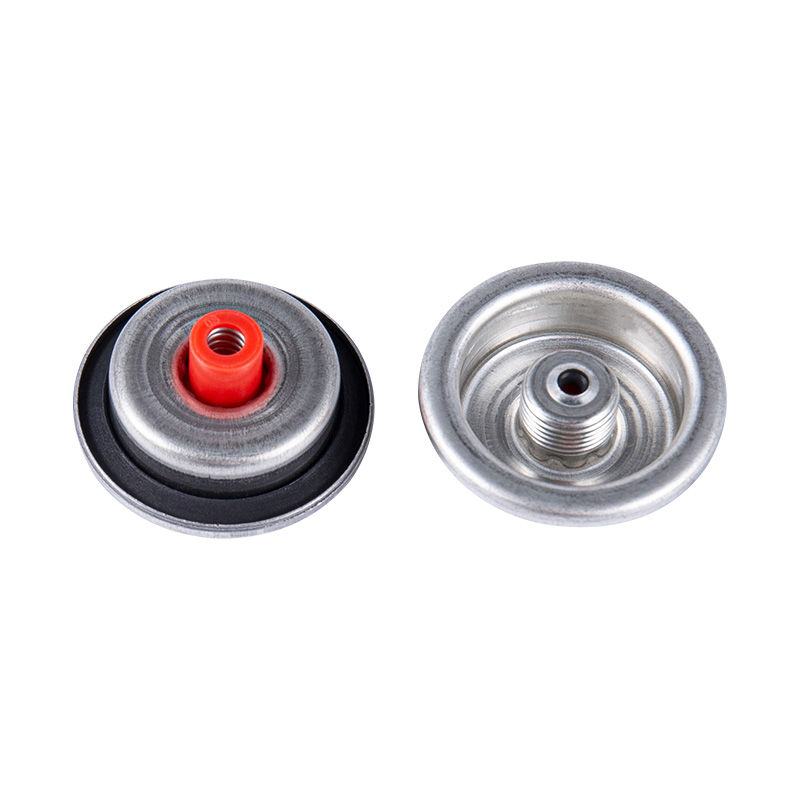
Industries that use pressurized containers benefit from working with an established two-piece aerosol can manufacturer because this helps ensure consistent performance along with meeting safety regulations. The two-piece design features a drawn metal body joined to a separate top which gets sealed creating a strong vessel able to contain various pressurized liquids without losing integrity over time. Such cans now play a key role in many fields ranging from everyday home use to specialized professional tasks by allowing precise and efficient dispensing of contents.
Storage and Environmental Guidelines
Safety with these containers hinges mostly on proper storage conditions.
Following these basic rules safeguards users and products particularly where large quantities are kept together.
Two-piece aerosol cans adapt well to many uses thanks to reliable pressure delivery and secure sealing that preserves product quality. They suit personal care items like deodorants hair sprays and shaving foams for fine mist control household cleaners lubricants and protective sprays for easy application automotive paints rust inhibitors and detailing fluids needing uniform coverage plus industrial lubricants adhesives and sanitizers dispensed accurately.
Spraying close to flames or hot surfaces invites fire. Over-shaking the can before use wastes propellant without improving mix. Overlooking label warnings about pressure or contents leads to unsafe handling. Improper disposal like tossing into fire crushing or failing to empty fully creates explosion risks during waste collection.
Raising awareness through clear instructions demonstrations and routine education on correct application storage plus disposal techniques helps prevent these problems and promotes safer practices overall.
Two-piece aerosol cans deliver clear advantages in durability and everyday use through their construction from metal materials that handle pressure well and resist punctures effectively. The seamless body formed in one piece cuts down on potential leak points compared to designs with multiple joined sections. Protective coatings applied inside and out help prevent corrosion so contents stay stable longer even when prone to reacting with metal.
Limit unnecessary release of propellants or volatile contents by using them carefully to cut air pollution. Compliance comes from meeting pressure rating standards plus required labeling and testing procedures. Following such practices raises user safety while reflecting real commitment to sustainability and overall responsibility.
Getting more reliable service from two-piece aerosol cans comes down to basic care that benefits everyone involved. Store them away from heat sources like appliances or direct sun to avoid pressure buildup. Look over each can for signs of damage such as dents rust spots or valve problems right before using it. Dispense in brief bursts instead of long continuous sprays to keep internal pressure from spiking unnecessarily. Keep different types separated during storage so incompatible chemicals do not interact and cause issues.
Blending careful handling with smooth operations lets businesses and individuals achieve better results without raising hazards. Group containers according to what they hold and how often they get used for quicker access. Provide regular training so people know the right ways to manage and apply products. Use visible labels and clear signs around storage zones to remind everyone of key details. Perform periodic checks on valves dispensers and overall condition to catch small problems early. When managed properly safety supports efficiency rather than hindering it leading to higher productivity and greater dependability overall.
Product delivery methods affect quality and customer satisfaction just as strongly as the manufacturing stage itself does. Effective stock management prevents items from lingering too long under unsuitable storage before dispatch. Manufacturers paying close attention to these distribution details ensure customers end up with dependable pressurized cans in top condition.
Pressurized aerosol containers demand careful handling. Improper use damages the environment and violates key regulations. Empty cans should go into local approved recycling programs. Industry standards require adherence to pressure ratings along with clear labeling and required safety testing for full compliance. Companies following these steps improve user protection and show genuine dedication to sustainability plus broader responsibility.
| Sector | Primary Applications | Key Safety Tips |
|---|---|---|
| Automotive | Paint, protective coatings | Wear protective gloves, avoid heat exposure |
| Industrial | Adhesives, disinfectants | Ensure proper disposal, train staff in handling |
| Arts & Crafts | Paints, varnishes | Test on small areas first, use short spray bursts |
Bluefire puts real focus on supplying solid high-quality cans sharing practical advice on best ways to store and apply them and making sure every container passes strict checks for safety plus consistent performance so customers can count on a dependable outcome every time.


+86-18238070562

+86-579-85791578


No.28, Tongyi Road, Yiting town, Yiwu 322000 - Zhejiang Province, P.R.C.
Copyright © Bluefire Industries Limited All Rights Reserved. Two-Piece Aerosol Can


 English
 عربى
عربى Español