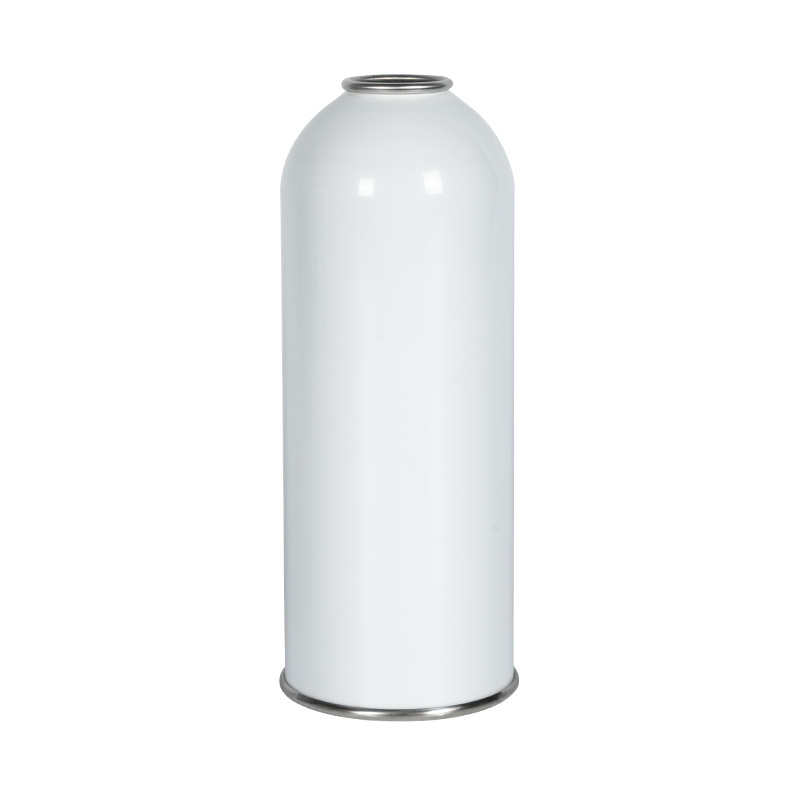
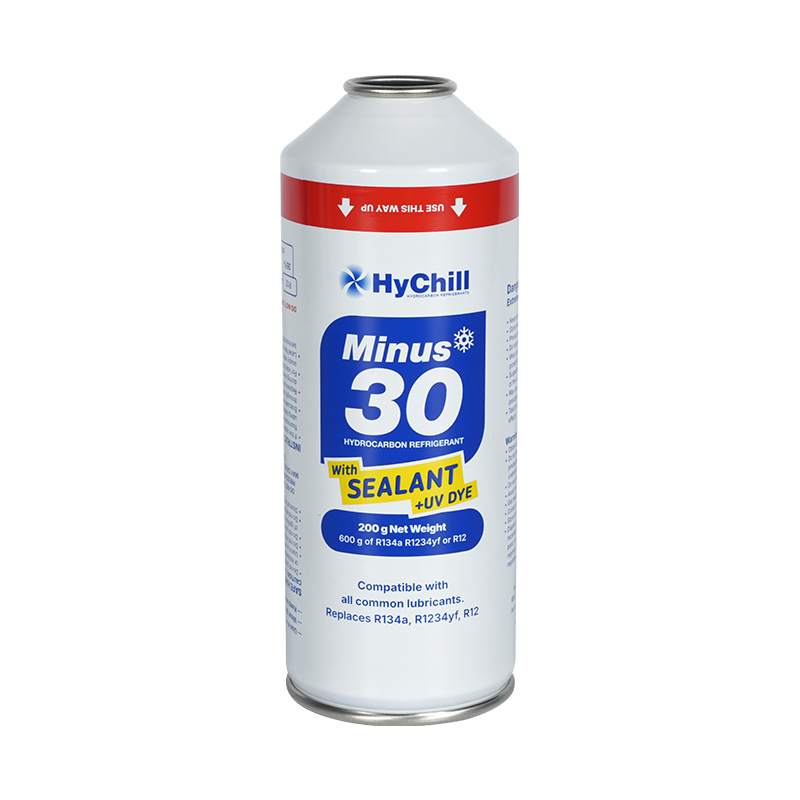
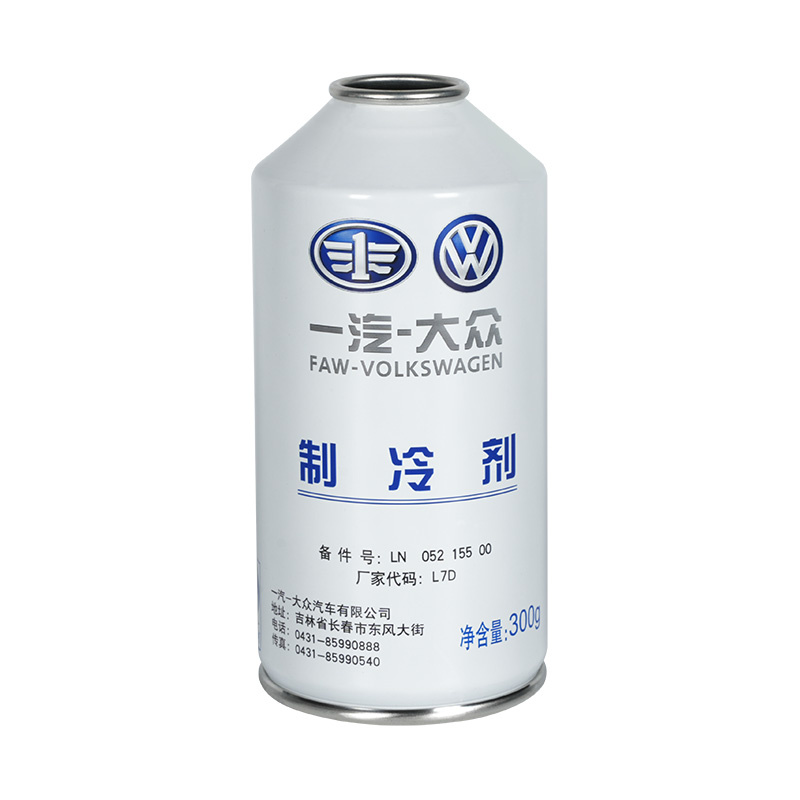
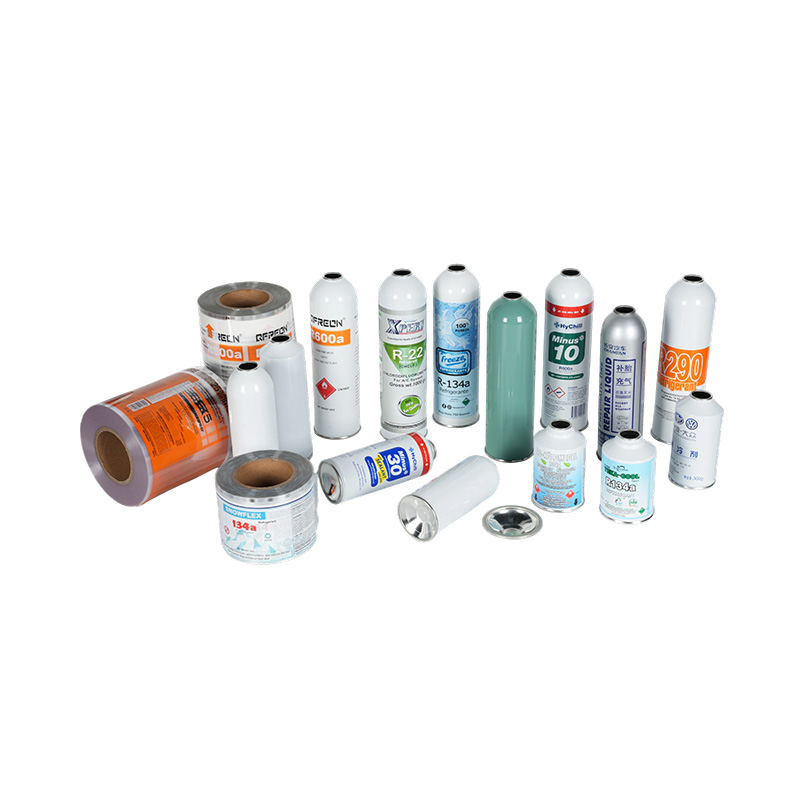
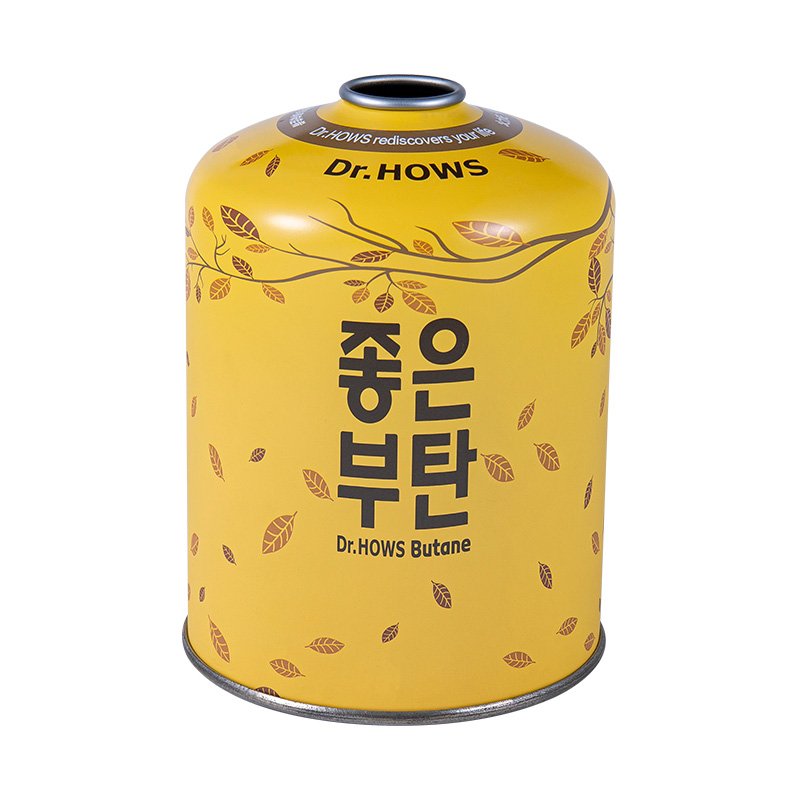
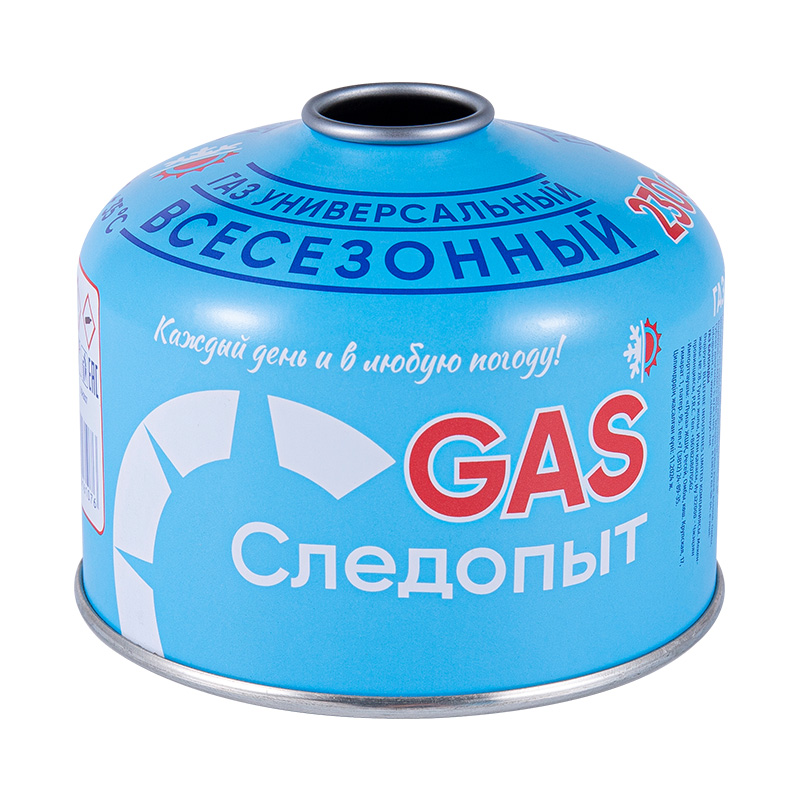
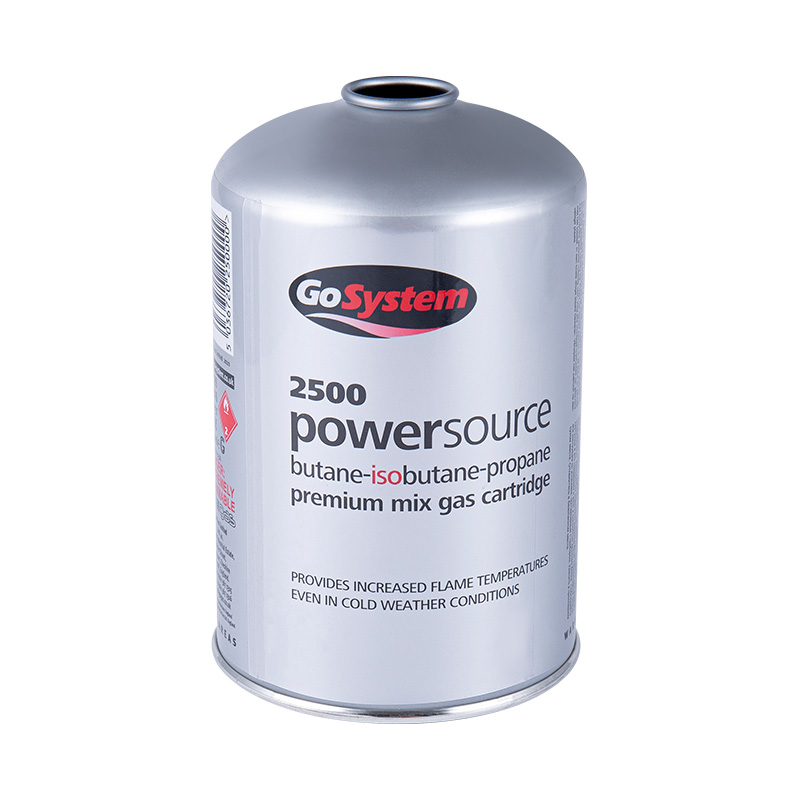
Filling a Refrigerant Gas Can with a single-component refrigerant is one thing; getting a blend involved, and you've got a whole different problem on your hands. Mixed refrigerants — including newer low-GWP options like R-454B and various HFO-based formulations — tend to fractionate over time. The lighter components bleed off first during use, nudging the blend away from spec. Throw in shipping temperatures that jump around, and shelf life becomes a genuine headache.
Recent formulation work has produced some concrete results:
Inverter-driven compressors, variable refrigerant flow systems, and magnetic bearing chillers have changed what "acceptable" contamination looks like. Tighter tolerances mean contamination levels that older systems tolerated without issue can genuinely hurt performance here.
The table below gives a clearer picture of where purity requirements currently stand for general-use versus high-efficiency system applications:
| Purity Parameter | General-Use Standard | High-Efficiency System Requirement |
| Moisture Content | ≤ 10 ppm | ≤ 5 ppm |
| Non-Condensable Gases | ≤ 1.5% by volume | ≤ 0.5% by volume |
| Acidity (as HCl) | ≤ 1 ppm | ≤ 0.1 ppm |
| High-Boiling Residue | ≤ 100 ppm | ≤ 50 ppm |
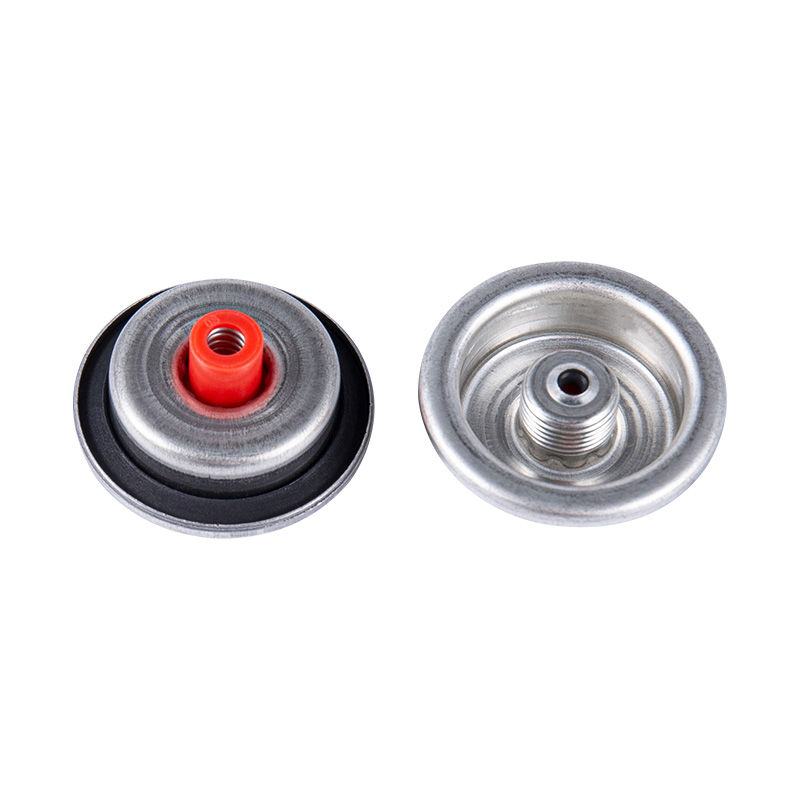
To meet these demands, refrigerant gas can producers have moved toward automated moisture analysis during filling, inert gas purging of the can body before fill, and EN417-compliant valve assemblies that are tested for airtightness and pressure performance before leaving the production line.
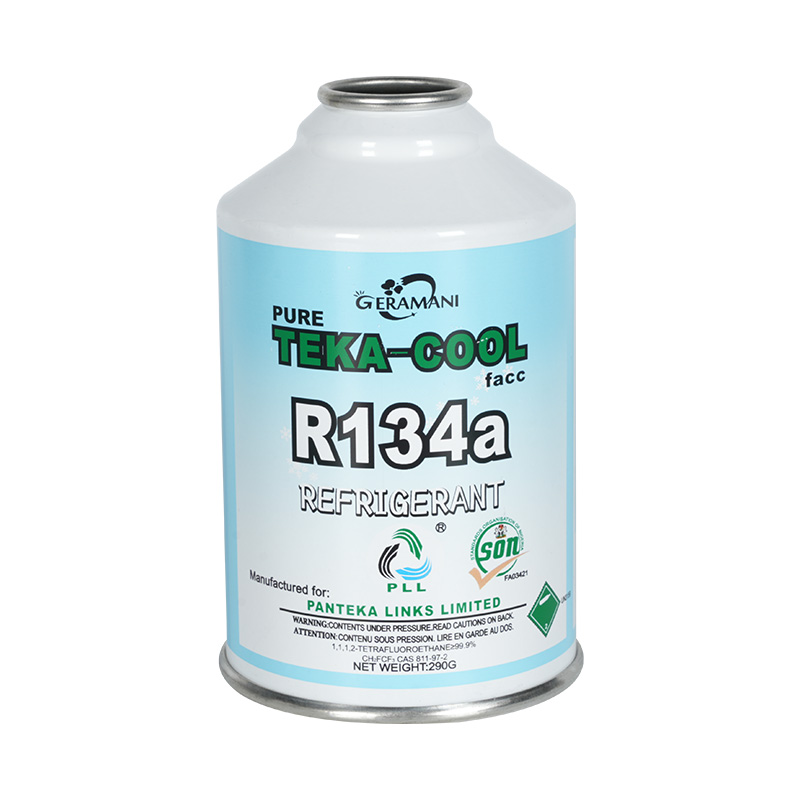
Corrosion inside a refrigerant gas can is a slow problem that tends to show up late. Iron ions migrating from an unprotected steel surface into the refrigerant generate acids over time, contributing to the contamination issues described above.
Nano-coatings take a different approach. Unlike conventional linings that depend on thickness, nano-coatings — typically 20 to 200 nanometers thin — hold through molecular-level adhesion to the metal itself. Nano-ceramic and nano-silica hybrid versions cover tinplate more evenly, so there is less risk of the coating lifting when the can expands and contracts through temperature changes in storage.
The practical benefits show up across several areas:


+86-18238070562

+86-579-85791578


No.28, Tongyi Road, Yiting town, Yiwu 322000 - Zhejiang Province, P.R.C.
Copyright © Bluefire Industries Limited All Rights Reserved. Two-Piece Aerosol Can


 English
 عربى
عربى Español