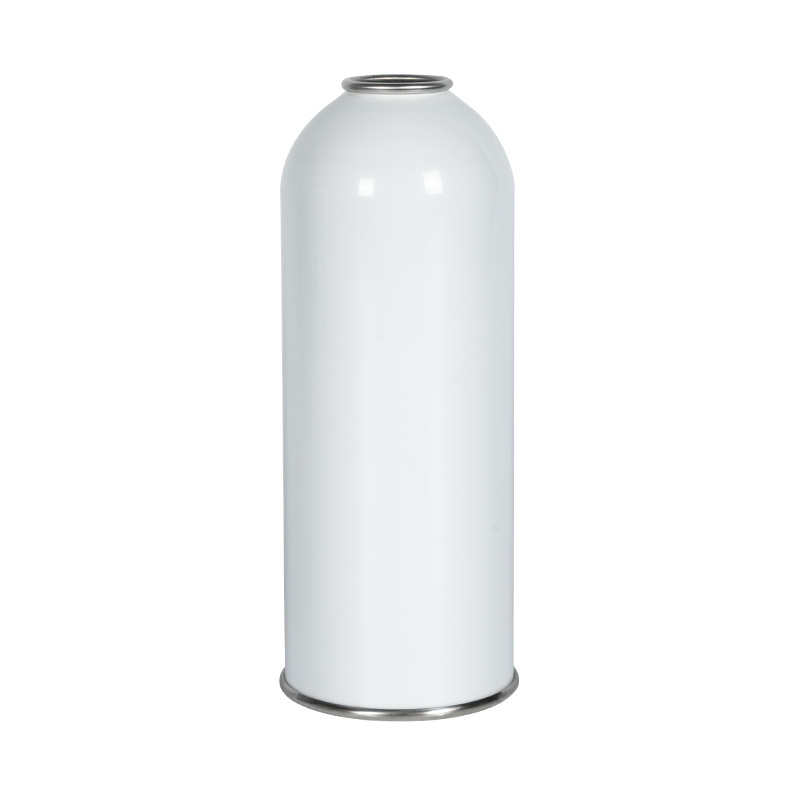
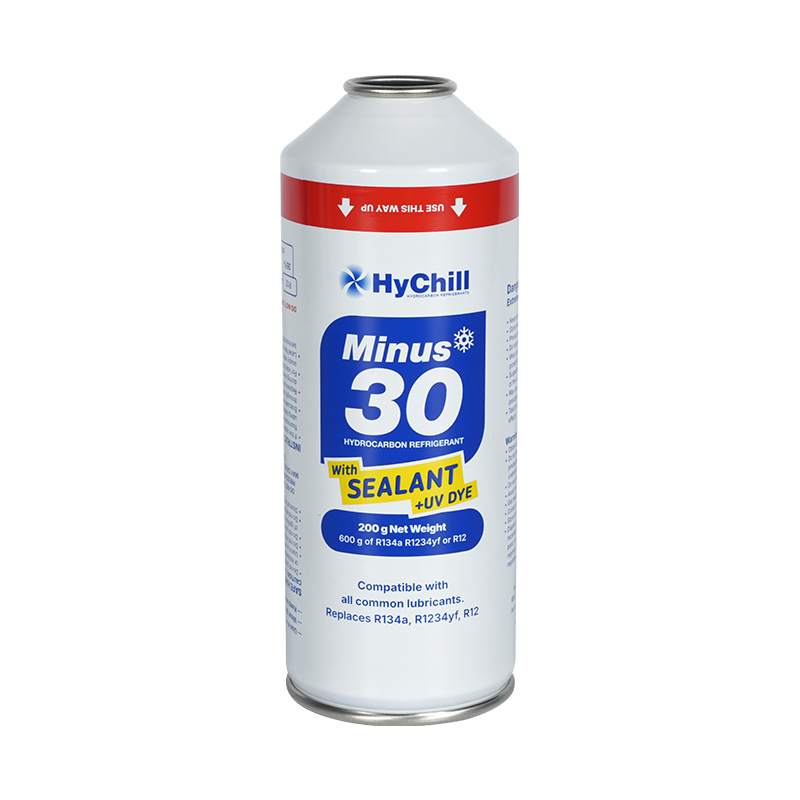
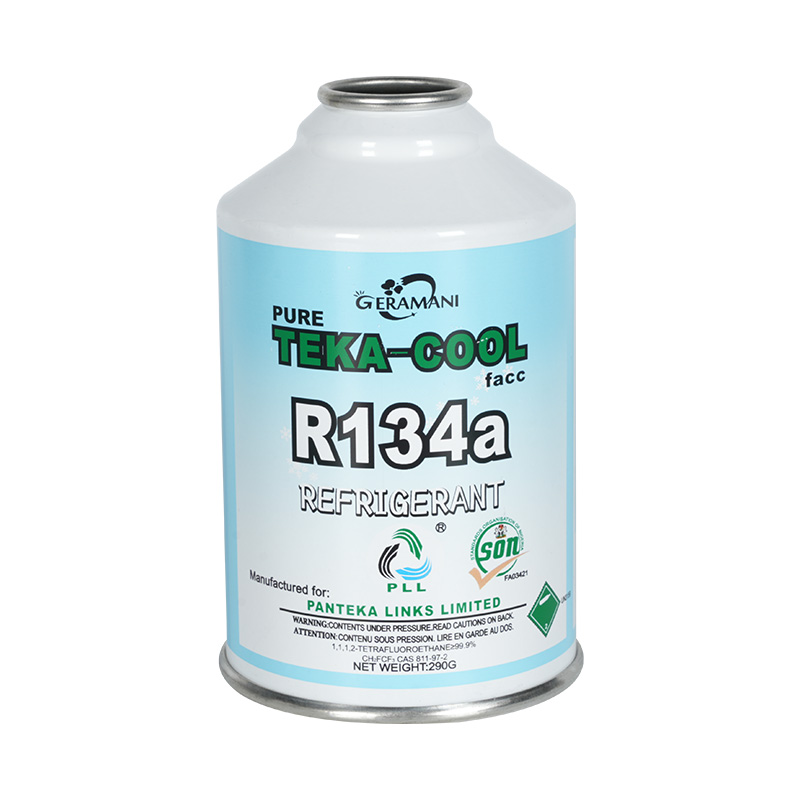
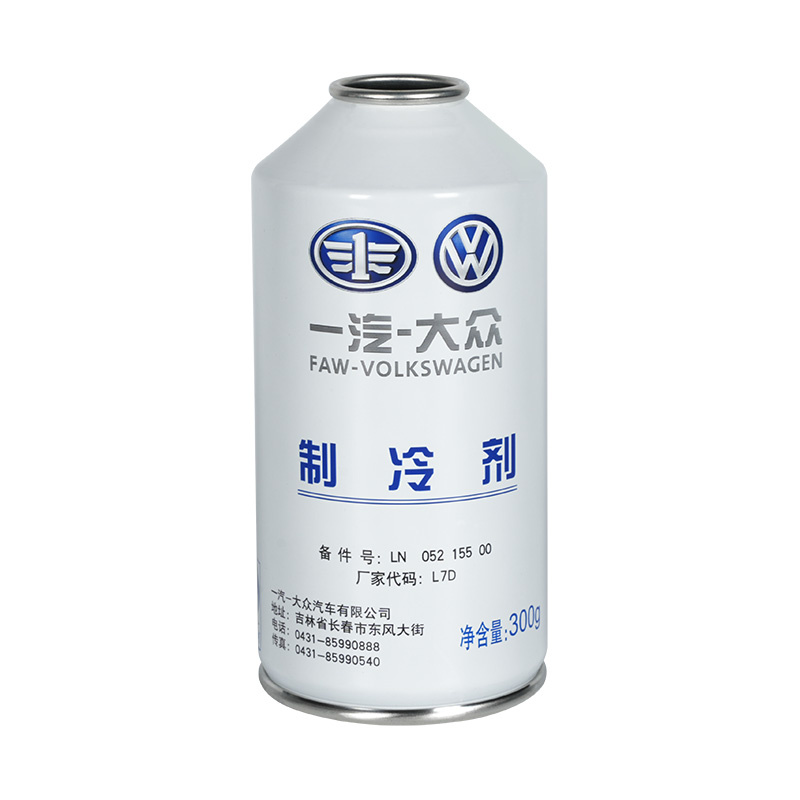
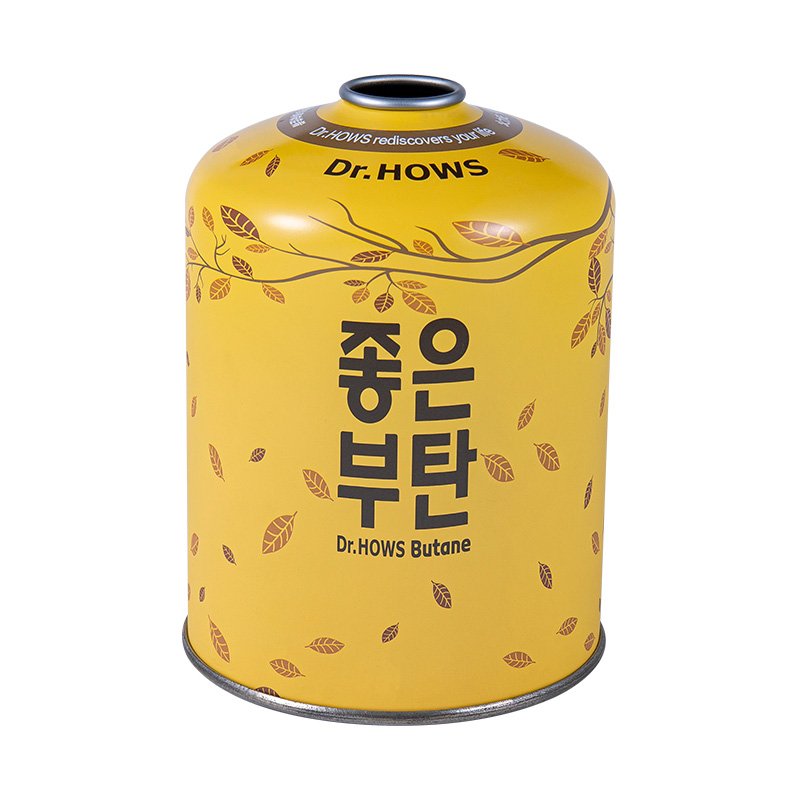
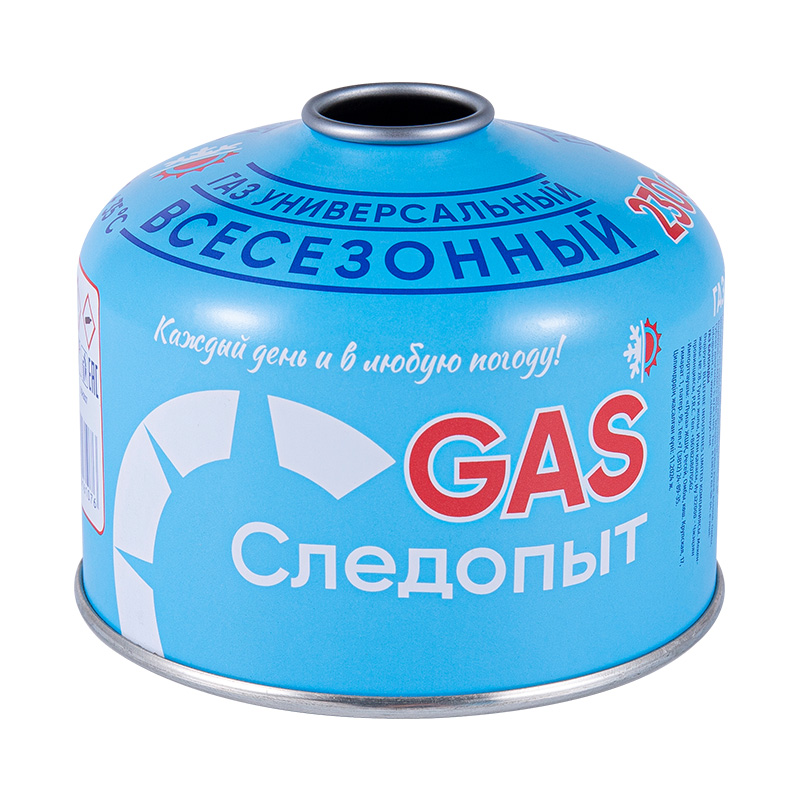
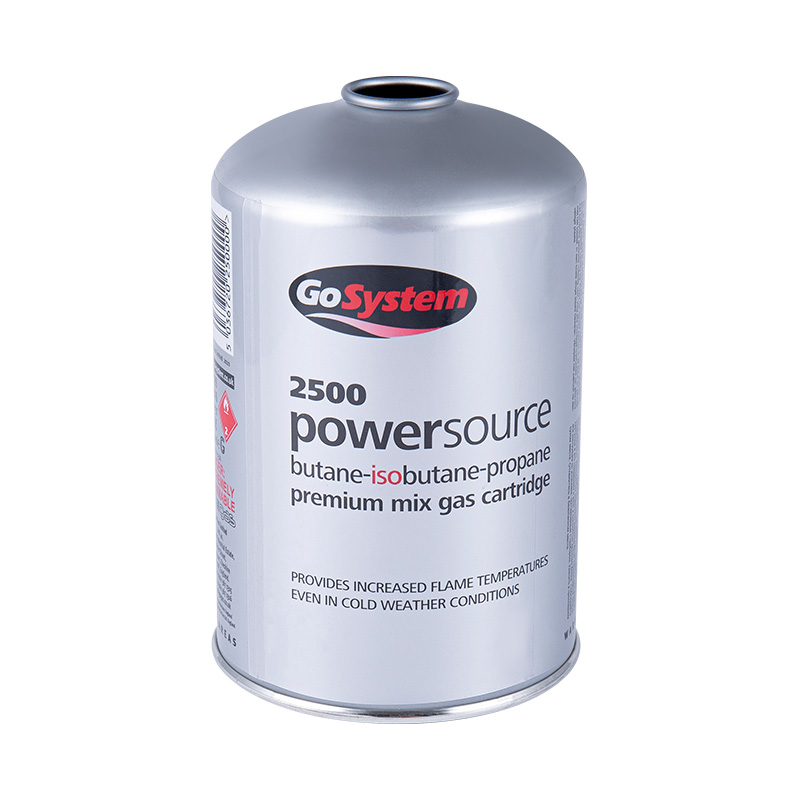
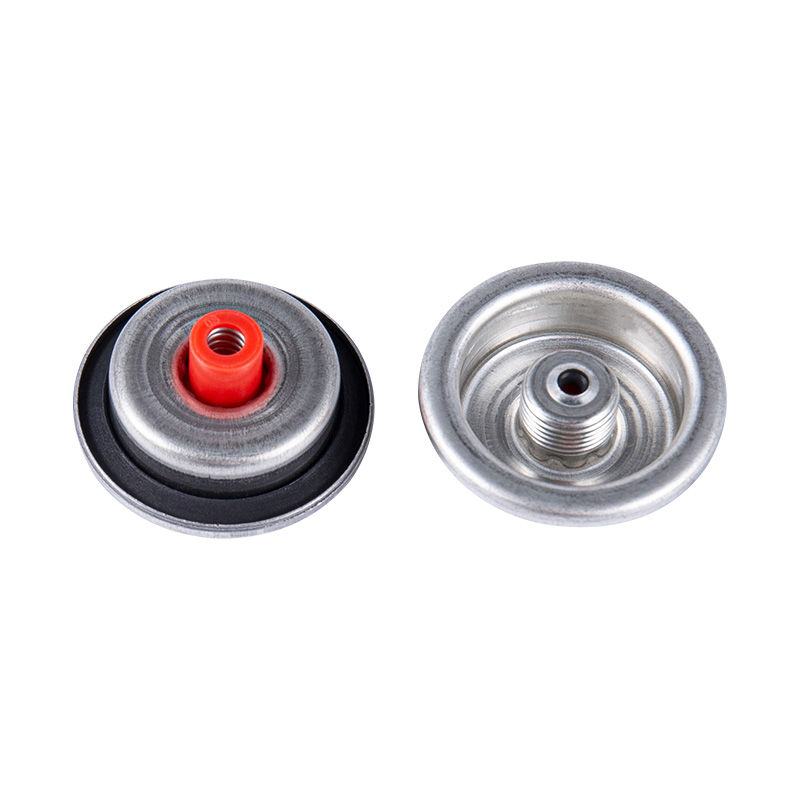
Gas separation processes play a role in preparing the fuel mixtures used inside Camping Gas Cartridge units. Pressure swing adsorption and membrane filtration enable producers to isolate propane and butane components at reduced levels of impurities. The process removes trace moisture, sulfur compounds and other non-combustible elements remaining in standard gas blends.
The result is fuel that supports steadier flame output during operation. Campers often note fewer issues with burner clogging or uneven heat distribution after switching to cartridges refined through these methods. In manufacturing settings, the separation equipment integrates into filling lines, where gas flows through controlled chambers before reaching the cartridge valve. This approach maintains batch-to-batch uniformity without altering the base energy content of the fuel.
This technology offers the following advantages and solves these issues:
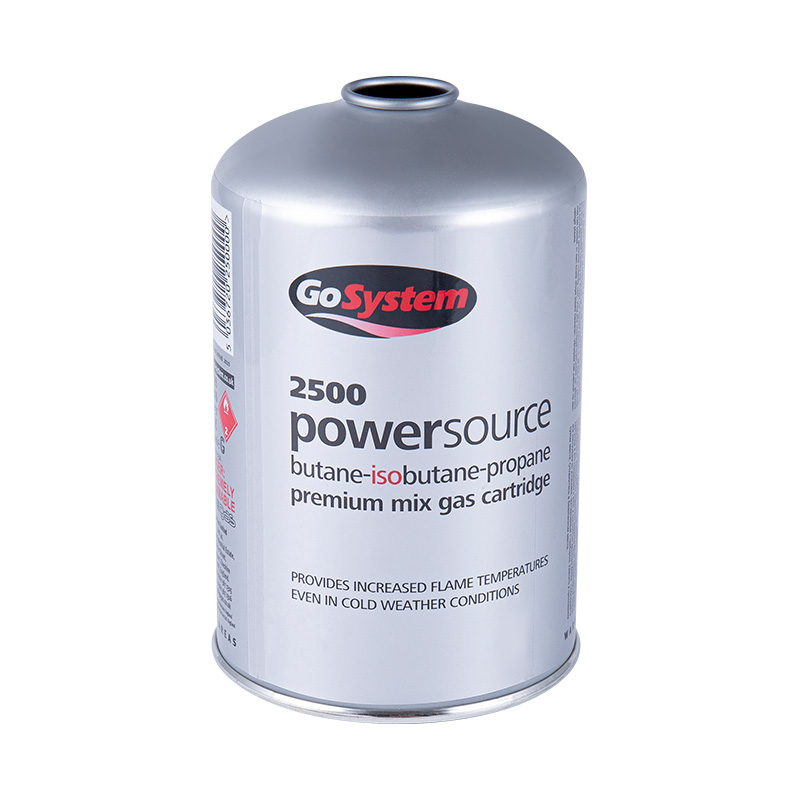
Transportation of Camping Gas Cartridge products involves exposure to changes in temperature, altitude, and mechanical stress. A newer structural approach uses updated wall thickness patterns and seam placement to manage internal pressure variations more evenly. Design incorporates gradual curvature adjustments in canister body, helping distribute force during stacking or movement in shipping containers.
Testing protocols in production facilities now include simulated transport cycles that measure valve integrity and seal performance under repeated pressure shifts. The updated structure maintains standard weight limits while adding support in high-stress zones near the base and shoulder areas.
Cartridges built with the new design travel through standard supply chains with fewer reported handling incidents. For end users, the change means the Camping Gas Cartridge arrives ready for use after normal shipping, with the outer casing showing less risk of denting that could affect valve alignment. The design aligns with international transport guidelines for pressurized containers while keeping the familiar compact shape that fits into backpacking gear.
Welding remains a central step in forming metal body of each Camping Gas Cartridge. Automated welding stations guided under robotic arms and vision sensors now handle a growing share of seam creation on cylindrical shells. The equipment follows programmed paths to join the top, bottom, and side components with steady heat application and filler material flow.
This expansion of automated lines allows factories to maintain tight tolerances on weld depth and width across thousands of units per shift. Operators monitor the process through control screens that flag any deviation in real time, supporting consistent joint strength. Production volumes increase to meet seasonal outdoor demand. Automated systems reduce manual repositioning of parts and lower overall cycle times.
Manufacturers have extended the technology to different cartridge diameters and material grades, including steel and aluminum variants. The shift also supports integration with downstream steps such as pressure testing and valve insertion. The continued rollout of these systems appears across multiple facilities, reflecting a steady move toward higher process control in Camping Gas Cartridge assembly.


+86-18238070562

+86-579-85791578


No.28, Tongyi Road, Yiting town, Yiwu 322000 - Zhejiang Province, P.R.C.
Copyright © Bluefire Industries Limited All Rights Reserved. Two-Piece Aerosol Can


 English
 عربى
عربى Español