The push to reduce emissions from butane gas cartridges isn't just about optics. In markets across Europe and parts of East Asia, regulatory limits on carbon monoxide and unburned hydrocarbon output have become concrete compliance targets — and cartridge makers are responding with changes at the combustion design level.
One approach gaining traction is the use of catalytic mesh elements in burner heads. By promoting more complete oxidation at the flame zone, these components reduce CO output without requiring major changes to the cartridge itself. At the same time, some manufacturers have been adjusting their gas blend formulations — specifically the isobutane ratio — to improve vaporization in colder conditions, which indirectly cuts emissions from incomplete burns.
Valve orifice geometry is another area getting attention. Poorly tuned orifice shapes create turbulent flame structures, which tend to produce more byproducts. Refined designs produce a steadier burn profile.
For buyers using butane stoves in tents, camper vans, or other enclosed spaces, this matters beyond regulatory compliance. Lower CO output in a confined area is a direct safety concern. That pressure from end users — not just regulators — is likely what's keeping emission reduction near the top of the development agenda.
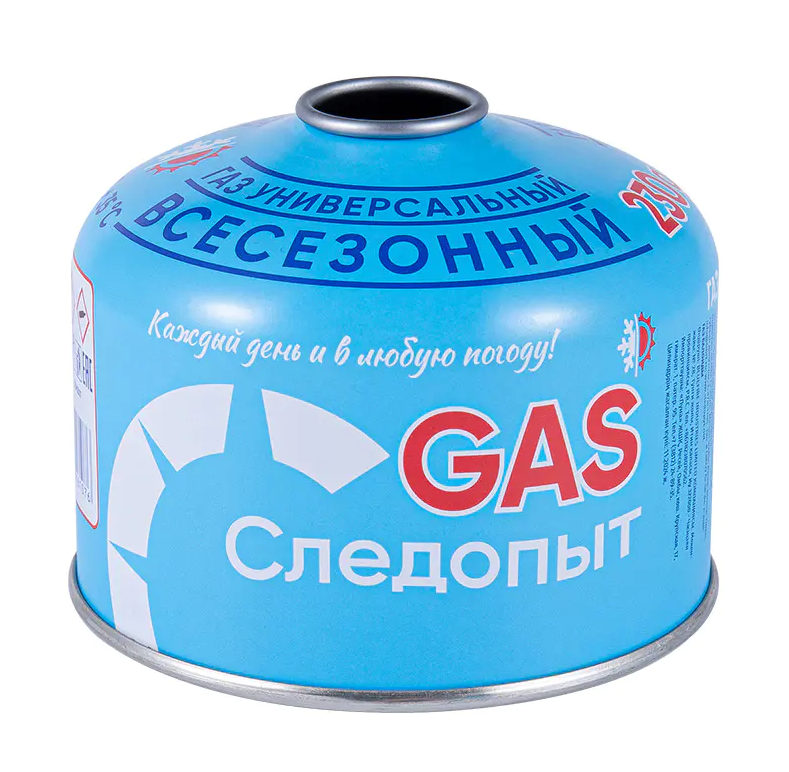
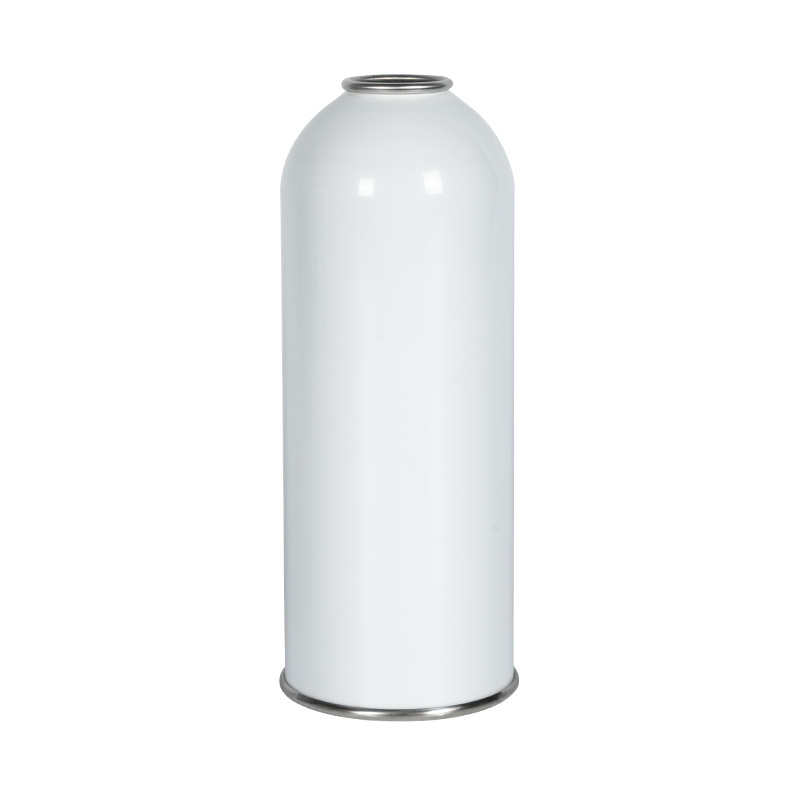
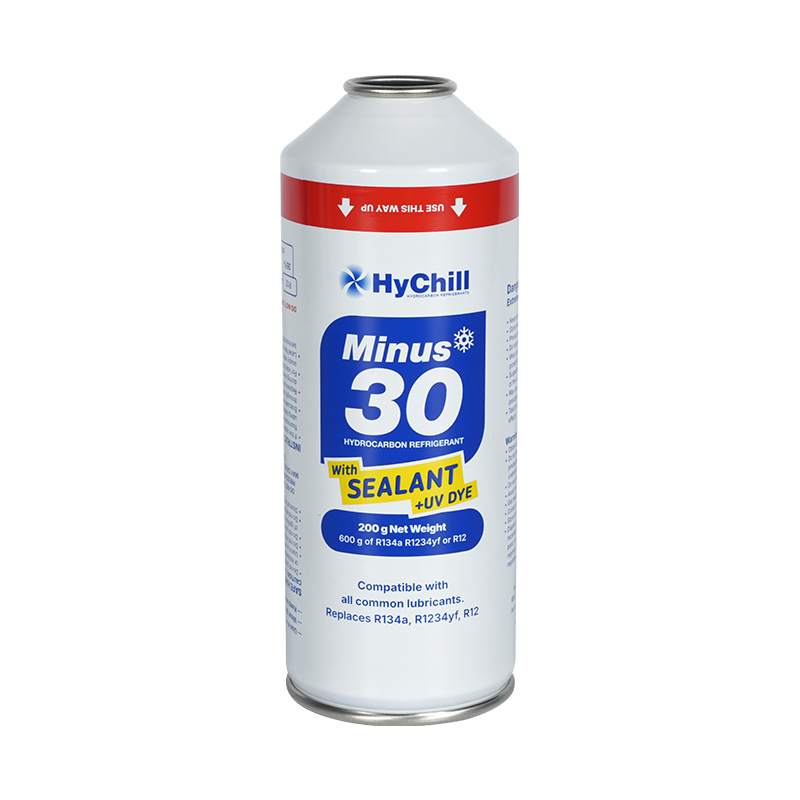
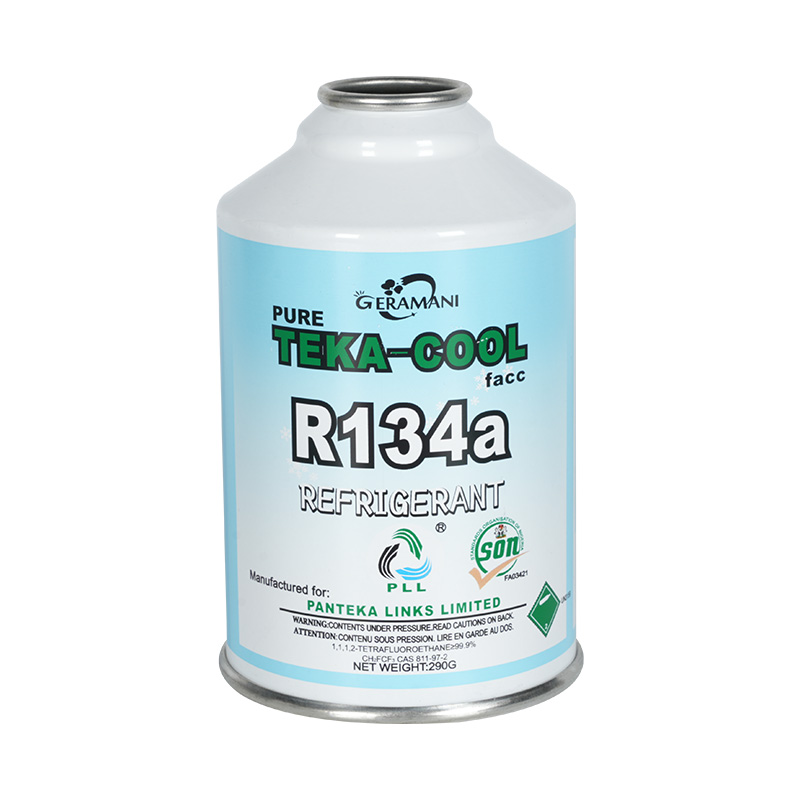
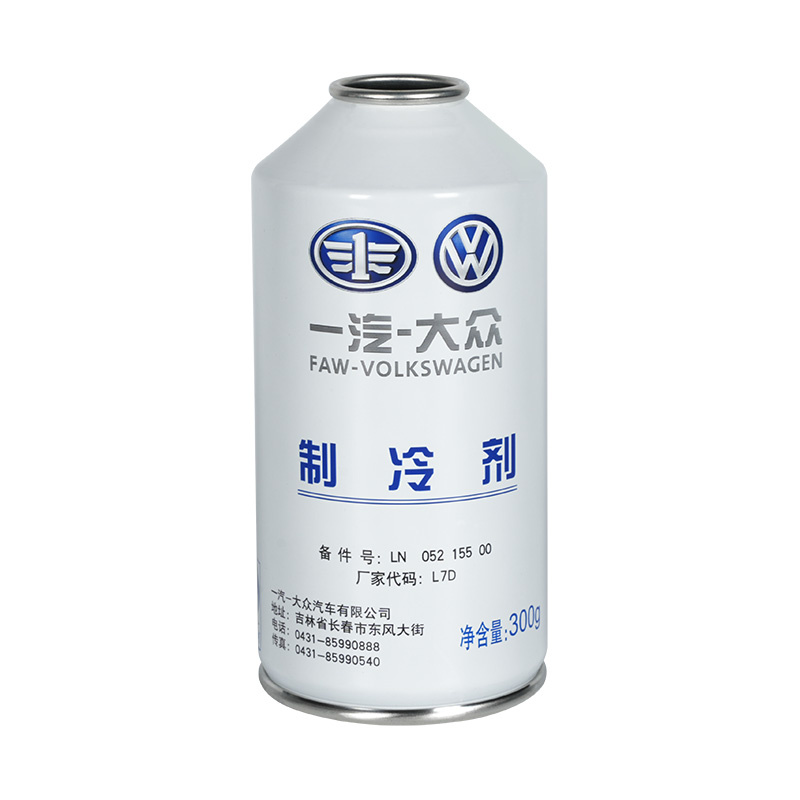
Most people don't think about the metal casing on a butane gas cartridge until something goes wrong. A cartridge that deforms slightly, threads unevenly, or fails a pressure test is a headache for retailers and a potential hazard for users. That's where precision stamping improvements have made a real difference.
Older stamping processes left room for variation in wall thickness — sometimes as much as ±0.08 mm across a batch. That might sound minor, but stress concentrations at thin spots are one of the more common causes of structural failure under pressure cycling. CNC-guided progressive stamping lines have brought that tolerance down considerably, producing casings that are notably more uniform from unit to unit.
Cartridge quality metrics: standard vs. precision stamping processes
| Parameter | Standard Stamping | Precision Stamping |
| Wall Thickness Tolerance | ±0.03 mm | ±0.01 mm |
| Burst Pressure Range | 1.2 – 1.6 MPa | 1.8 – 2.2 MPa |
| Leak Rate (per 10,000 units) | 3 – 5 units | 1 – 2 units |
| Surface Defect Rate | 0.5% | 0.2% |
The tighter burst pressure range matters specifically for certification. Standards like EN 417 and U.S. DOT regulations require cartridges to stay within defined pressure thresholds — a wider distribution means more units falling outside acceptable limits during testing. Shrinking that range reduces scrap rates and simplifies compliance documentation.
There's also a more mundane benefit. Cartridges with well-formed threads and consistent body geometry simply connect better to stove fittings. Users who've dealt with a cartridge that seats crookedly or won't seal cleanly will recognize the value here. It's a quality-of-life improvement that rarely gets mentioned in spec sheets but shows up reliably in product reviews.
Here's a quirk of conventional butane gas cartridge design: output pressure is largely uncontrolled. Cooling cartridges lose vapor pressure quickly. A stove performing well on a warm afternoon can sputter and fade on a cold, high-altitude morning.
Thermally compensating valve inserts address this directly. Using bimetal strips or shape-memory alloy elements, these valves adjust the effective orifice opening in response to temperature changes, keeping output pressure within a narrower operating range regardless of external conditions. The result is more consistent flame behavior from a full butane gas cartridge to one that's nearly spent.
Practical benefits reported with pressure-compensating valve designs:


+86-18238070562

+86-579-85791578


No.28, Tongyi Road, Yiting town, Yiwu 322000 - Zhejiang Province, P.R.C.
Copyright © Bluefire Industries Limited All Rights Reserved. Two-Piece Aerosol Can


 English
 عربى
عربى Español