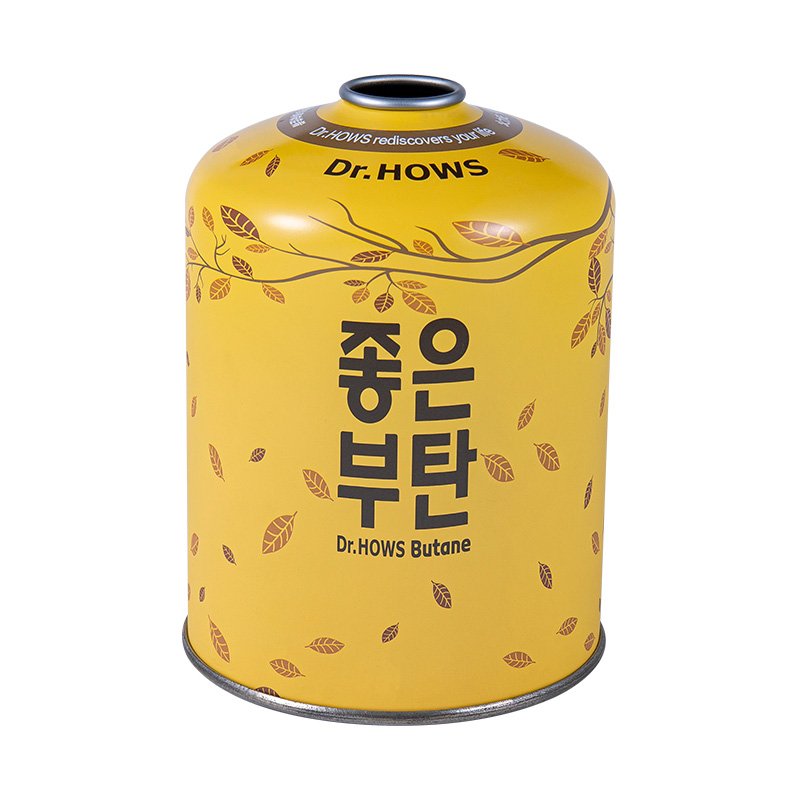
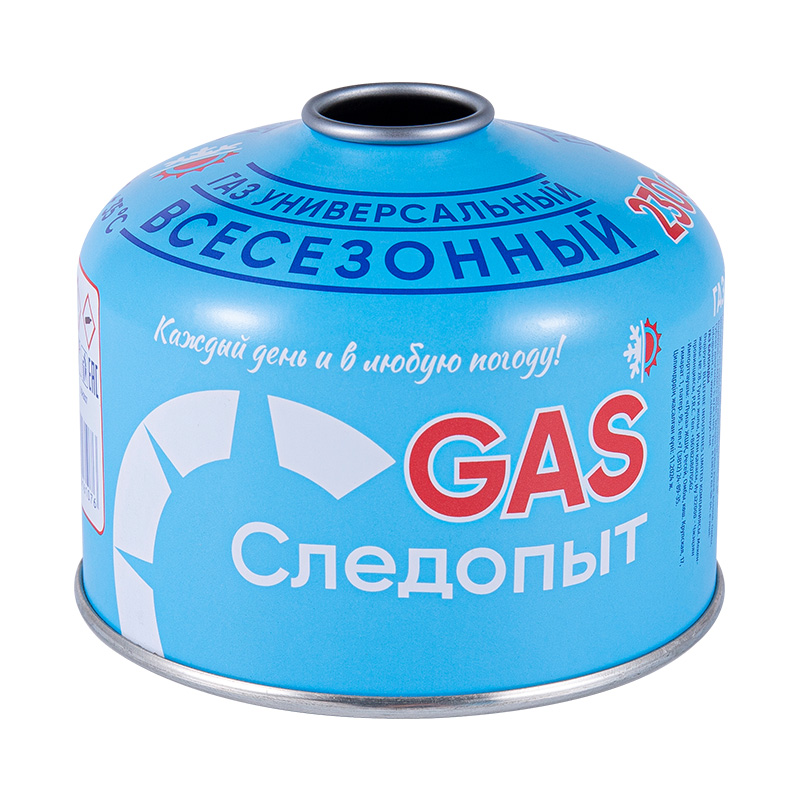
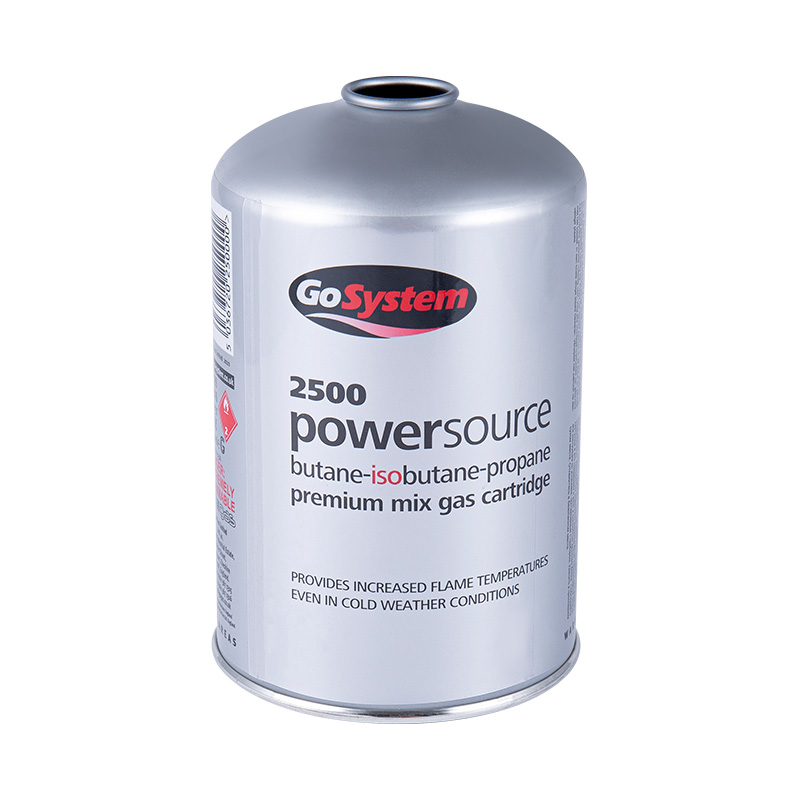
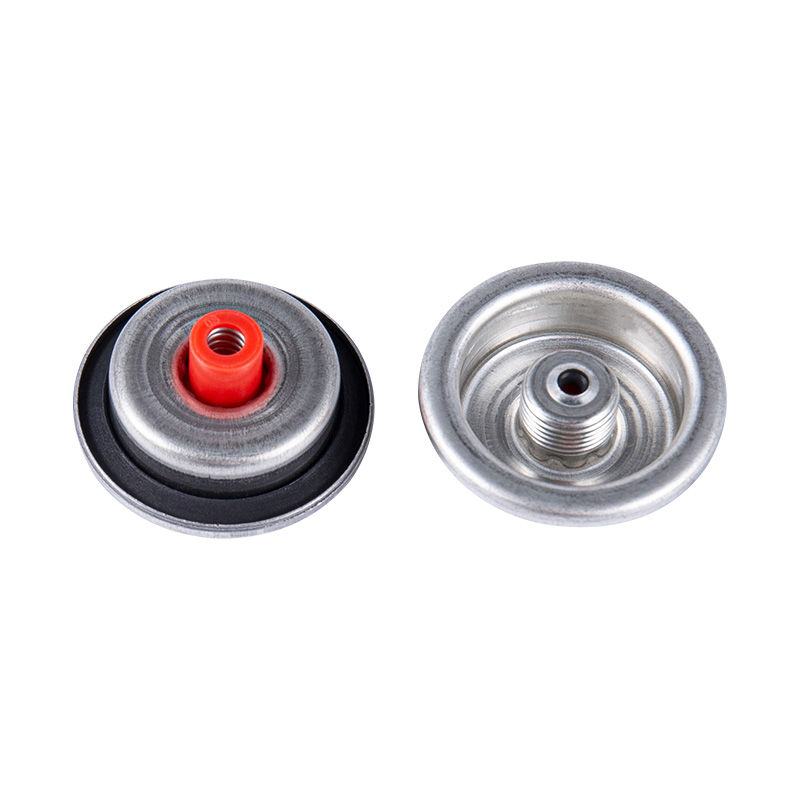
Most folks don’t give a second thought to the tiny valve on the top of those camping gas cans. But that small piece of metal—following something called the EN417 Valve standard—is the reason so many of us can cook dinner on a mountain ridge or heat coffee at a chilly campsite without much fuss.
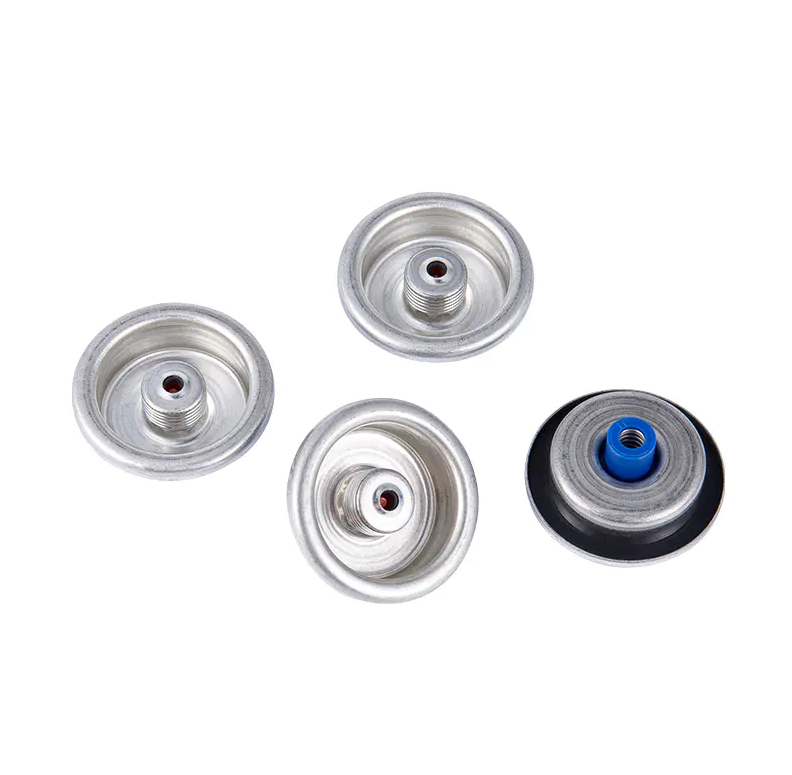
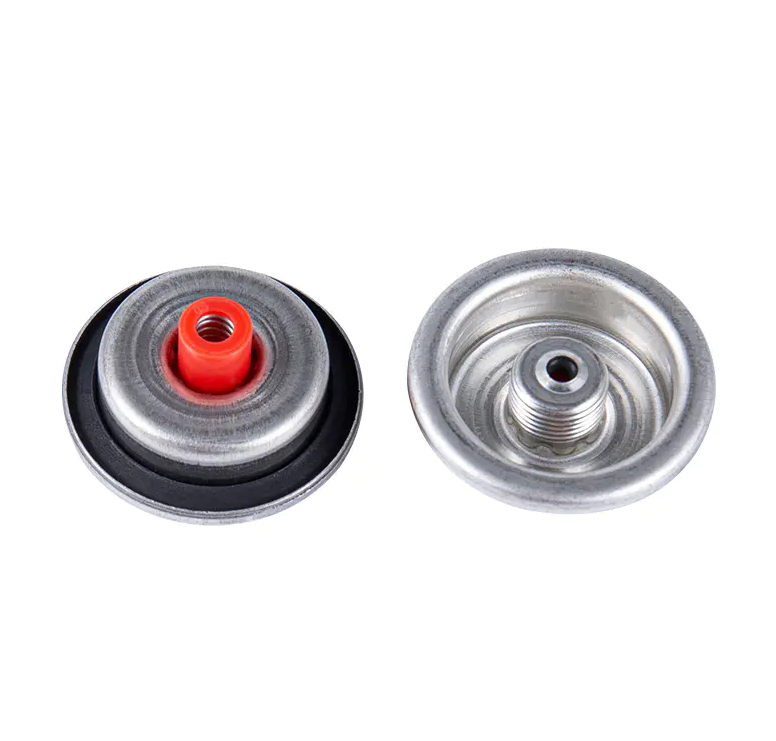
EN417 is basically Europe’s rulebook for the valves on disposable butane/propane cartridges. The standard makes sure the valve is threaded the same way almost everywhere (the so-called Lindal style), can handle the pressure without leaking, and connects cleanly to stoves, lanterns, and heaters.
Picture this: you already have a stack of those tall propane bottles from your backyard grill. Your ultralight stove, though, is built for the little threaded cartridges. Screw on a $10–15 adapter, and suddenly the big bottle feeds your PocketRocket or Soto WindMaster just fine. Thru-hikers and van-lifers go crazy for this because they can buy one fuel type in bulk and stop hunting for random canister sizes in every trail town.
It’s not flawless—propane gets cranky in freezing weather and the whole setup is a little heavier—but for spring, summer, and fall it saves real money and simplifies packing.
The Refill Hack That Actually Saves Cash
The thing people get most excited about these days is refilling instead of tossing cans.
Here’s the typical story: you grab a cheap nozzle-style butane canister (the kind with the spray button on top), cook a few meals over a weekend, and now there’s 50–70 grams left. Most people just recycle it half full because there’s no obvious way to use the rest.
Enter the refill adapter—a small brass piece that costs about $15. It lets you move the leftover gas into an empty threaded EN417 canister. The steps are pretty straightforward once you’ve done it a couple times:
Do it carefully outside, check for leaks with soapy water, and don’t overfill. When it works well you can often squeeze two or three extra meals out of every “throwaway” can. For someone who gets out 10–20 weekends a year, that usually adds up to $50–120 saved over a season. Not life-changing money, but it’s noticeable, especially when canister prices keep climbing.
Folks who make solid EN417 cans (Bluefire gets brought up a lot in these conversations for having reliable, consistent valves) tend to hold pressure better during transfers, so you waste less gas to tiny leaks.
Quick Side-by-Side of the Main Options People Actually Use
A lot of weekend campers and shorter-distance hikers bounce between the middle two depending on how long they’ll be out and what the weather’s doing.
It’s Not Just Hardcore Backpacking Anymore
The EN417 valve shows up in plenty of other places too. Portable patio heaters for chilly evenings, small job-site heaters, even some emergency cooking kits people stash in apartments or cars. Basically any time you want compact liquefied gas that’s reasonably safe and doesn’t require a giant refillable cylinder, this little standard is usually involved.
It’s funny how something so unglamorous can have such a big practical effect. The valve itself hasn’t changed much in decades, but the way regular people are using it—refilling, adapting, stretching every gram of fuel—has shifted a lot in just the last few years. More camping, higher fuel prices, and a growing dislike for single-use waste have all pushed it into the spotlight.
Next time you twist a canister onto your stove or hear that little click as it seats, you’re using a piece of old-school European engineering that’s quietly helping a lot of us camp cheaper, lighter, and with a smaller pile of empty cans at the end of the season. That’s the EN417 valve, doing its everyday job without ever asking for credit.


+86-18238070562

+86-579-85791578


No.28, Tongyi Road, Yiting town, Yiwu 322000 - Zhejiang Province, P.R.C.
Copyright © Bluefire Industries Limited All Rights Reserved. Two-Piece Aerosol Can


 English
 عربى
عربى Español