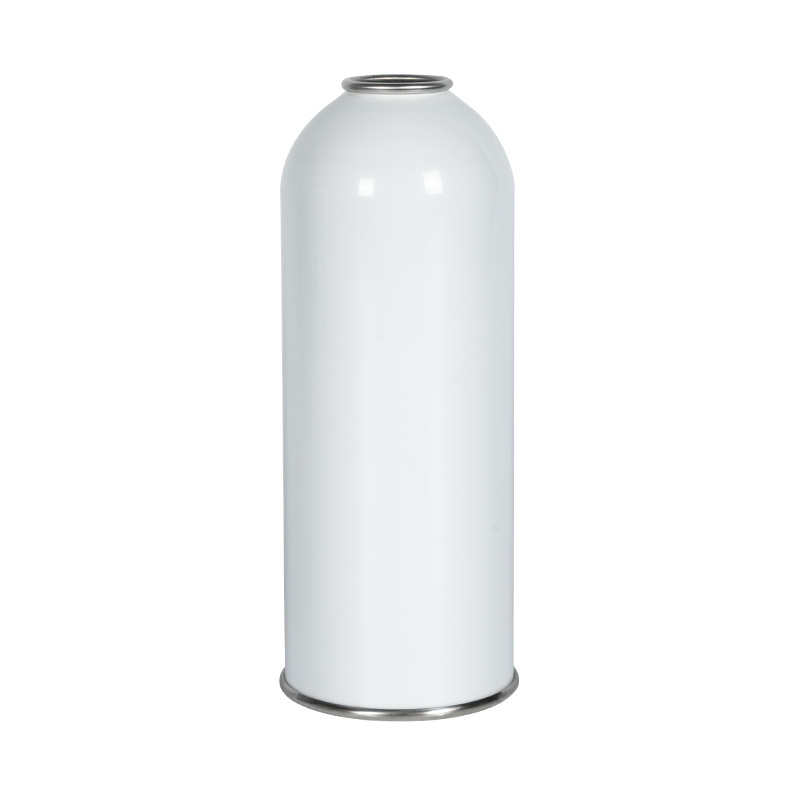
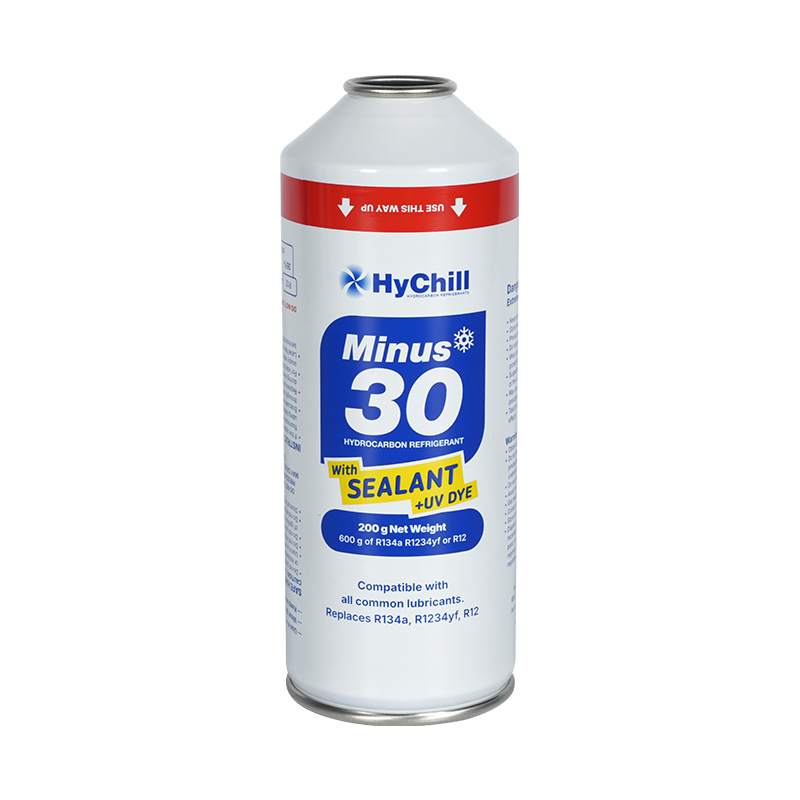
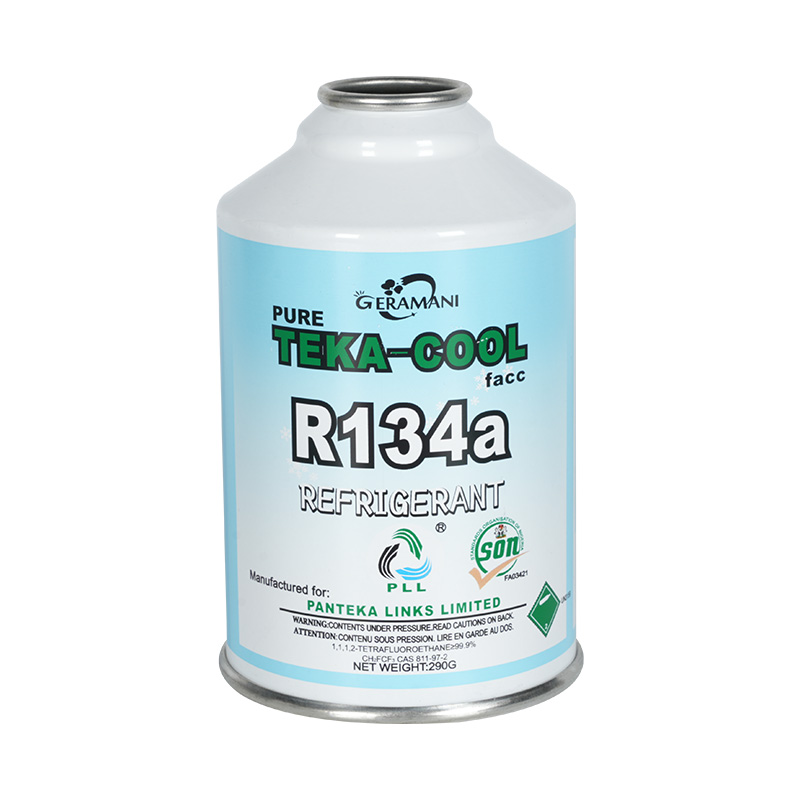
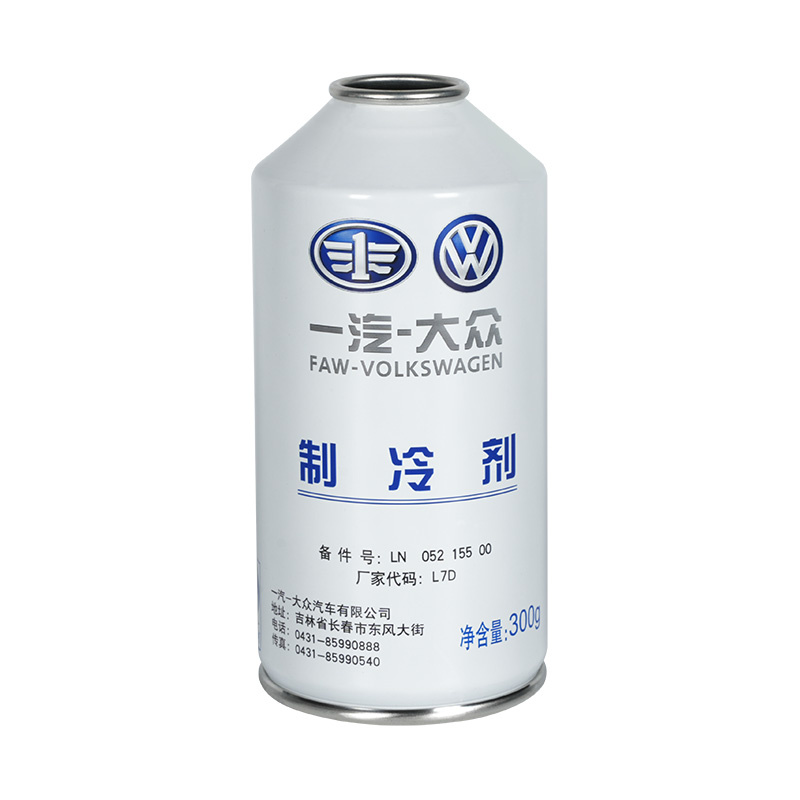
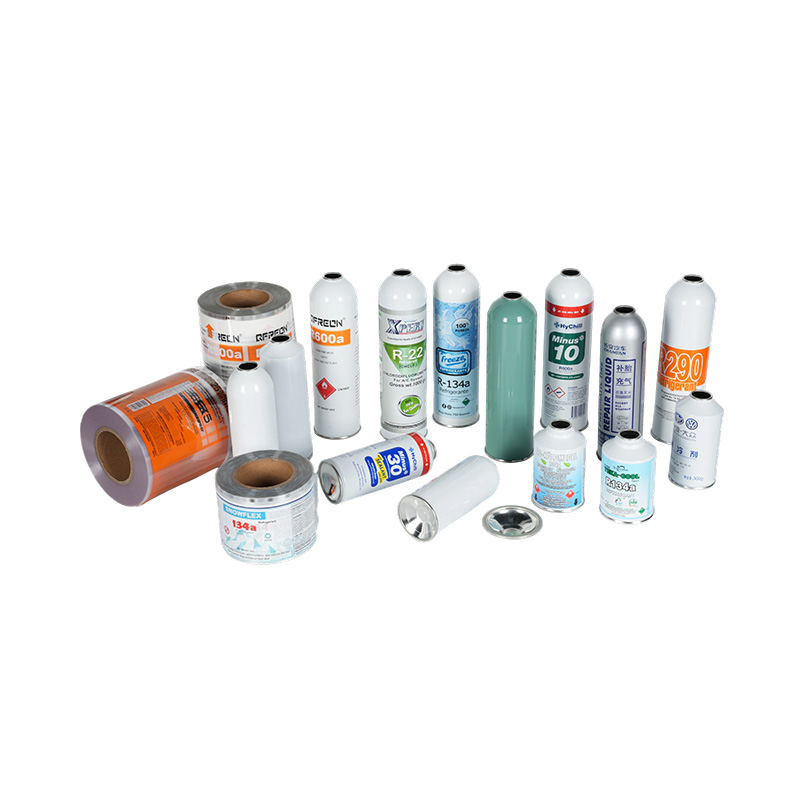
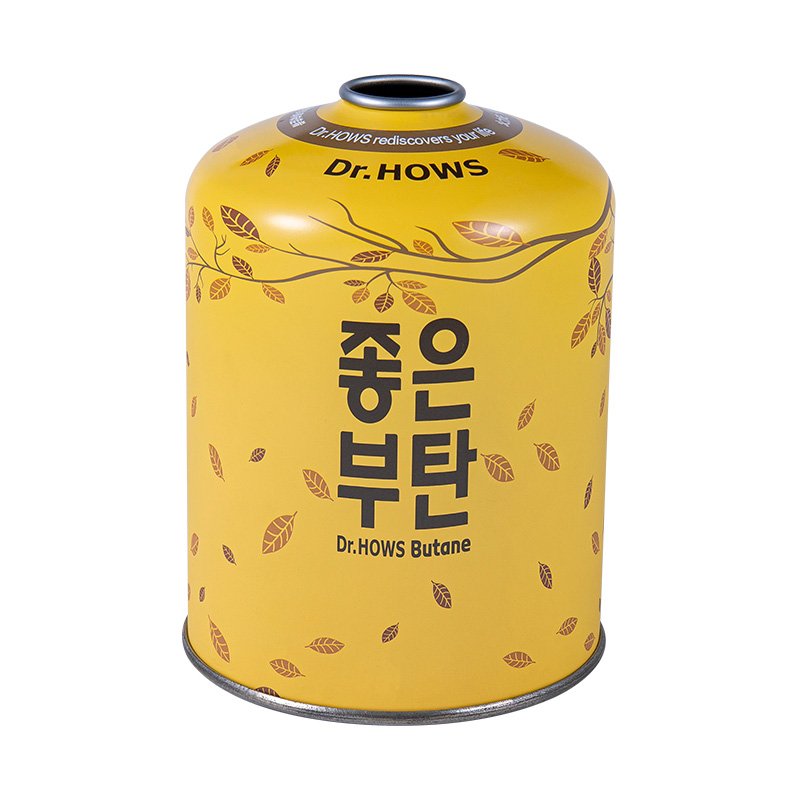
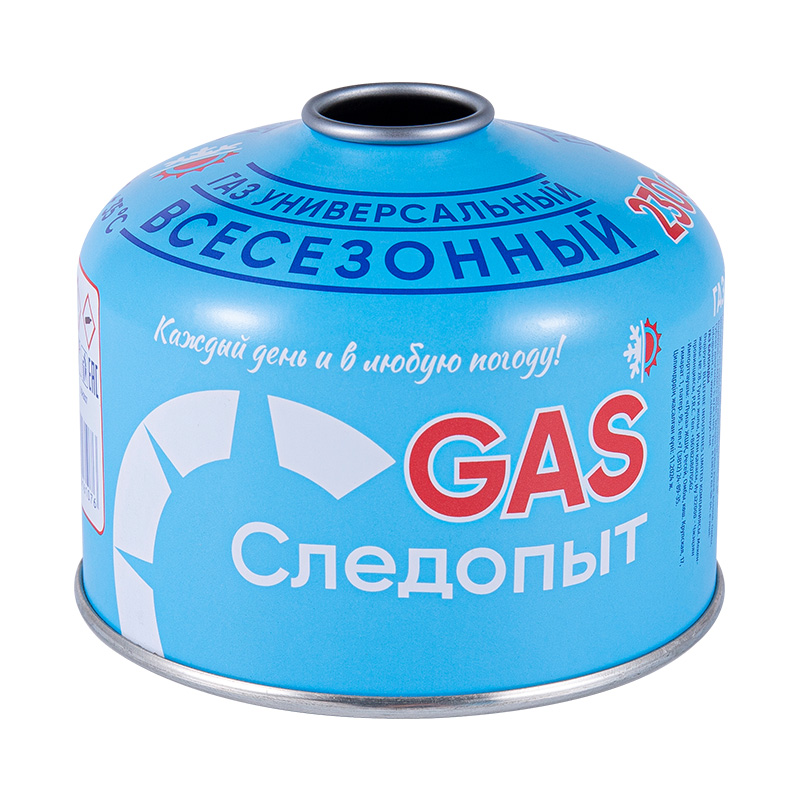
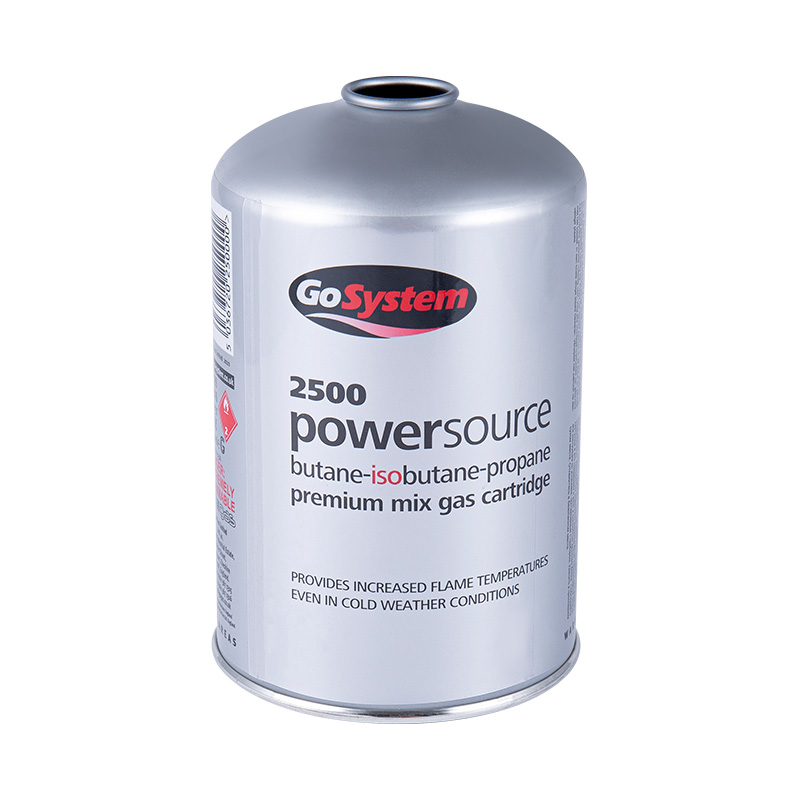
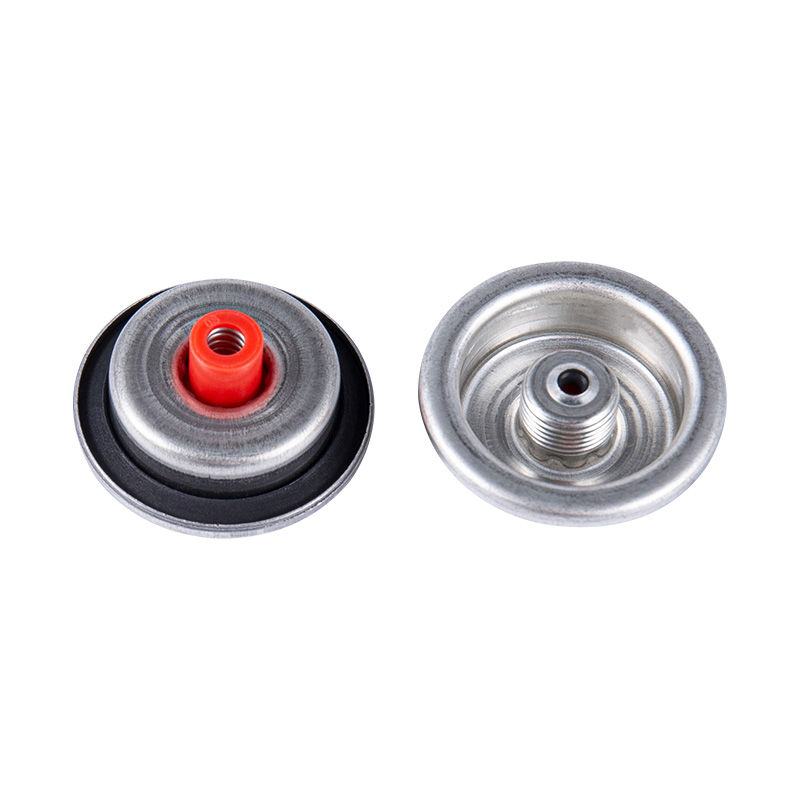
Two-piece aerosol cans keep showing up everywhere in packaging these days. You've got the main body plus the top part crimped on, and that seamless setup really helps the whole thing hold together better under pressure. Lately folks in the industry have been tweaking how they make these things and picking materials that work smarter. Take Bluefire Cans' approach to steel two-piece cans—it's one of those steps forward that's getting attention. They craft these from premium metal using a deep-drawing technique, giving robust structural integrity with minimal seams. On the line, you end up using noticeably less steel, the outside looks cleaner and brighter for printing labels that pop, and it suits like camping gas and refrigerant gas. These cans slide into high-speed filling machines without much fuss, scrap stays low, and they play nice with the newer propellants that have a smaller environmental footprint. Plug the design into simulation programs beforehand to play around with the dome's curve and wall thicknesses, spotting any weak spots where pressure might pile up and fixing them early so the can holds up longer once it's out in the real world.
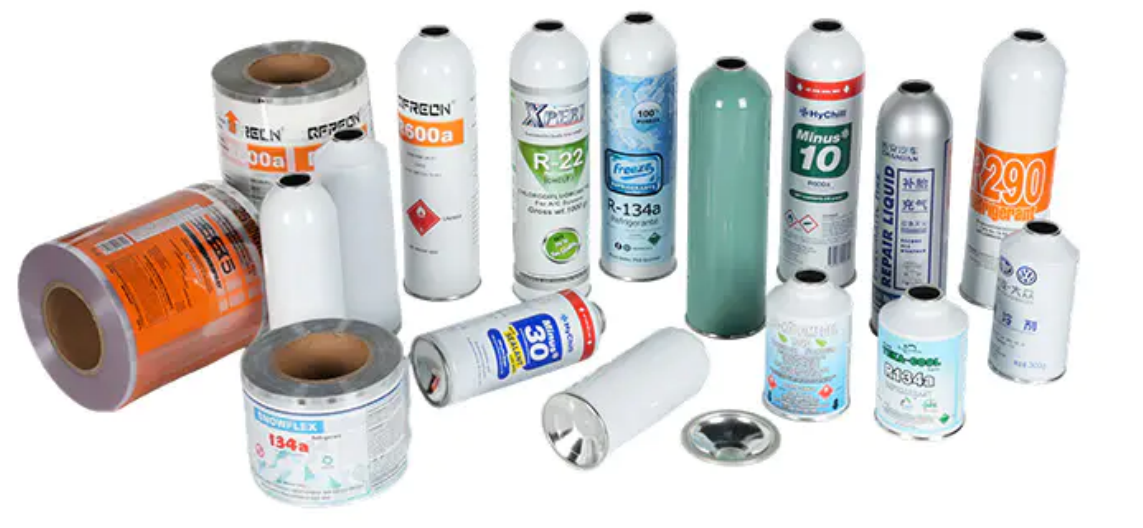
When it comes to actually forming the body, deep drawing plus wall ironing—DWI or sometimes DWR—is still the go-to. Grab a flat metal blank, punch it into a cup with deep drawing, then run it through those ironing rings that squeeze the walls thinner and smoother step by step until you've got a smooth seamless tube, no side weld, no bottom join. Ditching those seams bumps up the strength quite a bit and gives you a surface that's ready for coatings or sharp graphics without any bumps showing through. It handles steel stock well and works on some aluminum versions too, cranks out parts quickly, and doesn't mind tougher grades. You skip the whole welding headache, so leaks become way less likely, and slapping on lacquers or inks is straightforward. Steel lets you mix thicknesses in clever ways depending on what pressure the fill calls for. Bottom line, this method turns the body into one true piece from the get-go and has nudged plenty of lines over from clunky three-piece cans, particularly where they're churning out millions.
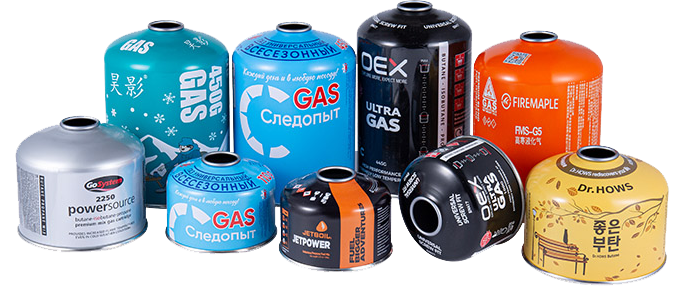
The dome and body being molded as one unit has turned into a real plus too. A bunch of the newer cans go with either pre-shaped doming or a final forming step to beef up both ends, which cranks up how much burst pressure they can take and keeps them sitting steady. Bluefire Cans puts real effort into making the dome one continuous piece, cutting down on potential leak paths and letting the can branch out into trickier areas like certain food aerosols or beverages. Servo machines on the line nail the shaping with hardly any trim waste. Plus you can tweak the profile—step shoulders and the like—for automotive detailers or heavy-duty industrial stuff where the shape matters.
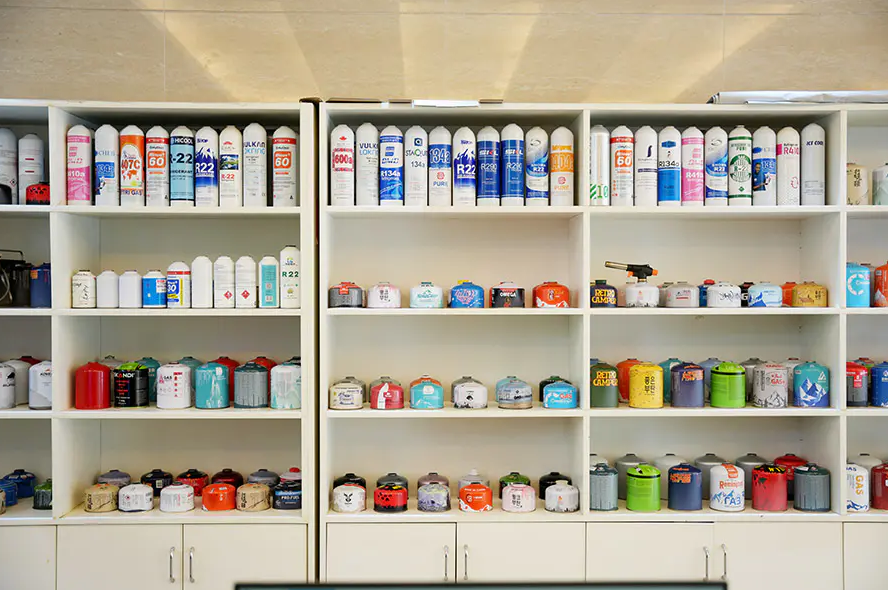
The big drive right now is getting those bodies lighter without losing what makes them work. Steel versions keep shedding wall thickness bit by bit, landing around 10 to 15 percent lighter than the old standards. Servo body-makers let you blend different gauges in the same can, trimming material spend while still handling low-GWP propellants or higher pressures just fine. Aluminum ones zero in on dead-even walls so they shrug off drops better. With the development and advancement of production techniques, two-piece aerosol cans like those from Bluefire Cans are also moving towards a lightweight and thin design.


+86-18238070562

+86-579-85791578


No.28, Tongyi Road, Yiting town, Yiwu 322000 - Zhejiang Province, P.R.C.
Copyright © Bluefire Industries Limited All Rights Reserved. Two-Piece Aerosol Can


 English
 عربى
عربى Español