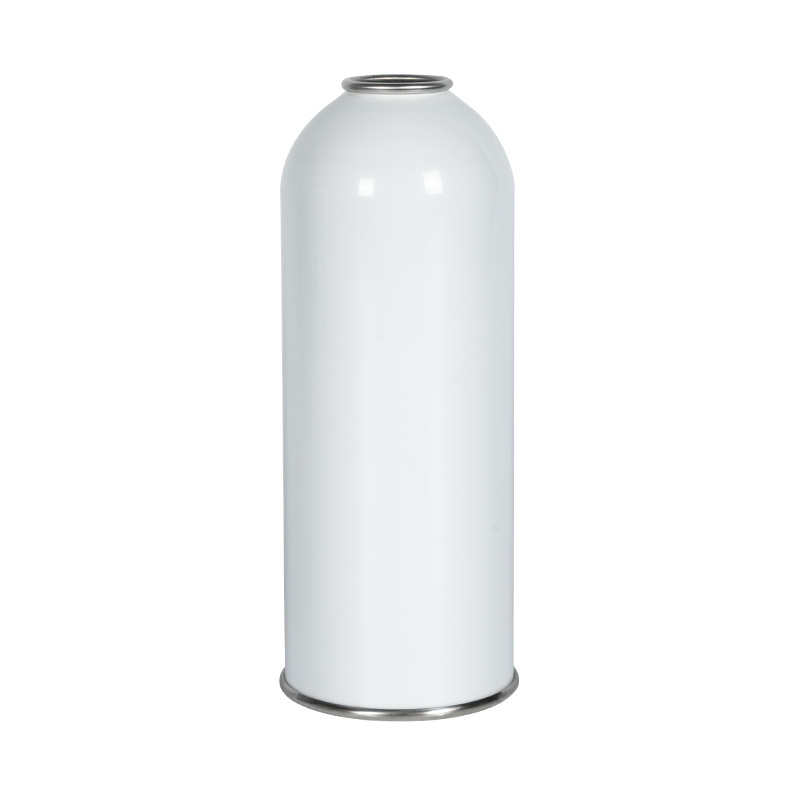
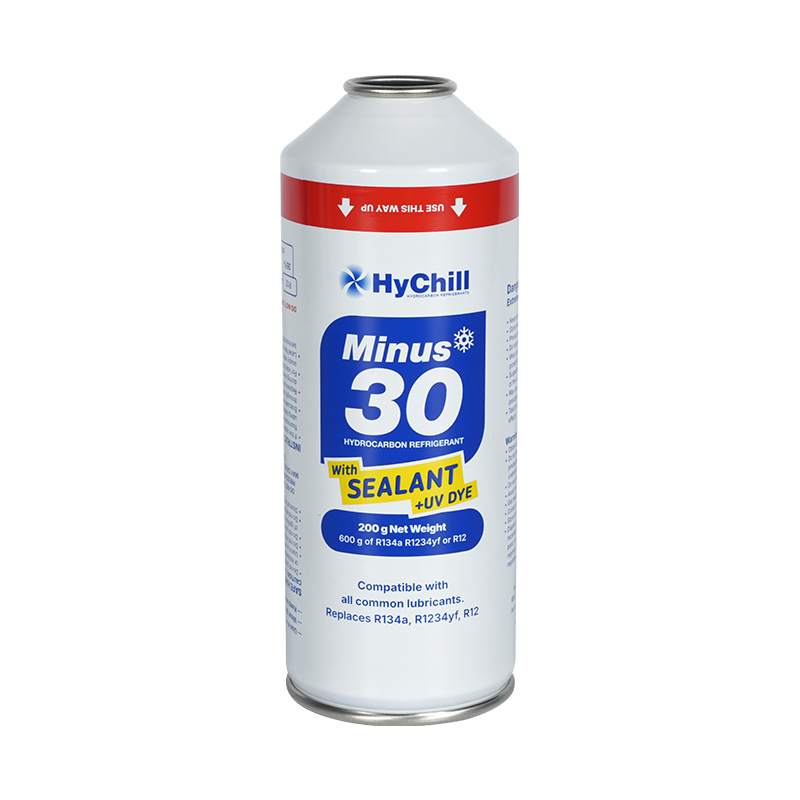
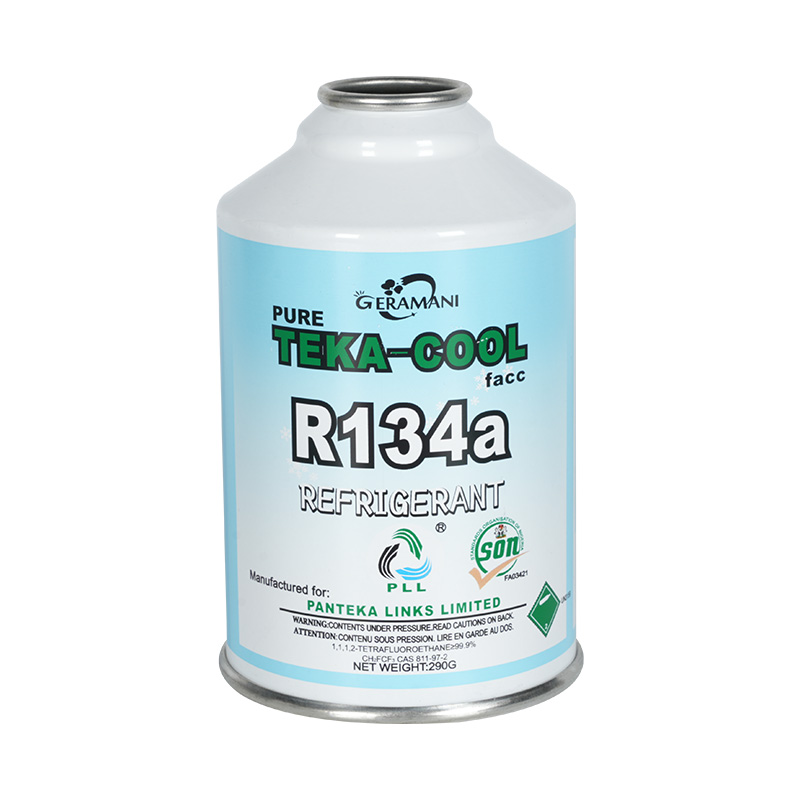
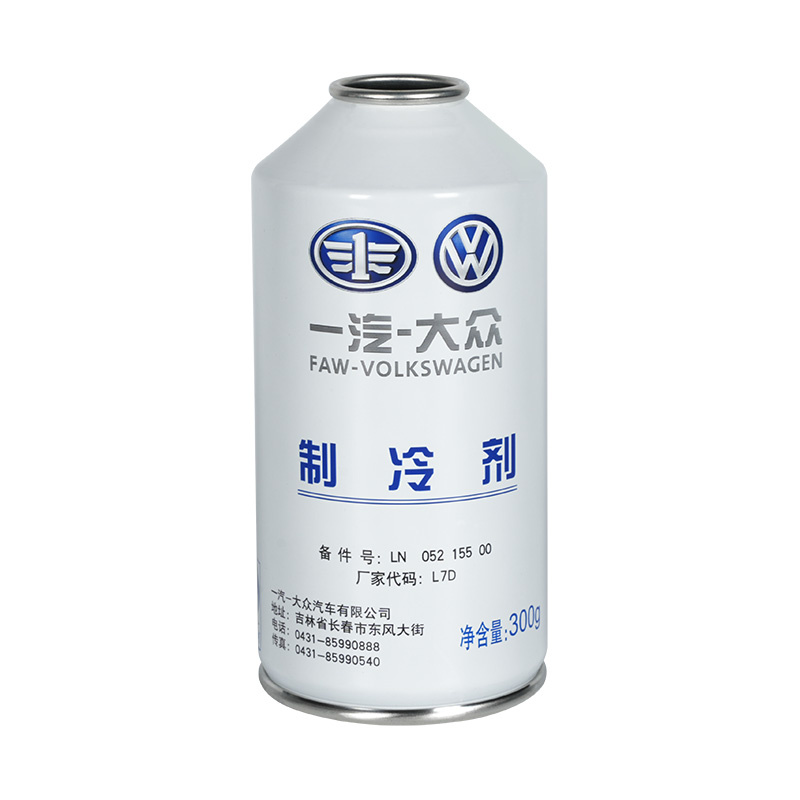
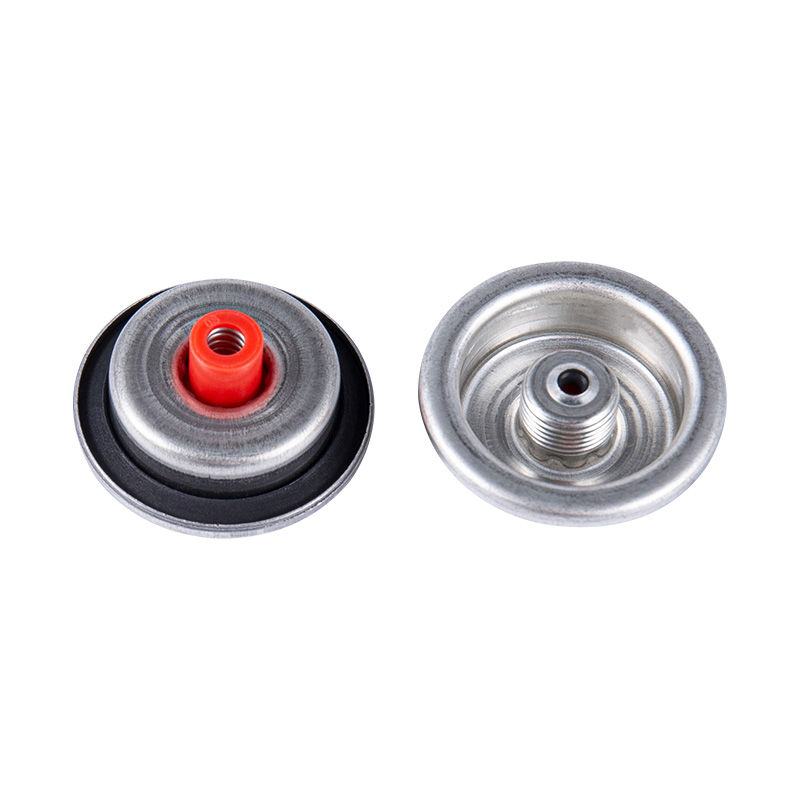
Camping gas cartridges keep things dead simple—snap one on, light the stove, eat. But everyone who's ever cursed at a hissing connection in the rain or cross-threaded one at 2 a.m. knows the difference between smooth and screwed-up is usually just matching the damn thing right and putting it on without forcing it.
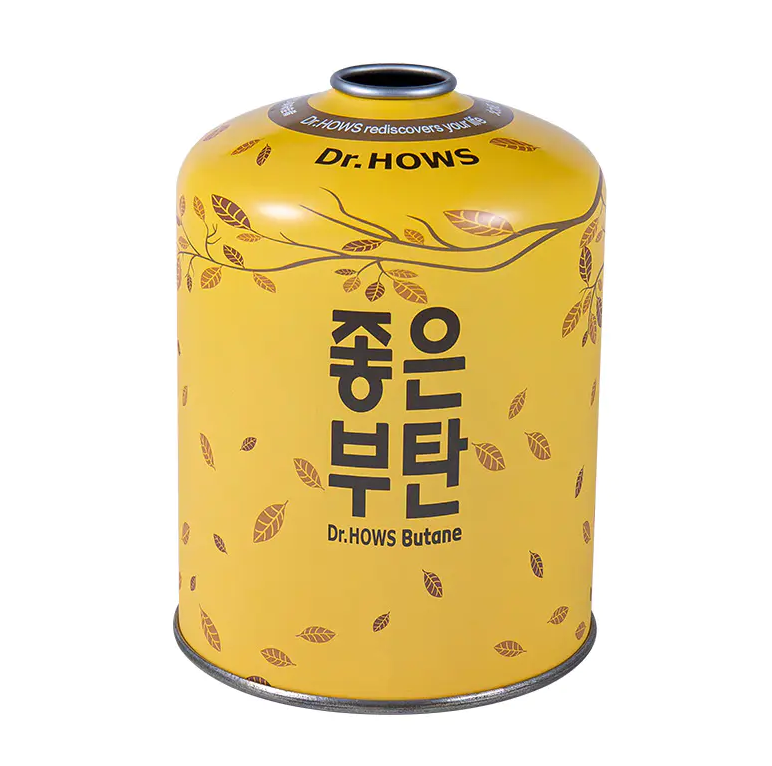
Connection Types – What Actually Fits in Real Life
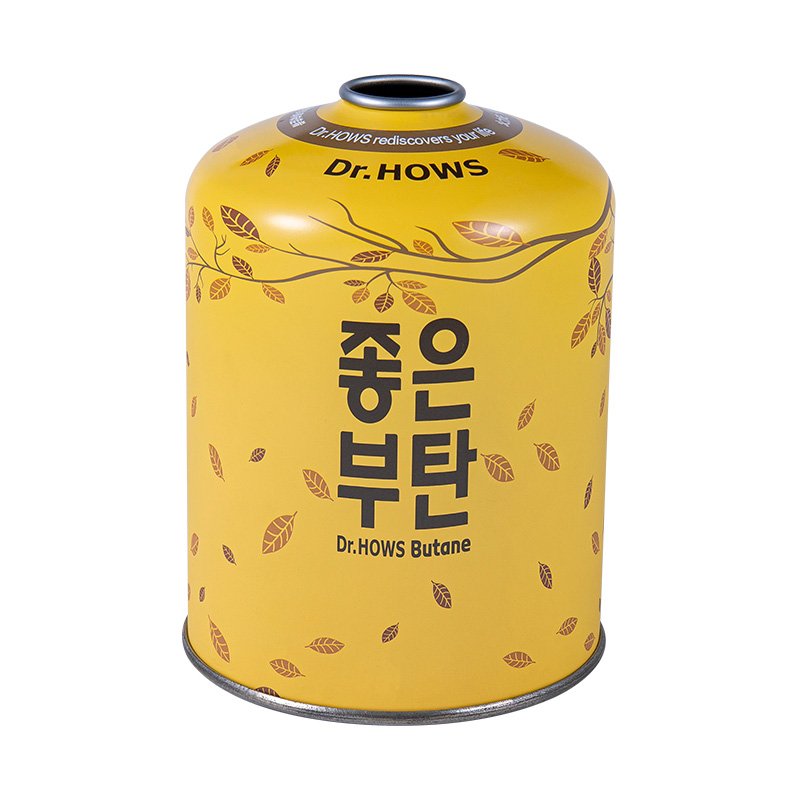
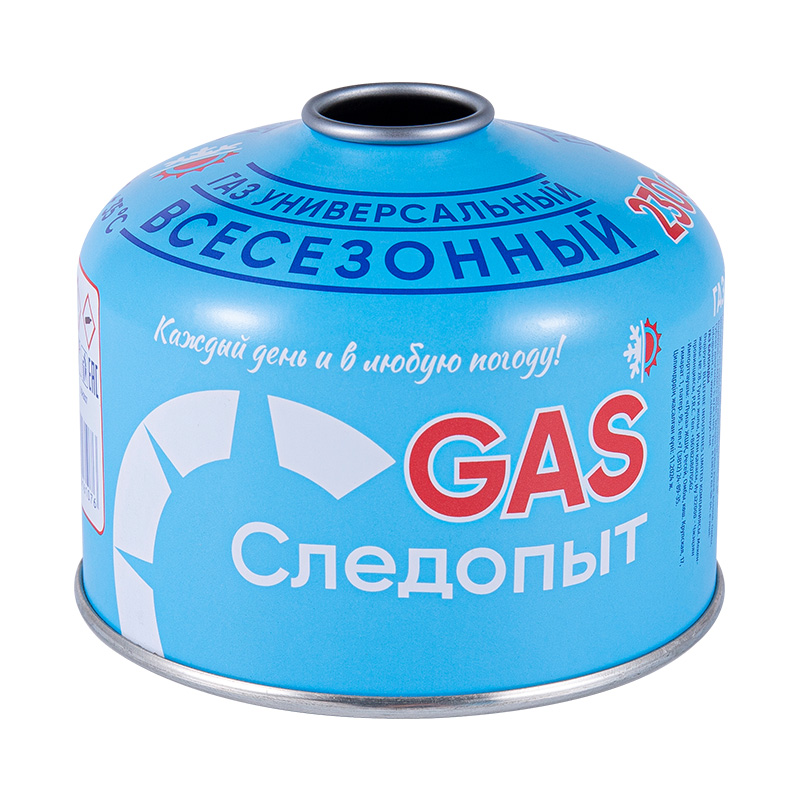
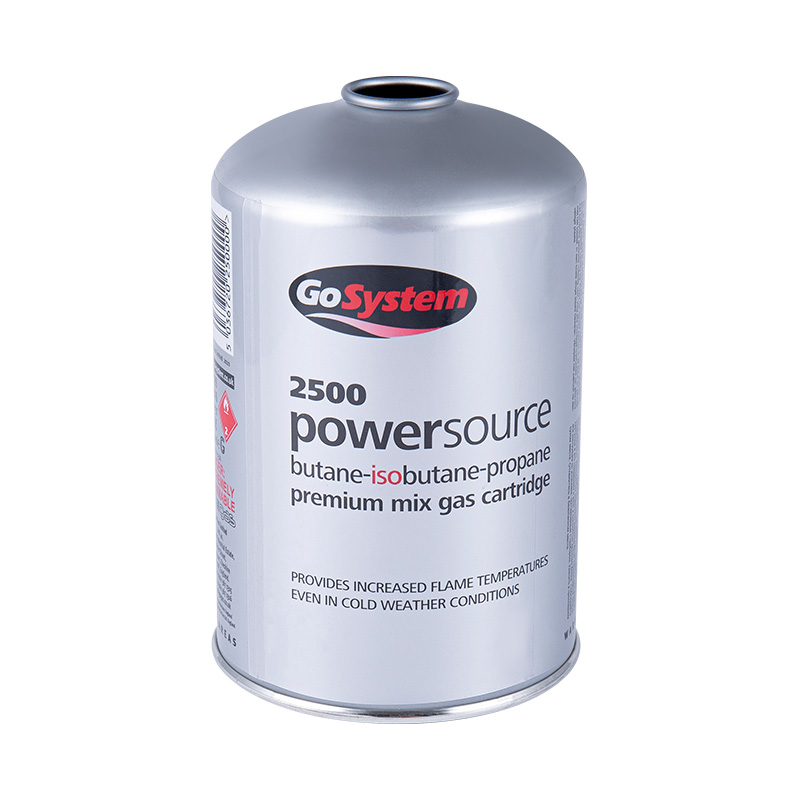
Most people who hike a lot or travel end up sticking with threaded because you can usually find one that works wherever you are. Adapters exist, sure, but they're extra grams and another leak waiting to happen if the threads are sloppy.
How to Actually Put It On
After it's on, open the valve for two seconds outside. No hiss = you're good. Still paranoid? Squirt soapy water on the joint. Bubbles = redo it. Cold weather makes everything tighter—warm the cartridge against your stomach for a minute if it's fighting you. Never, ever heat it with flame.
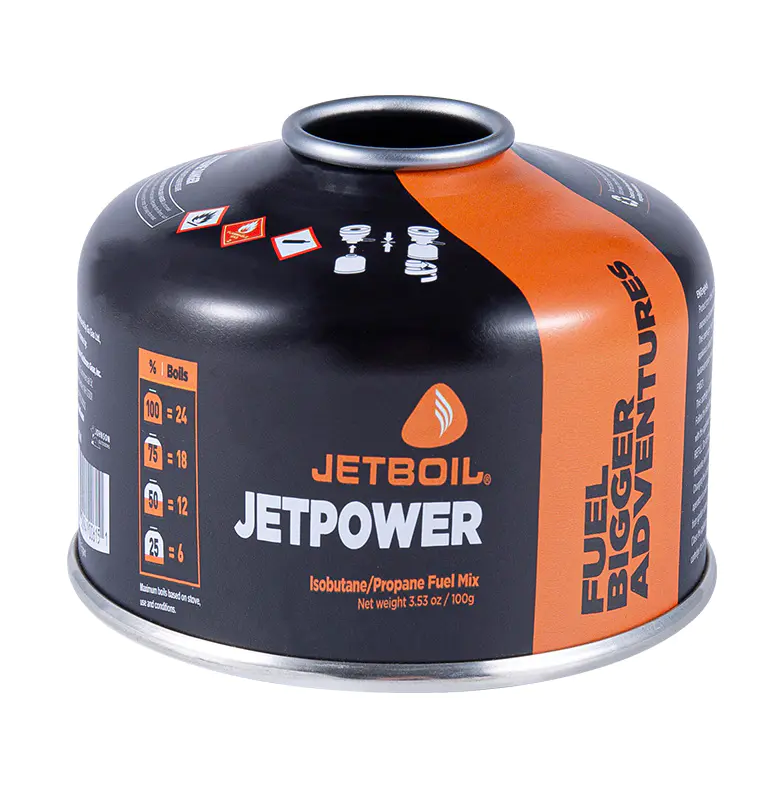
Sizes People Actually Carry
Small ones sit nice on tiny stoves; bigger ones turn tippy if the legs aren't wide enough. Threaded/valve cartridges let you stop and restart; pierceable ones make you finish what you start.
Safety – The Stuff That Keeps You From Blowing Up
Upright in the shade, never in a hot car or tent. Pull it off the stove once it's cool so nothing gets kicked over. Cap the valve if yours came with one—keeps trail dust out. Look for corrosion every time you pack. Sketchy-looking one? Leave it in the trash. Don't let them rattle around loose in your bag.
Refilling When You're Cheap (or Broke)
Threaded ones are refillable with the right adapter and a bigger tank. Stick the empty in the freezer for half an hour first—helps the fuel transfer without fighting pressure. Weigh empty, weigh full—stay under the original fill weight or you're begging for valve trouble. Do the whole thing outside, soap-test the connections. Saves serious cash if you're always out, but after a few refills the flame can get a little lazy from tiny crud buildup. Some dudes refill forever, others figure peace of mind is worth buying new.
Bottom line: get the right match, connect it clean, store it sensibly, refill only if you're into that life. Do those four things right and camping gas cartridges just work—no drama, no surprises, more time staring at the fire instead of fighting your gear.


+86-18238070562

+86-579-85791578


No.28, Tongyi Road, Yiting town, Yiwu 322000 - Zhejiang Province, P.R.C.
Copyright © Bluefire Industries Limited All Rights Reserved. Two-Piece Aerosol Can


 English
 عربى
عربى Español