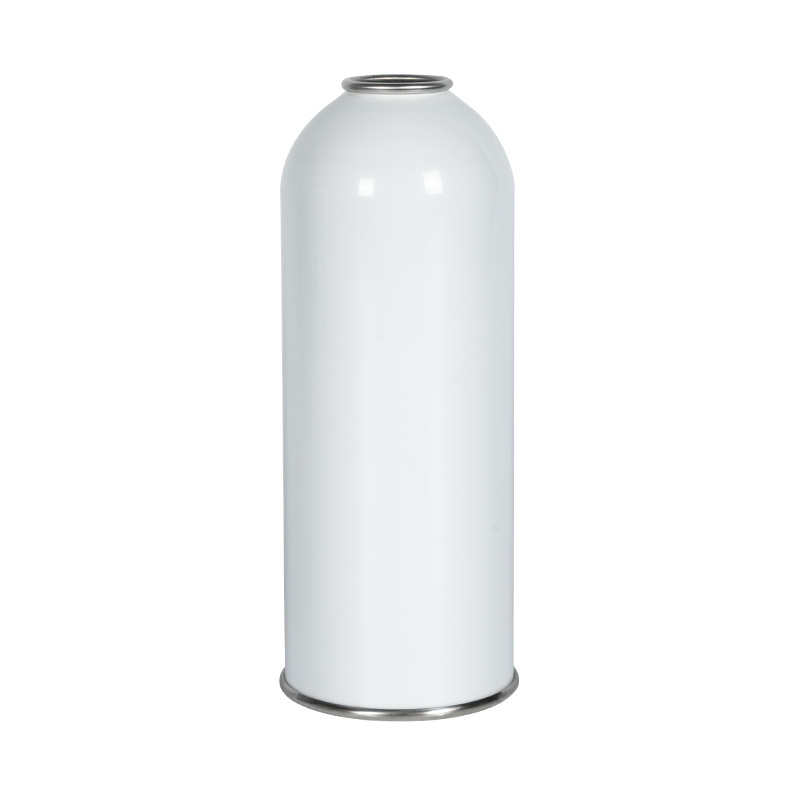
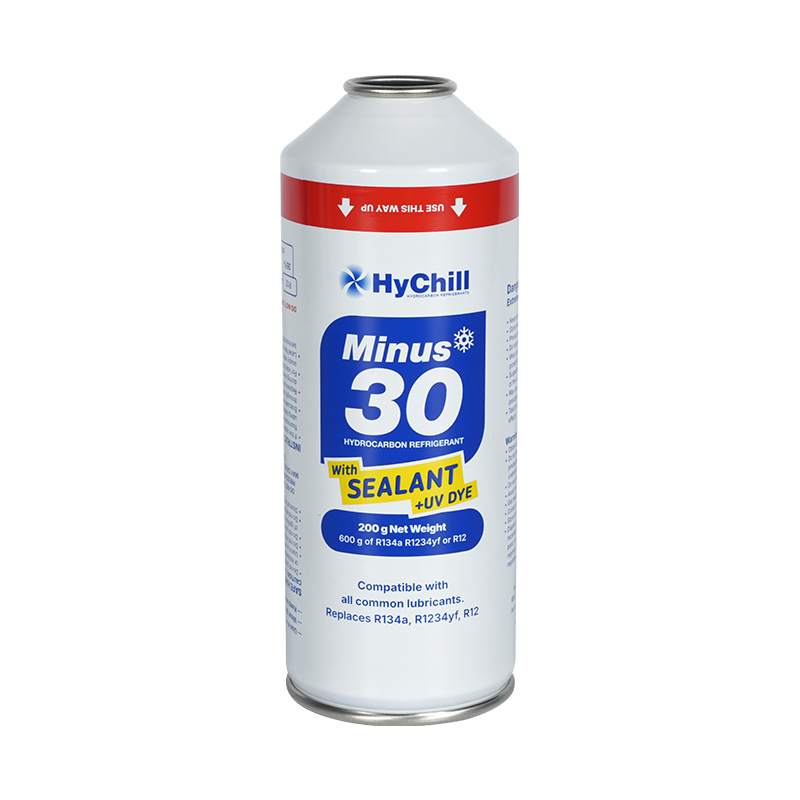
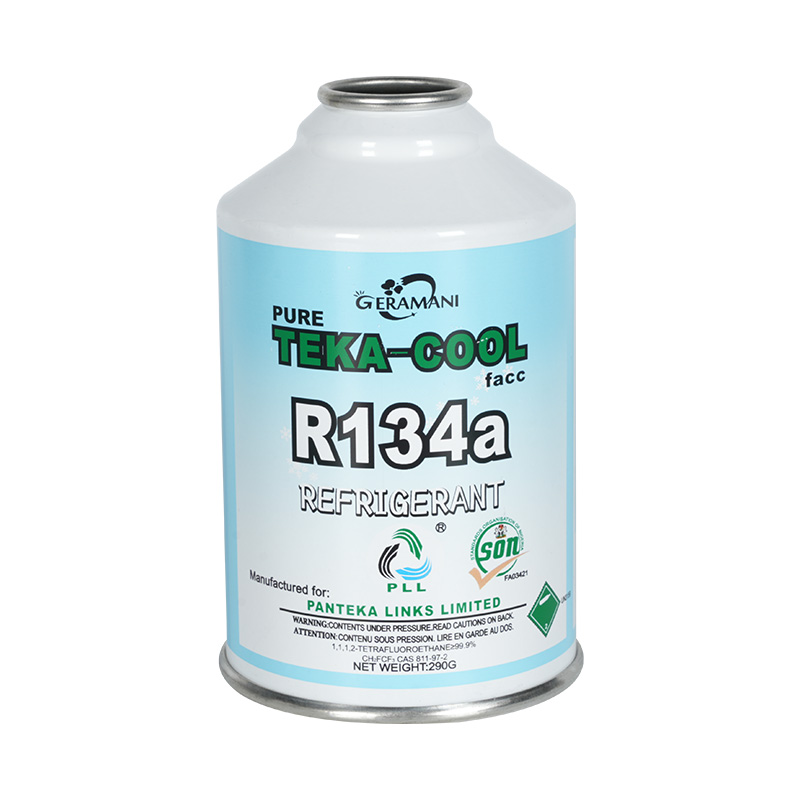
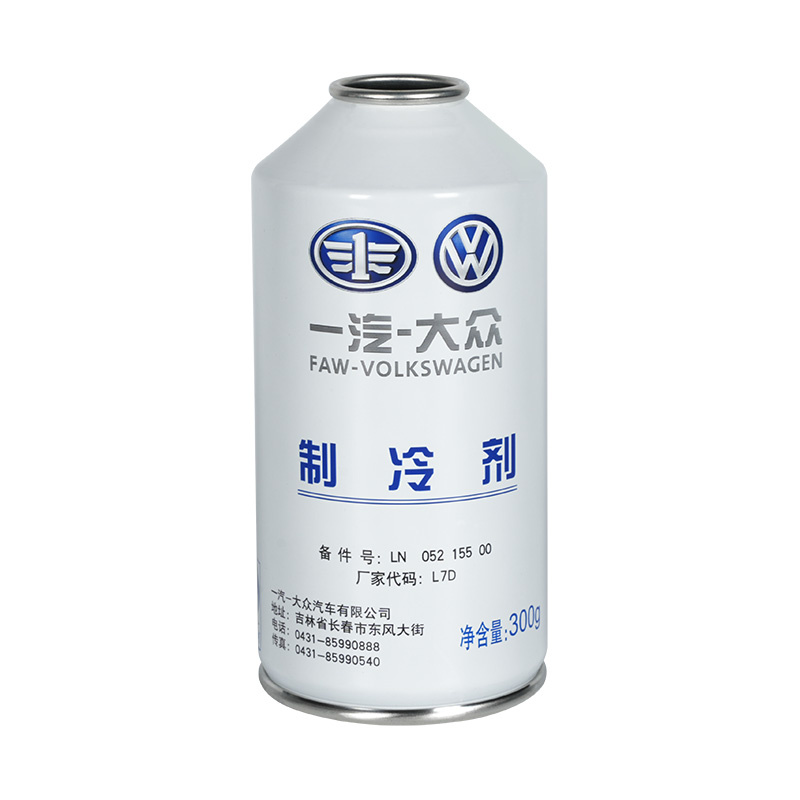
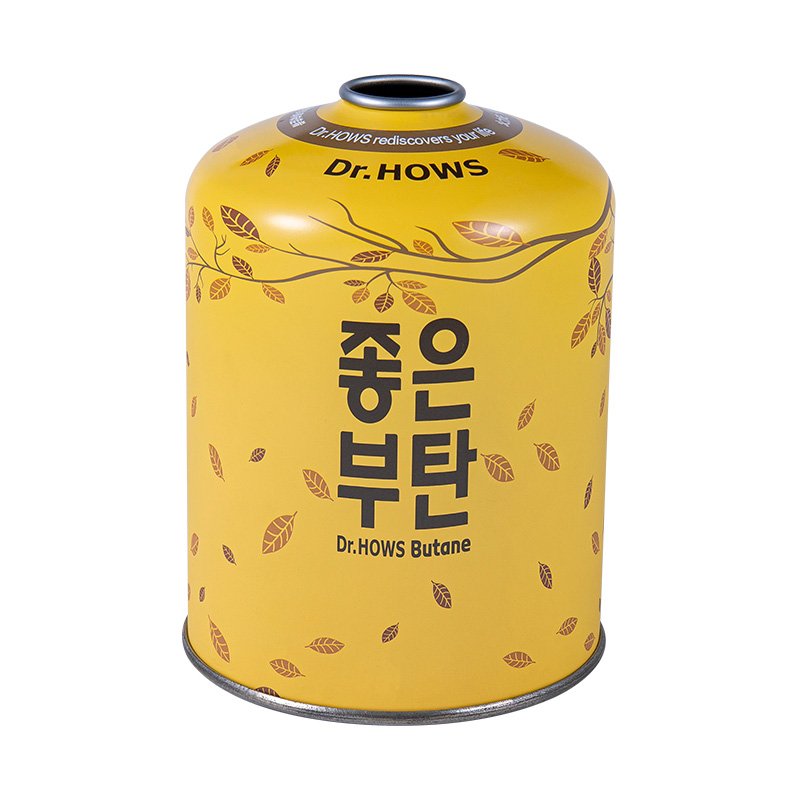
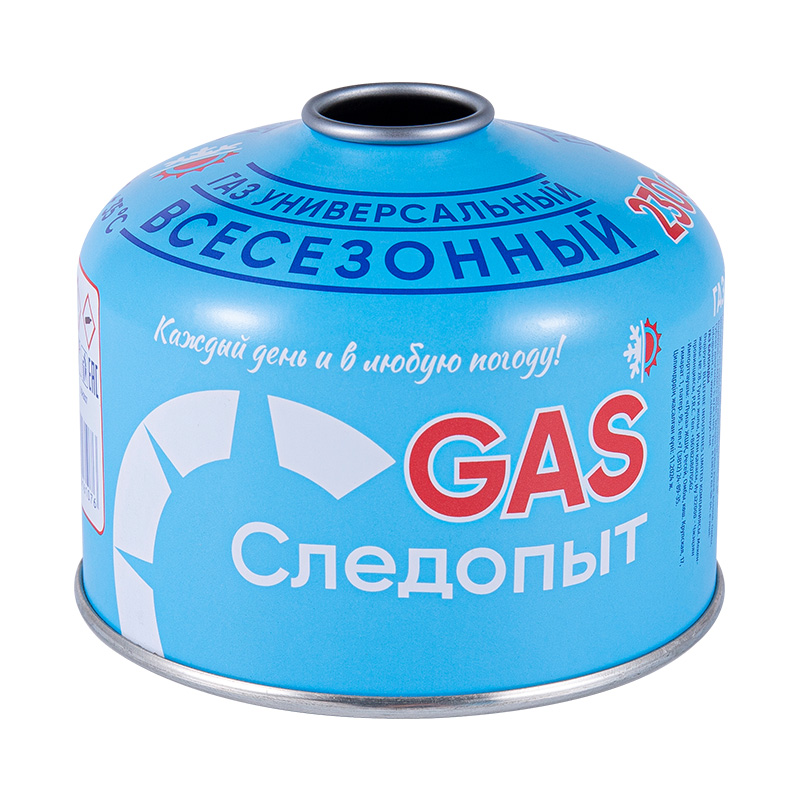
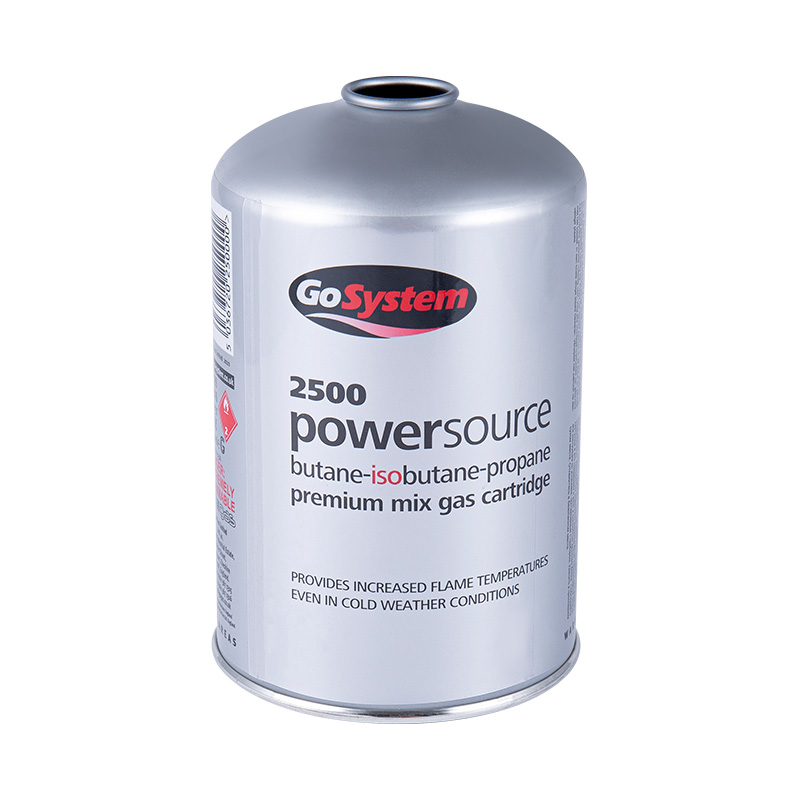
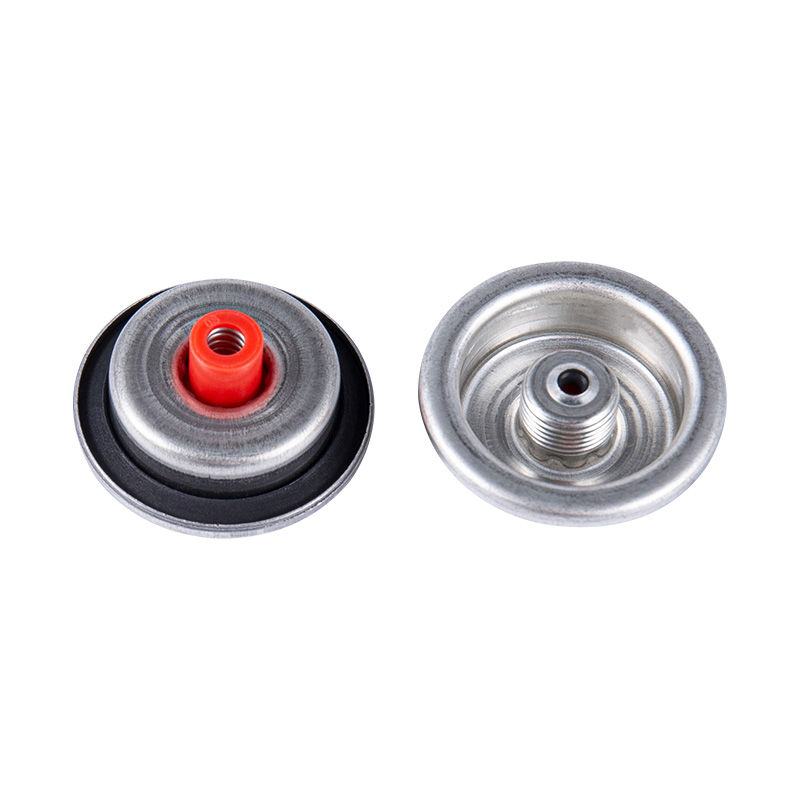
Butane gas canisters provide a compact fuel source for camping trips and quick outdoor meals. These small pressurized containers hold liquid butane that turns to vapor when connected to a compatible stove torch or heater creating a steady controllable flame. Their light weight and ease of use make them popular although safe handling and environmental concerns still require attention.
A butane gas canister consists of a sealed metal container. It holds butane which is a flammable hydrocarbon kept in liquid form under pressure. Attached to portable equipment the valve releases vapor for combustion. Most consumer versions stay lightweight and disposable though refillable types appear in some markets.
Butane propane and blended fuels differ in performance and handling. Butane works well in mild temperatures but loses pressure in cold while propane keeps vapor pressure better during winter and blends try to combine both advantages. Propane creates higher internal pressure so containers and fittings need more strength but butane operates at lower pressure and suits compact portable appliances. Butane appears often in stoves and torches propane in grills heaters and industrial settings and blends adapt to wider climate ranges. Butane canisters are typically designed for single use which leads to waste unless people collect and recycle them properly. Propane systems more often use refillable cylinders.
The internal pressure of butane cylinders rises rapidly under heating, so direct sunlight and high‑temperature environments must be avoided, and the pressure relief structure of the cylinders themselves should be relied on for safety protection. Damaged valves or mismatched fittings lead to leaks so examine threads before use and never force connections. Dents punctures or crushing weaken the container protect them during transport and throw away any that look deformed. Single-use canisters resist refilling unauthorized attempts raise danger. Counterfeit items sometimes use poor materials and skip tests buy from trusted sellers and check markings to cut risks.
Transport and storage bring temperature swings vibration and stacking pressure. Small defects plus heat cause leaks or bursts so protective packaging upright placement and hazard labels help lower danger. Warehouses separate pressurized containers from heat sources and flammables while temperature monitoring in transit shows exposure patterns and improves planning. Regulations set the minimum but cooperation along the supply chain raises real safety levels.
Many accidents come from basic errors like connecting to wrong devices storing near heaters or attempting to refill disposables. Clear pictogram instructions on packaging help especially in low light or outdoors. Retail demonstrations and advice at purchase strengthen proper habits. When a leak seems possible move from ignition sources ventilate the area safely and contact emergency services if required.
Refillable cylinders and single-use canisters follow separate safety and logistics paths. Refillables get inspected at each fill regulated setups give centralized quality control and reduce waste although collection and redistribution add complexity. Single-use versions simplify distribution yet create more discard volume manufacturing defects or illegal refills bring hazards and tracking usually happens by batch. Refill networks need higher starting investment but can lower environmental load with effective management.
Disposable canisters produce a larger environmental impact since each gets discarded after one use. Steel or aluminum production uses heavy energy and creates emissions while incomplete recycling stays difficult. Residual gas in thrown-away containers complicates handling and adds hazards. Ongoing production and shipping increase transport emissions improper disposal in recreation or catering adds to landfills or pollution. Released residual gas sends volatile compounds into the air affecting quality unsafe methods like puncturing or burning half-full canisters raise extra risks. Better recycling stronger emptying habits before discard and reusable options where systems exist help reduce the burden.
Portable fuel demand continues steadily from outdoor activities travel cooking and preparedness needs. Compact size and simple handling keep butane useful in tight spaces. Sustainability pressures now shape choices refillable systems grow in interest with waste-focused regulations and manufacturers adapt packaging and supply chains. Battery-powered portable cookers and heaters appear as alternatives changing views on on-the-go energy. Future use of butane canisters will depend on balancing convenience against environmental needs.
Butane gas canisters supply convenient efficient fuel for outdoor heating and cooking. Proper storage transport and user care allow safe reliable performance. Safety risks counterfeit problems and ecological effects still need steady attention from manufacturing through distribution to end use. Changing market expectations and new technologies will decide how these small fuel systems fit into wider energy patterns.
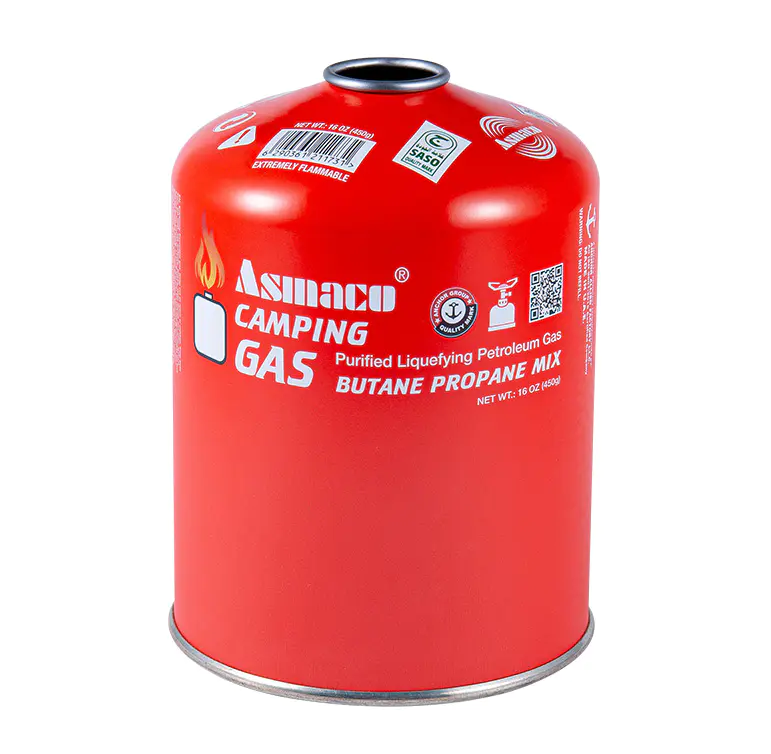


+86-18238070562

+86-579-85791578


No.28, Tongyi Road, Yiting town, Yiwu 322000 - Zhejiang Province, P.R.C.
Copyright © Bluefire Industries Limited All Rights Reserved. Two-Piece Aerosol Can


 English
 عربى
عربى Español