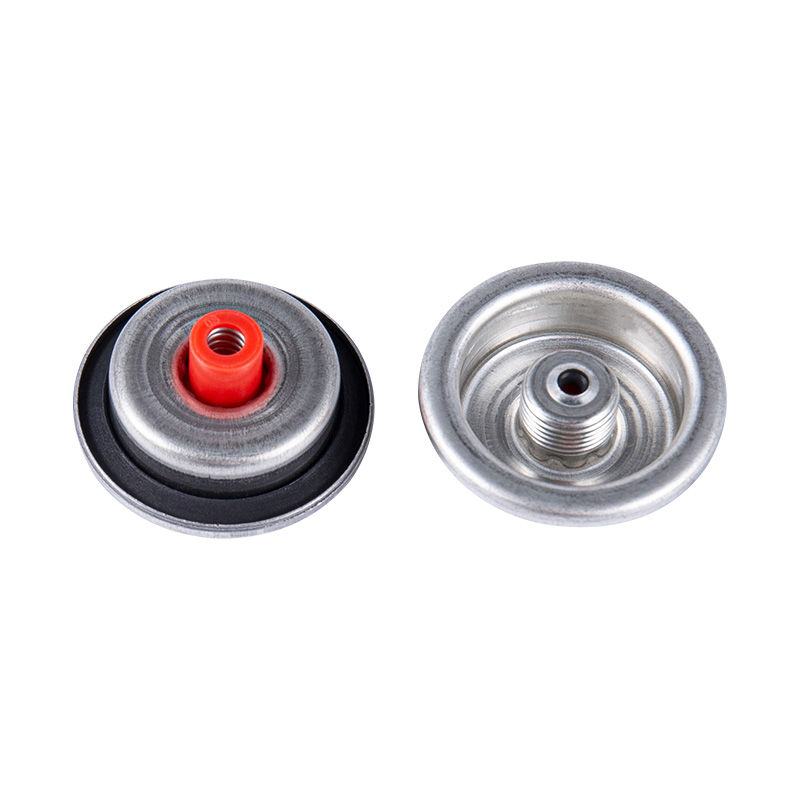
The EN417 valve on camping gas canisters doesn't draw much notice when people attach a stove or heater. Still it forms a key part of safety in portable gas setups. The thread runs reverse so you tighten by turning counter-clockwise. Manufacturers chose this direction deliberately to make accidental loosening less likely during handling transport or vibration which cuts down on potential leaks from the start.
Vibration or routine movement rarely backs them off. That mechanical hold stands as the initial defense keeping gas contained. The valve itself comes with carefully controlled tapers and close tolerances. When matched to a proper connector it forms a solid metal-to-metal seal. Trying to force an incompatible part usually fails to seat right which blocks dangerous mismatches. Dirt or damage on threads weakens this protection though so checking them stays necessary.
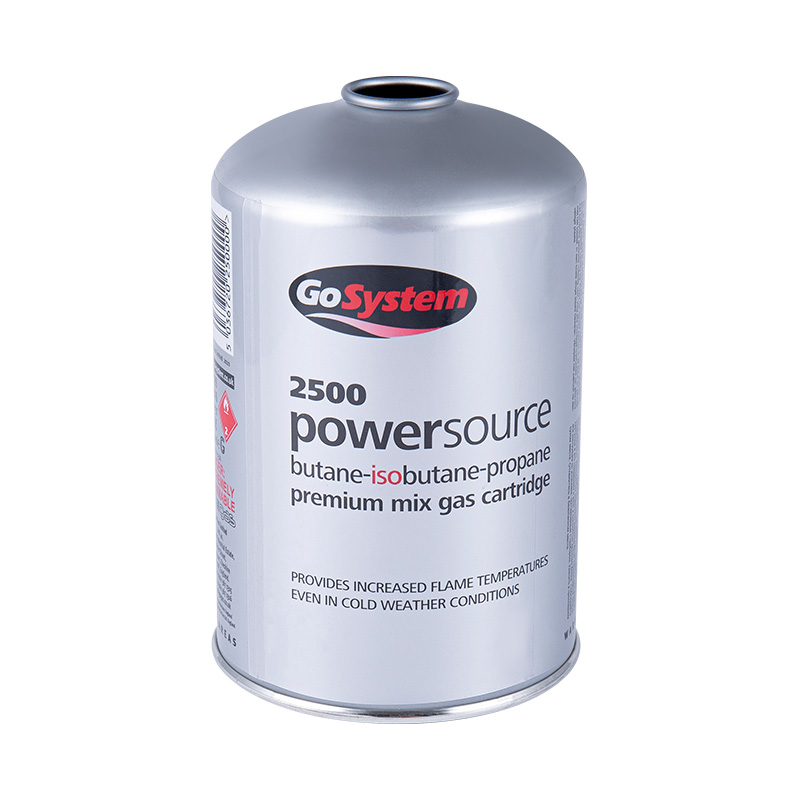
Not every canister labeled EN417 compatible uses the same connection. Some rely on screw threads while others feature pin-depress valves or bayonet mounts from specific brands. Pushing mismatched pieces together risks cross-threading ruined seals or broken mechanisms. Adapters only belong in the mix when clearly rated for both ends. Every extra joint raises the importance of thorough leak checks.
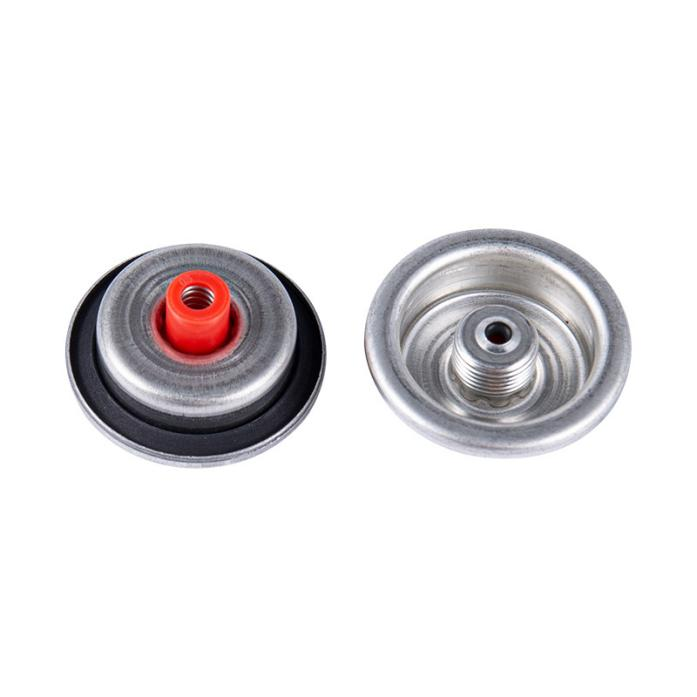
Most threaded EN417 setups include an O-ring seated inside the connection. That small flexible piece gets compressed to create a tight gas barrier and it handles slight surface flaws or temperature shifts. O-rings wear out over time from weather exposure or contact with unsuitable substances so they dry crack flatten or swell. A seal that looks okay might still fail without warning later. Swapping in fresh compatible ones usually nitrile or fluorocarbon plus a touch of suitable silicone grease keeps things reliable longer.
Before hooking up any device take a moment for a visual inspection. Look over threads for dents or grit examine the O-ring for obvious wear and make sure the valve stays closed. For screw fittings turn counter-clockwise to snug it up without cranking too hard since overdoing it can crush the O-ring or harm threads.
Once connected test for leaks every time. Brush soapy water or leak solution around the joint then open the valve a little and watch. Bubbles mean shut it off right away disconnect and inspect again. Ongoing leaks call for a new seal or retiring the cylinder.
People sometimes assume all camping gas valves swap freely or that tighter equals safer which isn't true and can cause harm. A solid-looking connection today might let go later if the O-ring has aged. Tiny leaks deserve attention especially in partly enclosed areas.
Portable cooking gear grows more common among outdoor users so knowing valve differences and upkeep matters more now. Cartridge styles vary by region which makes checking compatibility essential before trips or restocks. Adding a short inspection and leak test to setup takes little time yet sharply lowers hazards.
The EN417 valve appears basic on the surface. Its reverse thread precise build and dependable O-ring combine into a deliberate safety setup. Regular checks proper component matching and steady leak testing let it deliver consistent protection for portable gas use.


+86-18238070562

+86-579-85791578


No.28, Tongyi Road, Yiting town, Yiwu 322000 - Zhejiang Province, P.R.C.
Copyright © Bluefire Industries Limited All Rights Reserved. Two-Piece Aerosol Can


 English
 عربى
عربى Español