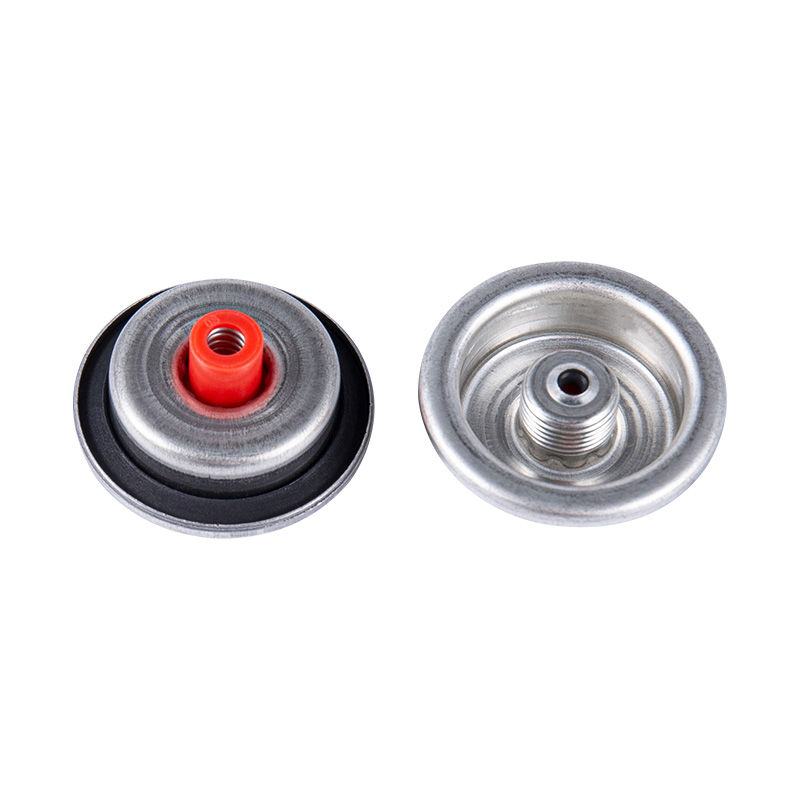
Butane gas cartridges seem quite ordinary at first yet several practical factors control how effectively they actually deliver fuel. These compact pressurized cans feed stoves torches and lamps so people count on them when cooking in the wild handling emergency warmth or managing ordinary chores. Reliable output makes a real difference whether you need coffee at first light during a camping trip or a hot meal after the electricity fails.
Outdoor hobbies and readiness for sudden interruptions have grown more widespread therefore butane cartridge consumption keeps rising. Most people ignore the inner workings completely until the flame weakens sharply or vanishes without warning. Familiarity with the fundamental mechanism the heavy impact of temperature plus correct handling routines generally prevents those interruptions and produces steady dependable results.
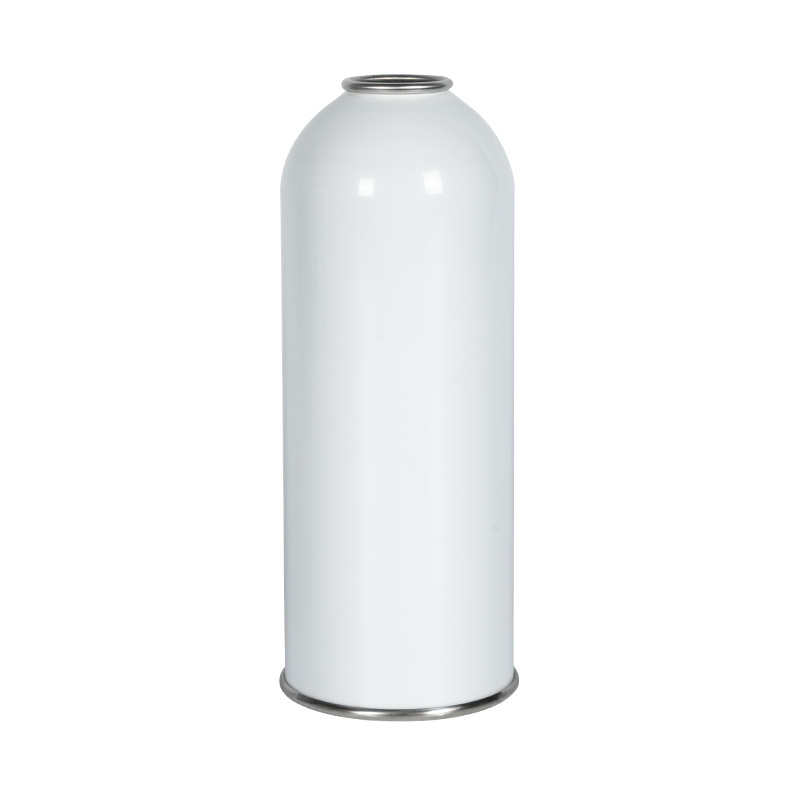
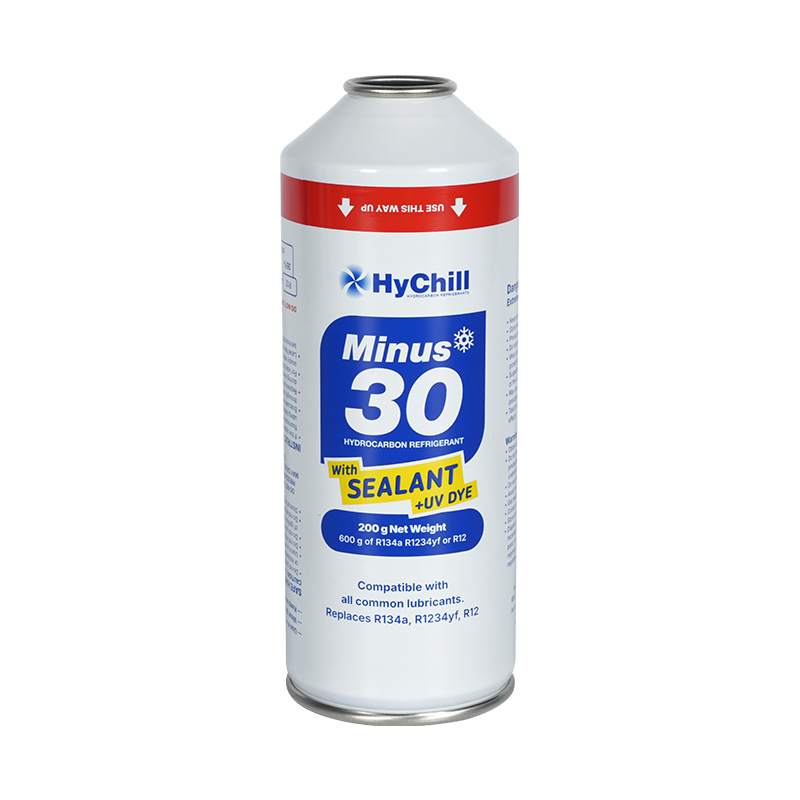
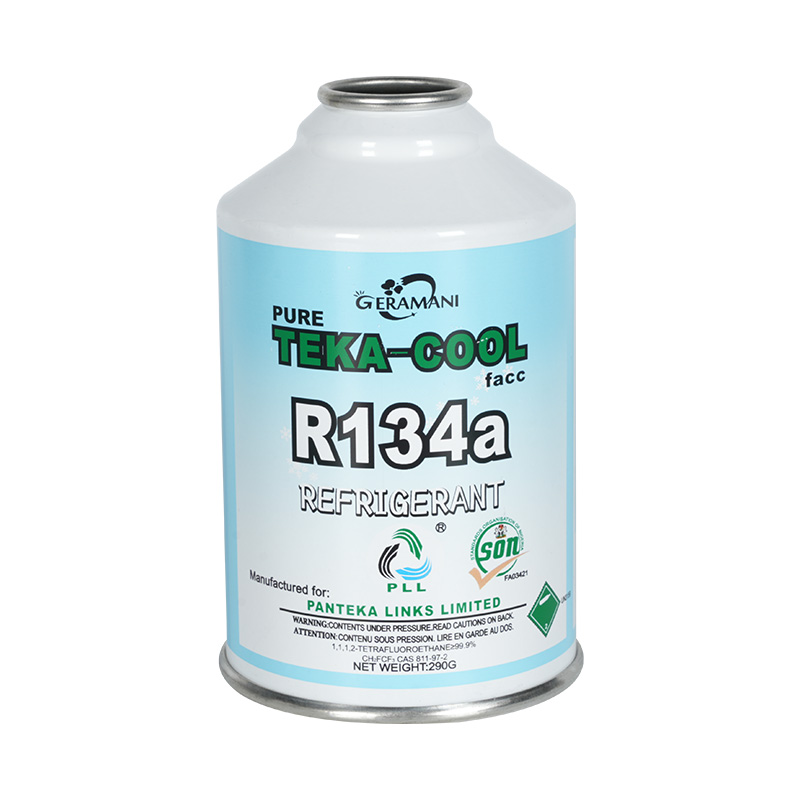
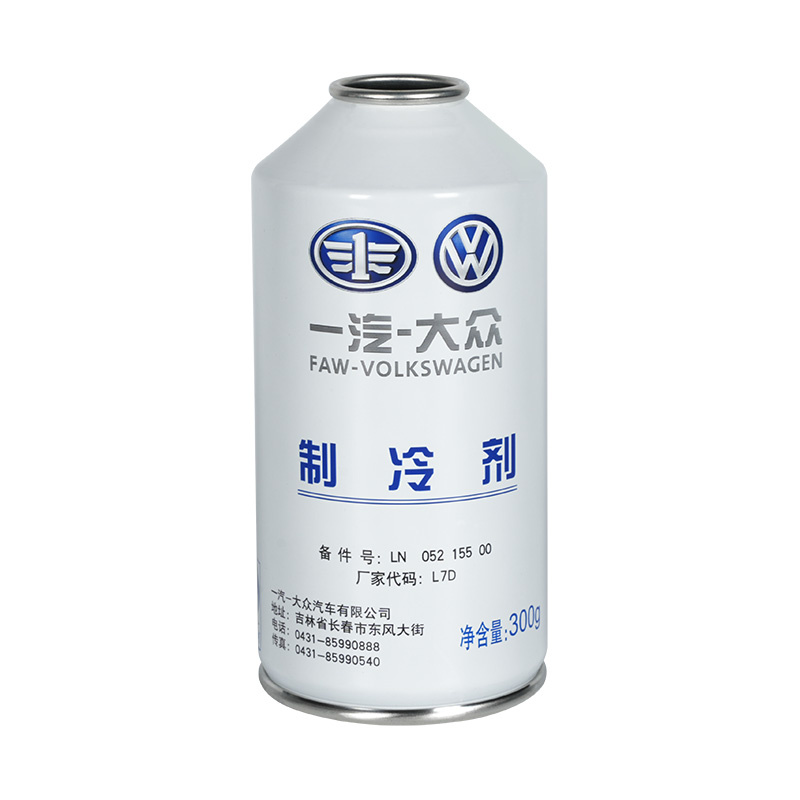
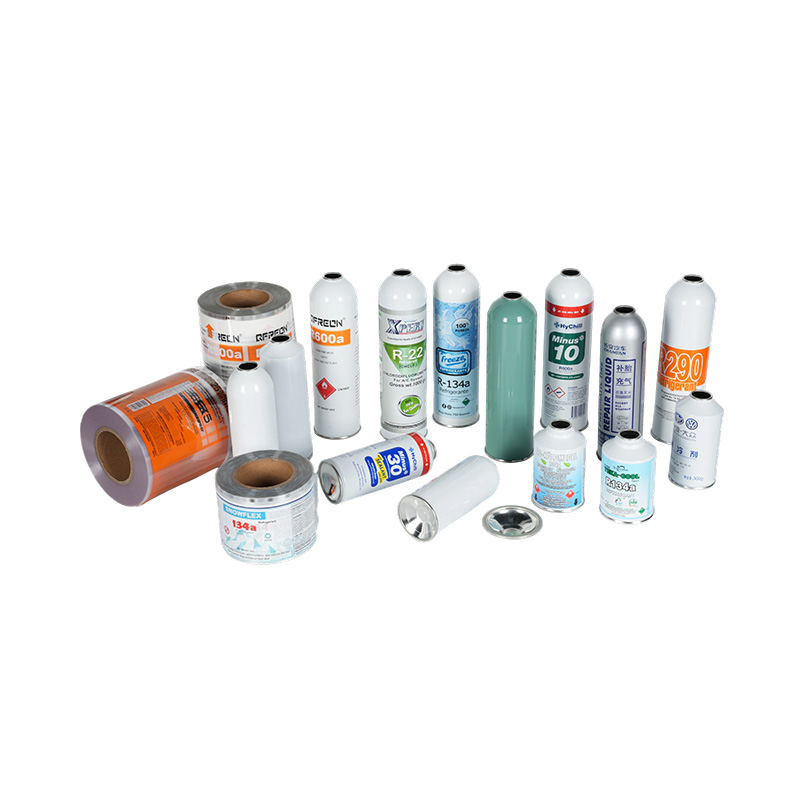
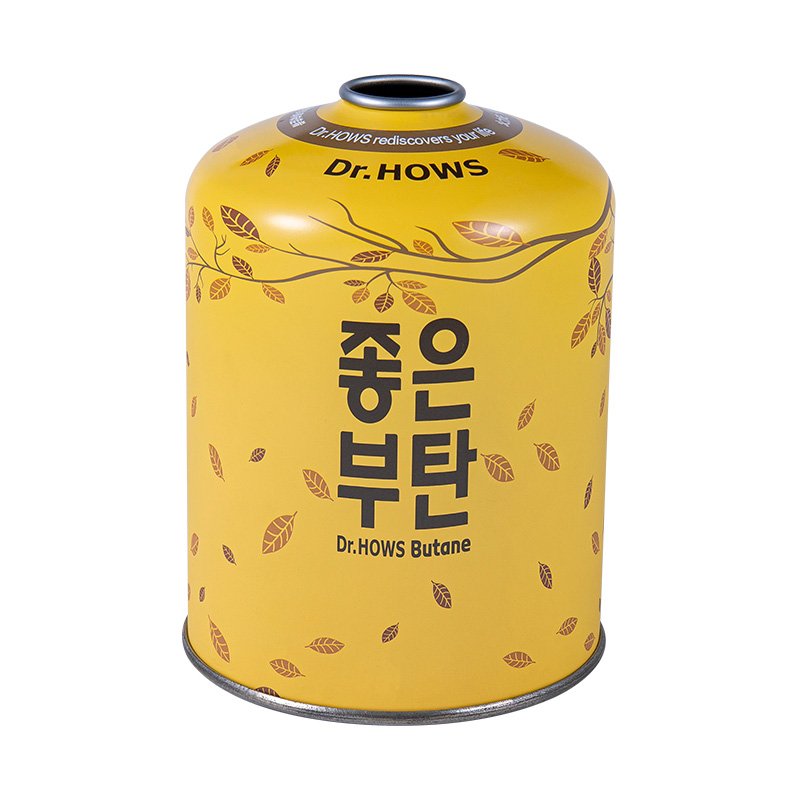
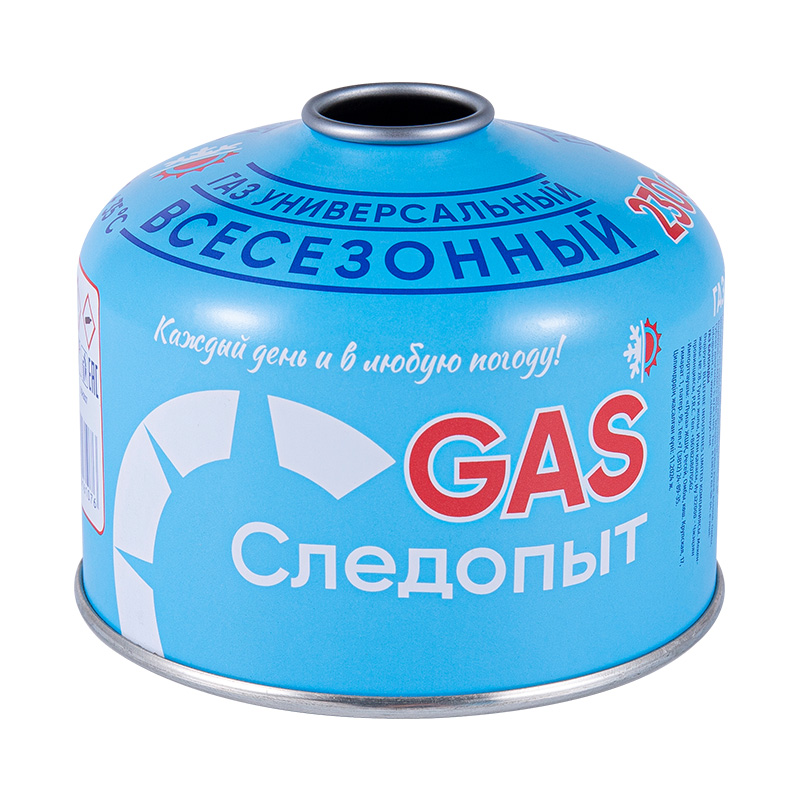
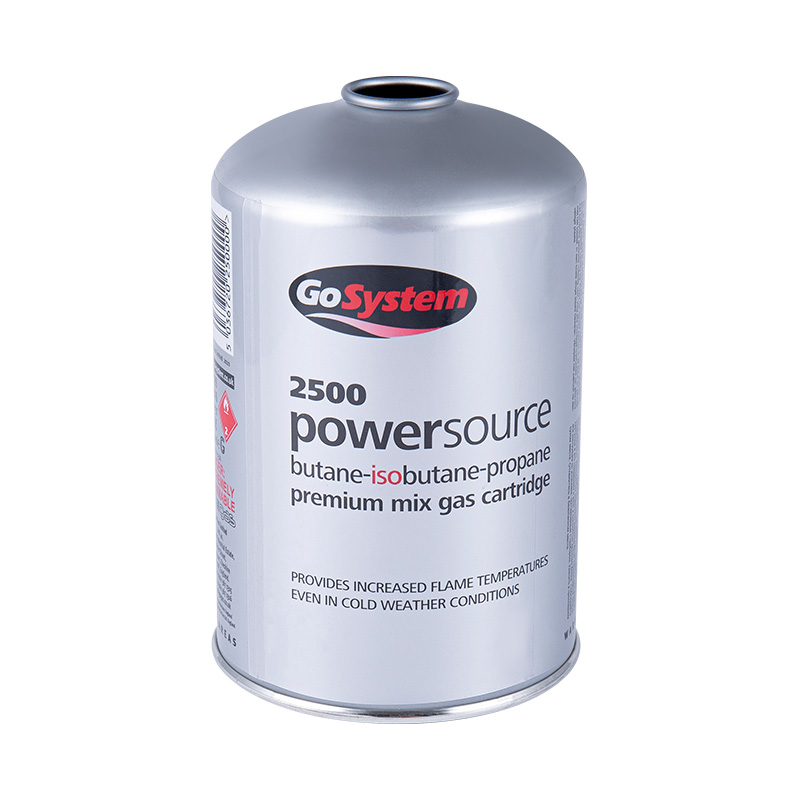
A butane gas cartridge consists of a sealed metal can holding liquefied fuel under pressure. Once attached to an appliance and opened it releases vaporized gas which burns to generate heat.
Connection methods vary across models. Certain types clip on directly whereas others use screw threads to secure them firmly. Smaller versions prioritize easy carrying while bigger ones last noticeably longer during use. Regardless of the attachment design the core function remains identical: supplying a steady controlled flow of gas to whatever portable device needs it.
Inside the cartridge the butane remains mostly liquid under pressure. When you open the valve some of that liquid immediately evaporates into gas. The vapor then travels through the valve reaches the burner mixes with surrounding air and ignites to produce a steady flame.
For consistent burning two things have to hold steady. The fuel needs to continue vaporizing at a reliable rate while the pressure inside stays high enough to keep forcing gas outward toward the appliance. Should vaporization slow down noticeably or the internal pressure drop the gas flow weakens which usually makes the flame grow smaller or simply die out.
Evaporation pulls heat away from nearby surfaces as it happens. When liquid butane changes into vapor inside the cartridge the metal exterior loses warmth quickly and often feels quite cold to the touch. Heavy continuous use can even cause frost to form on the cartridge body or near the valve.
A chilled cartridge does not always indicate that the fuel has run out. In many cases plenty of liquid remains yet it struggles to evaporate fast enough to keep internal pressure steady. Allowing the cartridge to warm back up normally restores proper gas flow and brings the flame strength back to where it should be.
If the cartridge gets excessively cold warming it gently often brings performance back to normal levels. Shifting it out of direct wind moving it into a warmer spot or holding it close to your body for a short while usually suffices to raise the temperature enough for better vaporization.
Turning down the burner output reduces the rate of fuel use which in turn helps maintain steadier internal pressure.
Shaking it gently usually produces a noticeable sloshing sound if liquid butane is still present whereas an empty one tends to feel and sound mostly hollow.
Some users judge how much fuel remains by comparing the cartridge's current weight against a known full spare which gives a quick practical sense of what's left. Another simple check involves cracking the valve open just for a moment—if you hear only a brief hiss that cuts off quickly into silence the cartridge has likely run dry or holds very little liquid now.
Cartridges fall into different size groups from small lightweight ones built for easy carrying to bigger canisters made for extended cooking without frequent swaps. How long a cartridge lasts hinges mainly on its total capacity combined with the rate at which the attached appliance draws fuel.
Burners set to high power empty the cartridge much faster whereas dialing back to moderate or low heat stretches the burn time considerably. Covering pots while cooking and avoiding prolonged blasts of maximum flame usually cuts fuel waste quite a bit and makes each cartridge go further.
Spare cartridges do best when kept in a cool dry place that gets some air circulation and stays clear of direct sun or any heat sources. Garages utility rooms or outdoor sheds generally suit them well enough as long as the temperature does not swing wildly from season to season.
Keep spare cartridges far from stoves heaters radiators or anything that puts out consistent heat. Store them standing upright and cushion them against falls or rough handling so the metal body stays free of dents and the valve remains undamaged which helps prevent any risk of leaks developing over time.
Leaks usually happen because the valve seal gets damaged the rim takes a dent or the connection sits crooked when attached. You might notice a faint hissing noise catch the sharp smell of butane or see frost building up right around the valve area.
Inspecting them for any visible dents cracks or valve issues before attaching checking that connection points stay free of dirt and storing spares in a spot shielded from heat sources all add up to fewer surprises during use.
Weather plays a bigger role than many expect. In cold conditions the vapor pressure inside drops noticeably which slows the rate of gas release and often leads to a weaker flame. Wind shields help block drafts lowering the burner setting cuts fuel demand and tucking the cartridge close to your body or in a pocket for a bit usually brings pressure back up enough to restore steady performance.
Butane gas cartridges operate on basic principles involving pressure vaporization and controlled release of gas through a sealed valve.
Even though they stay small and compact these fuel sources handle a surprising variety of tasks. If you want to dig deeper into cartridge design compatibility details or practical tips for daily use the Bluefire website offers more technical background and product specifics. They keep updating information there with a focus on portable fuel options and gear suited for outdoor energy needs.


+86-18238070562

+86-579-85791578


No.28, Tongyi Road, Yiting town, Yiwu 322000 - Zhejiang Province, P.R.C.
Copyright © Bluefire Industries Limited All Rights Reserved. Two-Piece Aerosol Can


 English
 عربى
عربى Español