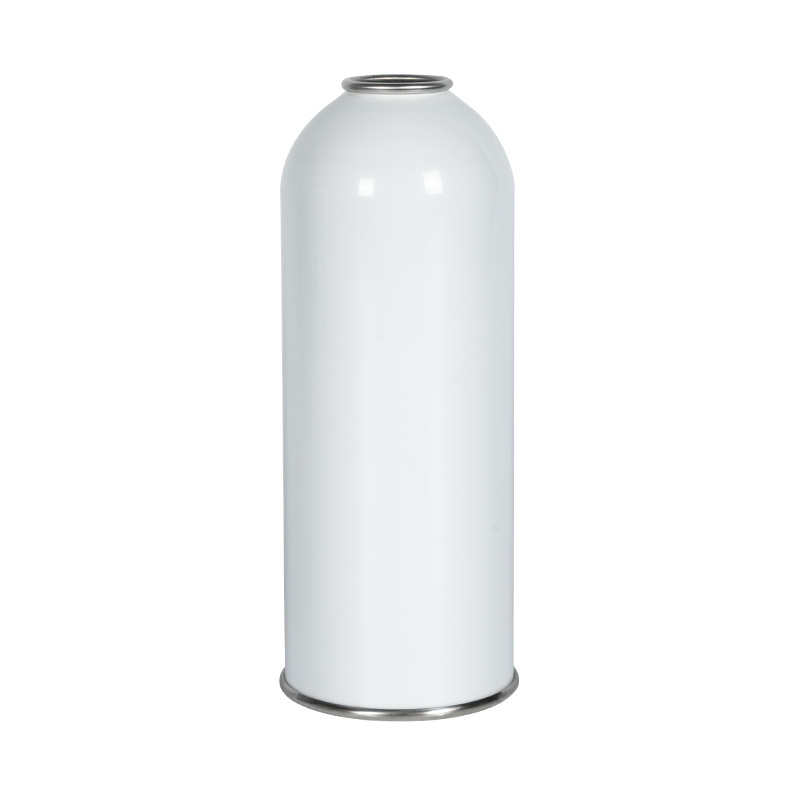
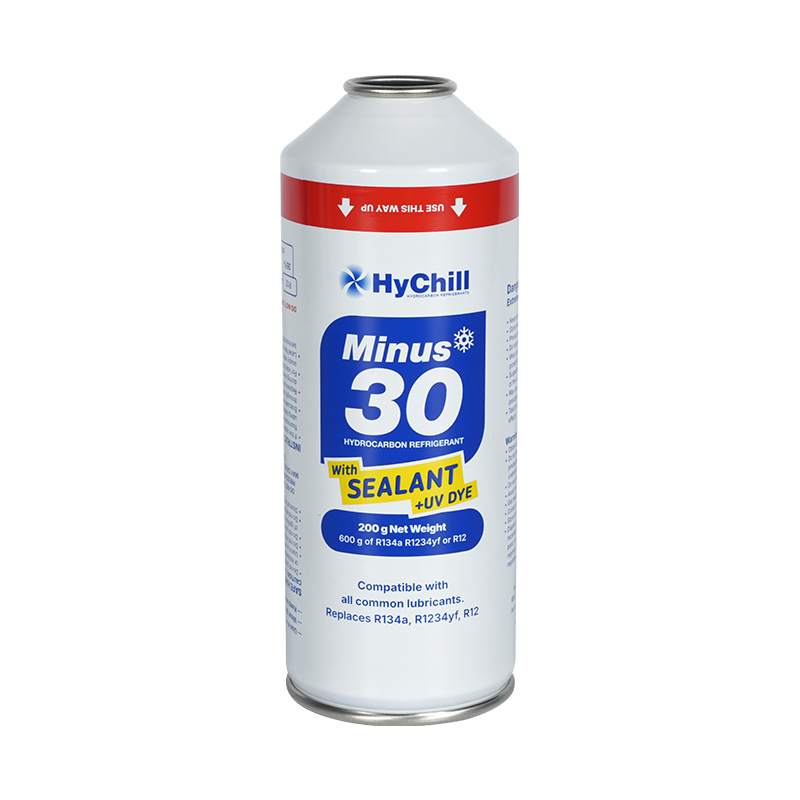
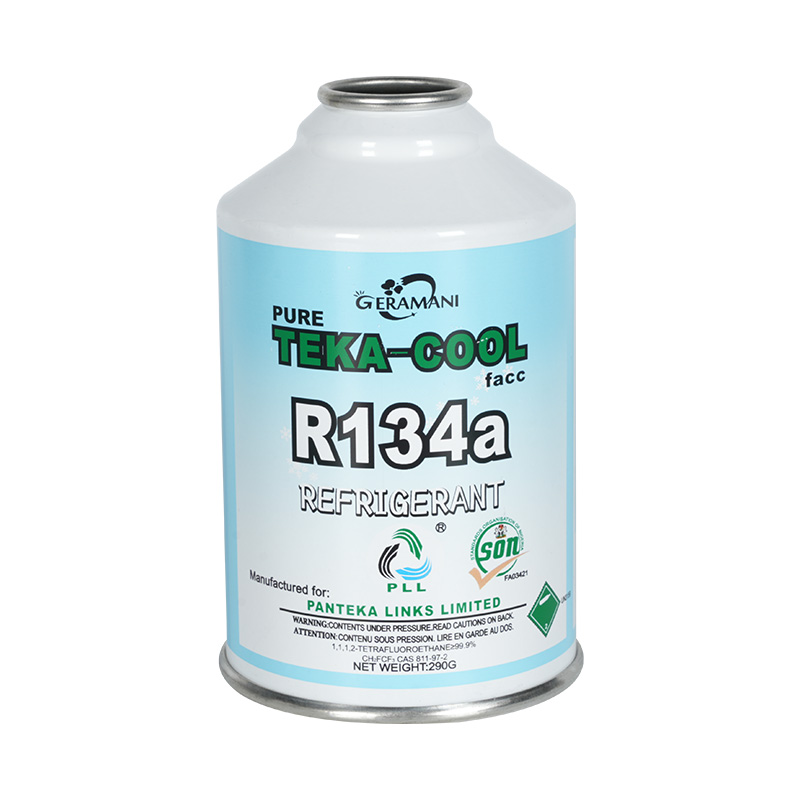
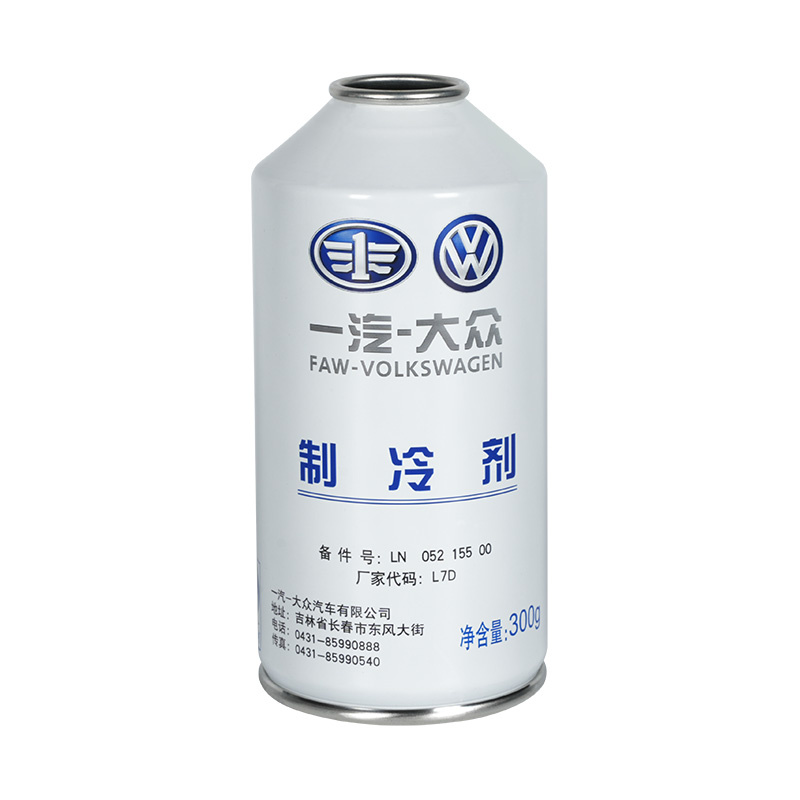
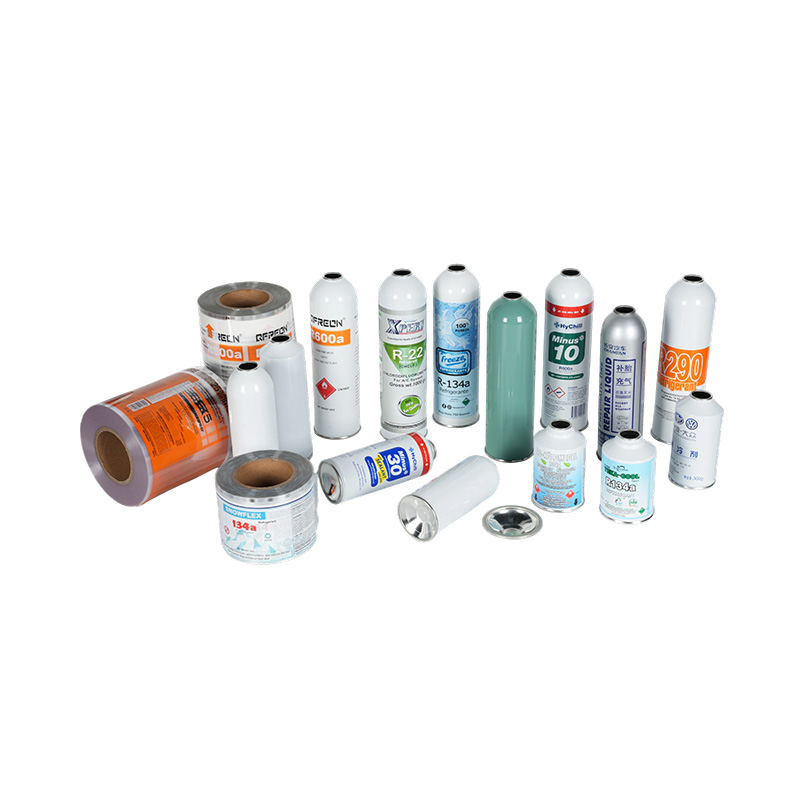
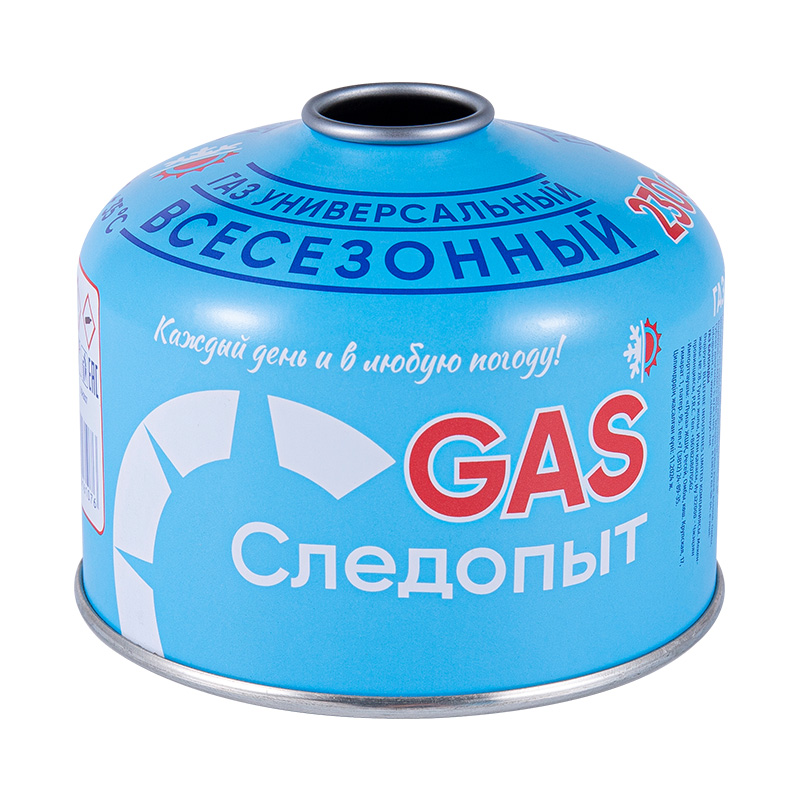
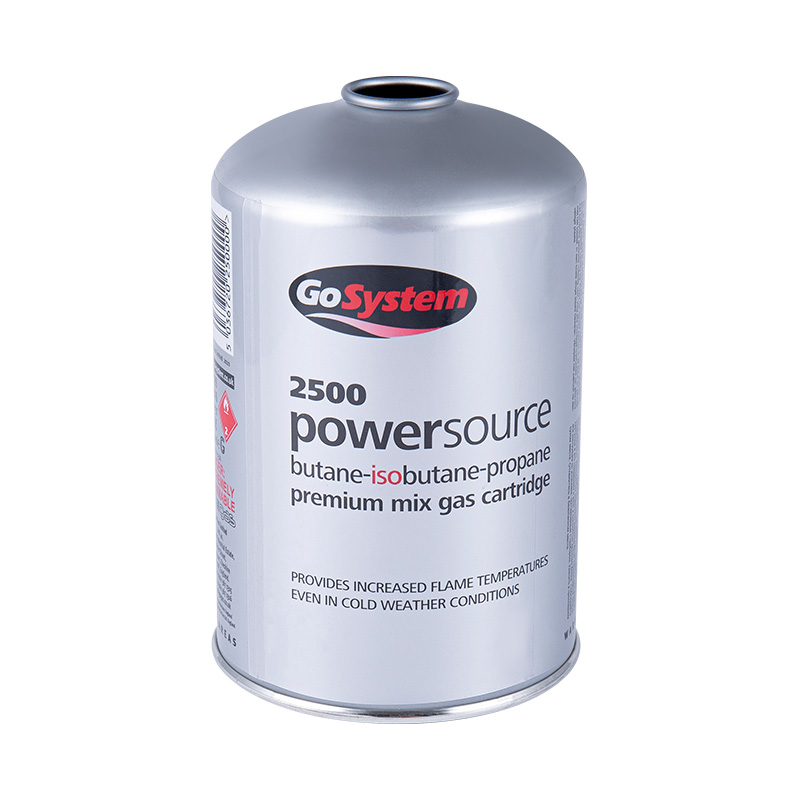
Maintenance of cooling systems frequently starts with a choice that appears minor at first—selecting the proper Refrigerant Gas Can. Although the container looks unremarkable it has a direct impact on how efficiently servicing can be performed how safely the work proceeds and how stable the equipment remains in the long run. Whether the cylinder ultimately supports reliable maintenance depends mainly on refrigerant compatibility valve construction and container capacity.
The single most critical factor when picking a refrigerant cylinder is whether its contents match the exact type the cooling system was designed for. Every system is built around one specific chemical composition that interacts in a stable predictable manner with pressure temperature and the compressor’s lubrication needs. When the refrigerant does not match performance becomes erratic pressure fluctuates and overall efficiency drops noticeably.
That same mismatch creates problems long after the initial fill because traces of the wrong gas remain inside and mix with later charges raising the chance of contamination throughout the circuit. Reliable cylinders carry clear distinct labeling so technicians can quickly confirm the formulation and prevent charging mistakes during service.
Refrigerant cylinders come in various capacities and the best size depends mostly on how often servicing happens and how much work is involved. Technicians handling occasional repairs or small top-offs usually pick smaller cans because they are lighter easier to carry around and leave less unused refrigerant sitting idle for months.
For those who service several systems week after week larger containers make more sense since the bigger charge supports steady work without constant swapping and the internal pressure stays steadier throughout extended jobs. Choosing the right capacity this way streamlines the entire process and cuts down on unnecessary interruptions.
Refrigerant cylinders hold pressure so their overall construction has to be dependable. The metal body welded seams and pressure relief valve all need to stand up to bumps during transport wide swings in temperature and the everyday knocks that happen in a service bay. When the can is solidly built the chances of it denting bending or suffering sudden failure drop sharply.
How the outside feels and sits matters too. A lightly roughened finish gives better hold even through thick gloves and a broad steady base keeps the cylinder from tipping over while someone is charging the system. Those modest touches in design make handling the refrigerant noticeably safer and easier to control.
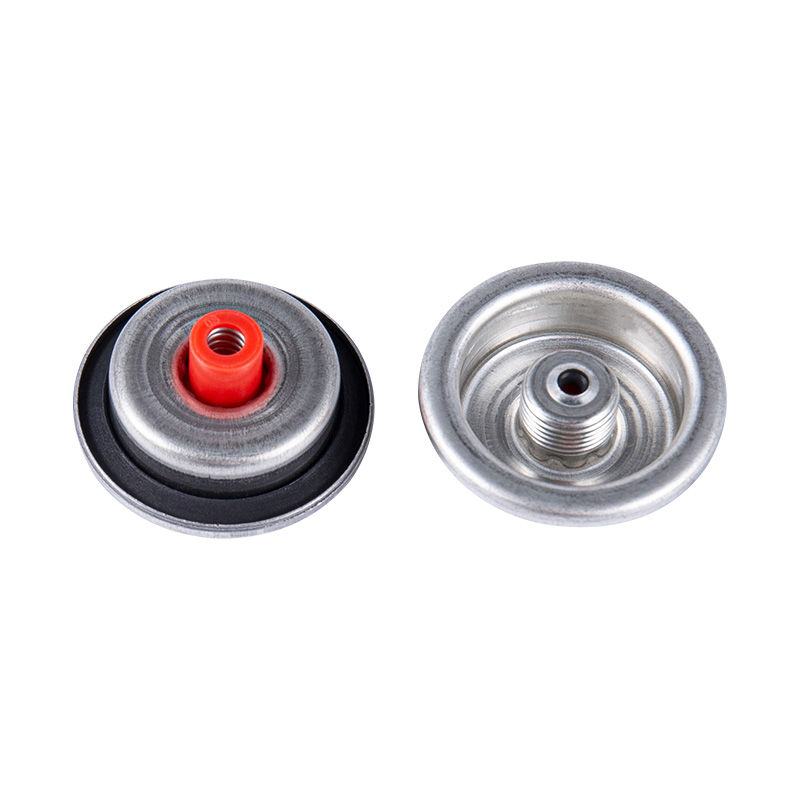
Most cans use either a self-sealing valve or a puncture type. With a self-sealing design the valve shuts on its own the moment the charging hose comes off so technicians can stop midway through a job and pick up later without refrigerant escaping into the air which makes it easier to handle jobs that take several steps.
Puncture valves work differently since they need a separate tool to break the seal before anything flows out and once pierced the can stays open until the contents run low or empty which keeps the build simpler but demands extra care to avoid unintended release during handling.
Thread fit between the can and the equipment matters just as much because gauges hoses and charging tools have to connect securely. When the threads do not line up properly the joint ends up loose and refrigerant can leak out while the system is being serviced.
Purity ranks among the key elements that decide how well the cooling system runs. Any impurities—moisture air or tiny particles—upset the internal conditions the equipment depends on. Moisture reacts with the compressor oil and weakens its ability to lubricate properly while pockets of air cause pressure to spike without warning and throw off normal operation.
Cans from reliable sources go through strict filling in isolated lines under tightly controlled settings so the refrigerant stays clean and free from mixing with other types. Strong seals keep outside contaminants out during storage and transport. When purity holds steady the evaporation and condensation processes inside the system stay balanced and predictable over time.
Most cans carry straightforward information right on the surface including the exact refrigerant type basic handling guidelines valve details and advice on where to keep it. When technicians see those markings they can pick the right cylinder without hesitation even when several different types are stacked nearby which cuts down on mix-ups.
How the cans are stored deserves attention too. They should stand upright in a cool spot with decent airflow and stay far from anything hot. Certain models come with extra protective caps over the valve or strengthened valve assemblies so nothing gets triggered by accident during loading unloading or moving around the shop.
How the inside of a refrigerant cylinder is built affects the way the gas comes out while charging. Certain cans release only vapor which suits most automotive and home air-conditioning jobs. Others have a dip tube reaching to the bottom so liquid refrigerant flows instead and that setup fits some commercial or industrial charging techniques where liquid feed is needed.
When the discharge stays steady technicians find it much easier to watch gauge readings closely and catch any pressure changes early. In most professional shops technicians turn to brands like Bluefire that offer cylinders built specifically around real-world servicing needs while keeping consistent quality and meeting widely accepted industry requirements.


+86-18238070562

+86-579-85791578


No.28, Tongyi Road, Yiting town, Yiwu 322000 - Zhejiang Province, P.R.C.
Copyright © Bluefire Industries Limited All Rights Reserved. Two-Piece Aerosol Can


 English
 عربى
عربى Español