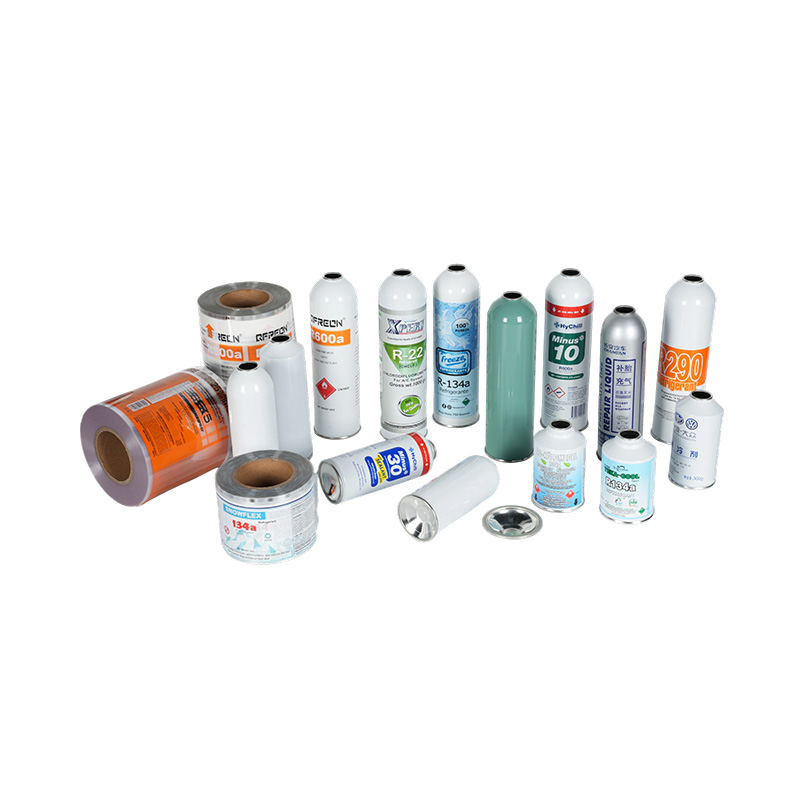
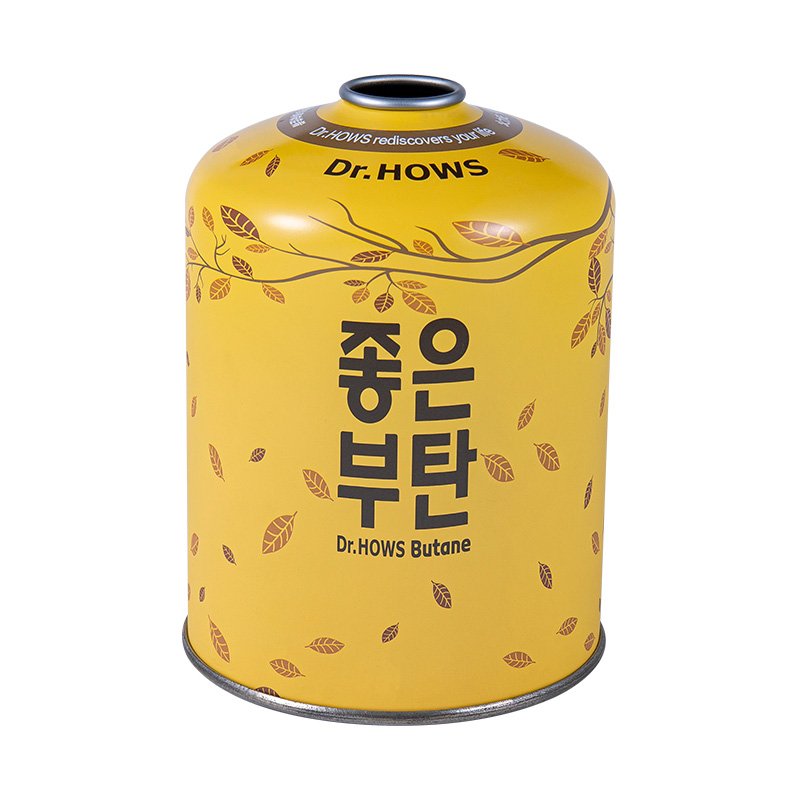
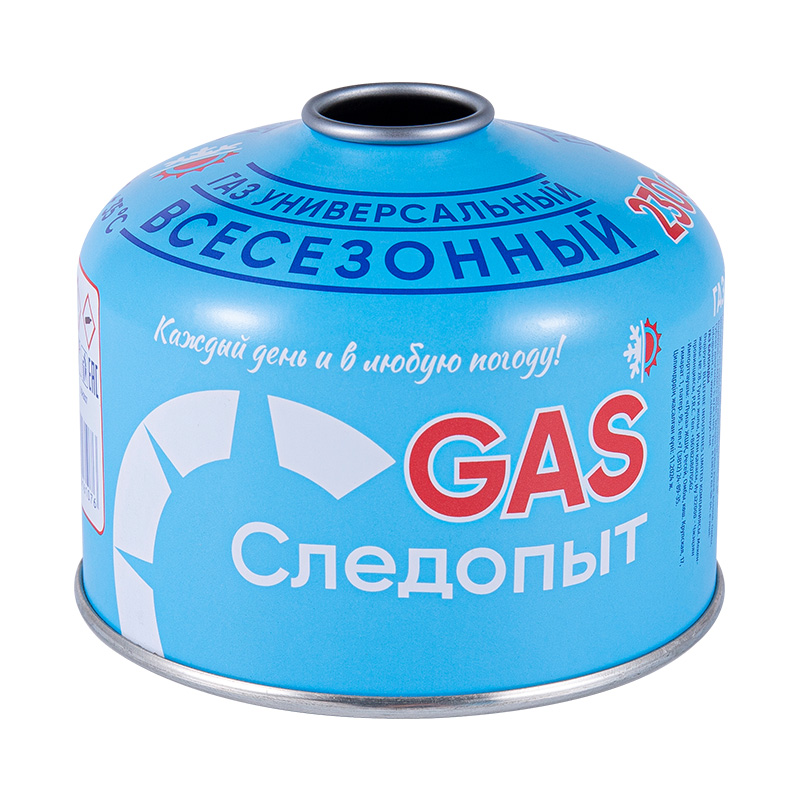
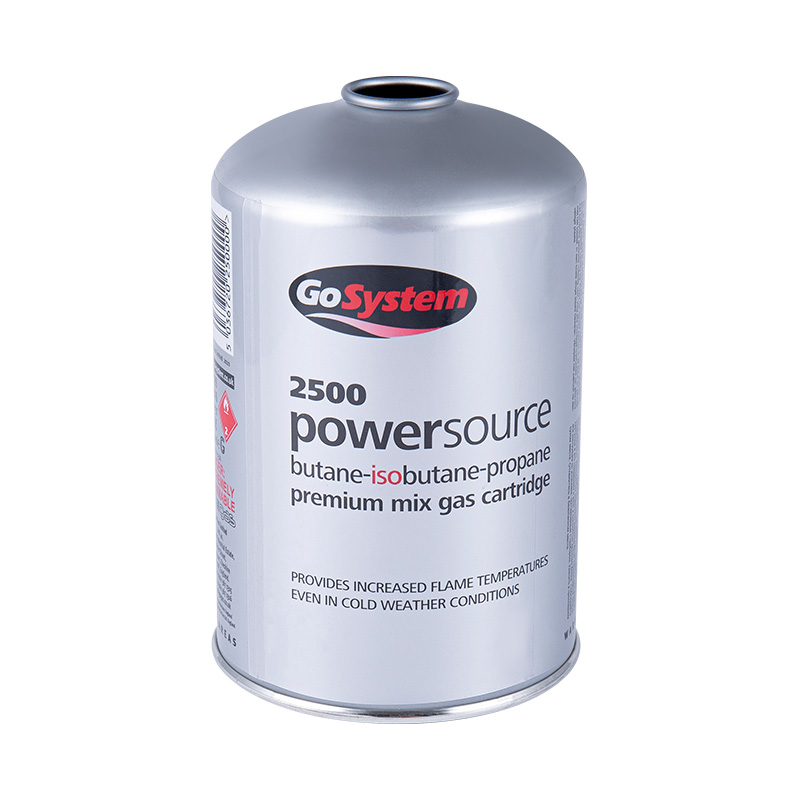
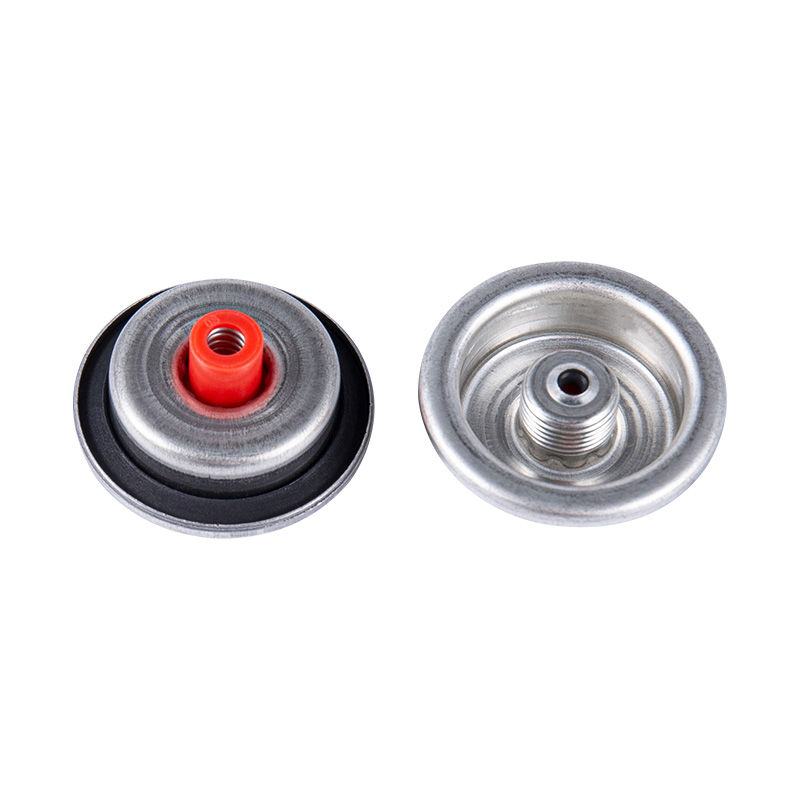
Packaging teams often face the challenge of technical and business choices, and two-piece aerosol cans are key to decisions regarding material compatibility, aesthetics, and filling line integration. Its seamless can body and neck design will affect the effectiveness of internal coatings and formulations, high-speed printer graphic registration, and supply chain delivery time and schedule. Designers, brand managers, and filling engineers evaluate can wall geometry, coating systems, and valve interfaces to minimize production surprises and ensure shelf appeal. Practical checkpoints and samples provided by manufacturers such as Bluefirecans can translate production variables into procurement specifications for testing. When brand owners plan to launch new aerosol products or update their product lines, they often wonder what a two-piece aerosol can is and how its structure affects subsequent decisions. It consists of a deep-drawn can body and a separate top with a valve. It is popular in personal care and other fields because it has no vertical side seams, a smooth surface that is easy to print on, and uniform pressure distribution. Understanding them is crucial because downstream decisions relate to can forming, coating, and surface treatment, and material selection is also related to their stretch-and-iron structure. Subsequent chapters will detail each stage of production, compare two-piece and three-piece designs, discuss material and coating selection, share practical factors that brand teams need to consider when choosing can types, and provide real-world examples and checklists to help you translate technical details into cost-influencing decisions and start a clear aerosol project.
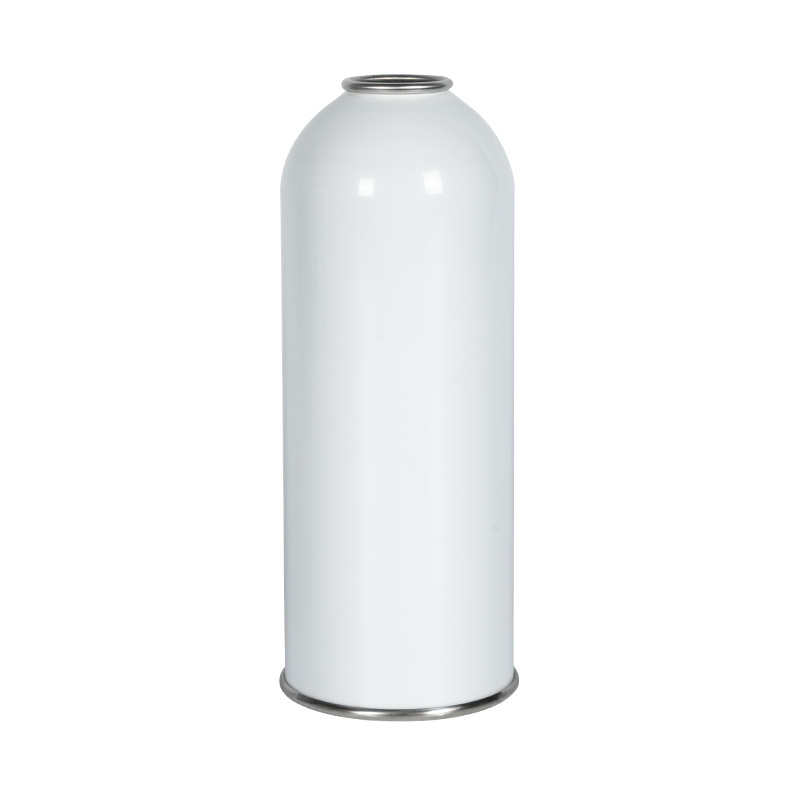
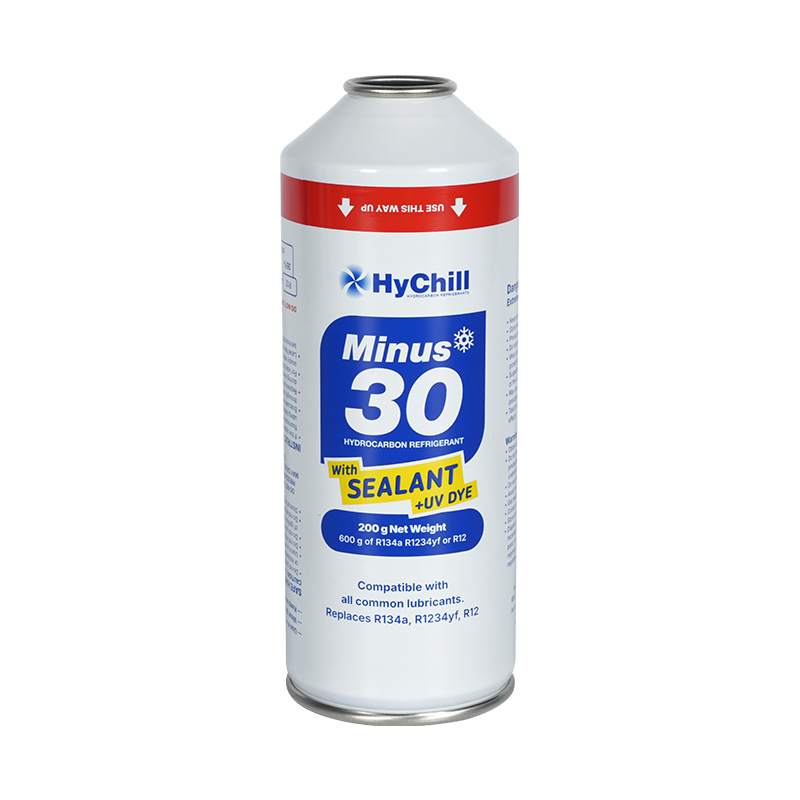
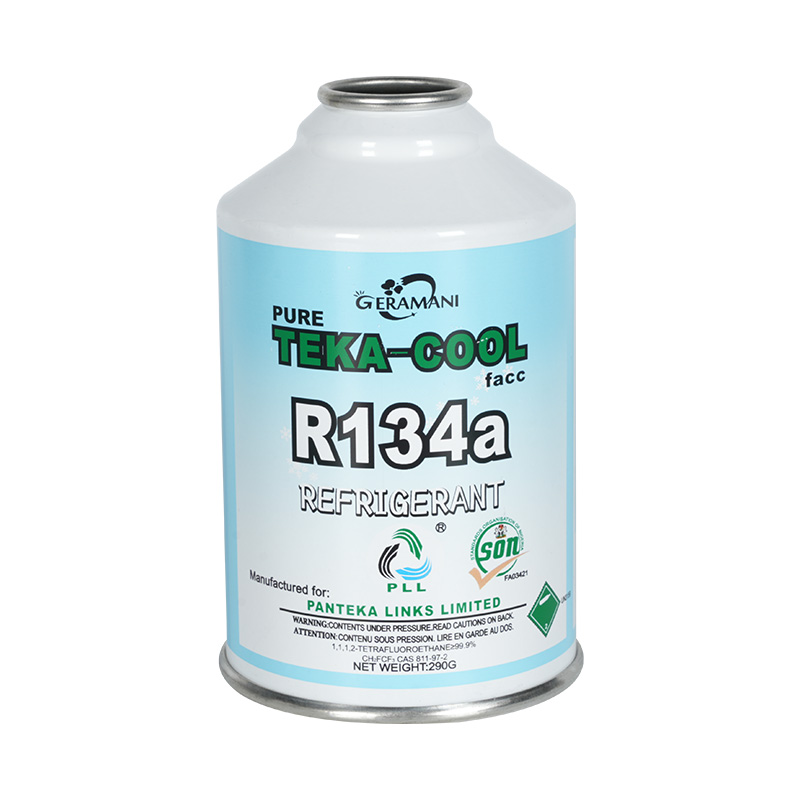
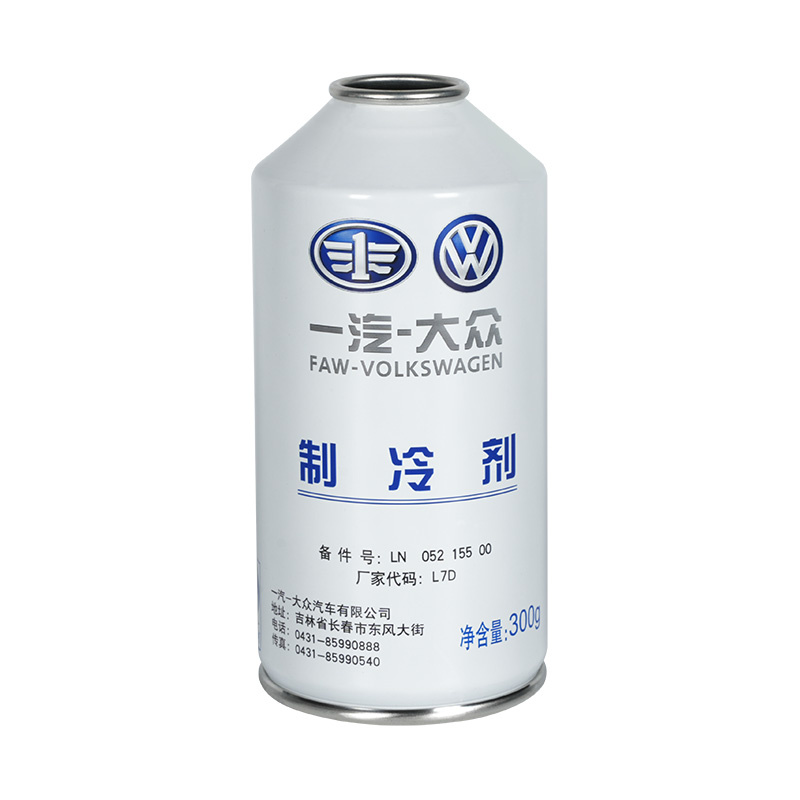
A Two-Piece Aerosol Can is a metal container manufactured from a single drawn body and a separate top component that holds the valve cup. The body is created through deep drawing and wall-ironing processes, which stretch the metal into a smooth cylindrical shape without a vertical side seam. This continuous structure gives the can a uniform surface that supports detailed printing, consistent shaping, and stable dimensional control.
A Two-Piece Aerosol Can appears simple at first glance, yet the phrase Two-Piece Aerosol Can sits at the center of design choices that affect compatibility, decoration, and supply chain strategy for many packaged goods. For brand owners and packaging engineers, the can's pared-down construction — a single drawn body paired with a separate end — makes decisions about materials, coatings, and line integration especially consequential. Attention to these choices helps marketing teams keep decorative freedom while minimizing surprises on filling lines, and it helps product developers align internal protection with the product formulation.
The discussion that follows walks through how these containers are produced, where their characteristics differ from other metal formats, how materials and printing choices affect both appearance and compatibility, and what brand teams typically weigh when considering a switch. Practical notes and a brand perspective from Bluefirecans are woven through the technical descriptions so teams can connect manufacturing realities to commercial decisions.
Two-piece canmaking begins with coil stock and finishes with a fully decorated, valve-ready container. The sequence below outlines typical operations seen on high-speed lines and in canmaking plants that supply the aerosol market.
1. Coil selection and blanking
Coils of metal — commonly aluminum or coated steel — are selected for surface condition and internal/external coating compatibility. Blanking cuts circular discs from the coil which become the starting " cups " Material selection at this stage sets the tone for corrosion resistance and printability.
2. Cupping (deep drawing)
The blank is formed into a shallow cup by a punch and die. Deep drawing converts the flat disc into an initial cup shape without seams, preserving a continuous body that will later take the can's full height.
3. Wall ironing and redrawing
The cup passes through ironing rings or redrawing stations that thin and lengthen the walls to the final height and wall profile. Ironing improves material distribution and yields a consistent wall thickness suited to high internal pressures.
4. Trimming, doming and necking
Trim stations cut the can to precise length, then the base dome is formed for structural strength. Necking reduces the upper diameter in stages to allow for valve seating and crimping tolerances. Each operation is tuned to ensure sealing geometry and to control internal stress in the metal.
5. Surface cleaning and internal coating application
Cans are cleaned to remove lubricants and oxides before an internal coating is applied. Internal lacquers protect the metal from product interaction and stop taste or odor transfer for sensitive formulations. Different internal systems are selected based on product chemistry.
6. External lacquering and base coating
An external primer or base lacquer readies the surface for high-quality printing and protects the decoration from handling abrasion. This layer also contributes to corrosion resistance in certain environments.
7. High-speed printing and varnishing
Decoration happens on web printers or turret machines. Conventional dry-offset processes remain common for multi-color work, while direct-to-shape and digital systems are becoming available for shorter runs and rapid SKU changes. A final varnish or UV cure protects the print and sets gloss or tactile finish.
8. Valve cup placement and component attachment
Valve components may be attached on dedicated assembly lines that match the filler's timing. For many aerosol fillers, valve attachment strategy — whether on the canmaker's line or by the filler — is an important logistics and quality decision to coordinate in advance.
9. Curing, inspection and packing
After curing, cans undergo dimensional, coating adhesion and leakage inspections. Automated vision systems and pressure checks spot defects before cans are palletized for shipment to fillers. Packout and pallet patterns are selected to protect decorated surfaces in transit.
Two-piece formats are distinguished by the way the body and base are formed together; three-piece containers are assembled from a cylindrical shell joined to discrete ends. Important practical differences affect structural behavior, decoration, and recycling paths.
| Feature | Two-Piece Can | Three-Piece Can |
|---|---|---|
| Side seam | Absent — seamless body | Present — body welded or soldered |
| Decoration continuity | Continuous wrap-around | Artwork interrupted by seam |
| Typical pressure handling | Strong dome and wall profile | Dependent on seam quality |
| Size/customization flexibility | Constrained by tooling | Flexible via body length and seam |
| Typical use cases | High-pressure aerosols, beverage | Industrial, specialty volumes |
Choice of metal and coating system affects weight, corrosion resistance, and how the interior interacts with formulations.
Aluminum is widely selected where weight reduction, corrosion resistance and a high-quality finish are priorities. Tinplate (coated steel) is still used for some aerosol formats where material cost or different mechanical properties are preferred. Either base metal is often supplied in coil form with factory coatings that match the downstream processes.
Wall thicknesses and the specific alloy composition are matched to expected internal pressures and the ironing/redrawing strategy. Internal lacquers and epoxy/phenolic systems are chosen to resist solvent or reactive product chemistries, while external primers help adhesion for printing. Water-based and solvent-borne chemistries coexist, and filler teams coordinate selection with suppliers based on chemical compatibility.
| Product category | Typical internal coating focus |
|---|---|
| Personal care | Neutral taste/odor, low migration |
| Household aerosols | Solvent resistance, abrasion protection |
| Technical/automotive | Chemical resistance to fluids and propellants |
| Food grade | Food-contact compliant, low extractables |
Teams at Bluefirecans work with brand customers to match lacquer chemistry to product requirements so interior protection and outward appearance align with shelf expectations.
Base lacquers and varnishes are engineered for print adhesion and scuff resistance. Lightweighting — reducing wall thickness and refining doming geometry — continues as a design focus to improve material efficiency while keeping structural performance within safe margins. Regulatory and recycling pressures push both raw material selection and lacquer choices.
A discussion with Bluefirecans' technical team typically starts with product formulation and ends with a pilot run that validates decoration, valve fit, and fill line behavior.
Decoration delivers brand cues and product information, but it must harmonize with manufacturing realities.
Dry-offset is a long-standing solution for multi-color, high-quality graphics on cylindrical surfaces. It offers repeatable color registration on high volumes and is compatible with many lacquer systems.
Full-color work is common; the exact number of process and spot colors is a balance among artwork complexity, run length, and cost. Special effects such as tactile finishes, gloss/matte contrasts, and metallic highlights are produced with varnishes, cold foils, or spot coatings rather than relying solely on print inks.
Digital systems that print directly onto shaped metal are gaining use for shorter runs, rapid SKU changes, and personalization. These processes reduce the need for plates and allow creative experimentation, though they demand coordination with coating and cure systems so adhesion and abrasion resistance meet retail handling needs.
Printing variable data such as batch codes and QR links is now routine. When a printed QR code is part of a brand experience, file resolution and varnish selection must preserve scannability after surface finishing.
Topcoats and varnishes protect decoration from rubbing, chemical exposure, and humidity. UV curing and thermal ovens are common cure strategies; curing parameters receive validation during preproduction to avoid coating failures at the filler.
| Printing method | Best for | Typical trade-offs |
|---|---|---|
| Dry-offset | High volumes, complex color | Plate costs, setup time |
| Digital DTO/DTO-like | Short runs, customization | Investment in new printers |
| Shrink sleeve | Full-body coverage on odd shapes | Extra process step, film waste |
Shrink sleeves can be applied to two-piece cans in some cases where wrap coverage or tactile finishes are desired and when the can geometry supports sleeve application.
Two-piece drawn cans are versatile and appear across multiple categories because their construction balances pressure integrity with decorative potential.
1. Personal Care and Cosmetics
Two-piece cans are widely adopted in products that require clean appearance and reliable dispensing.
Common items include:
Their smooth, seamless body helps support branding and high-quality graphic printing.
2. Household Care
Household products often need packaging that maintains stability during storage and repeated use.
Typical applications include:
3. Automotive and Industrial Maintenance
The pressure resistance and metal integrity of two-piece cans support a range of automotive care products:
They are also used for light industrial sprays such as rust protectants or tool maintenance products.
4. Pharmaceutical and Healthcare
Some medical and hygiene-related formulations use two-piece cans to achieve consistent dosing.
Examples:
5. Food and Beverage Applications
When combined with food-grade linings, two-piece aerosol cans can be used for:
6. Outdoor and Sports
Certain outdoor-use aerosols rely on durable and portable metal packaging.
7. Pet and Veterinary Care
These cans may also package products such as:
A balanced view helps project teams trade off performance, aesthetics, and cost.
The container body is drawn from a single aluminum or steel piece, removing the need for a vertical side seam and reducing potential leakage points.
The smooth cylindrical surface allows for multi-color printing, gradient effects, and detailed graphics, benefiting brand presentation.
Reduced metal usage supports transport efficiency and lower material consumption.
The deep-drawn body and uniform wall thickness contribute to stable performance for various filling pressures.
Widely used for personal care, household chemicals, automotive care, and food aerosols.
Producing two-piece cans requires specialized drawing and wall-ironing lines, which increases capital requirements.
Body height and diameter options are tied to tooling setups, making small-batch customized sizing more challenging.
Aluminum or steel sheets must have strict mechanical and surface requirements to avoid cracks or wrinkles during forming.
Any change in design, graphics, or tooling may require additional trial runs and setup time.
Depending on the internal coating system, some formulas may require extra testing or alternative packaging structures.
Selecting a supplier is a technical and commercial exercise.
Bluefirecans positions technical support early in the process so that brand owners and fillers can align chemical compatibility and fill line timing prior to placing large orders.
| Checklist item | Why it matters |
|---|---|
| Product formulation review with supplier | Ensures internal lacquer compatibility and shelf life |
| Valve geometry and crimp tolerance confirmation | Prevents leakage or crimp defects on the filler |
| Decoration proof and varnish cure validation | Ensures print adhesion and scannability for codes |
| Pilot fill on actual filler line | Reveals handling, transport and valve performance issues |
| Recycling and EOL plan aligned with procurement | Matches material choice to market recycling streams |
The coordination of formulation, can specifications, and filling equipment impacts the product launch process. Selecting a two-piece aerosol can requires balancing multiple factors. Early validation facilitates management oversight; trial fillings and other methods can identify issues before full-scale production, and recorded test results can support purchasing decisions. Partnering with suppliers who can provide guidance such as coating data can shorten validation cycles and reduce filling line unexpected events. Paying attention to material selection ensures that packaging remains flexible in response to market and regulatory changes. The success of the aerosol project stemmed from a clear understanding of the impact of the two-piece aerosol can and its structure on formulation protection, with each process designed to create packaging that balances performance, image, and compatibility. The brand team understood the material requirements early on, resulting in fewer unexpected issues during large-scale production and market launch. Practical checklists and other tools provide a framework for review by relevant personnel. Two-piece aerosol can technology has evolved, but the core principle remains unchanged. When the formula and other factors are compatible, reliable packaging can be created. Teams exploring projects with specific diameters should contact established manufacturers; initial technical discussions can save adjustment time and accelerate the transformation of concepts into finished products.


+86-18238070562

+86-579-85791578


No.28, Tongyi Road, Yiting town, Yiwu 322000 - Zhejiang Province, P.R.C.
Copyright © Bluefire Industries Limited All Rights Reserved. Two-Piece Aerosol Can


 English
 عربى
عربى Español