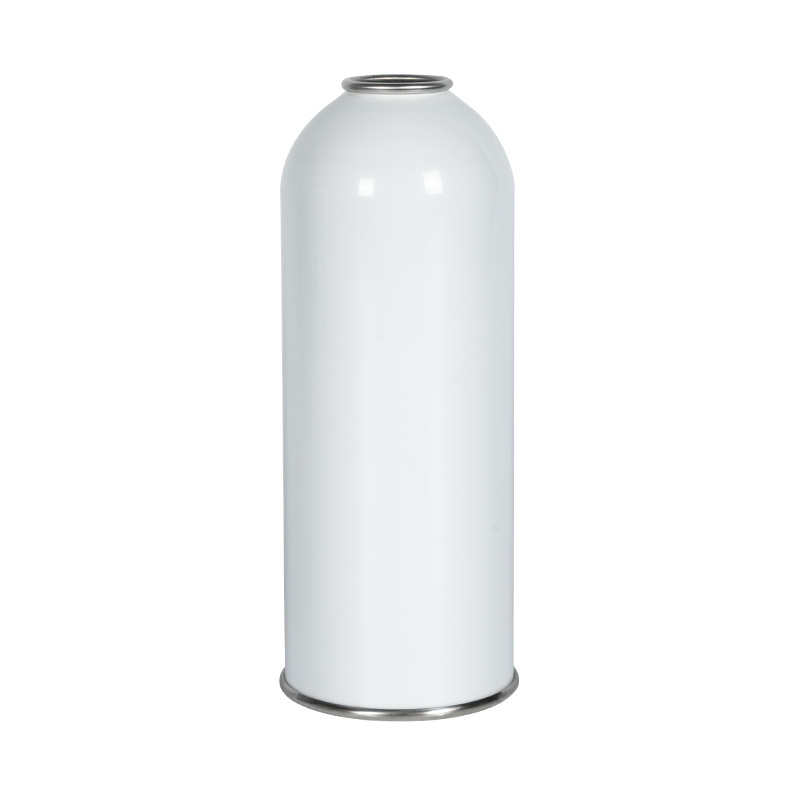
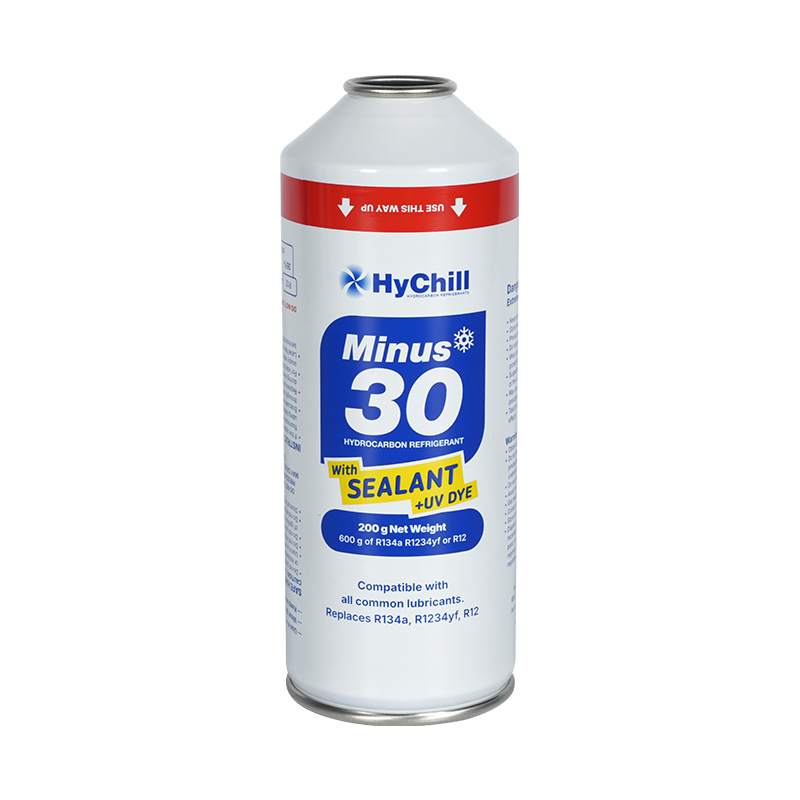
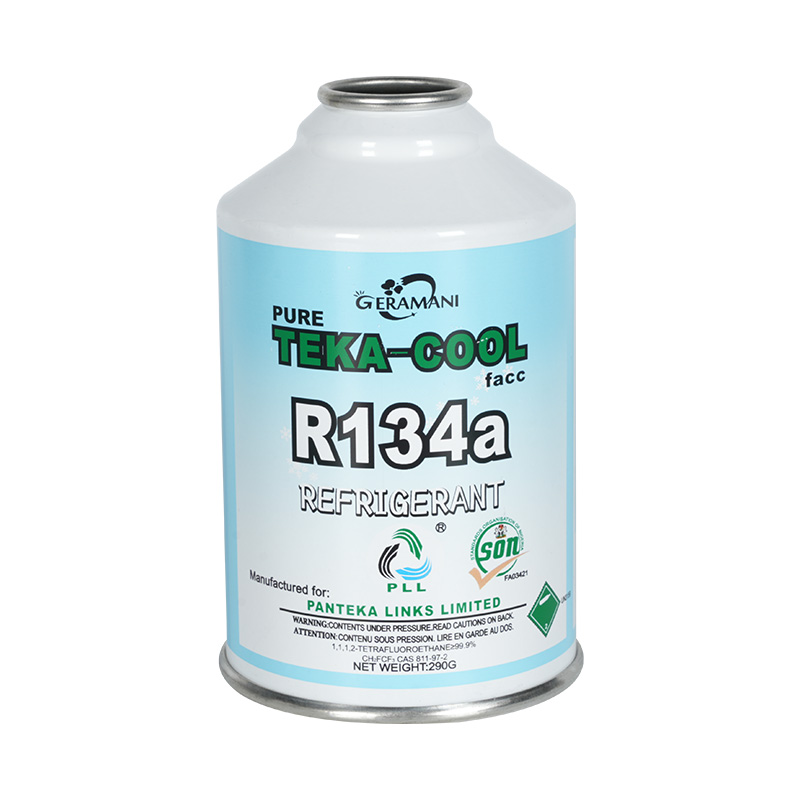
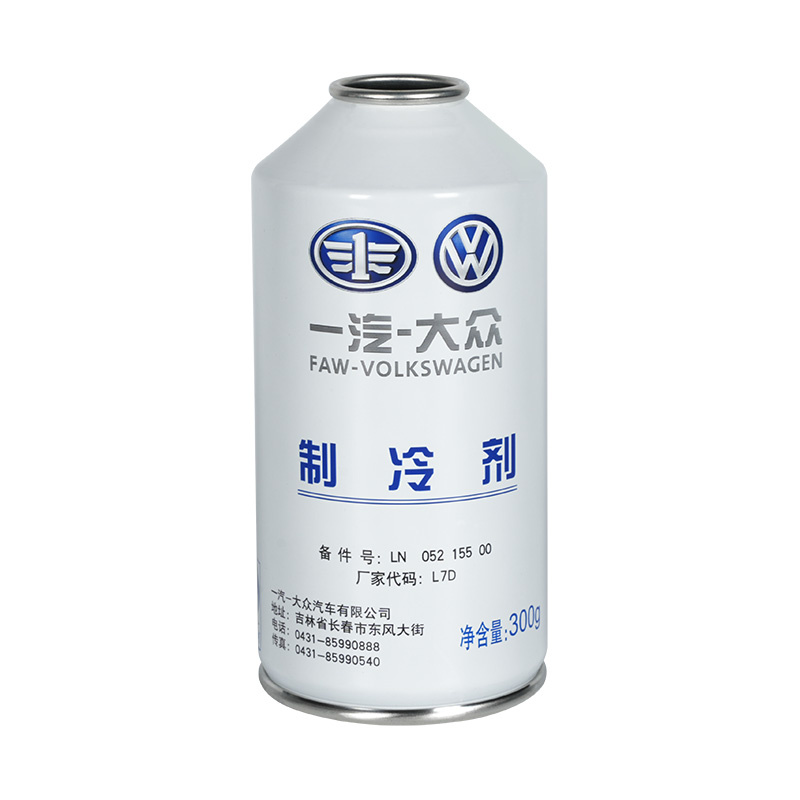
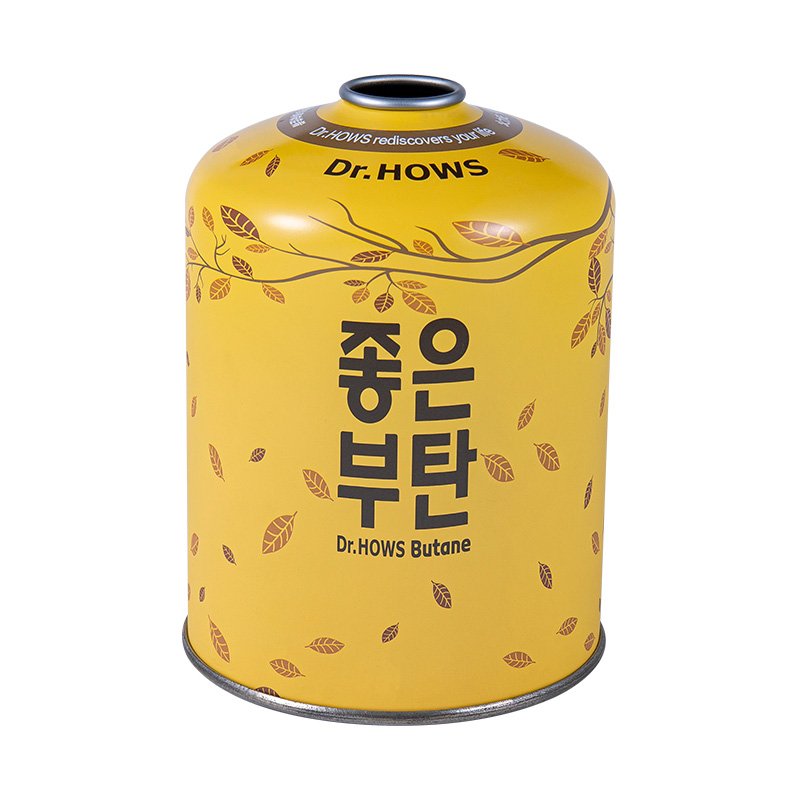
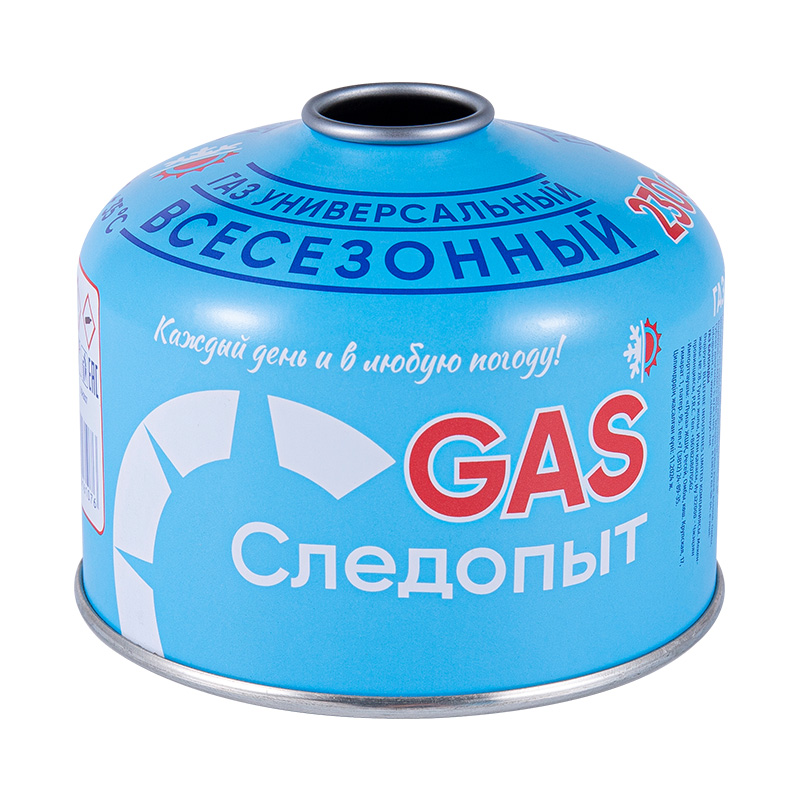
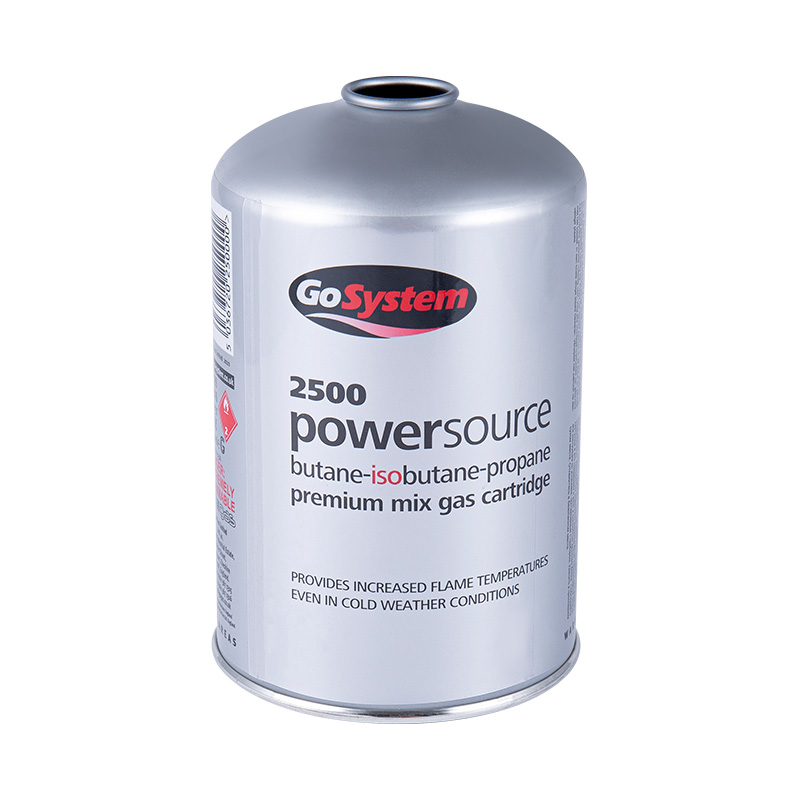
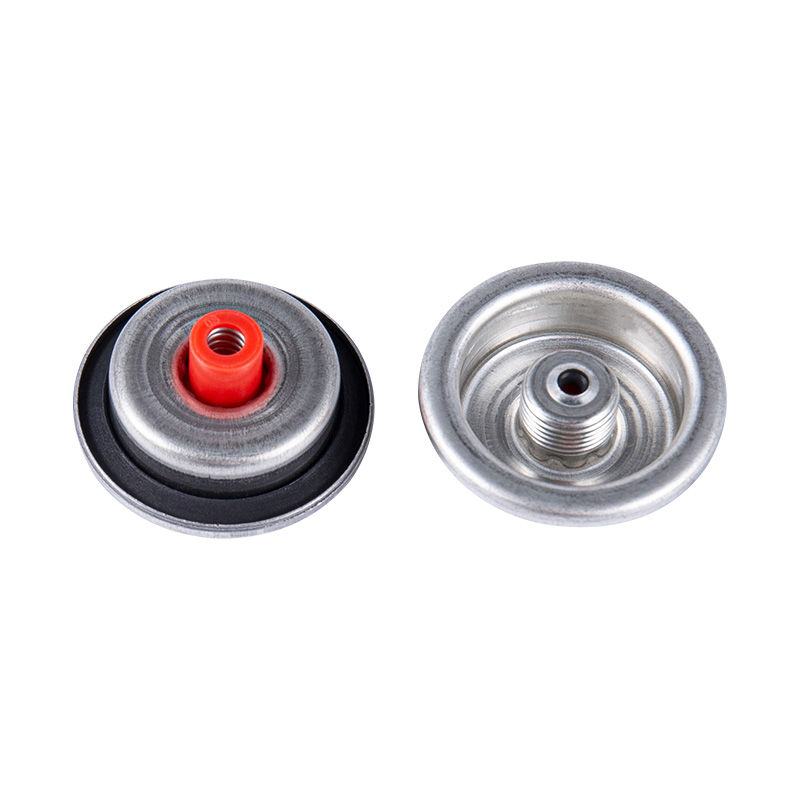
Most of us who get out camping or hiking end up using the usual 450g threaded gas canister for the stove. It’s made of tinplate, weighs somewhere between 175g and 190g empty (varies a little by maker), and hits 625 – 645g when it’s full. Ever put one on the kitchen scales just to see? Do it once – it’s dead easy and stops you hauling half-empty cans around for no reason.
Here’s some no-nonsense advice on keeping your 450gr gas canister in decent nick, with a few proper numbers so you know it’s not just guesswork.
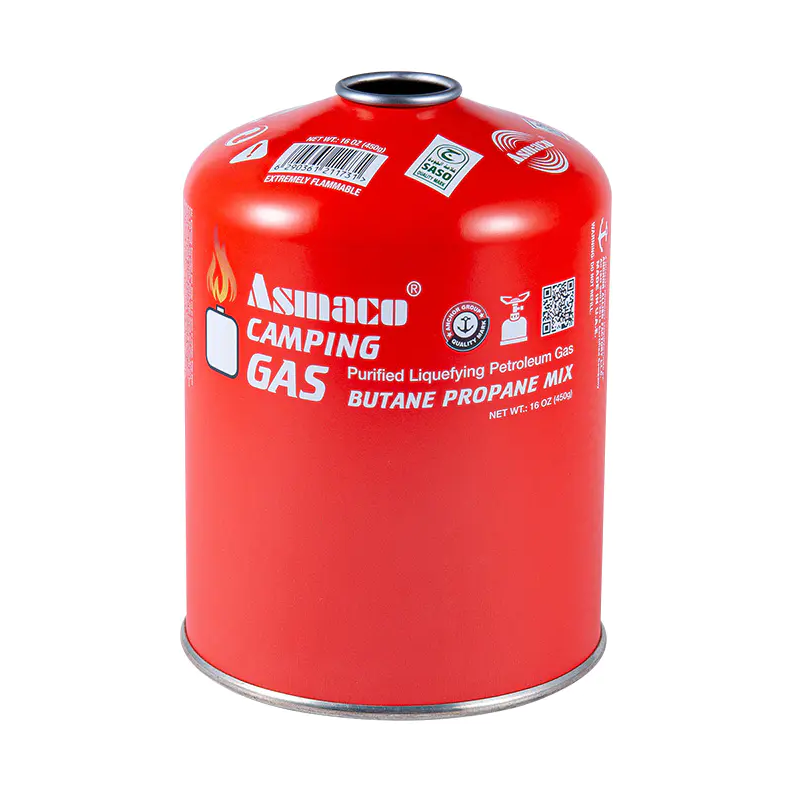
Weekend car camping
You chuck everything in the boot and the canister rattles around on the drive, then sits in the sun or gets damp overnight. Before you set off, stick it in a cheap plastic crate or box with an old towel or bit of foam wedged round it – it’s only 0.6KG in full, super light, but a sharp edge in the car can still put a dent in it. At camp, leave it somewhere shaded with a bit of airflow. Don’t let it get hotter than about 40°C, and over lots of hot trips that can make the thread feel rough. Keeping it 0–40°C is the sweet spot; even a scrap of camping mat under it or a basic sleeve cuts down heat soak by 20–30 %. When you pack up for the night, screw the little plastic cap back on, shove the whole thing in a carrier bag or drysack to keep dew off, and you’re sorted. Get home, quick wipe, stand it up in the shed or cupboard. Treat it like that and it’ll still look and screw on fine after dozens of weekends.
Keeping it at home long-term (especially in a flat)
In a flat you haven’t got much space, so the canister often just lives in a cupboard for weeks or months between trips. Always store it upright on a shelf that gets a bit of air – leaving it on its side puts uneven weight on the bottom and makes dents 10–15 % more likely. Keep it away from the radiator. Once a month give it a wipe with an old tea towel and check for any rust specks. In winter when the heating’s blasting and the air’s really dry (below 30 % humidity), chuck in one of those little silica packs – it drops condensation risk by more than half. The weighing thing is genuinely useful here: full cans are 625–645g, so if you check it on any half-decent kitchen scale you’ll spot if it’s got damp or dusty (more than about 5g extra is a giveaway). Do that and the thread stays clean and crisp, ready to screw straight on next time you head out.
Long hikes or bikepacking trips
On a multi-day walk or ride every gram counts, and the empty 450gr gas canister is only 175–190g – usually just 3–5 % of your total pack weight. Write down the exact weight of each one before you leave (full ones run 625–645g) and you can keep your daily fuel guesswork to under 10g just by hopping on the scales now and again. While you’re moving, keep it in a side pocket inside a padded cover – that eats about 80 % of little knocks from rocks or branches. When you stop for a brew, pull it out and stick it in the shade so it doesn’t heat up and expand. If it gets a soaking, dry the outside straight away – the factory coating normally keeps rust down to under 0.1 %. Overnight stand it upright on flat ground; if it’s properly cold (down to –10°C) wrap it in a spare fleece for a while to take the edge off thermal stress by roughly 30 %. At the end of the trip give it a wipe, let it dry fully, and weigh it again. Look after it this way and one canister will easily do 2–3 big trips with barely any wear on the thread (less than 5 %).
Bottom line: keep the temperature sensible (0–40°C), always store upright, give it the odd wipe, and make weighing it a habit using that 175–190g empty figure as your reference. Your 450g gas canister will stay solid for years.
Go on – have you weighed yours yet? It’s one of those tiny things that ends up saving hassle every single trip.


+86-18238070562

+86-579-85791578


No.28, Tongyi Road, Yiting town, Yiwu 322000 - Zhejiang Province, P.R.C.
Copyright © Bluefire Industries Limited All Rights Reserved. Two-Piece Aerosol Can


 English
 عربى
عربى Español