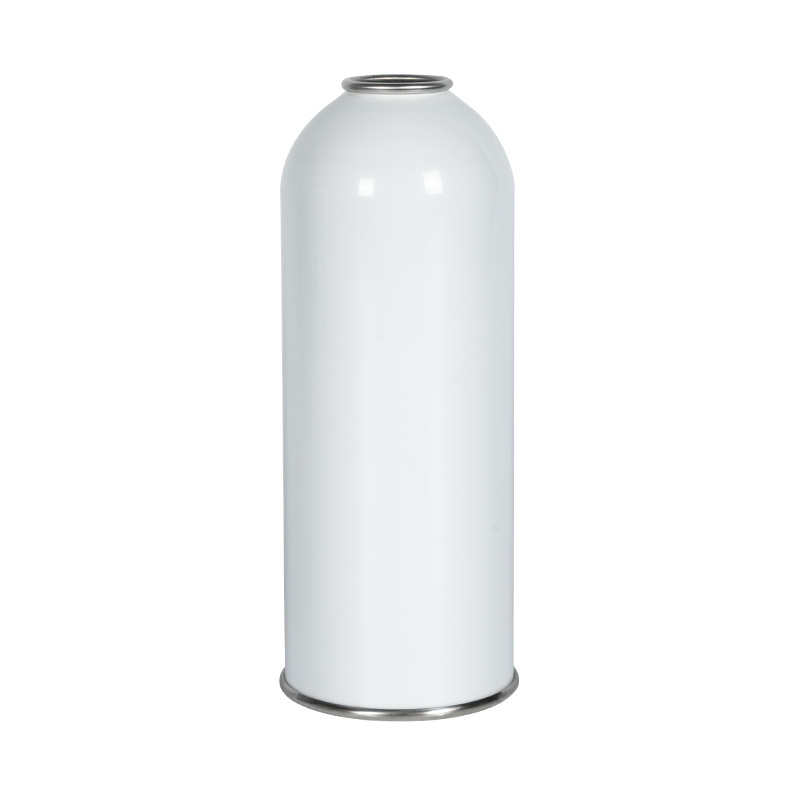
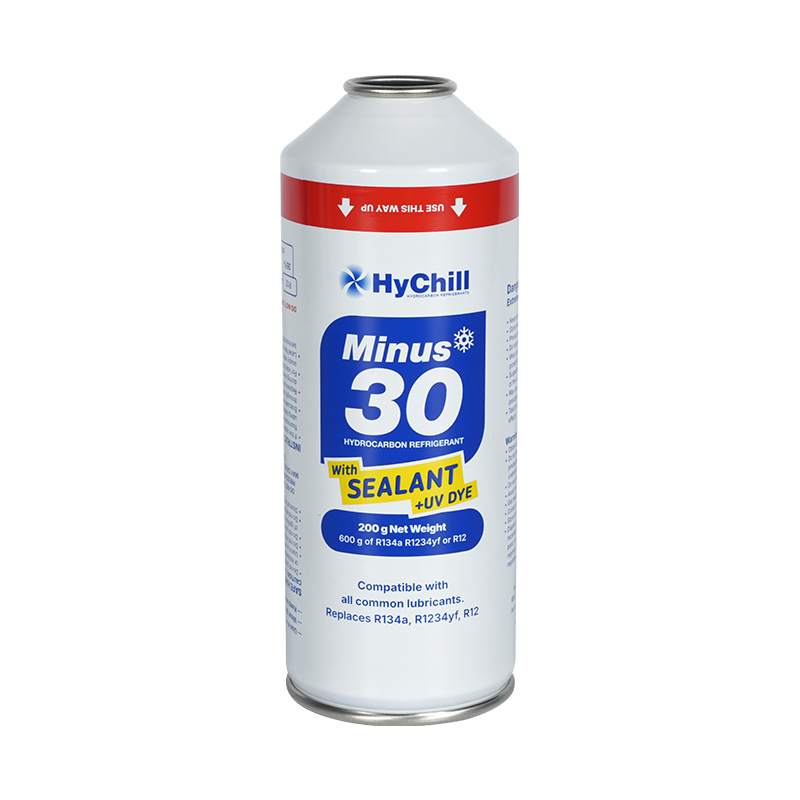
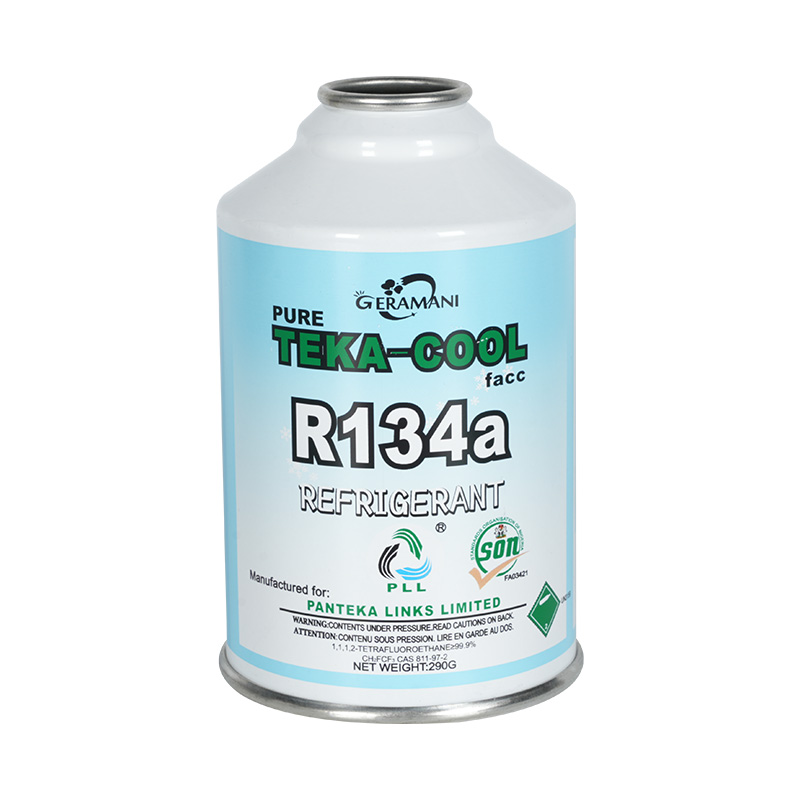
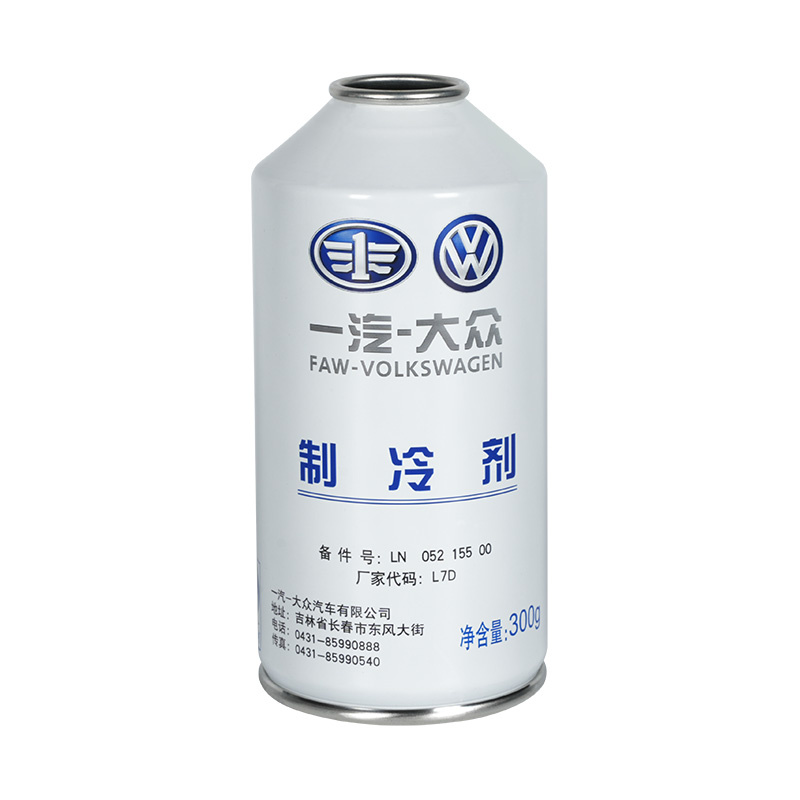
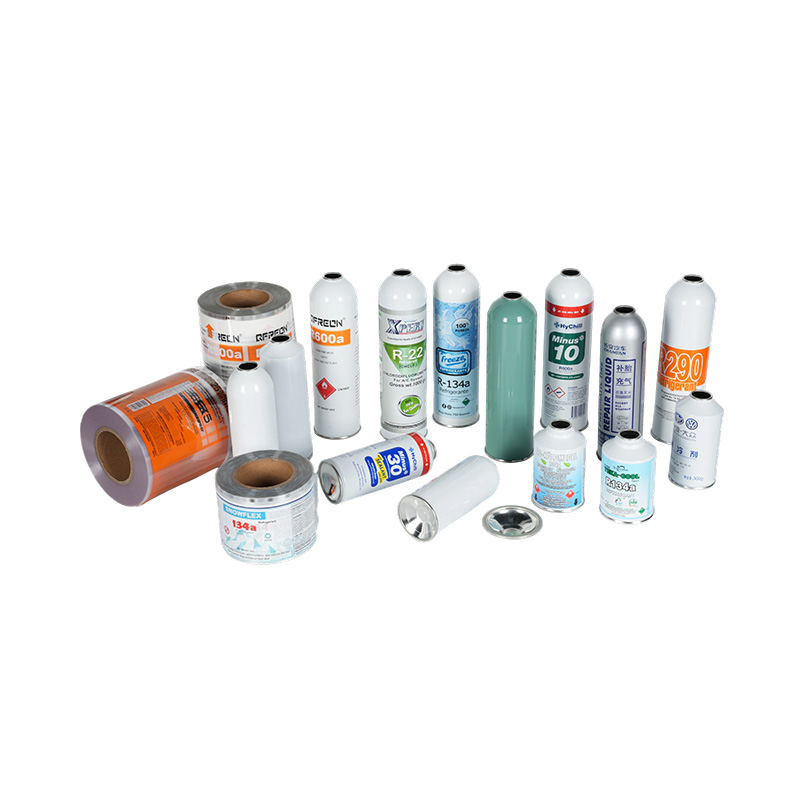
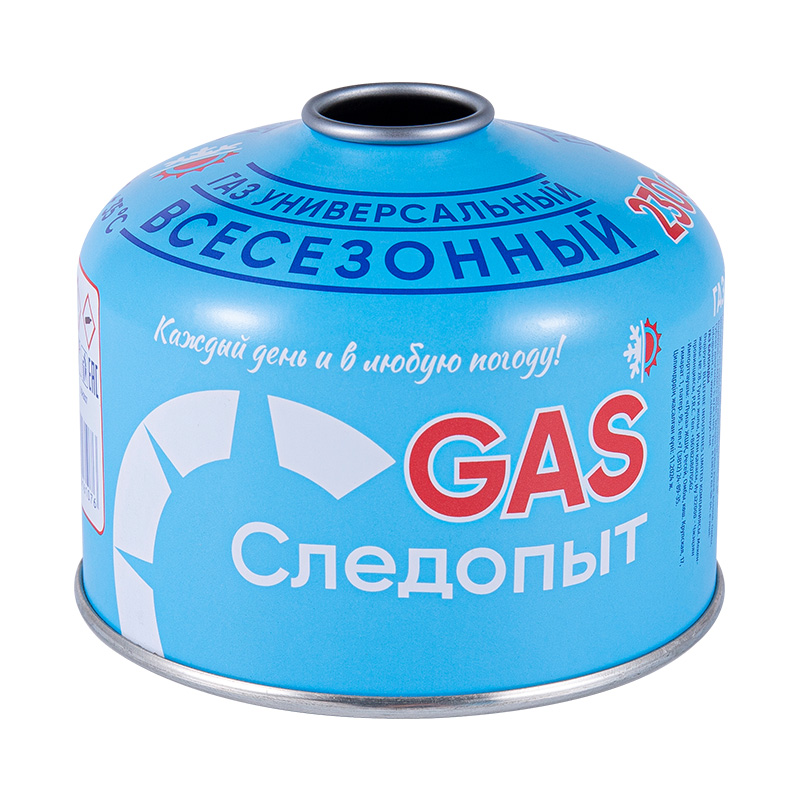
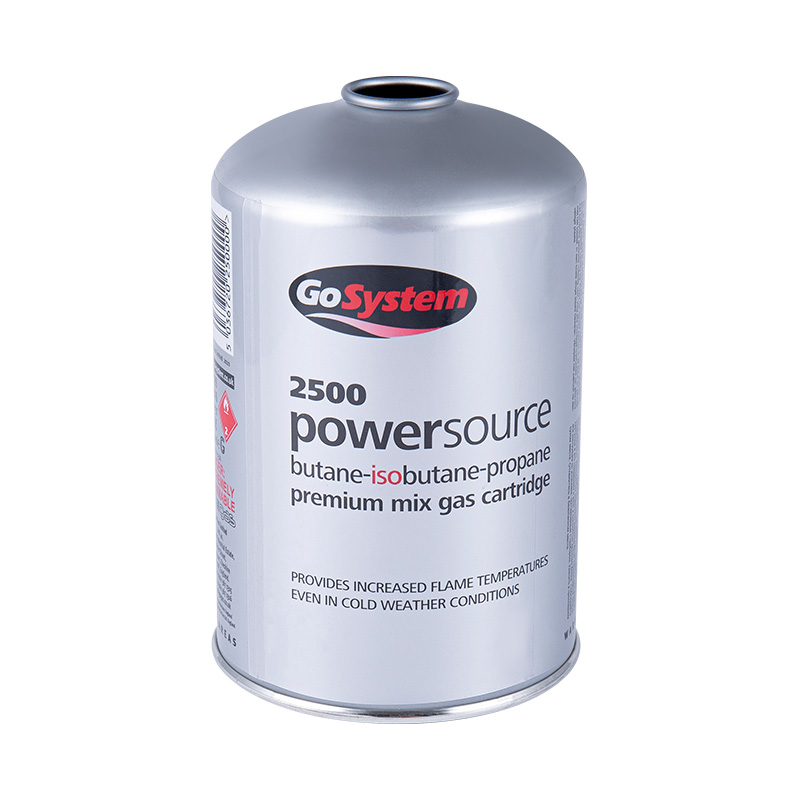
Hey, if you've got some Bluefire refrigerant gas canisters on hand, you already know these things are made solid for holding and dispensing refrigerants in AC units or fridge systems. The two-piece design works great with stuff like R-134a, R-410A, hydrocarbon types, fluorinated ones, and all sorts of blends. Bluefire is all about crafting dependable high-pressure aerosol cans that just do the job right. Bottom line: treat them properly, and everything stays smooth while keeping things good for the environment. Let's break it down simple – safe handling, hooking them up, how they fit into car fixes, and the way Bluefire builds them.
Safe Use and Connection Methods
Working with Bluefire canisters? Start simple with checks and steady steps for connecting and finishing up. This is what I've found works solid:
Hooking It Up – Pick up a decent refrigerant hose kit with gauges. Close every valve first, thread one end onto the canister's outlet nice and snug, then the other to the low-side port on the system. Crack the valve open real gradual, staring at the gauge the whole time so you add just the right amount.
While It's Going – Keep tabs on pressure and temp constantly. Don't leave it in blazing heat or full sun. After it's connected, listen or feel around the fittings for any sign of gas sneaking out. Done? Close the valve, pull it apart slow, and give the canister a light shake if the mix needs it.
Finishing and Disposal – Let out any gas left the right way, then send the empty can off for metal recycling. Follow whatever local guidelines there are to keep waste down and the surroundings clean.
Stick to these routines, and Bluefire canisters hold up great every time.
Applications in Automotive Repair
Lots of shop guys and home tinkerers grab Bluefire canisters the minute a car's AC blows lukewarm air. They're handy for checking if pressure's dropped and adding refrigerant to bring back that nice chill. Usually, you hook to the low-side, run the engine, pour in refrigerant, and gauge it till it's spot on.
Quick table for typical Bluefire sizes and car repair jobs:
|
Size |
Refrigerant Type |
Typical Use |
Handy Tips |
|
12 oz |
R-134a |
Regular car AC top-up |
Low port connection, keep watching pressure |
|
6 oz |
R-1234yf |
Modern vehicle setups |
Adapter if needed, tight seals |
This stuff gets the AC cooling again without too much fuss, especially when you follow good connection habits.

Production and Manufacturing of Bluefire Refrigerant Canisters
Bluefire really focuses on choosing tough materials and assembling them carefully for those two-piece aerosol cans, particularly the high-pressure versions.
They begin by forming strong metal into the main body – that two-piece approach means a firm bottom and top for better overall strength. Next up: wrap it with water-based coatings that are kind to the planet, all in a setup that keeps things clean.
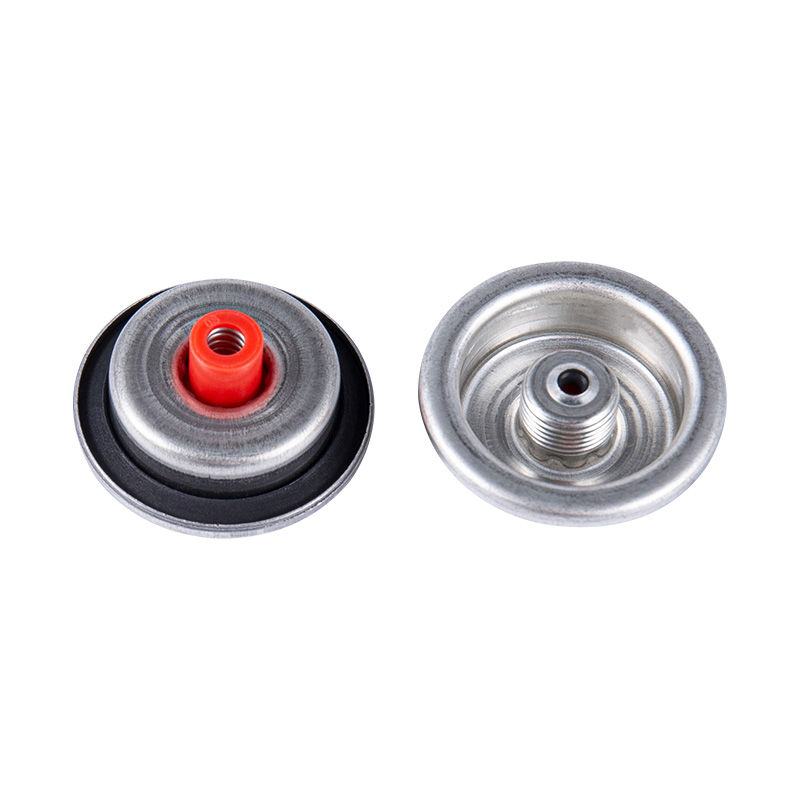
Building them this way sets Bluefire canisters up nicely for auto AC jobs or keeping refrigerators running. They handle hydrocarbon, fluorinated, and mixed refrigerants just fine. Valves follow EN417 specs and go through solid testing for tight seals and even control.
In everyday work, that robust construction and trusty valves make attaching hoses straightforward, help you watch and add refrigerant spot-on, and reduce chances of leaks or pressure swings. The valve design keeps operations easy and steady all around.
Overall, good connection practices, careful handling, and proper disposal make Bluefire refrigerant gas canisters a solid choice. Blending real-world car repair with Bluefire's two-piece perks – solid pressure handling, eco coatings, dependable valves, and full inspections.


+86-18238070562

+86-579-85791578


No.28, Tongyi Road, Yiting town, Yiwu 322000 - Zhejiang Province, P.R.C.
Copyright © Bluefire Industries Limited All Rights Reserved. Two-Piece Aerosol Can


 English
 عربى
عربى Español