— Bluefire Official Beginner's Essential Reference Manual
I. Purchasing and First Use: Beginners, don’t skip this first step!
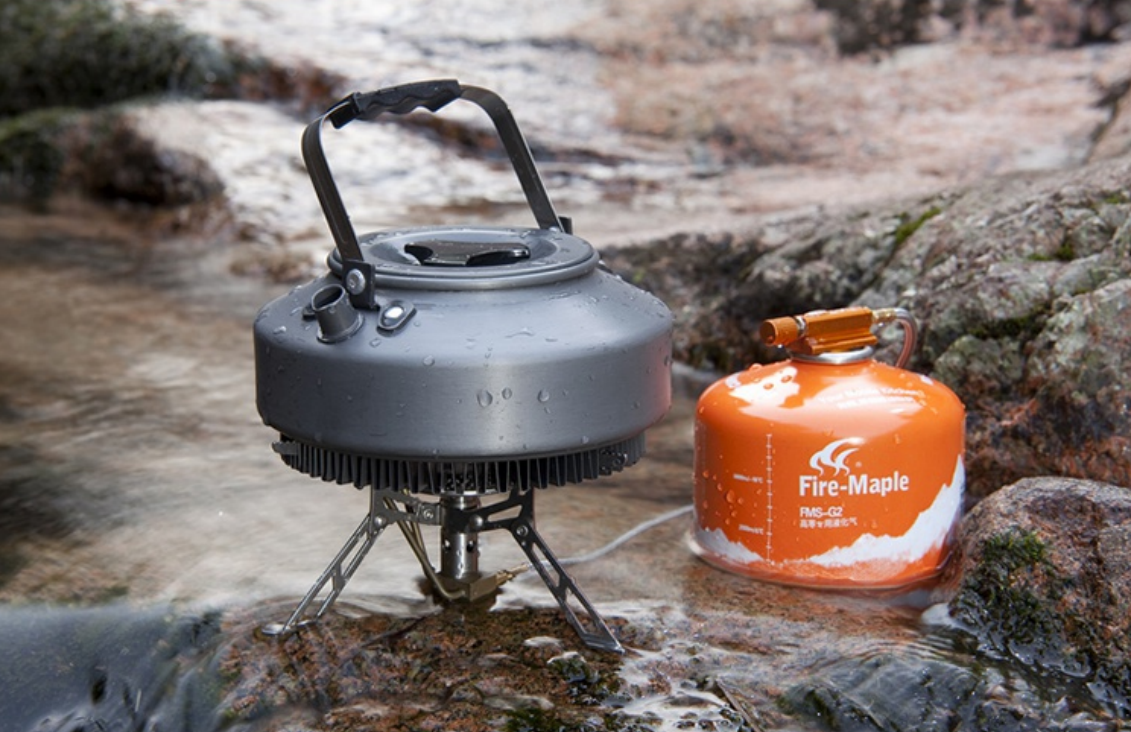
Tip: You can record a video of the ignition test with your phone for future reference in case of problems.
II.Never use the stove in a completely enclosed vehicle.
III. Storage and Transportation Quick Reference Chart (Suggested to take a screenshot and save to your phone's photo album)
|
Scenario |
Recommended Practice |
Never Do This |
|
Home storage |
Balcony, garage, ventilated cabinet; upright with 30 cm space around it |
Kitchen drawers, under the stove, bedroom, under the bed |
|
Self-driving car trunk |
Original cardboard box + towel/foam wrap; secured in the coolest corner |
Dashboard, rear seats exposed to direct sunlight |
|
With power banks / drone batteries |
Separate mesh bags; best to place a hard plastic board or thick book in between |
Same inner pocket or compressed together |
|
High-rise apartment |
Next to outdoor AC unit, locked metal box or sealed plastic box |
Any indoor location |
|
Idle for more than six months |
Every 3 months: invert and shake — safe only if you hear no “sloshing” liquid sound |
Leave forgotten in a corner or damp basement |
|
Moving / mailing / air freight |
Fully release gas, tape the valve, label “EMPTY” before packing |
Mail or fly with any residual gas |
IV. Disposal and Recycling: The step that beginners are most likely to get wrong
Bluefire hopes that every beginner will make safety a subconscious action, leaving worries behind and enjoying the starry sky, campfire, and hot coffee tonight. May this "Beginner's Guide" be the thinnest yet most reliable page on your camping journey.


+86-18238070562

+86-579-85791578


No.28, Tongyi Road, Yiting town, Yiwu 322000 - Zhejiang Province, P.R.C.
Copyright © Bluefire Industries Limited All Rights Reserved. Two-Piece Aerosol Can


 English
 عربى
عربى Español