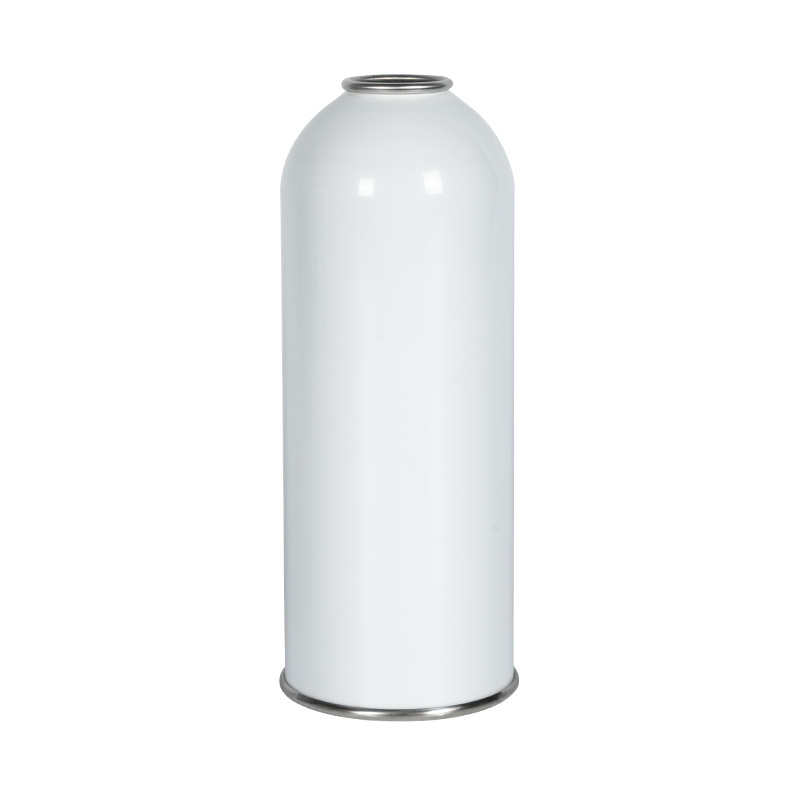
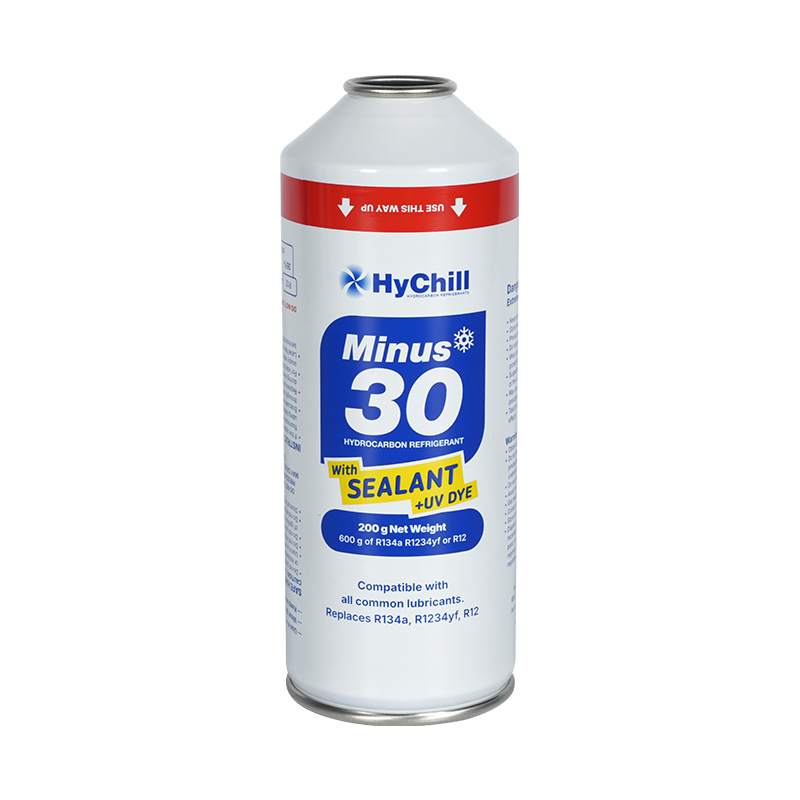
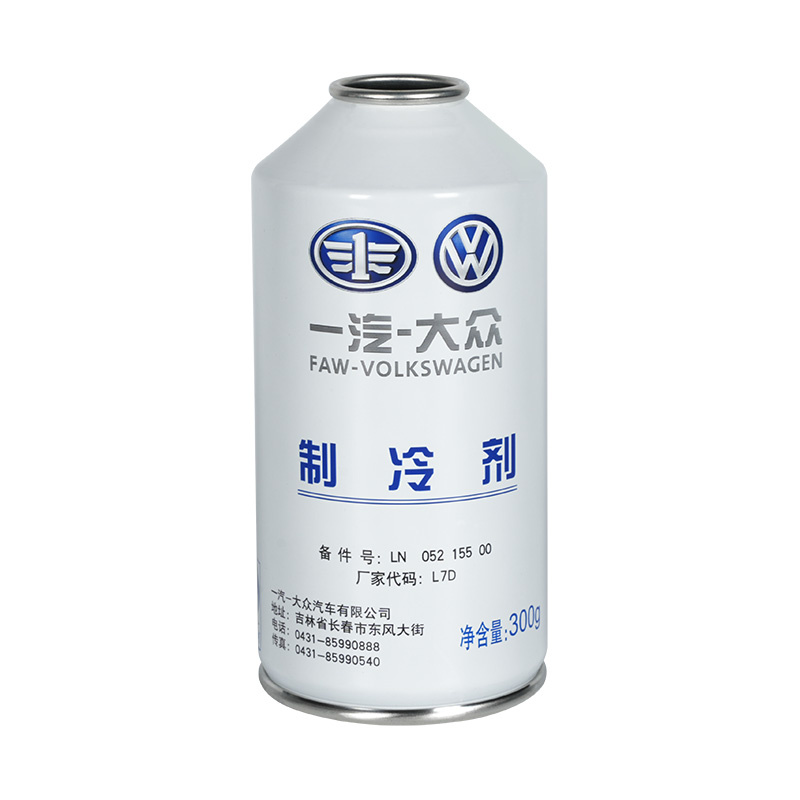
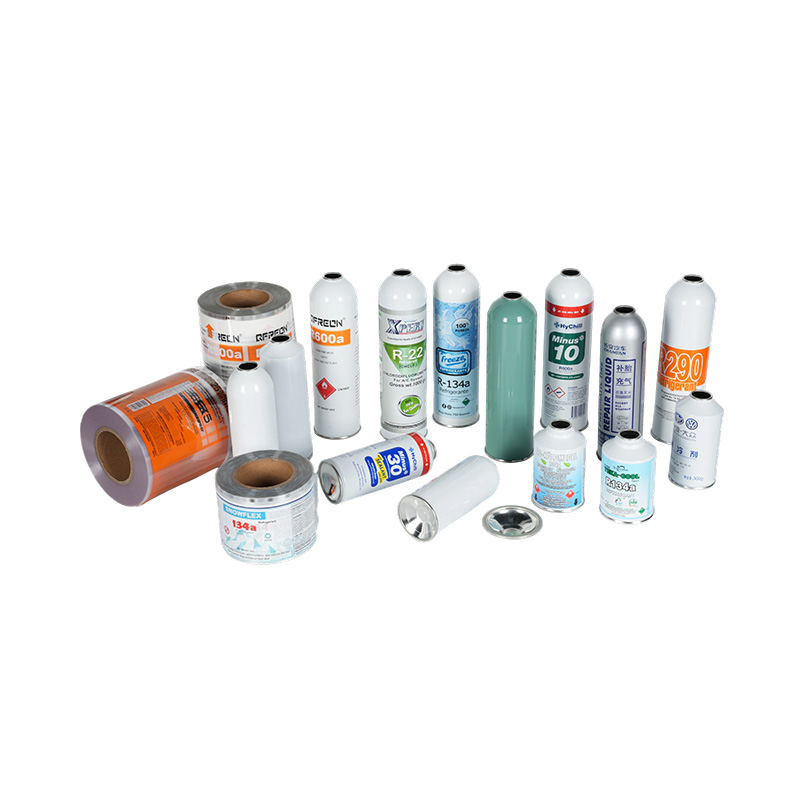
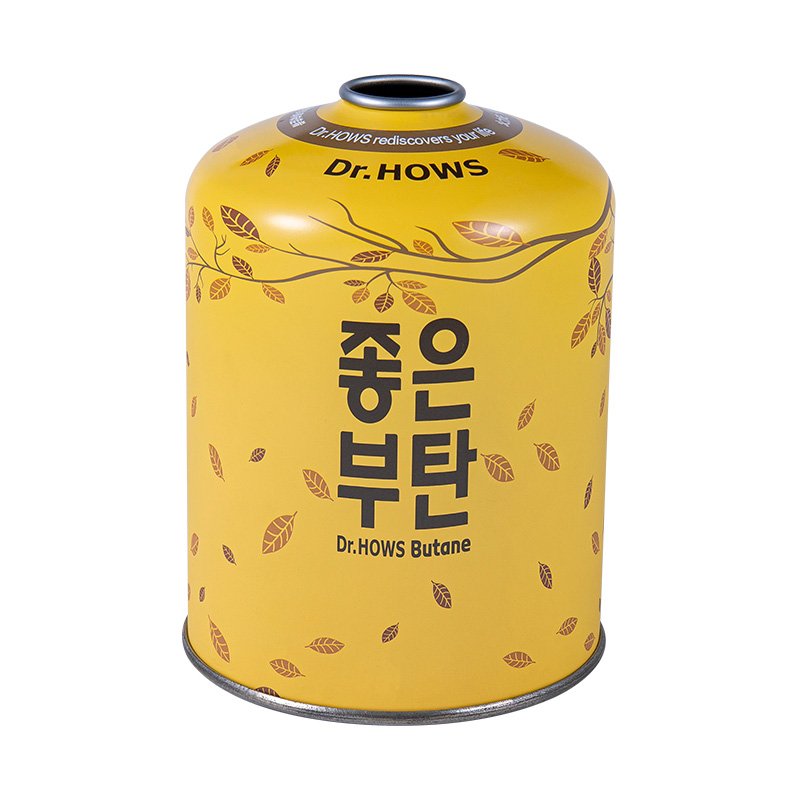
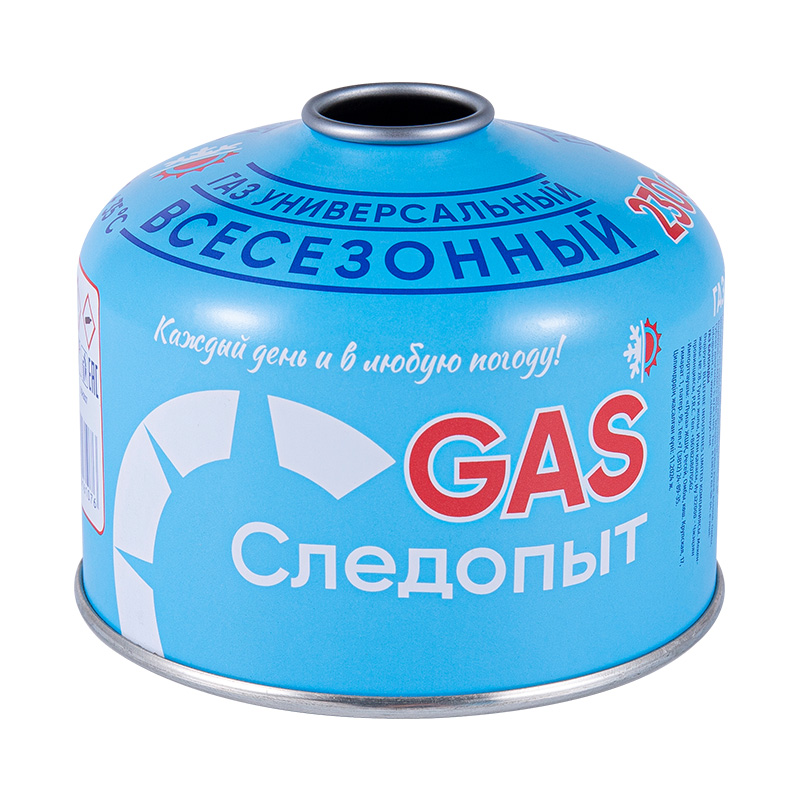
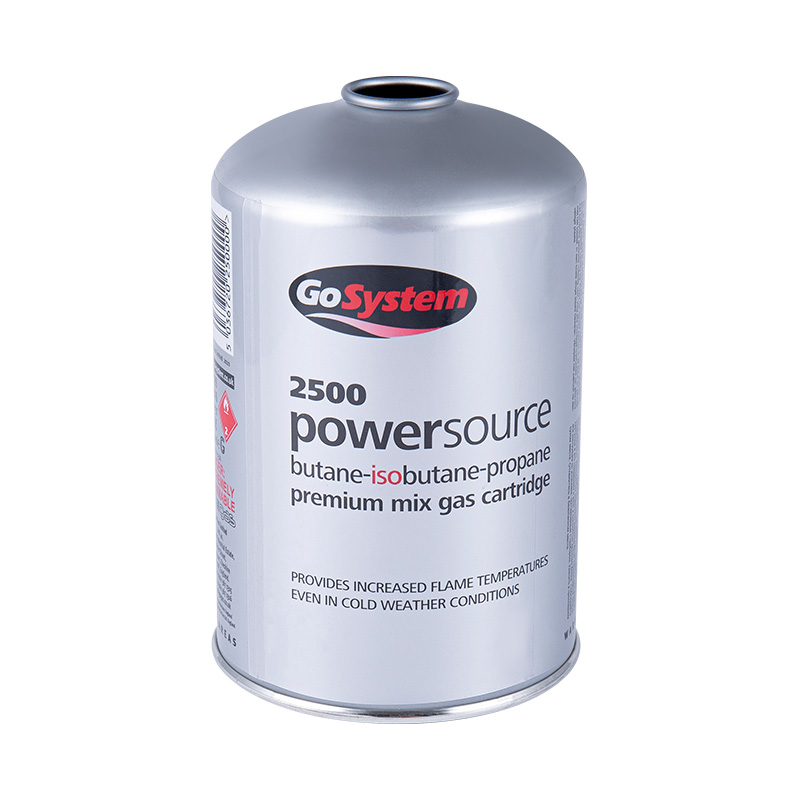
When you go to grab a Refrigerant Gas Can for topping off a car's AC or doing a small job, you want one that’s not going to fall apart on you. Most of the time, you can tell pretty quickly if it’s okay or if it’s junk just by looking at it really closely and picking it up for a second.
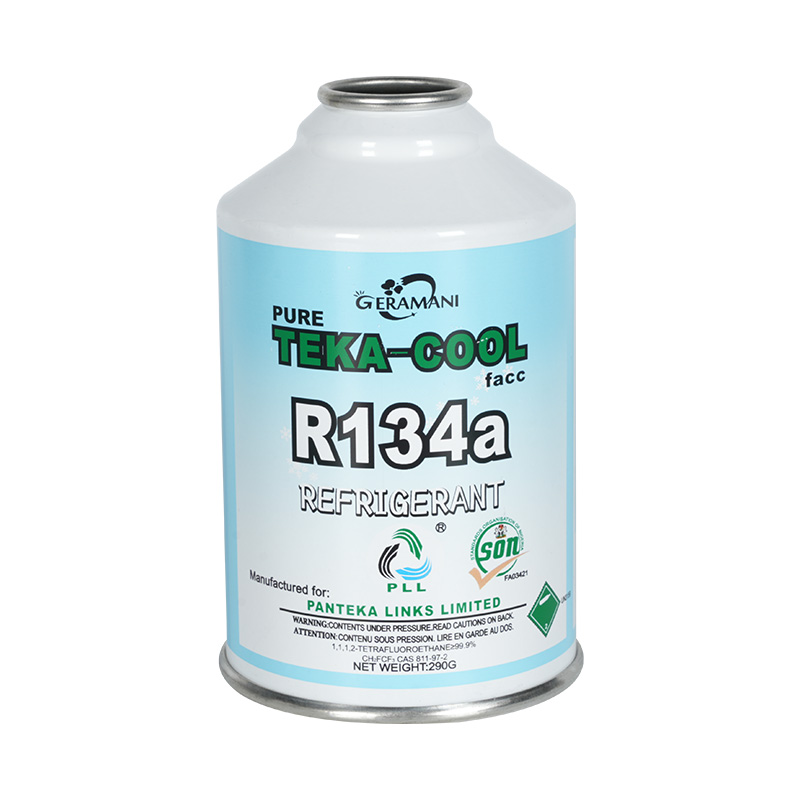
A good can doesn’t look like it’s been kicked around. The powder coat is smooth and even everywhere—no places where the paint’s worn thin and you see metal underneath, no little chips or flakes gone. That coat keeps water from hitting the steel, so rust doesn’t start eating it up. The can stays round all around—no dent from getting dropped, no part puffed out like it got hot, no flat side that makes it sit crooked. Set it down, and it stays level, doesn’t rock back and forth. Lift it by the handle or the ring at the top—it feels tight, nothing loose, shaking. The label is stuck on well, and you can still read the words clearly without guessing. New cans you see now are mostly that same plain light gray-green color—they all look alike.
You spot most of that without any tools. Just pick it up, turn it slowly in normal light to see every side. Look for stuff that doesn’t look right. Run your hand over the can—feel for paint coming loose, rough spots, or sharp edges. Turn the valve easily—no forcing—just a normal twist to see if it moves smoothly.
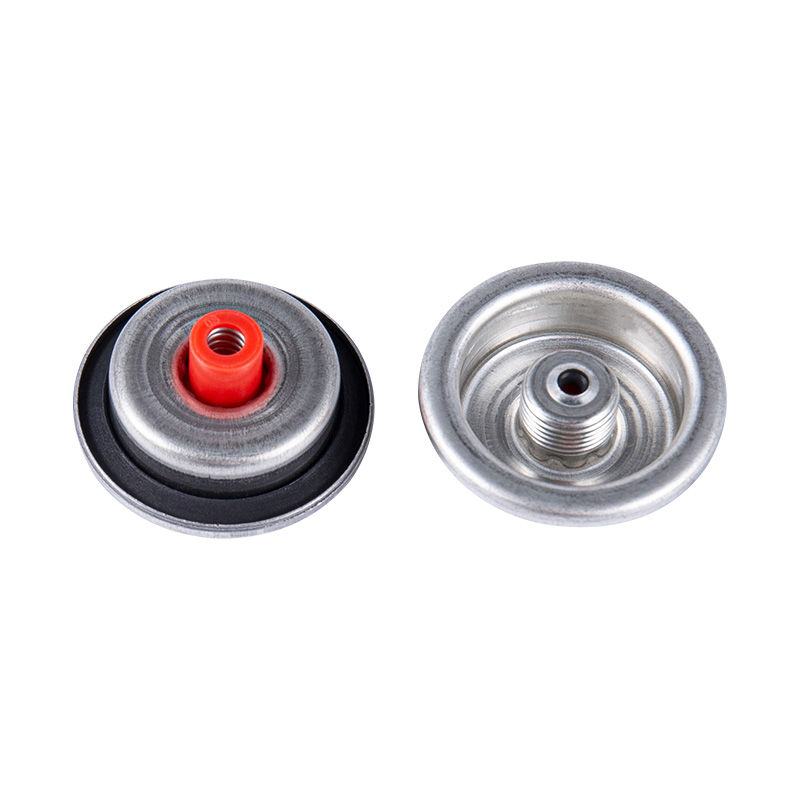
Being stiff doesn’t mean the can is no good. There’s a spring in there for a reason—it closes quickly to stop leaks and keep things safe. You have to line the fitting up straight and push steadily—not jerk it or twist hard. Do it right, and it opens up fine, seals back tight when you’re done. If it still won’t move even when you’re careful, or the area around the threads looks cracked or damaged, then that can probably not be worth keeping.
The small disposable cans—like the 450g size most people use for car work—are built simply. They’re tall and skinny like a spray can made longer. Light to carry, narrow so they fit in tight spots under the hood. Valve’s on top for easy hookup, with a one-way check so it can’t be refilled. Walls aren’t super thick, but they hold up for the one job they’re made for.
A few easy things keep them working longer:
Stick to those little habits, and the Refrigerant Gas Cans you pick will do what you need instead of causing more problems.


+86-18238070562

+86-579-85791578


No.28, Tongyi Road, Yiting town, Yiwu 322000 - Zhejiang Province, P.R.C.
Copyright © Bluefire Industries Limited All Rights Reserved. Two-Piece Aerosol Can


 English
 عربى
عربى Español