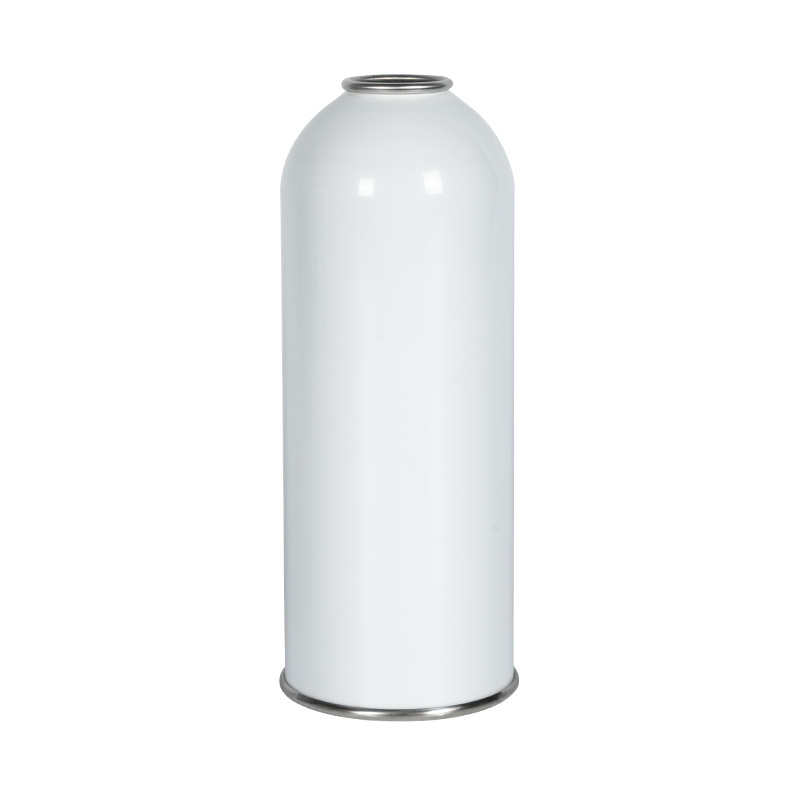
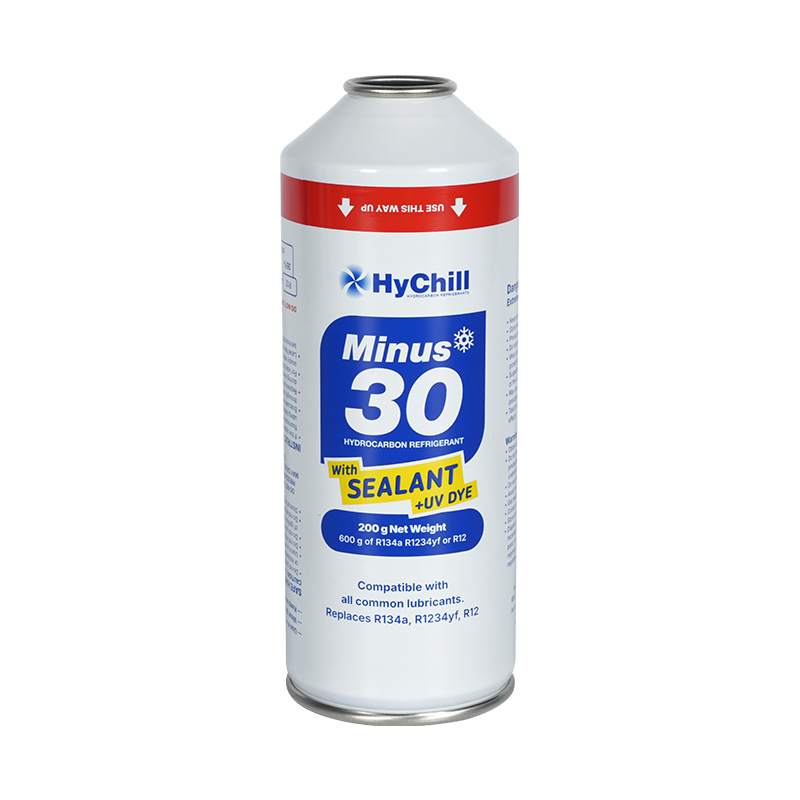
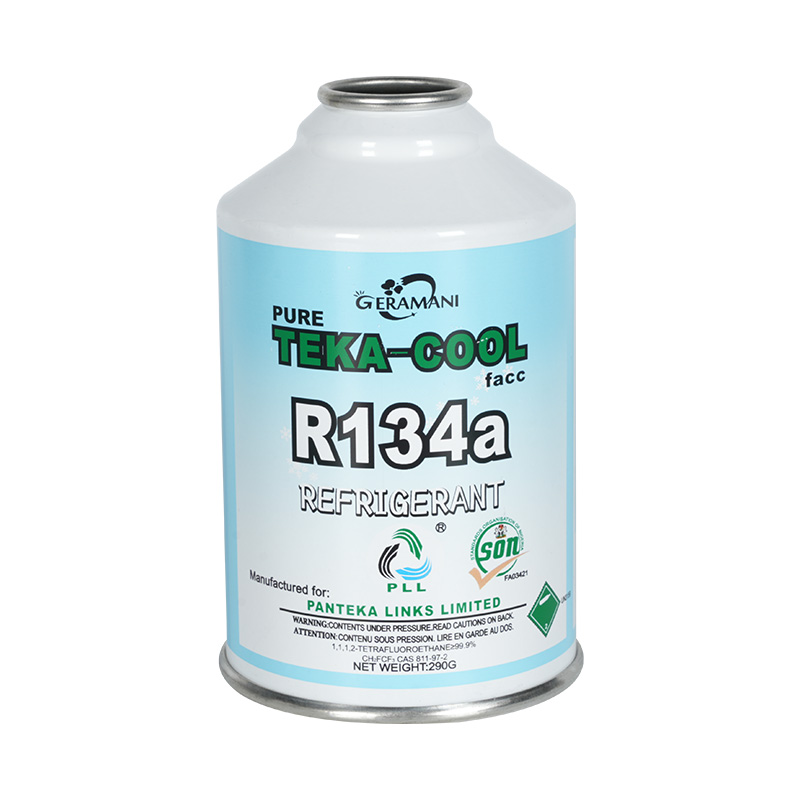
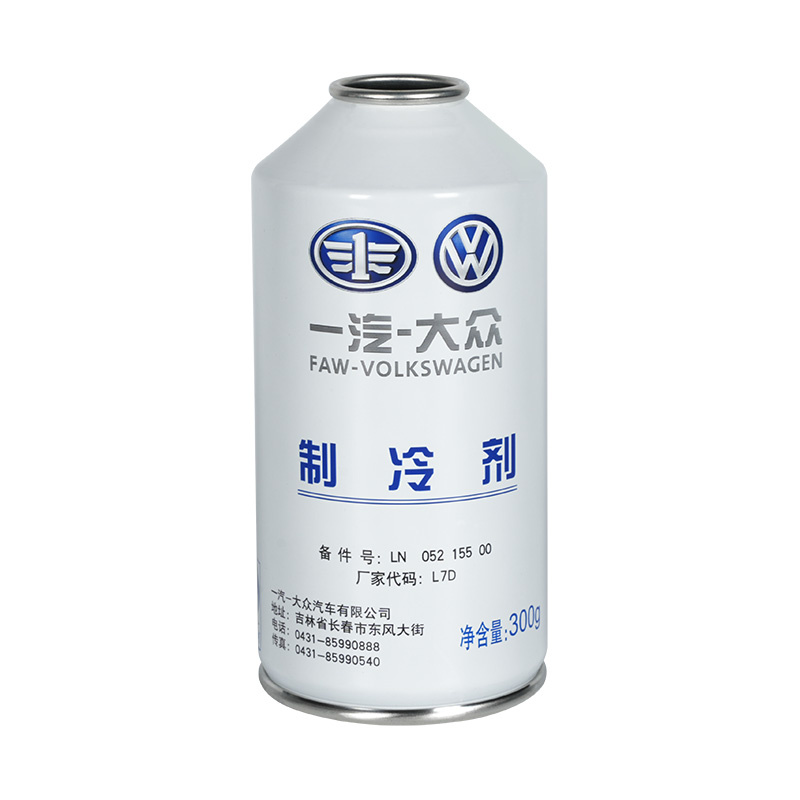
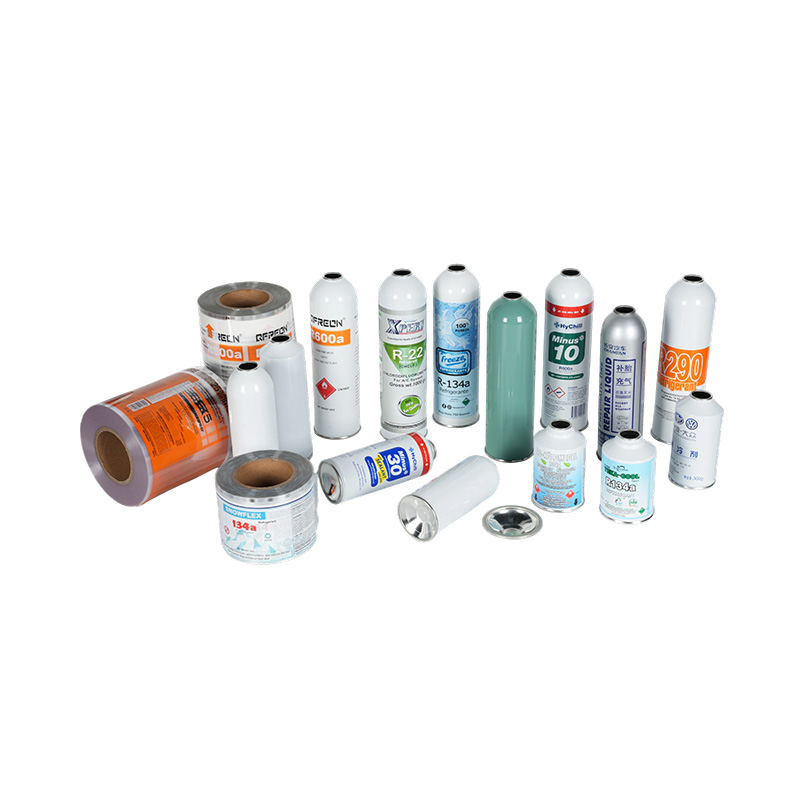
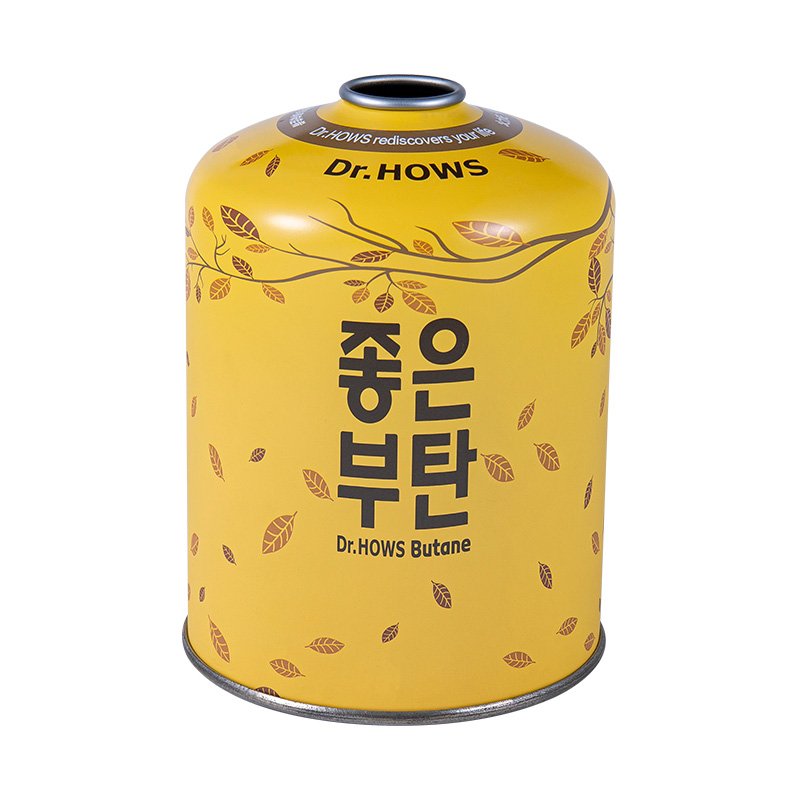
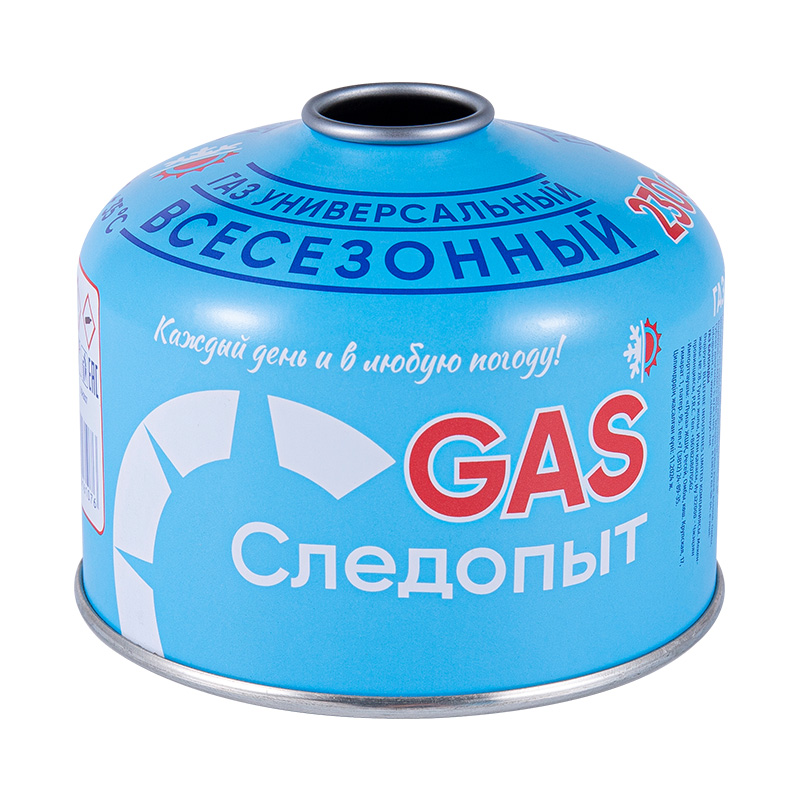
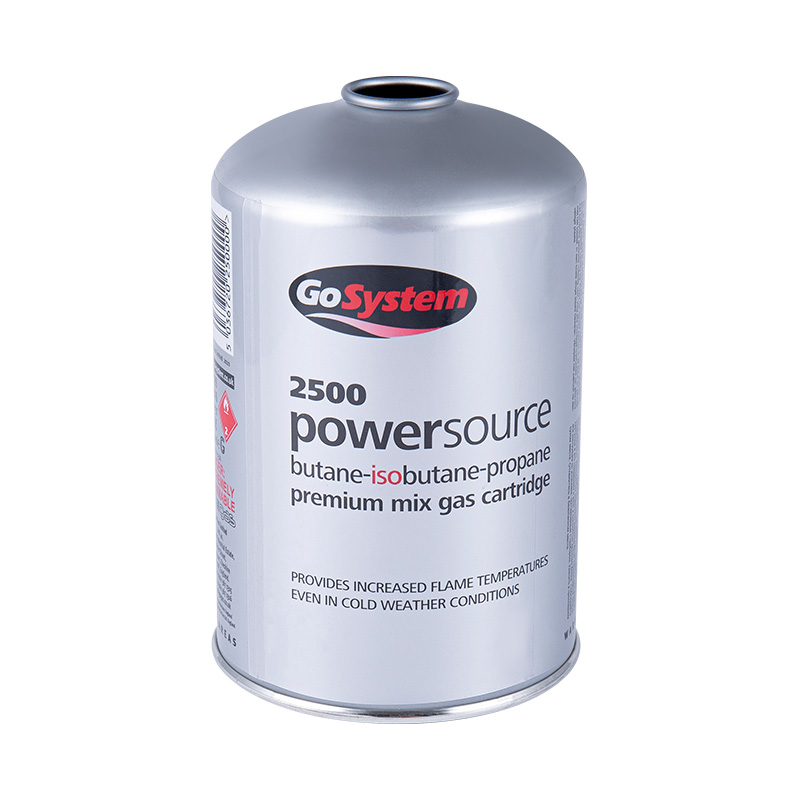
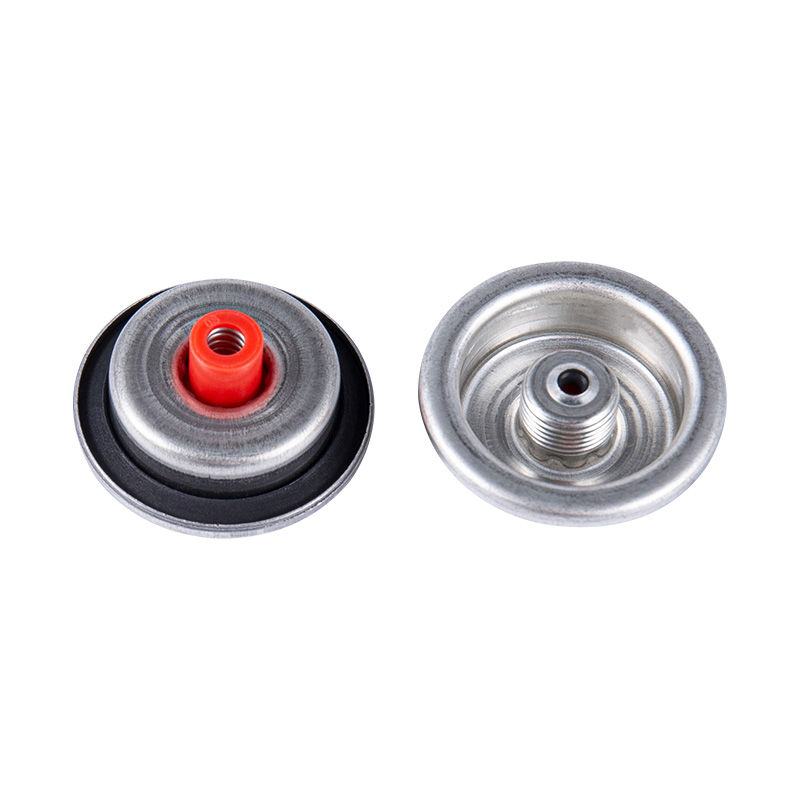
Many people choose gas cartridges for outdoors since the cartridge is small, pack easily and deliver steady pressure. That makes them practical whether someone heads out alone trying to keep weight down or brings the whole family along. Still, how well they actually perform depends on the kind of fuel inside, how cold or high up the location gets, and whether the stove itself matches the cartridge design. People who pay attention to those details usually pick more suitable fuel and manage to keep meals coming without sudden interruptions on the trail.
A camping gas cartridge consists of a pressurized metal cylinder designed to supply fuel for portable stoves lanterns and other gear used outdoors. Inside it usually contains butane isobutane propane or most often a combination of those gases. Once attached to the device the valve opens to let the gas flow out steadily which supports even burning without much mess.
Engineers prioritize both practical handling and protection against accidents in the overall design. Valves are often threaded or built with self-sealing mechanisms that reduce the chance of leaks while connecting disconnecting or simply carrying the canister. Capacity varies to fit different trip requirements. Hikers carrying ultralight loads tend to grab the 100-gram size to keep weight down. On longer outings with several people the bigger 400-gram to 500-gram cartridges provide enough fuel for extended cooking sessions. These canisters bring water up to boiling fast allow fine control over the flame strength and eliminate the spill hazards common with liquid fuels. Their compact shape slips neatly into backpacks or other gear without wasting space.
The makeup of the fuel plays a big role in how a camping stove acts. Pure butane works fine when temperatures stay moderate yet struggles to vaporize once things get cold which leads to weak performance. Isobutane handles lower temperatures much better while propane keeps pushing out strong pressure even in freezing conditions. Because of that most cartridges rely on blends often mixing isobutane with propane so the stove lights reliably and holds steady output through chilly weather without adding unnecessary bulk.
Weather and location bring extra challenges. High altitude combined with cold mornings can make straight butane produce flames that flicker or die out easily. Blends designed for broader temperature tolerance cut down on those issues and deliver consistent heat from breakfast right through to dinner no matter the conditions.
Camping cartridges mainly vary by how they connect to the stove. Threaded versions screw straight onto stoves made for them and come with self-sealing valves so you can unscrew and remove the canister partway through use while still keeping leftover fuel safely inside. Pierceable ones get punctured just once when you first set them up then stay attached until everything runs out. In some places refillable or returnable cylinders show up more often letting people swap empties for full ones or get them topped up which cuts back on thrown-away waste.
The fuel blends inside differ from one product to another too. You find pure butane straight isobutane mixes heavy propane formulas and the usual isobutane-propane combinations. Each kind brings its own advantages depending on how well it works in freezing temperatures how steady the pressure stays and how much weight you end up carrying.
Cartridge size plays a direct role in how portable it feels on your back and how many meals you can realistically cook before running dry. The lightest 100-gram option slips into any small pack and covers short solo hikes or quick boils without adding much weight but it burns through fast once you settle in for longer sessions with real cooking. Mid-range 230-to-250-gram cartridges usually give the best middle ground for most weekend trips whether you’re alone or splitting duties with one other person since they deliver enough fuel for several meals without dragging the load down too heavily. When you move up to 400-to-500-gram sizes the extra capacity suits car camping or group outings that stretch over multiple days with repeated cooking so you spend less time swapping canisters and more time enjoying the site.
Picking the proper size comes down to how many days you’ll be out how large the group is and what the cooking routine looks like.
Low temperatures drop the pressure inside a cartridge so the fuel has trouble turning into vapor which means less gas flows out and the flame stays weak. Butane reacts most strongly to the cold therefore cartridges built for chilly conditions add isobutane or propane to keep things working better. Higher elevations lower the air pressure around the stove and that affects how efficiently the fuel burns often requiring some models to push more fuel through just to maintain the heat you want.
Keep cartridges in cool place, avoided from direct sunlight and heat sources. During vehicle transport secure them upright and never leave them in hot enclosed spaces for long periods.
Even though a cartridge looks empty it can still trap a little residual gas under pressure. Take the time to prepare it correctly before getting rid of it—make sure the valve is fully open in a safe open area until you hear no more hissing and feel no cold spot from escaping vapor.
Plenty of areas take completely emptied steel cartridges straight to recycling while various outdoor stores run take-back programs or let you trade in used ones for credit toward new cartridges.
Thoughtful choices combined with a few straightforward routines let these small fuel sources handle meals effectively across all sorts of outdoor adventures from quick overnights to longer backcountry treks.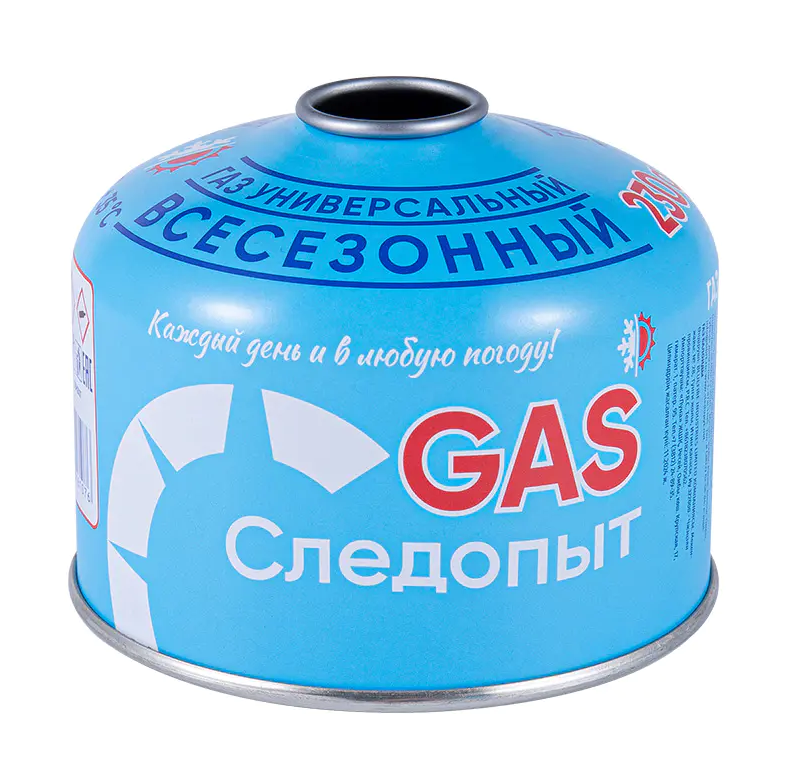


+86-18238070562

+86-579-85791578


No.28, Tongyi Road, Yiting town, Yiwu 322000 - Zhejiang Province, P.R.C.
Copyright © Bluefire Industries Limited All Rights Reserved. Two-Piece Aerosol Can


 English
 عربى
عربى Español