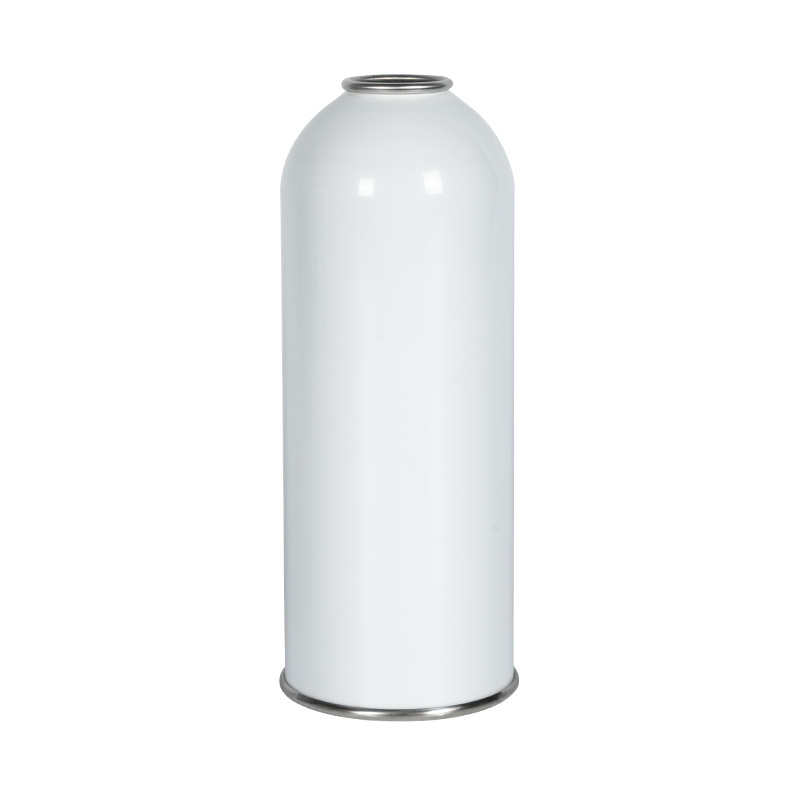
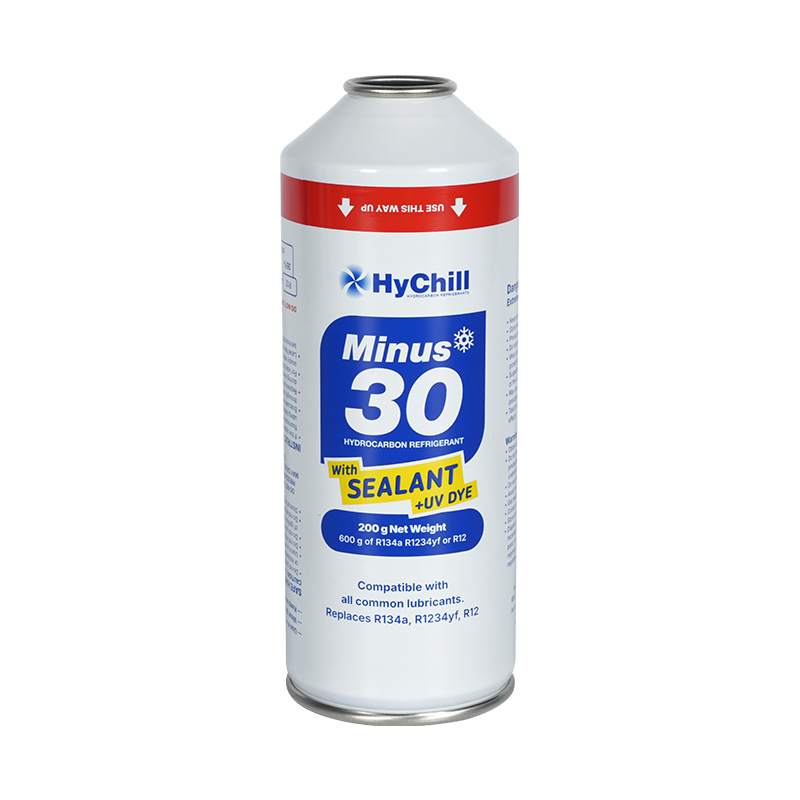
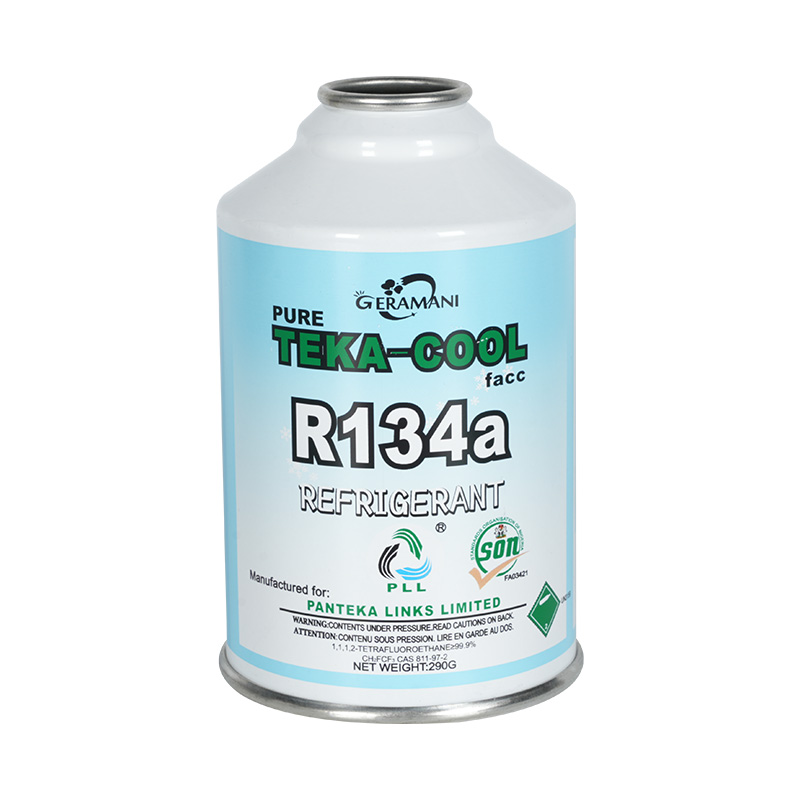
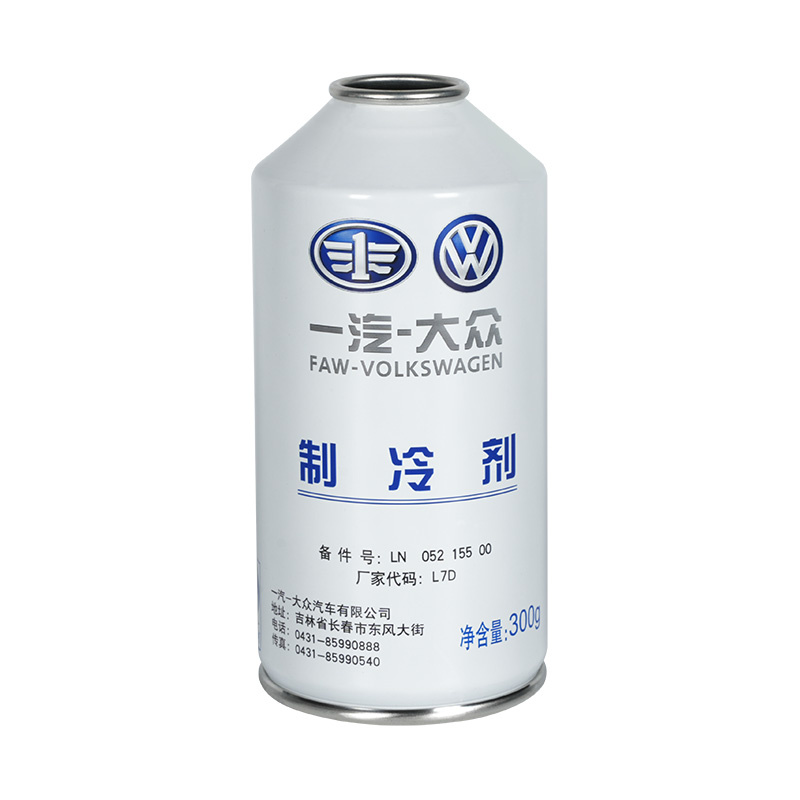
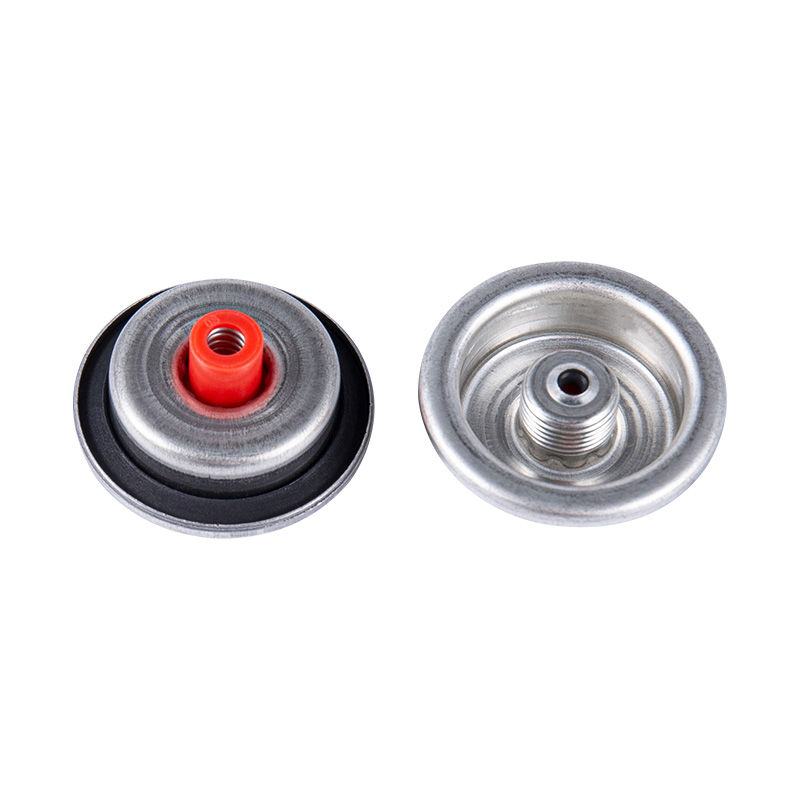
In daily life, aerosol cans are a common type of pressure vessel, widely used in everything from household cleaning products and spray paints to automotive maintenance and outdoor camping products. They are not only convenient and practical but also represent advanced metal packaging technology. Today, we will unveil the secrets of these markings from a professional perspective in a simple and easy-to-understand way.
Aerosol cans are mainly made of tinplate, formed into a two-piece or three-piece structure through high-pressure stamping and stretching processes. The bottom markings are usually embossed during the can forming stage using a mold. This process ensures that the markings are resistant to high temperatures and pressures, and are not easily worn or detached. The dots and codes stamped on the bottom of an aerosol can really just handle two jobs:
Date stamp: It plain-out shows when that can came off the production line, letting you know if it's recent stock, line it up with the use-by date no problem, and give you peace of mind that it'll perform okay when you grab it.
Batch number: It simply bunches together every can that got made in the same run. If something goes wrong with the quality down the road, the company can pinpoint right away which exact group is involved, pull those cans if needed, and make sure nobody gets hurt or stuck with bad stuff.
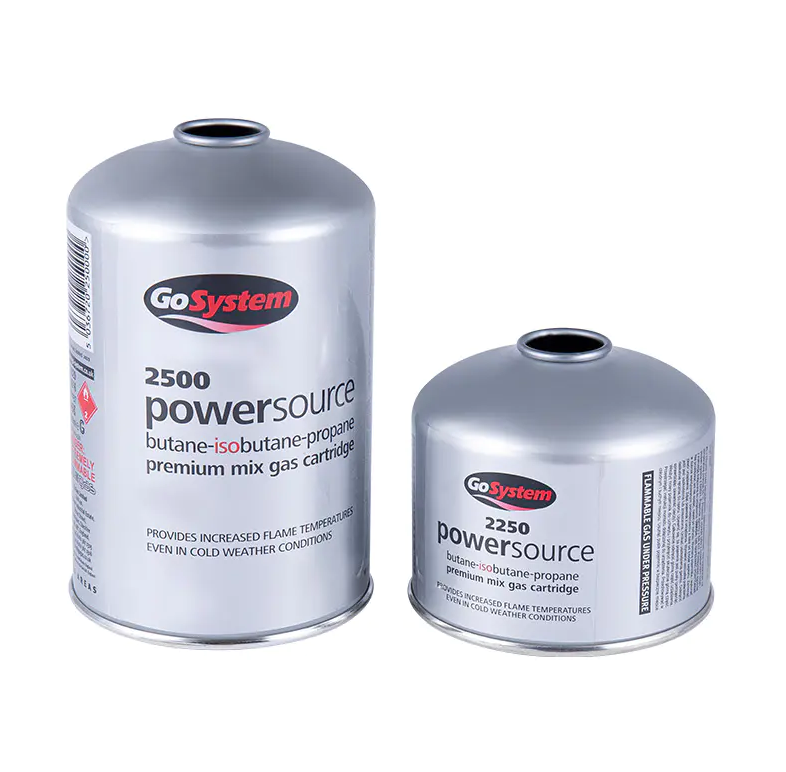
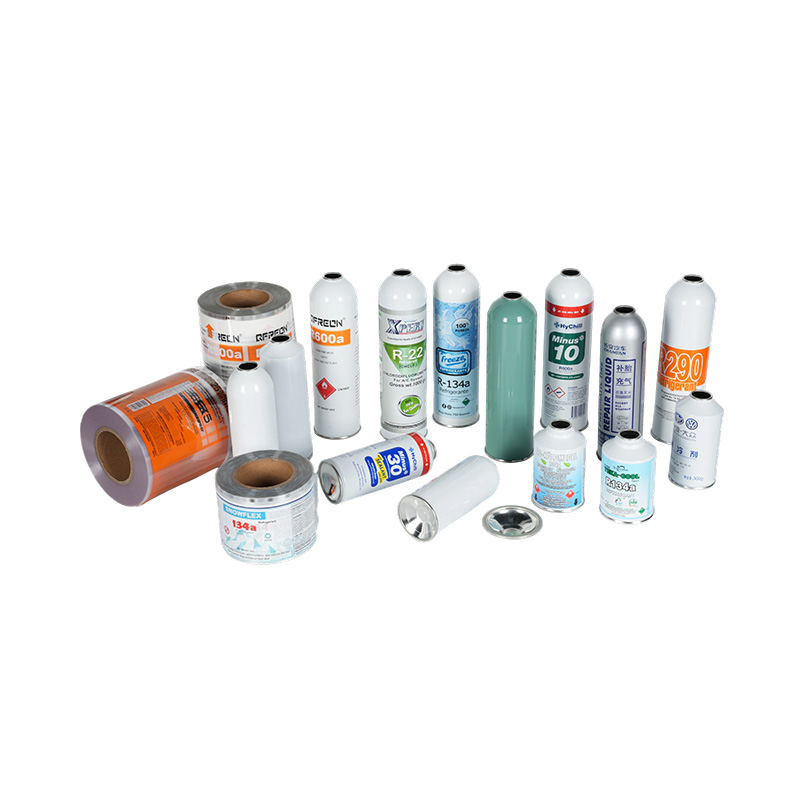
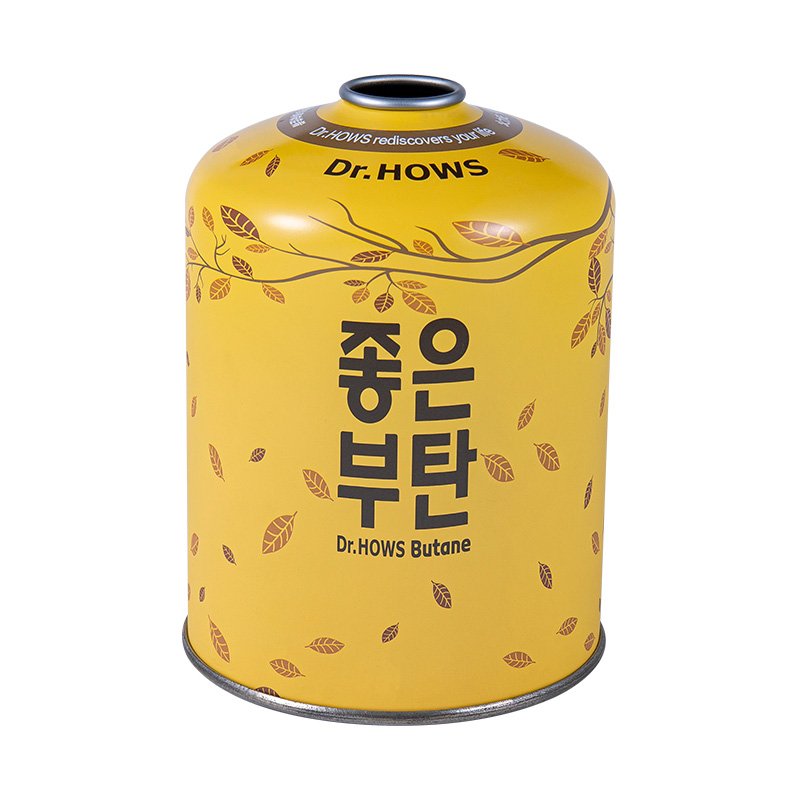
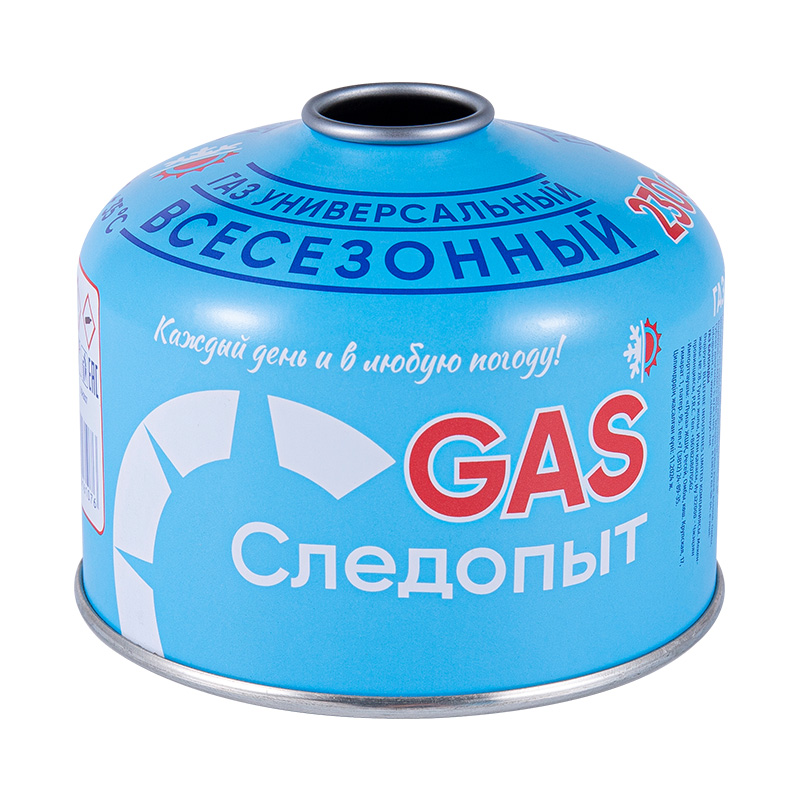
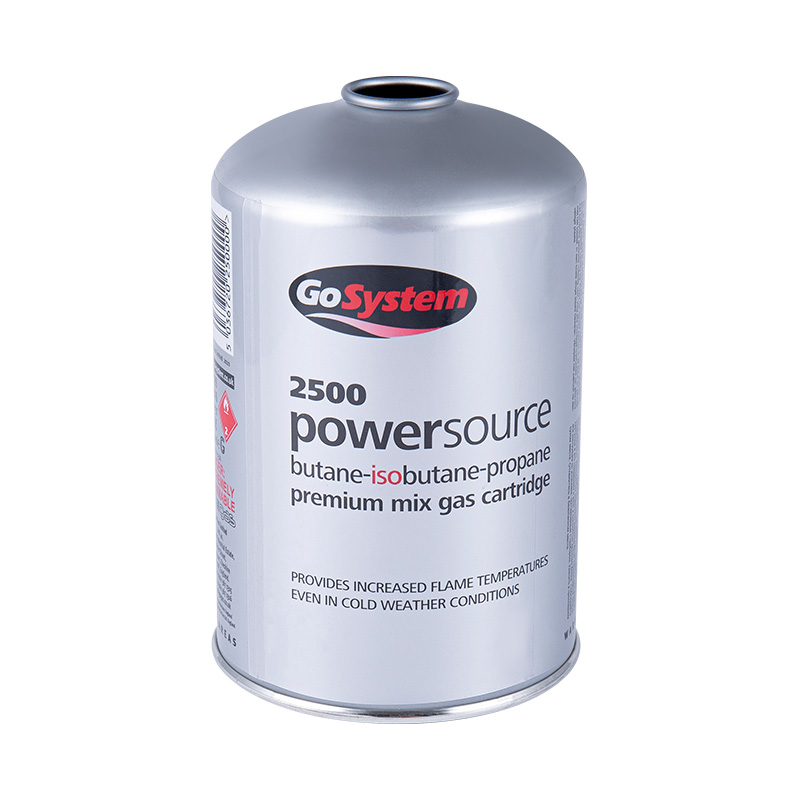
Although the marking formats of different manufacturers vary, the core purpose is to achieve product traceability. Bluefire, a professional metal packaging company, has been in the industry for over 13 years, specializing in the production of high-pressure aerosol cans and small-capacity pressure vessels. Their products are mainly various specifications of aluminum cans used in refrigerants and camping gas canisters, all complying with international safety standards such as EN417 and DOT.
Bluefire's factory uses fully automated production lines. From the initial raw material cutting to stretching the metal into the can shape, and then installing valves and imprinting bottom codes, every step is strictly controlled to ensure that the markings on the bottom of each can are clear, accurate, and verifiable. This not only improves product quality but also provides safety assurance for downstream brands.
Behind these markings lies the advanced technology of aerosol can manufacturing. Modern factories mostly use high-speed automated production lines, producing hundreds of cans per minute. The process includes metal sheet stamping, neck forming, fixing base and packaging.
In addition, aerosol can bodies have rich applications in environmental recycling and creative fields. Empty can bodies are tough and highly malleable, often used for DIY crafts:
You can snip, fold, and buff those empty cans to turn them into pretty flowerpot or little ornaments.
Lots of folks like collecting or swapping the lids—the nozzle caps—to mess around with different spray styles and patterns.
Figuring out those bottom codes isn't just about spotting the make date and grabbing newer, more solid cans; it also helps you get a real sense of the whole production process and some neat recycling tricks.
Next time you're picking one up, turn it upside down, check that code closely, and stick with reliable names like Bluefire—they've got years of solid know-how and all the right international stamps.Down the road, with factories getting smarter all the time, these codes will probably hook up to digital tracking setups, keeping everything safer in the business and giving a bigger boost to going green.


+86-18238070562

+86-579-85791578


No.28, Tongyi Road, Yiting town, Yiwu 322000 - Zhejiang Province, P.R.C.
Copyright © Bluefire Industries Limited All Rights Reserved. Two-Piece Aerosol Can


 English
 عربى
عربى Español