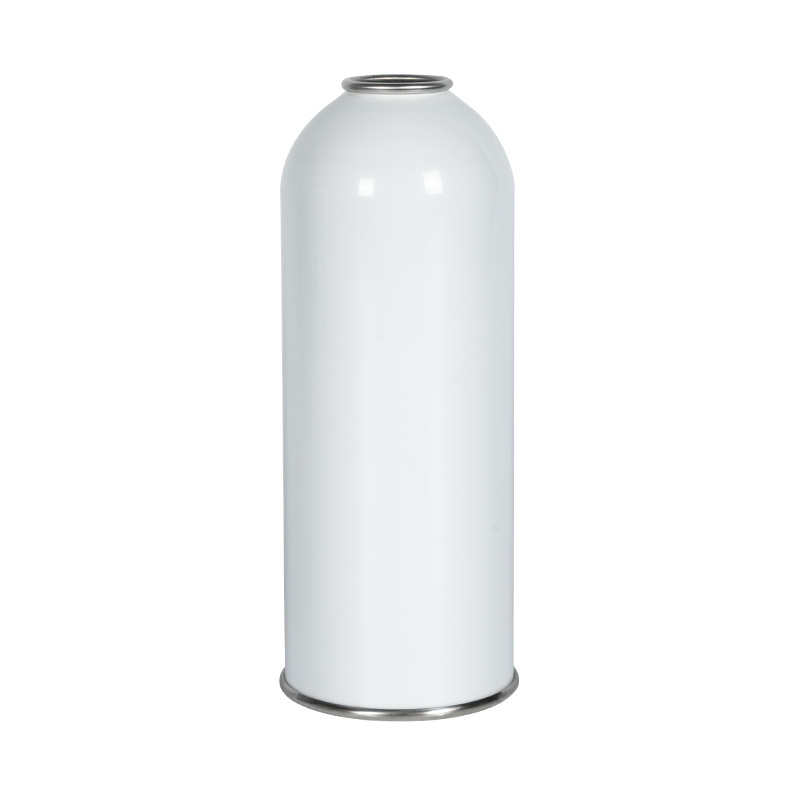
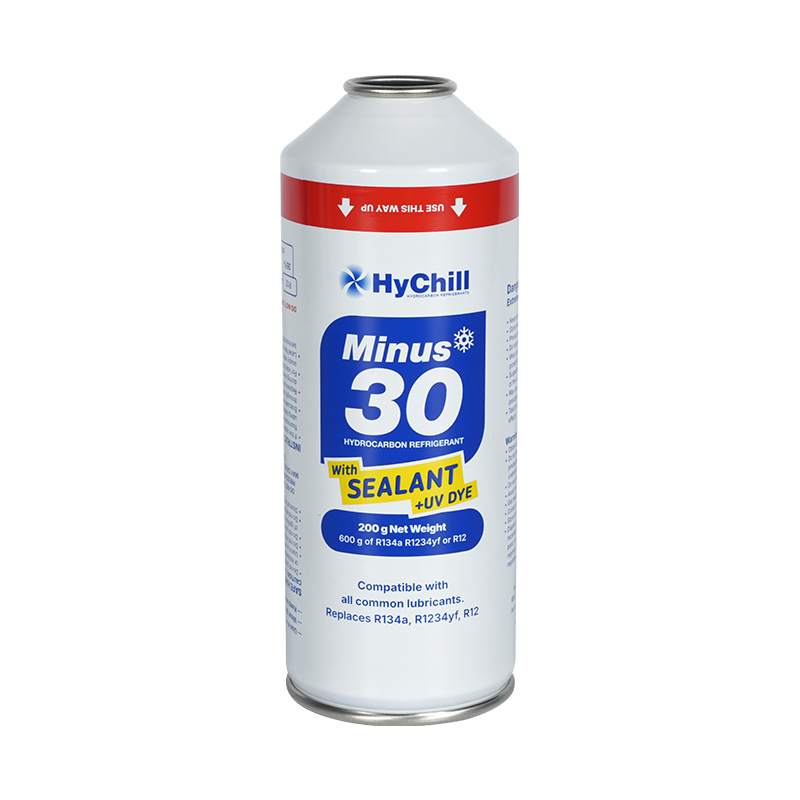
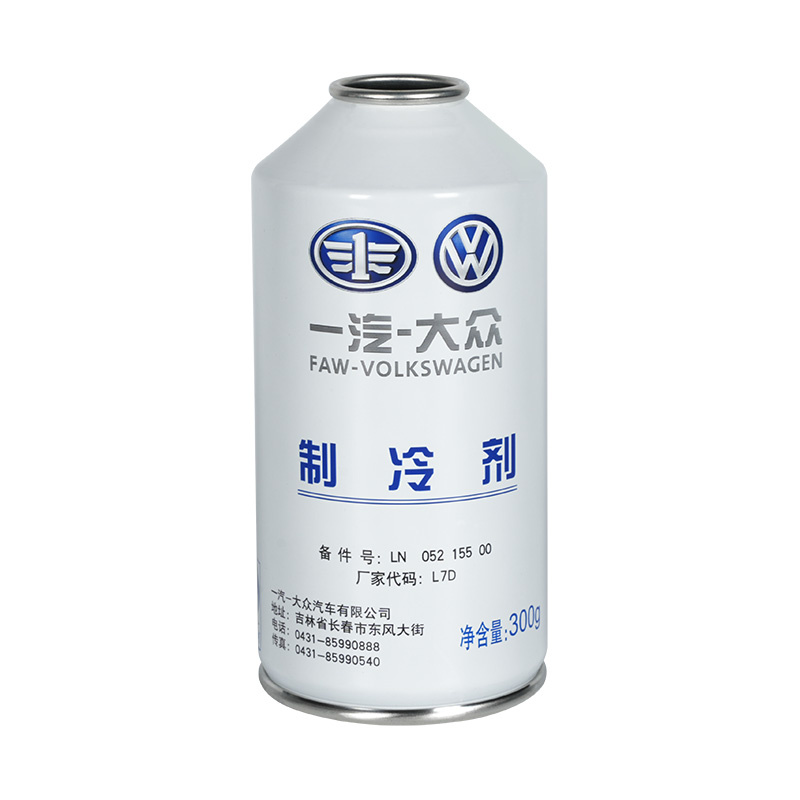
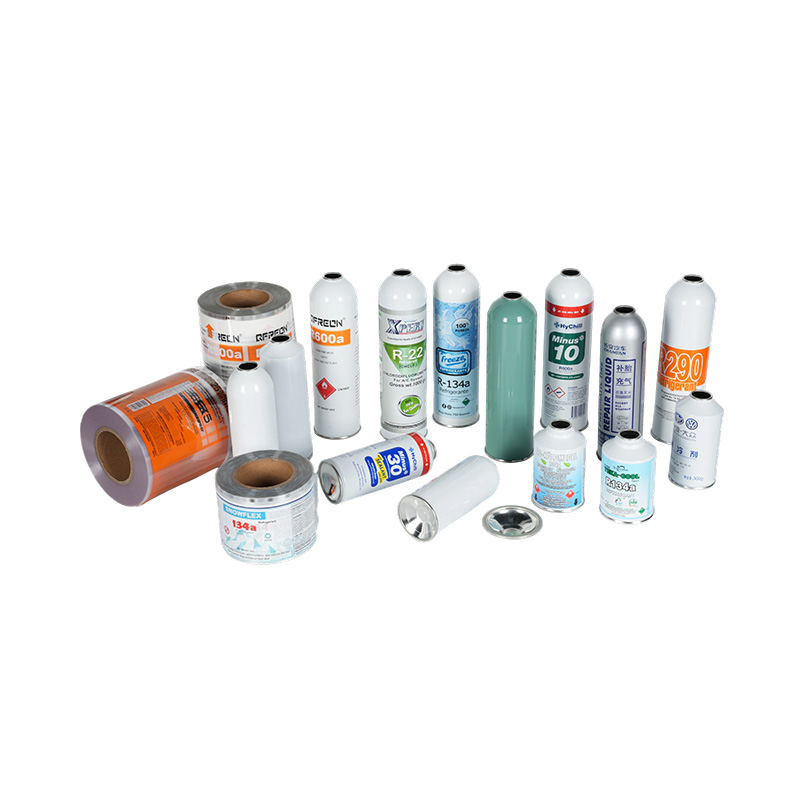
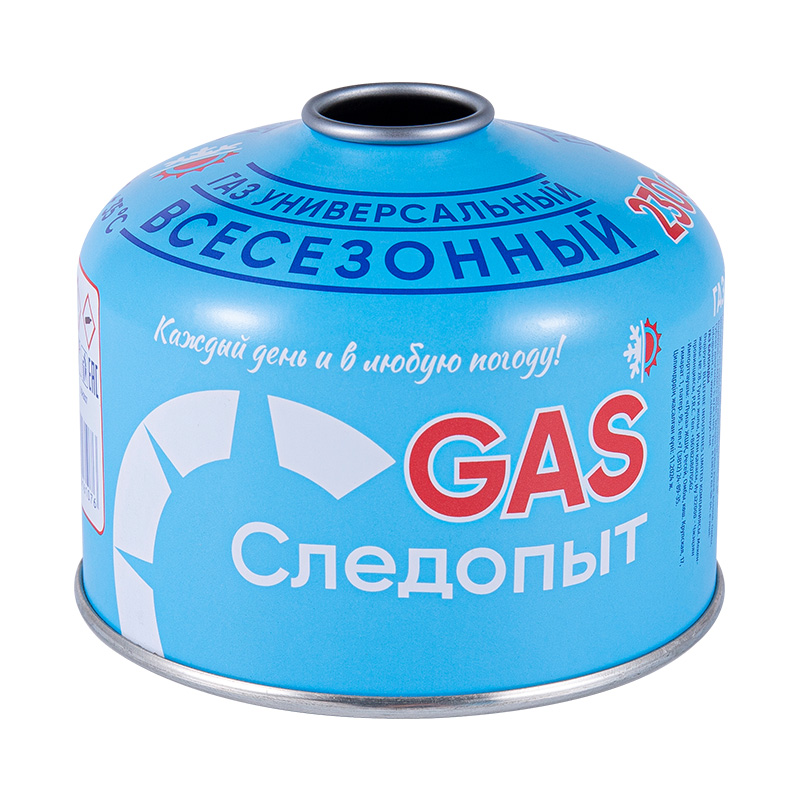
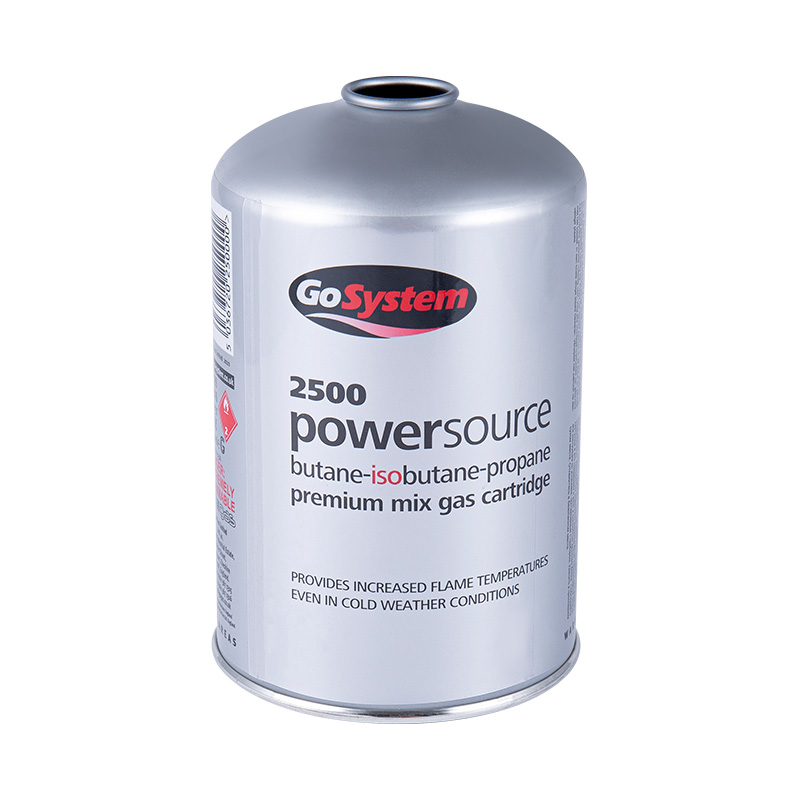
Refrigerant gas can manufacturers have been adjusting their production approach lately, and three areas keep coming up in conversations across the industry: how efficiently steel gets used, how valve components are built, and how clean the production floor actually is. None of these are new problems exactly, but the pressure to address them has grown as HVAC, automotive, and cold chain buyers pay closer attention to consistency and traceability.
Steel is still the biggest line item in a refrigerant gas can's cost sheet, so it's the logical place to start when looking for savings. What's changed is how manufacturers are cutting, forming, and seaming sheet steel to reduce the scrap that piles up during deep-drawing and necking. Coil stock isn't cheap to begin with, and every bit that ends up as offcut is money that never made it into a finished can.
A few things factories are doing differently:
None of this touches the pressure rating or structural strength of the finished can — that part stays fixed. What moves is the gap between the steel a factory buys and the steel that actually ends up in a usable product. This kind of change rarely comes from one big fix; it's usually small adjustments stacking up over time, like a die reworked here or a cutting layout tightened there, until the cumulative effect shows up clearly on the cost sheet.
Factories that track scrap consistently also tend to catch problems earlier — before a worn die starts generating more waste than usual. Over time, this kind of discipline tends to separate factories that stay profitable during volatile steel markets from ones that get squeezed every time raw material prices shift, since the ones already running lean have less slack to lose when costs climb.
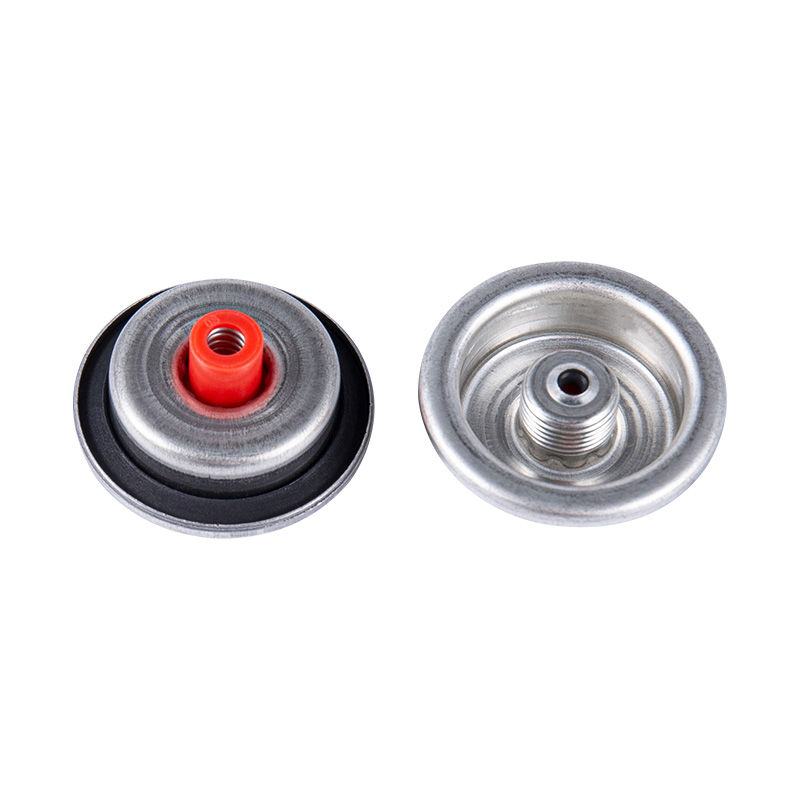
Valves get less attention than the can body, but they're arguably doing more of the work — they determine how safely and consistently a can fills, ships, and dispenses. The newer valve components being developed are built to handle higher internal pressure without changing the outer dimensions, so they still fit existing filling and crimping lines. That last part is easy to overlook, but it's actually one of the more practical constraints: a redesigned valve that requires new tooling on the filling line creates a headache most manufacturers would rather avoid.
What's typically different about these updated designs:
None of these changes happen in isolation, either. A sealing surface reinforced for pressure swings doesn't help much if the same valve corrodes faster once it's exposed to a newer refrigerant blend for months at a time — so the improvements tend to get developed and tested together rather than one at a time.
This matters more than it might seem because refrigerant chemistry itself keeps shifting. A valve that worked fine with an older refrigerant type doesn't always hold up the same way with newer blends running different pressure profiles. That's part of why valve development has turned into an ongoing process for a lot of manufacturers rather than something they revisit only occasionally. It also means a valve's track record with one refrigerant type doesn't automatically carry over to another, which is why testing tends to get repeated each time a formulation changes rather than assumed to still hold.
Cleanliness on the production floor has moved from a background concern to a front-line one. Export markets are asking pointed questions about it, and manufacturers, independently, have their own reasons to want fewer surprises downstream. The risk sits in the forming, coating, and filling stages, where stray contamination can work its way in without immediate signs — only to compromise refrigerant purity or seal integrity later. What makes this tricky is that none of it shows up on a visual inspection; a can can look flawless and still carry a problem that only surfaces after it's already left the factory.
Some of the more common responses:
None of these measures are dramatic on their own — they're the kind of incremental changes that add up over an entire production run rather than solving the problem in one step. A factory that filters its coating area but ignores dust near the filling line still leaves a gap somewhere in the chain.
This matters beyond compliance. A sealed Refrigerant Gas Can hides contamination well — there's no good way to inspect it after sealing. Prevention during manufacturing works better than catching it later, which is exactly why so much of this shifts responsibility upstream, onto the production process itself rather than the finished product.
Does Bluefire support private-label or OEM orders?
Yes. Bluefire also offers OEM printing — by their own account, the results come out sharp and vivid enough to carry a brand's image well.
What's the bursting pressure rating, and why does it matter for procurement?
It's rated at 30 bar. For buyers comparing suppliers, this figure is one of the more direct indicators of how the can performs under stress during storage and transport.
Are these cans certified for international shipping?
Yes ,they carry both DOT and TPED certification, which covers the two certification frameworks most commonly requested by importers in the US and EU markets.
What can actually go inside a Refrigerant Gas Can?
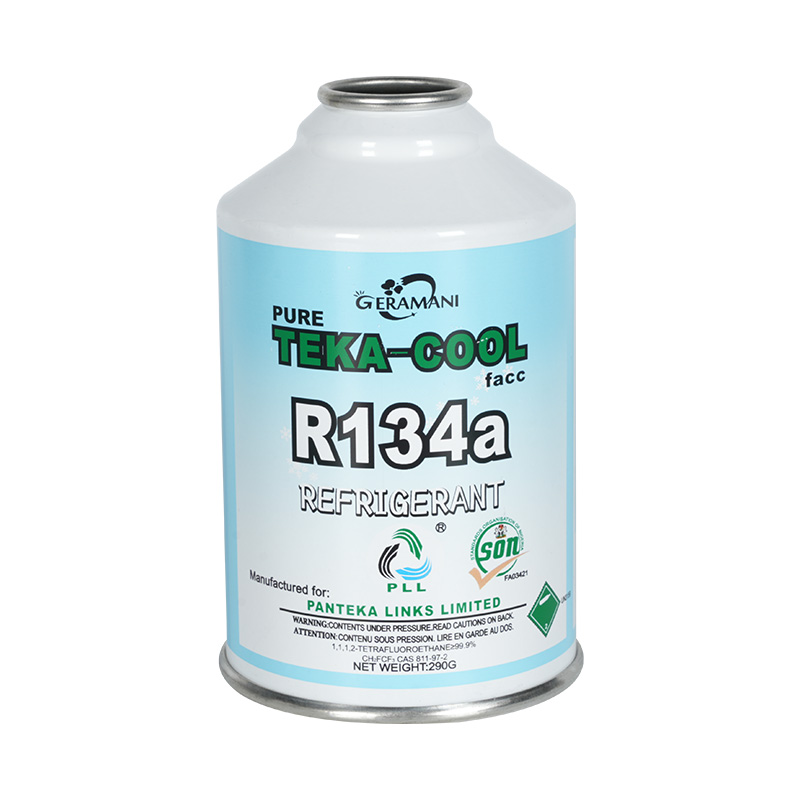
More than you might expect — it's built to safely hold hydrocarbon refrigerants, fluorine-containing refrigerants, and mixed blends alike, so sourcing isn't locked into just one refrigerant type.


+86-18238070562

+86-579-85791578


No.28, Tongyi Road, Yiting town, Yiwu 322000 - Zhejiang Province, P.R.C.
Copyright © Bluefire Industries Limited All Rights Reserved. Two-Piece Aerosol Can


 English
 عربى
عربى Español