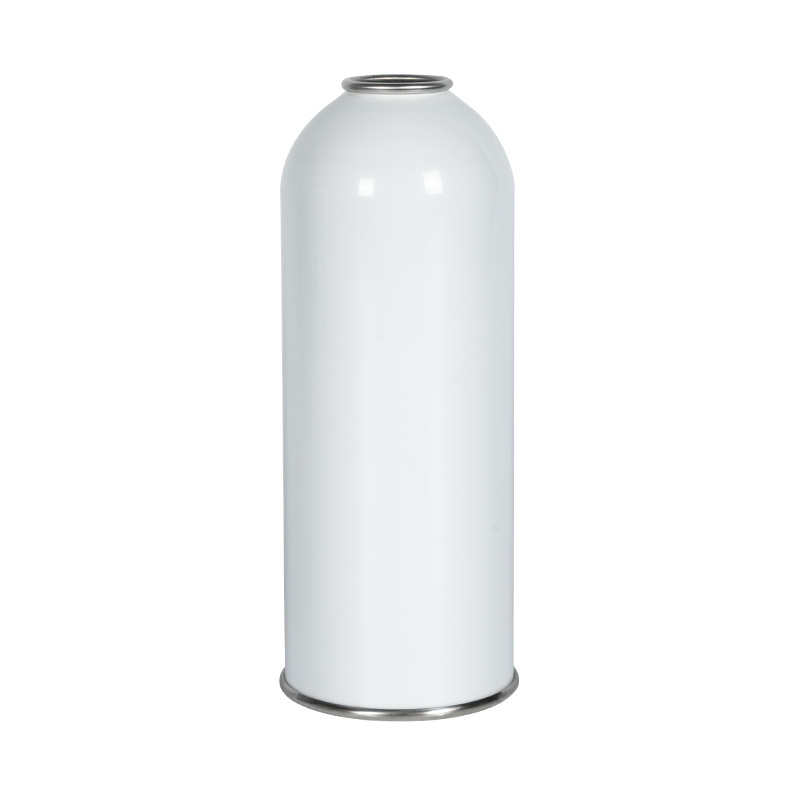
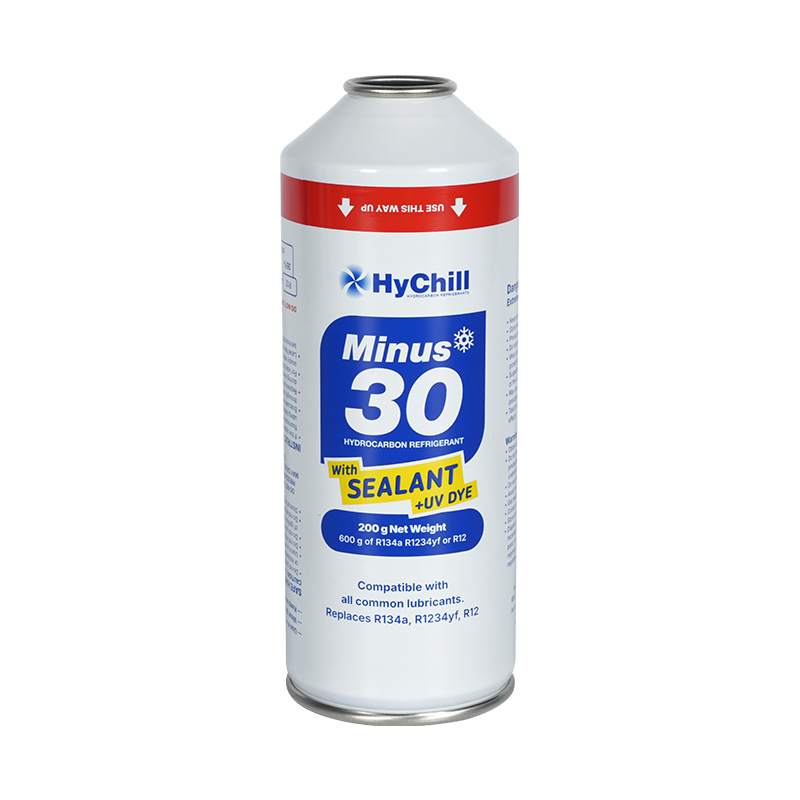
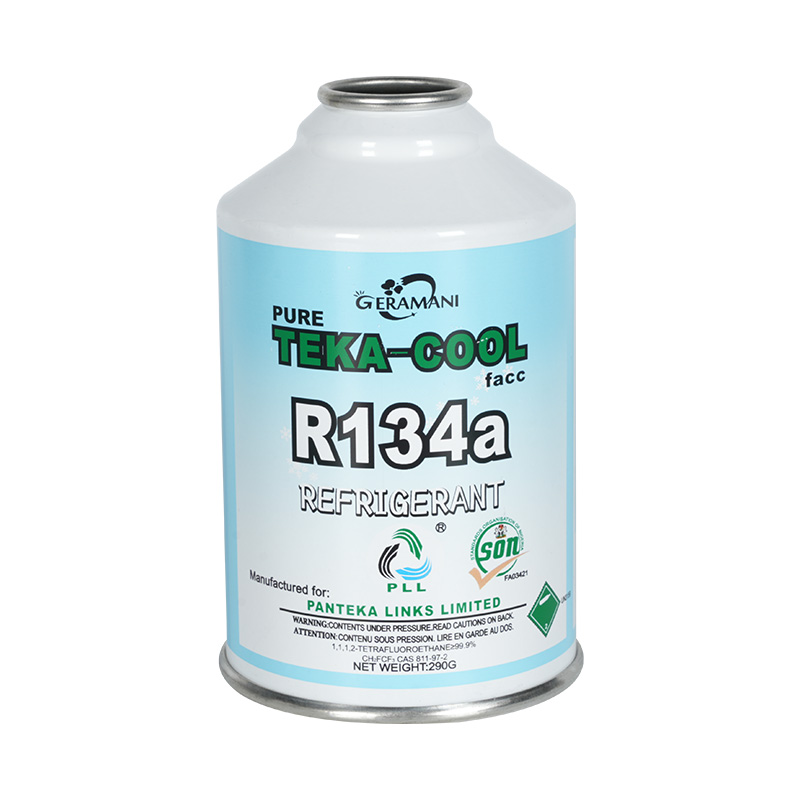
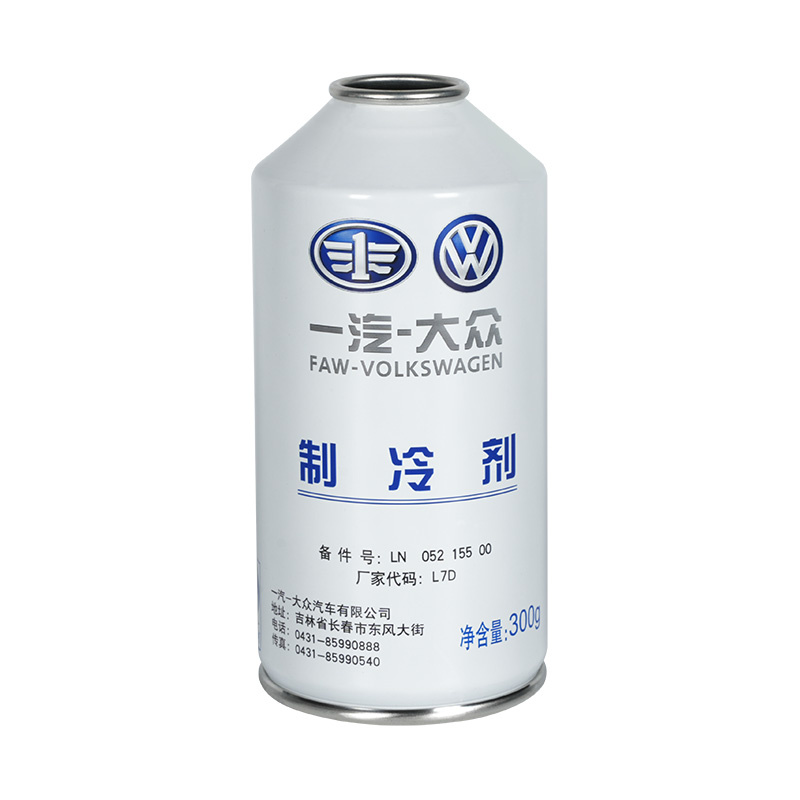
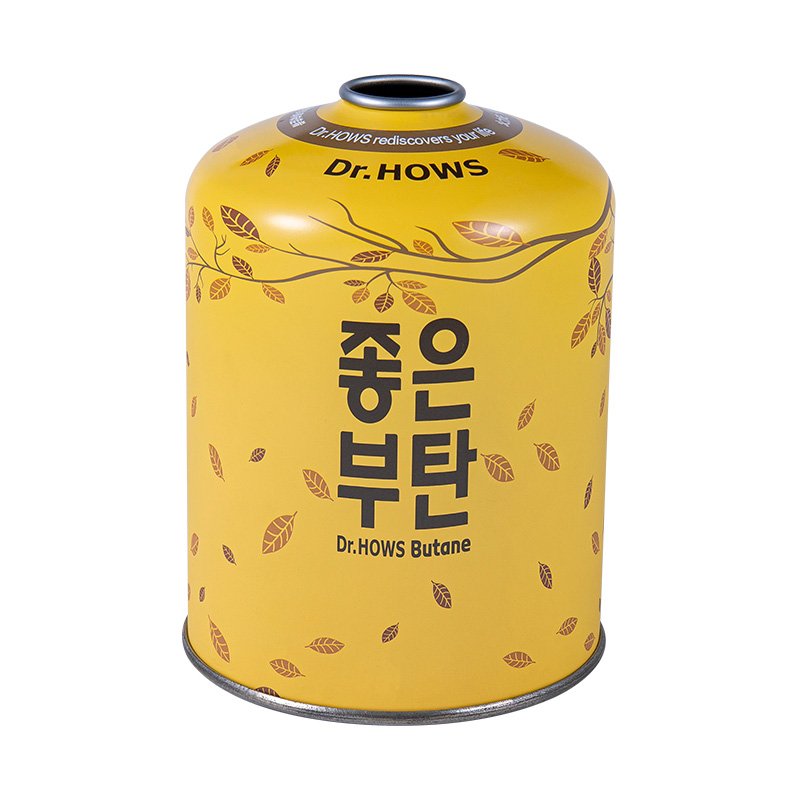
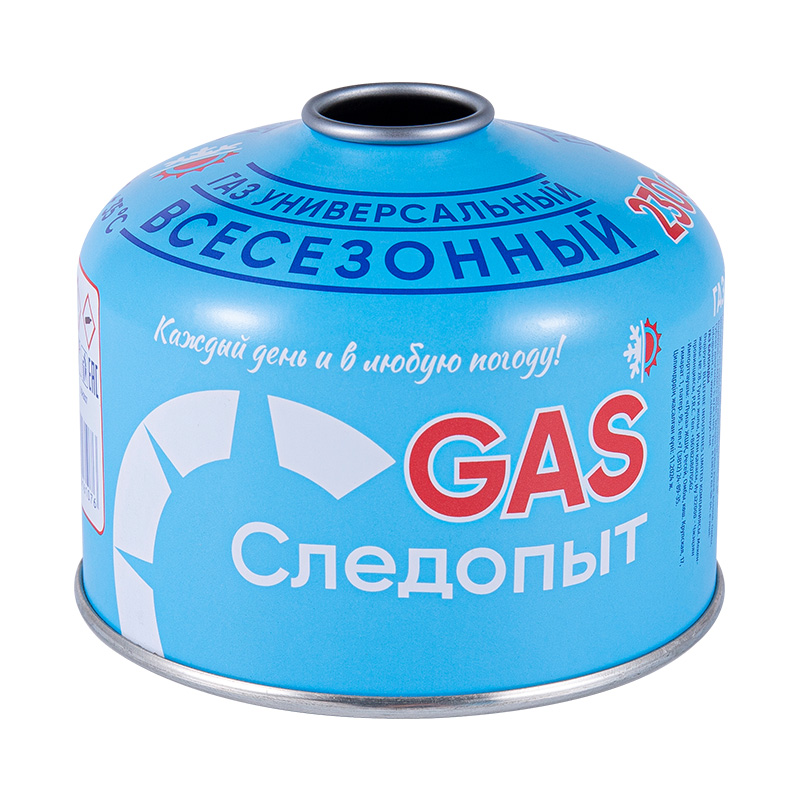
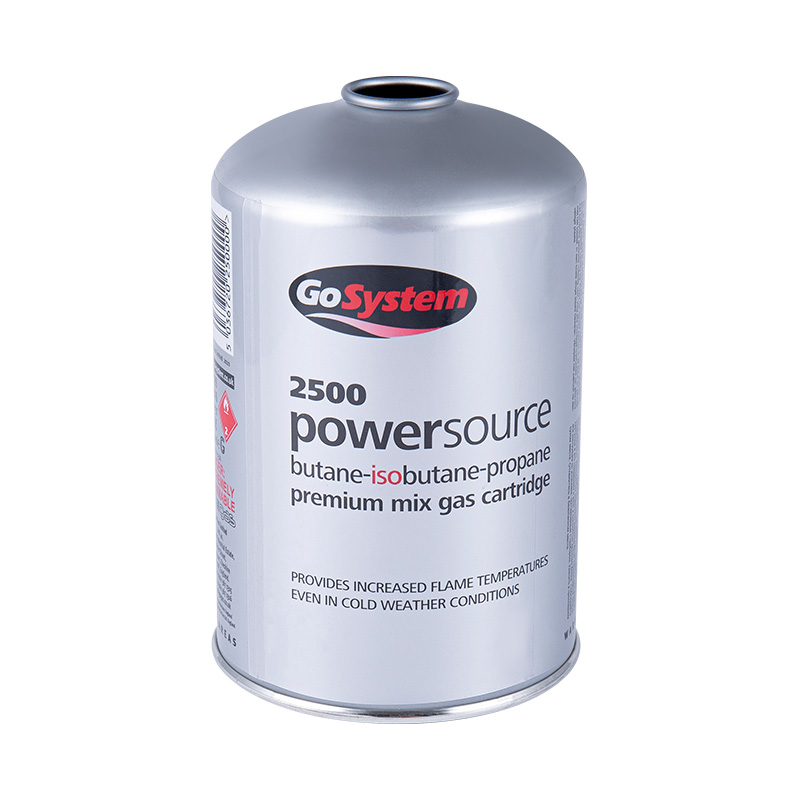
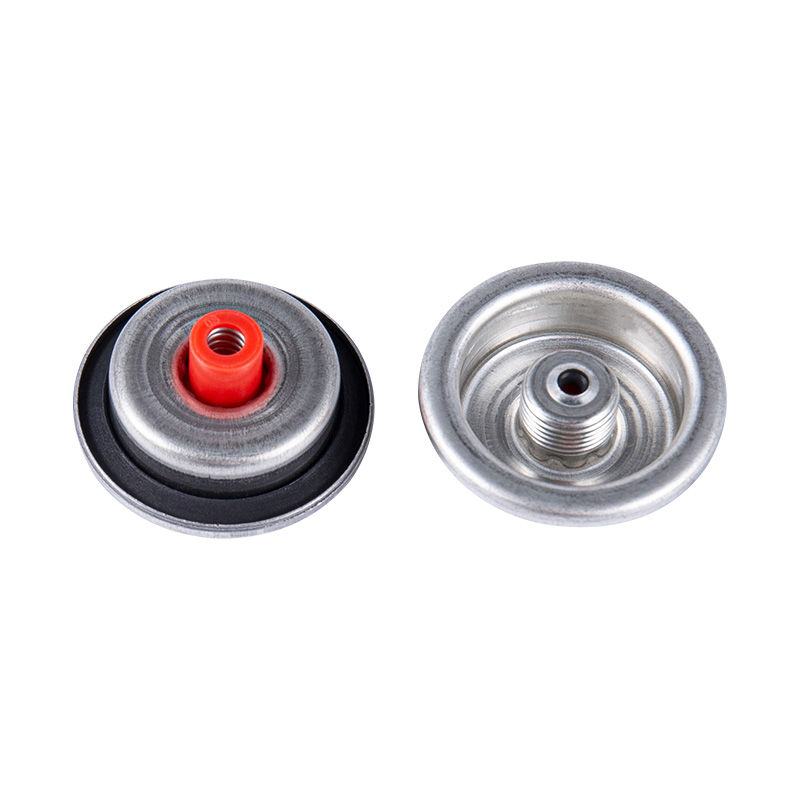
The EN417 valve appears on portable gas canisters that people commonly use for camping stoves lanterns or heaters. It controls the release of fuel from the canister into the appliance in a controlled way and people recognize it mostly through its threaded connection which stays consistent across products.
People often call the threaded self-sealing type the EN417 valve although the actual standard EN 417 from the European Committee for Standardization covers non-refillable metallic cartridges for liquefied petroleum gases with or without any valve. The threaded version usually follows the Lindal B188 design and it screws directly onto compatible equipment to open the flow while sealing when disconnected.
This setup helps prevent leaks under normal use and it handles pressure changes without failing easily which reduces risks during outdoor activities. Manufacturers build stoves heaters and other gear to match this specification so the same canister works with different brands without fit problems.
The standard matters because it sets uniform rules for materials construction and testing. Cartridges must meet pressure strength requirements and valves need to seal reliably over temperature ranges from cold mornings to warmer conditions. Users gain flexibility since they can grab any EN417-compatible canister at a store and attach it to their equipment without adapters or worries about mismatched threads or gas blends like butane propane or isobutane mixes. Outdoor users rely on this system for consistent performance and reduced hassle on trips. The design balances safety with practicality in portable gas equipment.
The EN417 standard came from Europe to set one clear specification for valves on gas cartridges mainly used in portable camping gear. In the past gas canisters and their valves differed a lot in shape threading and safety details which caused frequent mismatches and raised chances of leaks or mishaps.
The European Committee for Standardization saw the problem and developed EN417 to lay out firm rules covering the mechanical thread that locks appliances on securely sealing materials built to handle different gases and pressure shifts plus safety limits on pressure and flow along with test methods that check performance in tough settings from freezing cold to high heat. These rules improved safety for users and made production smoother since makers could follow the same guidelines for canisters and devices alike.
Manufacturers adopted the standard so cartridges and appliances fit together reliably no matter the brand which cut down on consumer frustration during trips.
Technical details of EN417 valves matter to producers outdoor users and anyone focused on safety. The valve manages gas release keeps things sealed and works across many portable stoves lanterns or heaters.
For materials the valve body often uses tinplate because it holds up well against corrosion and pressure. Seals usually come from EPDM or NBR rubber since both resist the chemicals in butane propane or isobutane mixes while staying flexible over wide temperatures. Some designs add reinforced plastic parts for knobs or small fittings to keep weight low without losing strength. Together these choices let the valve endure rough outdoor use humidity swings and knocks without breaking down quickly.
The valve operates through a simple push-and-seal setup. When you screw an appliance onto the canister the connection presses the valve stem inward to open the gas path so fuel flows out steadily. A surrounding seal usually EPDM or NBR presses tight around the stem to block any escape when nothing attaches or after you unscrew. The whole mechanism keeps flow even to avoid flame jumps or pressure bursts and it holds up from chilly mountain mornings to warmer spots ensuring steady reliable output in real camping conditions.
EN417 valves connect easily to camping stoves lanterns and portable heaters through a standard threaded interface that works across brands. You screw the canister's valve into the appliance connector until it seats firmly which creates a secure seal without leaks. Once attached the appliance's mechanism pushes the valve stem inward to open the gas path so fuel flows out steadily into the burner or regulator for even flame or heat. The valve keeps delivery consistent to avoid sudden changes that might cause unstable operation and this setup lets people swap canisters between different devices without trouble or extra parts.
Safety builds into the valve through its basic design rather than complex add-ons. The self-sealing feature closes tightly when you unscrew the appliance so gas stays contained even if the canister remains partly full though dirt or damage can sometimes affect this. Materials resist corrosion and hold up under pressure with the cartridge built to handle up to around 13 bar at higher temperatures according to the standard while normal operating pressures stay lower. Precision seals around the stem prevent escape during use or disconnection and the overall construction uses durable metals plus resistant rubbers that maintain integrity through repeated attachments in outdoor settings.
Users need to watch for risks that come with pressurized gas in portable gear. Leaks happen most often from loose connections worn seals or threads that get damaged which lets flammable vapor escape and ignite nearby. Following these habits cuts down accidents and keeps the equipment reliable on trips.
EN417 valves work best when users take simple precautions before attaching anything. Wipe the valve and appliance connector clean to remove dirt sand or old residue that could prevent a good seal. Screw the canister firmly onto the compatible device until it feels snug without forcing it which helps avoid leaks from the start. Keep canisters in low temperatures and low pressures the manufacturer recommended, as extremes push the limits of seals and materials. These habits let people use EN417 gear on trips with confidence that safety stays intact.
Camping equipment relies heavily on EN417 valves because the standard delivers consistent fit reliability and built-in protection across different brands. Portable stoves use them to connect securely so gas flows evenly for cooking whether on a small backpacking model or a bigger one for several people. Lanterns attach the same way to draw steady fuel for bright steady light through the night without flickering from pressure drops. Compact heaters in tents or during cold treks depend on the valve to regulate flow carefully keeping output safe even when air temperatures dip low. A few other items like portable coffee makers or small grills pick up the same valve for the same reasons of easy interchange and dependable performance.
Campers gain real advantages from this setup. They grab whichever EN417 canister is handy and switch it between stove lantern or heater without hunting for adapters or dealing with mismatches. The valve keeps gas delivery steady so appliances run smoothly without sudden surges or weak flames. Seals and pressure handling cut down on leak risks which matters when gear sits exposed to weather or rough handling. Overall the design keeps things lightweight portable and straightforward which makes outdoor cooking heating and lighting less hassle on the trail.
Gas canisters fitted with EN417 valves raise environmental questions as more people camp and hike. Most bodies come from steel or aluminum both easy to recycle if handled right. Empty the canister completely first by attaching it to an appliance outdoors in open air and running the valve until nothing flows out far from any ignition source. Some places ask you to remove the valve afterward to separate metal from rubber seals or plastic bits before dropping it in the bin. Sort steel from aluminum according to local rules then send them through regular metal recycling which saves raw materials cuts energy use and keeps waste out of landfills. Done properly this also stops leftover gas from leaking into soil or air.
Rules for these canisters are different by country. But the point is safe movement and end-of-life handling. They are dangerous because of the flammable gas, so shipping follows strict standards like ADR in Europe or DOT in the US to prevent incidents during transport. Disposal usually means taking them to special collection points instead of regular trash since tossing a partly full one risks fire or explosion. Labels on the canister show the gas blend EN417 marking and handling warnings which help users and recyclers know exactly what they deal with. Sticking to these guidelines keeps both people and the environment safer over time.
Outdoor users help protect the environment in practical ways when dealing with gas canisters that have EN417 valves. Share basic tips with friends or group members about emptying canisters fully storing them properly and dropping them off at the right spots which spreads better habits without much effort. When possible switch to refillable cylinders or bigger disposable ones for longer trips to cut down on the number of small canisters thrown away over time.
Grasping how EN417 valves work matters more for safety than most people realize especially anyone who relies on portable gas for camping hiking or cooking outdoors. The valve sits between the pressurized fuel inside the canister and whatever appliance you attach so getting the connection right keeps things from going wrong like slow leaks sudden pressure spikes or burners that fail mid-use.
When handled correctly these valves stop gas from escaping unexpectedly which lowers the chance of fire or worse around a campsite. Users who know the basics avoid pushing the system beyond its limits so pressure stays steady and flames don't jump or die out without warning. On the environmental side careful use plus proper disposal means less leftover gas seeps into the ground or air and fewer canisters end up scattered where they don't belong.
The standard also makes gear more practical since one canister fits stoves lanterns heaters or other devices from different makers without adapters or guesswork. Once connected the valve delivers fuel at a steady rate giving reliable heat or light instead of inconsistent output that frustrates people in the field. Knowing the specs lets users swap canisters confidently on the go without second-guessing whether the thread will hold or the seal will fail.
For the best results stick to manufacturer guidelines every time you attach or remove a canister. Look over the valve quickly beforehand to spot dents scratches buildup or anything that seems off and don't use it if something looks wrong. Buy from trusted sources that follow EN417 and other safety rules rather than cheap knockoffs that might cut corners on materials or testing.
Bluefire focuses on building gas canisters and compatible appliances that meet these standards through careful design and thorough checks. The result is equipment that performs steadily stays safe under real outdoor conditions and gives users confidence whether on a short weekend trip or extended backcountry outing. Choosing products built this way supports reliable performance while keeping safety and compatibility front and center.


+86-18238070562

+86-579-85791578


No.28, Tongyi Road, Yiting town, Yiwu 322000 - Zhejiang Province, P.R.C.
Copyright © Bluefire Industries Limited All Rights Reserved. Two-Piece Aerosol Can


 English
 عربى
عربى Español