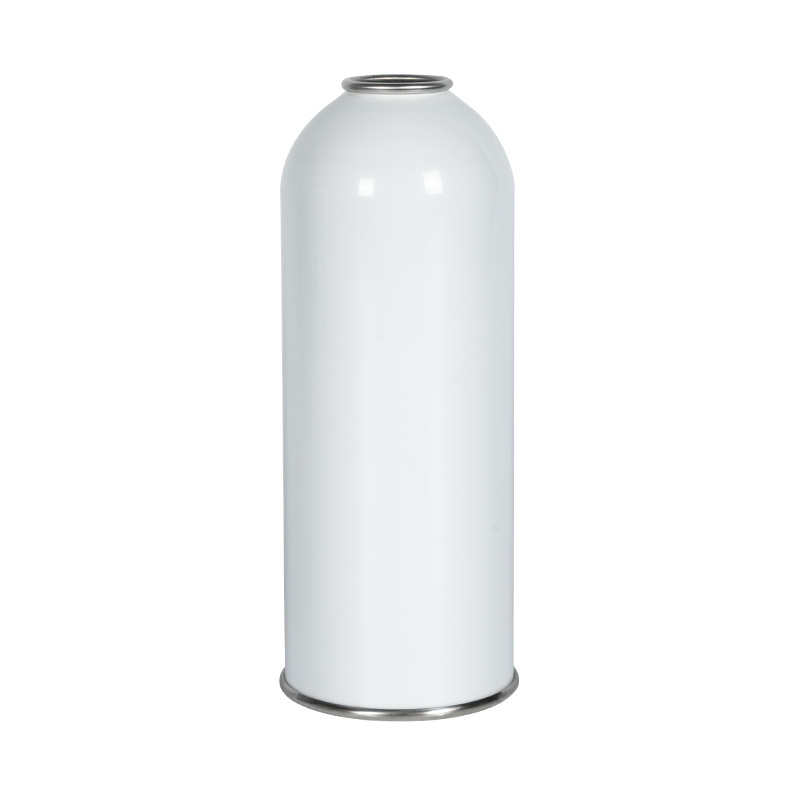
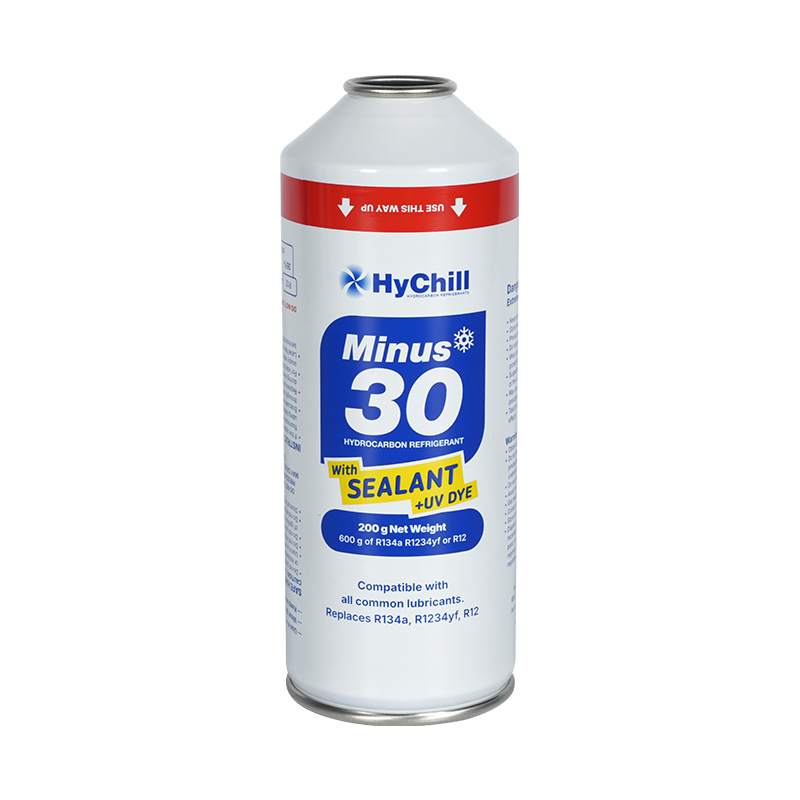
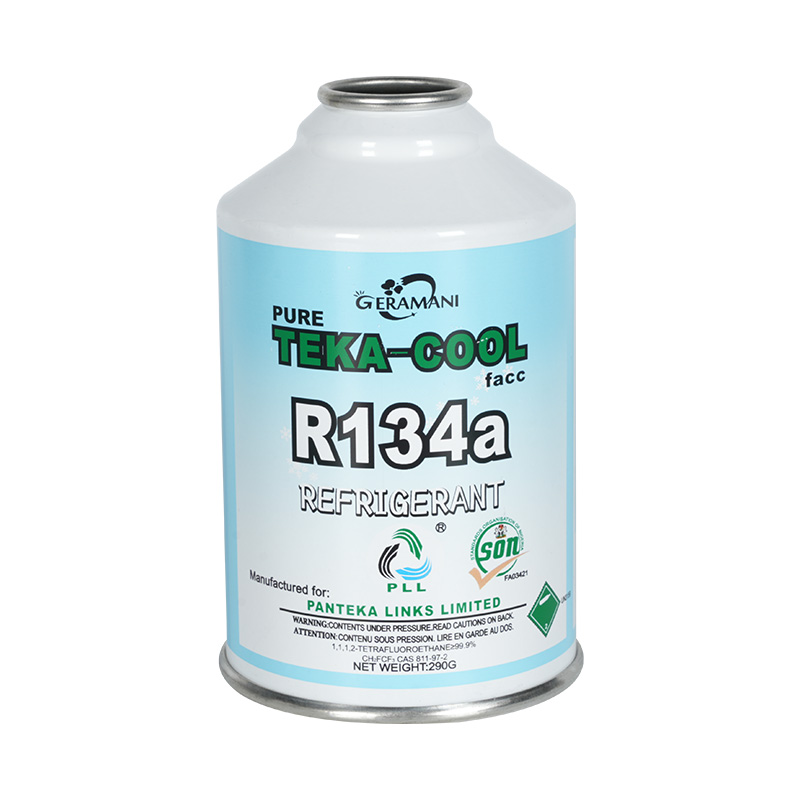
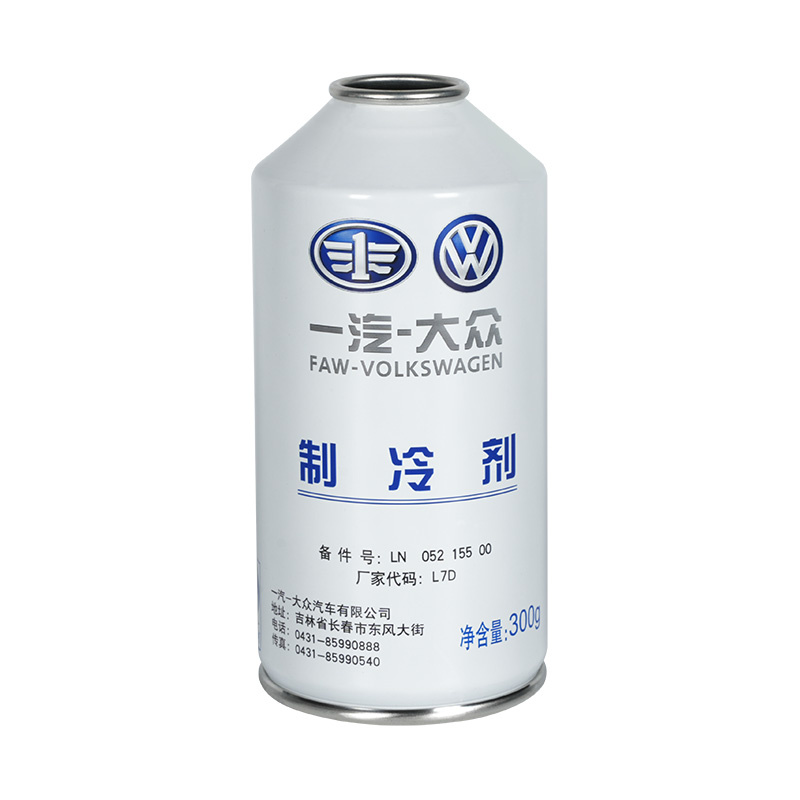
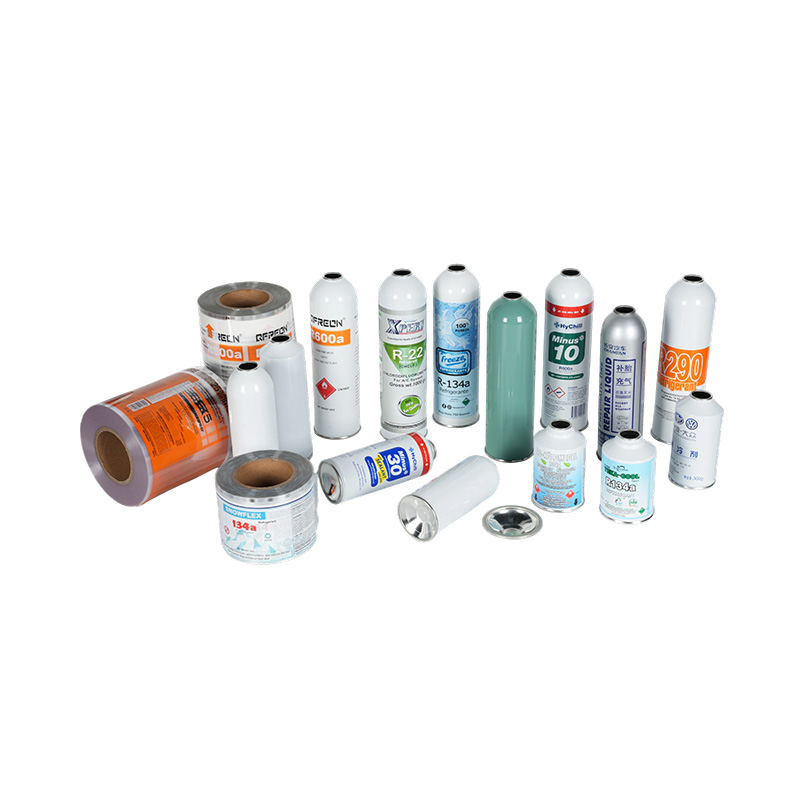
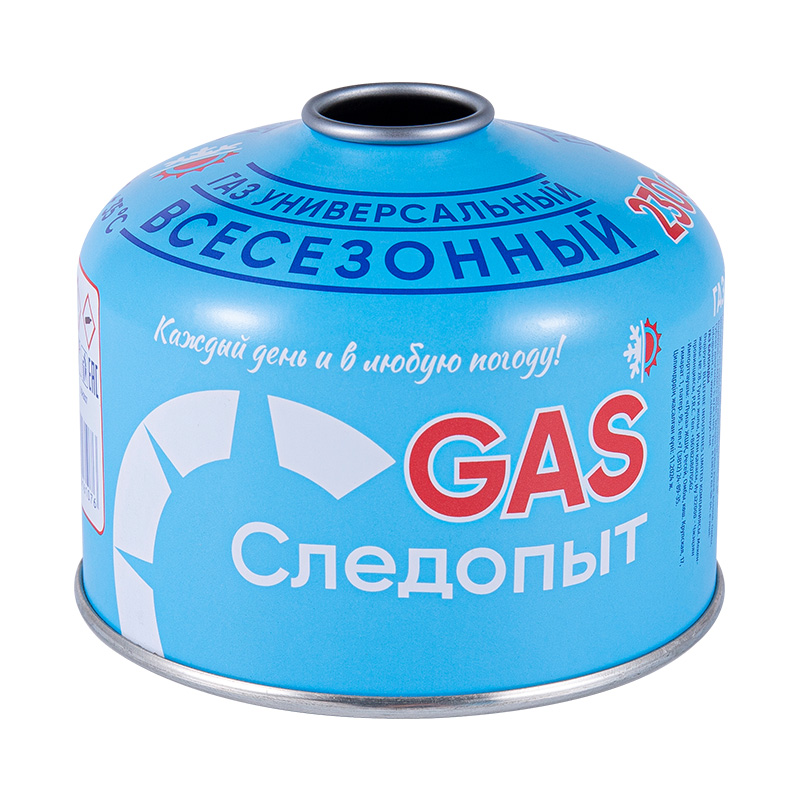
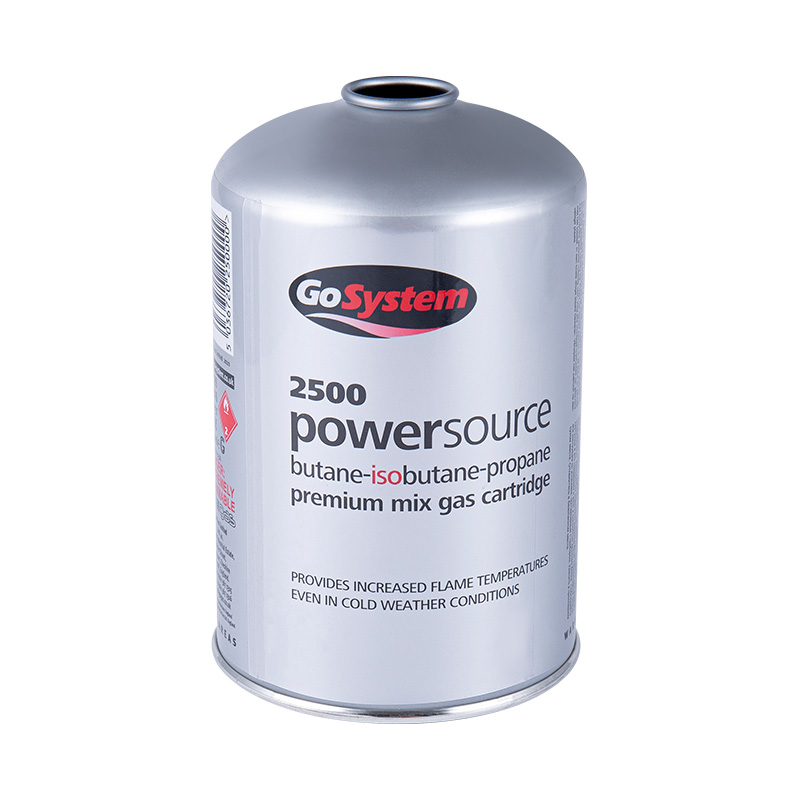
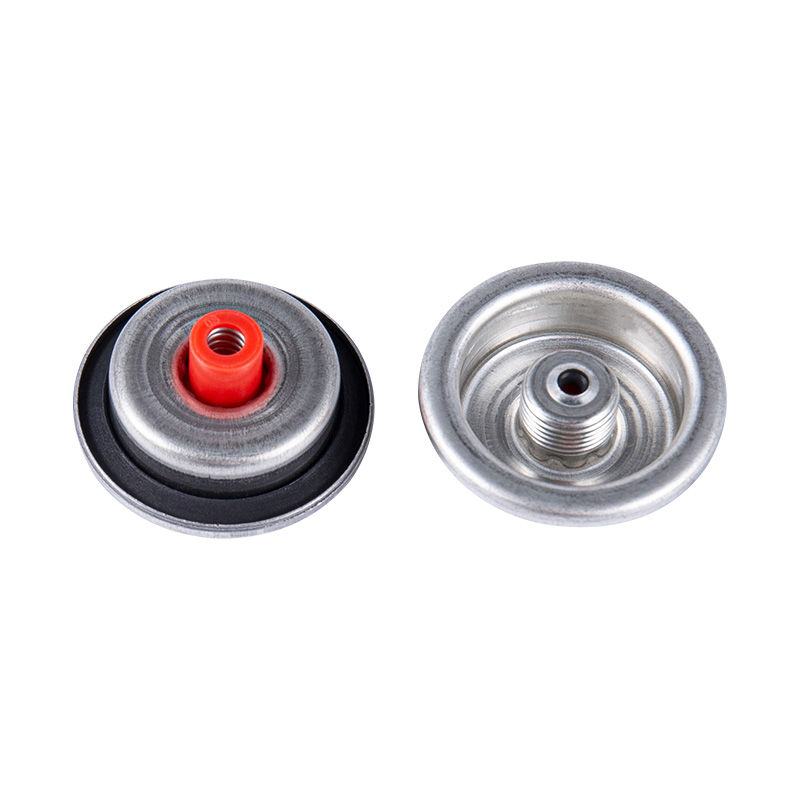
Recycling of aerosol can like Camping Gas Cartridge and Refrigerant Gas Can protects the environment while avoiding serious safety risks. Pressured containers are widely used in outdoor activities and refrigeration work. Anyone handling them—users, businesses, recycling facilities—must know the safe disposal from accidents and pollution.
Camping gas cartridges require complete emptying first. Burn them fully outdoors until no flame and no more gas flows when the valve open. Shake the canister to check for no liquid then release remaining gas in a safe ventilated place. Puncturing follows as the essential step to eliminate hazard. Specialized tools designed for this purpose work best though a hammer and nail can create multiple holes in the side if done carefully with protective gear and away from ignition sources. Once punctured and confirmed empty the metal qualifies for scrap recycling at facilities that accept steel and aluminum. Many outdoor retailers hardware stores or local waste programs collect prepared canisters. Unpunctured ones never belong in curbside bins.
Refrigerant cans demand stricter handling because of their potent environmental effects. Venting or puncturing them without certification violates regulations in most places since releasing high-GWP gases is prohibited. Certified technicians must recover the contents using proper equipment without exceeding safe fill levels in recovery vessels. After recovery disposable cylinders reach zero pressure then get punctured or have valves removed before metal recycling. Return them to certified reclaimers HVAC suppliers or specialized drop-off sites for processing reclamation or safe destruction.
Following these practices reduces waste prevents injuries and limits harmful emissions. Local rules vary so consult municipal waste services or environmental agencies for collection options and events tailored to household hazardous items. Everyone benefits when disposal receives proper attention.
Improper throwing away brings several hazards. Residual gas can leak out. Butane and propane burn easily so any unintended release from camping cartridges risks starting fires. Refrigerants leaking from their cans harm atmospheric ozone contribute to climate shifts and irritate human breathing if inhaled in quantity. Explosions become another threat because pressurized vessels rupture violently when punctured crushed or heated. A discarded camping cartridge thrown into regular trash or sent to an incinerator may burst and cause damage or injury. Refrigerant cans that were not properly vented can split open during transport particularly if heat builds internal pressure.
Regulations cover pressurized containers in many places. Breaking those rules invites fines or other penalties for private individuals and organizations alike. Recycling through approved channels keeps users compliant with standards like those from the EPA in the US or relevant EU directives on waste equipment.
Safe practices reduce these dangers. Consumers and businesses should confirm no gas remains inside before attempting recycling. Manufacturer labels usually give disposal directions so read them carefully. Take canisters only to certified facilities designed for pressurized items. Never puncture crush or burn them at home since those actions invite accidents.
Different canister types serve distinct purposes and call for tailored handling during use and end-of-life. Butane Gas Canisters provide portable fuel mainly for camping stoves cooking gear and portable heaters. Pressurized butane burns with little residue and delivers steady heat. Consumer versions stay compact and light for easy carrying while industrial ones come larger with different pressure specs suited to heavier tasks.
storage transport and final disposal. Following professional protocols prevents unintended releases and keeps operations within legal bounds.
Certain canisters resist standard recycling streams because leftover pressure or trapped chemicals turn ordinary processing methods risky. Spotting those constraints helps protect both the environment and anyone involved in disposal.
Residual pressure stands out as a primary barrier. A canister that seems spent can still trap enough gas to stay dangerous. Crushing puncturing or heating it without expert preparation often triggers abrupt violent rupture as the contents expand explosively.
Facilities that melt or compact metal face real explosion threats if pressure remains inside. Gas surges outward tears the vessel apart and scatters fragments or sparks fires. Household bins and basic curbside programs offer no way to vent safely beforehand so sending partially used canisters there frequently ends in accidents. Specialized recyclers apply controlled depressurization first which removes the hazard before metal recovery begins.
Chemical residues bring another difficulty. Propellants solvents and refrigerants stay in many containers long after using ends. Hydrocarbons burn easily in enclosure spaces, and some solvents corrode equipment or creat toxicity risks during handling.
When those residues escape they pollute air or water. Ozone-damaging or high-GWP gases amplify climate effects even from minor leaks. Capturing or destroying them becomes critical before any metal gets reused.
Effective recycling addresses both issues through deliberate steps. Controlled venting extracts usable or neutralizes harmful contents then allows clean separation of the steel or aluminum for remelting. The approach safeguards workers nearby communities and natural systems from avoidable contamination.
Identifying labels and symbols on gas canisters forms the starting point for safe handling and correct recycling. Markings reveal the canister's material makeup any chemical risks and recommended disposal steps. Reading them accurately protects users and meets environmental rules.
Recycling symbols point out the main material so facilities can sort and process items without mixing types. Most of gas canisters use tinplate.
Aluminum versions is light and recycle easily. They often show a triangle with the number 41 inside or the letters ALU to mark them clearly. Steel canisters weigh more and typically carry FE or a steel-specific metallic triangle. Spotting these lets recyclers separate them right away and keeps the stream clean from mismatches.
Composite designs blend metal shells with plastic coatings or inserts. Symbols on those usually note the mixed nature which calls for extra steps to pull apart components before metal recovery.
Beyond basic material tags many canisters include standard codes that signal whether they fit regular curbside pickup industrial metal recycling or special hazardous waste routes. Checking those codes avoids polluting clean batches and keeps everything legal.
Hazard symbols spell out dangers from the contents and direct how to manage the canister without trouble.
A flame icon means flammable gases or liquids sit inside. Never bring such canisters near heat sparks or flames during storage transport or disposal. Venting and pressure release must happen first under controlled conditions.
Corrosive markings show chemicals that eat through skin eyes or even metal parts. Anyone dealing with these needs gloves eye protection and other safeguards to stay safe while moving or processing them.
The gas cylinder pictogram warns of high internal pressure. Puncturing crushing or heating risks sudden explosion so these demand full emptying or professional depressurization before any recycling attempt.
These hazard icons work together to guide everyone involved. A canister bearing both flammable and pressurized signs rules out simple mechanical crushing while a corrosive mark pushes for chemical neutralization early in the process. Heeding the symbols cuts down on mishaps unintended releases and broader harm to air water or soil.
Labels and symbols together shape responsible canister use from first pickup through final recycling. Material codes steer sorting for efficient metal reuse while hazard warnings remind handlers of ongoing risks. Close attention to every marking lowers accident chances and backs up sustainable practices.
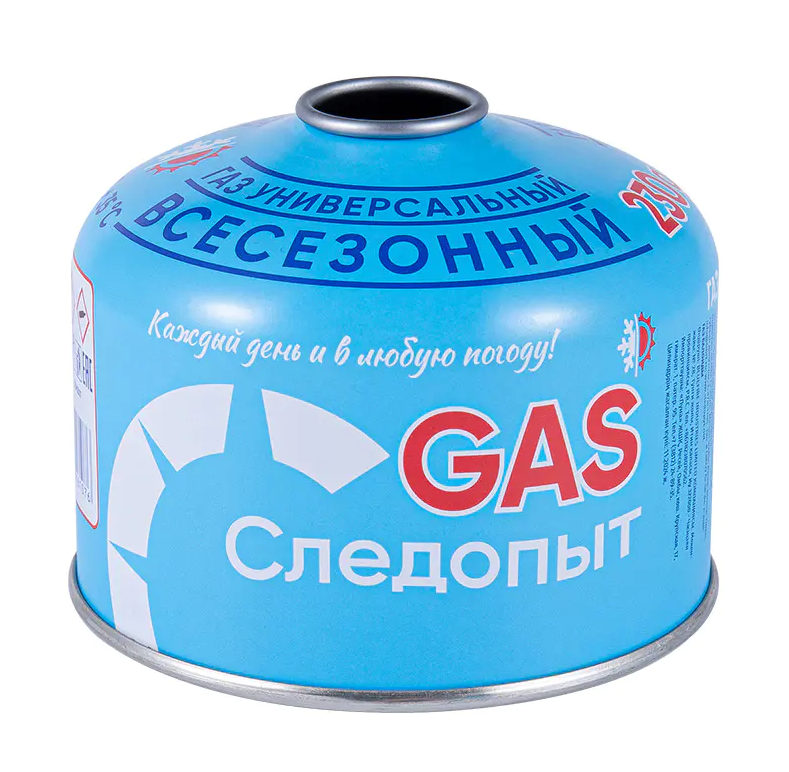
Before puting a canister for recycling or disposal, please always check for any residual gas or liquid. Remaining contents threaten safety during transport handling or processing and can ruin equipment or spread pollution. Pinpointing what's still inside prevents exposure bursts or wider contamination.
Common ways to gauge residual levels include weighing the canister against a known empty one of the same size since fuel adds measurable mass. Some people float it in water to see where the line sits compared to full and empty examples though results stay approximate. Certain brands print built-in indicators on the side for quicker visual checks. Shaking might reveal sloshing if liquid remains but never rely on sound alone for safety decisions. Whatever method gets used confirm emptiness thoroughly then follow label directions or take it to a certified site equipped to handle any traces safely.
Shaking the canister is the quickest way to sense if anything liquid inside.
This method works as a first check for true emptiness. People often assume a canister is spent just because no spray comes out anymore but liquid or gas can linger quietly under pressure waiting for the wrong moment. If you hear sloshing that means fuel solvent or refrigerant still sits at the bottom and needs proper handling before anything else. A soft hiss during the shake or even a feeling of resistance suggests pressurized gas has not fully escaped. That gas might ignite easily or damage the environment once loose so treat the sign seriously. Carry out the shake outdoors where air moves freely stay well clear of anything hot open flames cigarettes or electrical switches to keep risks low.
After the shake turn attention to the valve and nozzle because their state decides whether remaining contents can leave safely or stay trapped. When it moves freely any leftover material stands a better chance of controlled release. During normal use always close the valve completely after each session. An open or loose valve allows slow leaks raises internal pressure unexpectedly or causes accidental discharge all of which make storage transport and recycling far more dangerous. Should the valve refuse to budge do not pry twist or hammer it. Forcing almost always leads to damage cracked seals or abrupt uncontrolled release that puts people and surroundings at immediate risk.
Preparation turns out to be the single most important stage before any canister heads to recycling. These containers arrive pressurized often laced with flammable toxic or ozone-affecting substances so skipping careful prep invites accidents chemical spills or ruined batches at the facility. The goal remains emptying completely stripping off unusable extras and grouping items correctly so metal recovery proceeds without trouble.
Begin with full removal of contents but never rush the process. Whenever possible rely on professional recovery machines that pull gases and liquids out for safe storage reuse or destruction instead of simply venting to air. Carry out emptying in places with excellent ventilation high ceilings and constant breeze so no hazardous vapors build up to dangerous levels. Keep watching the valve and pressure even after the main flow ends. Some residual pressure hides deep inside and only careful slow depressurization through approved methods confirms the canister no longer holds danger. Rushing here causes most incidents at home or in small workshops.
Once contents leave remove parts that metal recycling cannot accept or that disrupt the process. Plastic caps protective covers nozzles hoses rubber O-rings and seals all fall into this group. They jam shredders contaminate molten metal or carry leftover chemicals that pollute the output. Detach them carefully then sort plastics into appropriate recycling bins where available or send to general waste if no better option exists locally. With those gone examine the naked metal body closely. Check for any clinging droplets corrosion pits dents or weakened seams that signal ongoing hazards or processing difficulties.
Finally separate canisters by material and prior contents to maximize efficiency and safety. Aluminum containers stay light recycle quickly with far less energy than virgin production while steel demands different furnaces and sorting lines due to weight and composition. Blending the two cuts purity and value of recovered metal. At the same time isolate any that once held flammables corrosives toxins or high-GWP refrigerants from ordinary ones. Hazardous versions usually route to specialized lines where technicians neutralize traces or capture gases before metal work begins. Wrong routing risks cross-contamination legal violations or escaped pollutants.
When people and businesses follow emptying removal and sorting diligently pressurized canisters stop being threats and become straightforward sources of reusable steel or aluminum. The approach shields workers nearby residents the broader environment and the entire recycling system from avoidable harm. In the end these habits help close the loop turning what looks like dangerous waste back into valuable material while shrinking pollution health risks and compliance headaches for everyone involved.


+86-18238070562

+86-579-85791578


No.28, Tongyi Road, Yiting town, Yiwu 322000 - Zhejiang Province, P.R.C.
Copyright © Bluefire Industries Limited All Rights Reserved. Two-Piece Aerosol Can


 English
 عربى
عربى Español