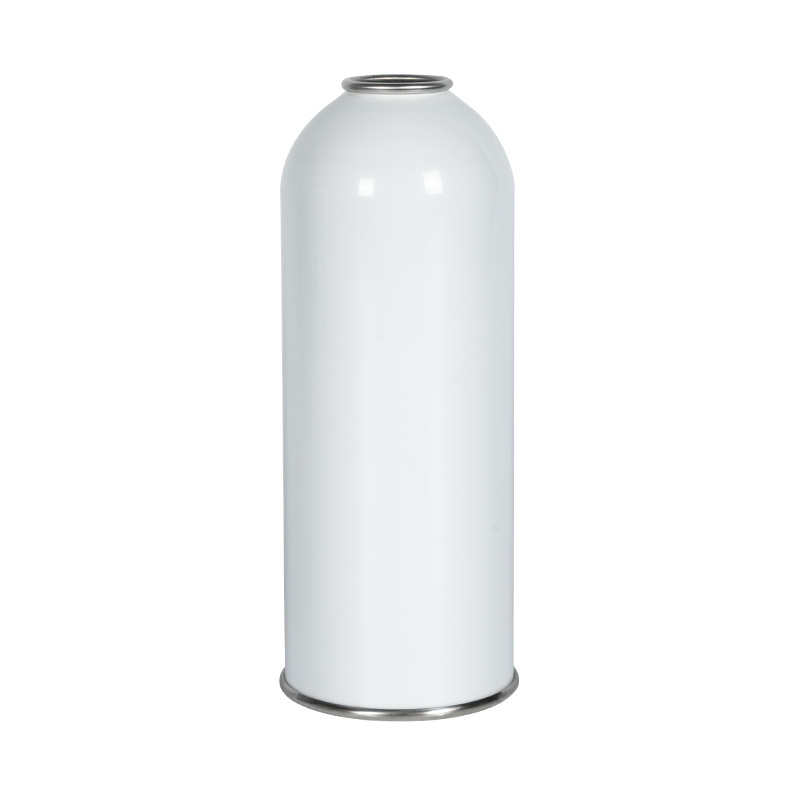
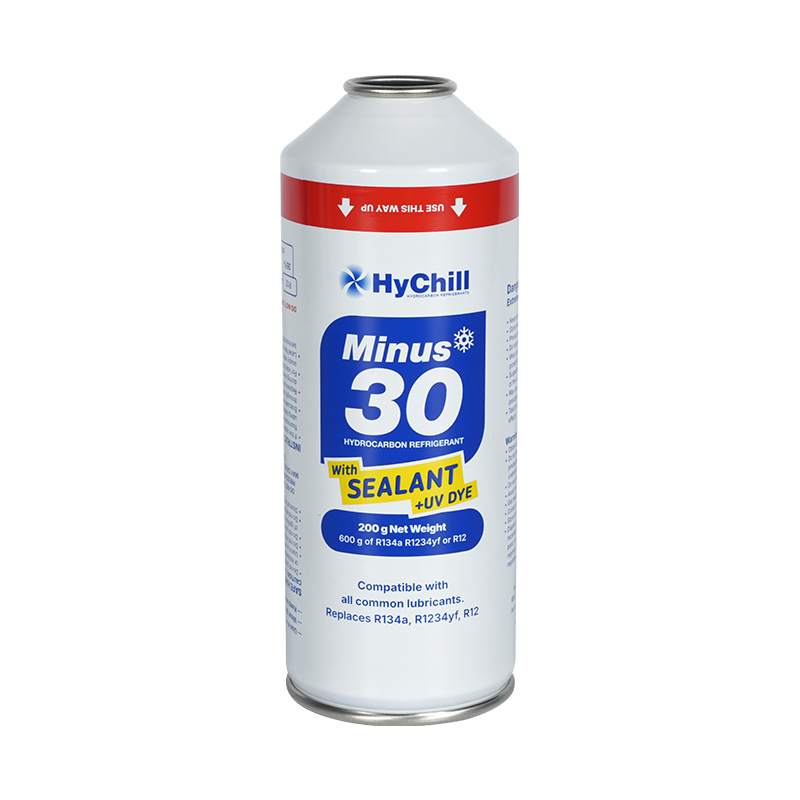
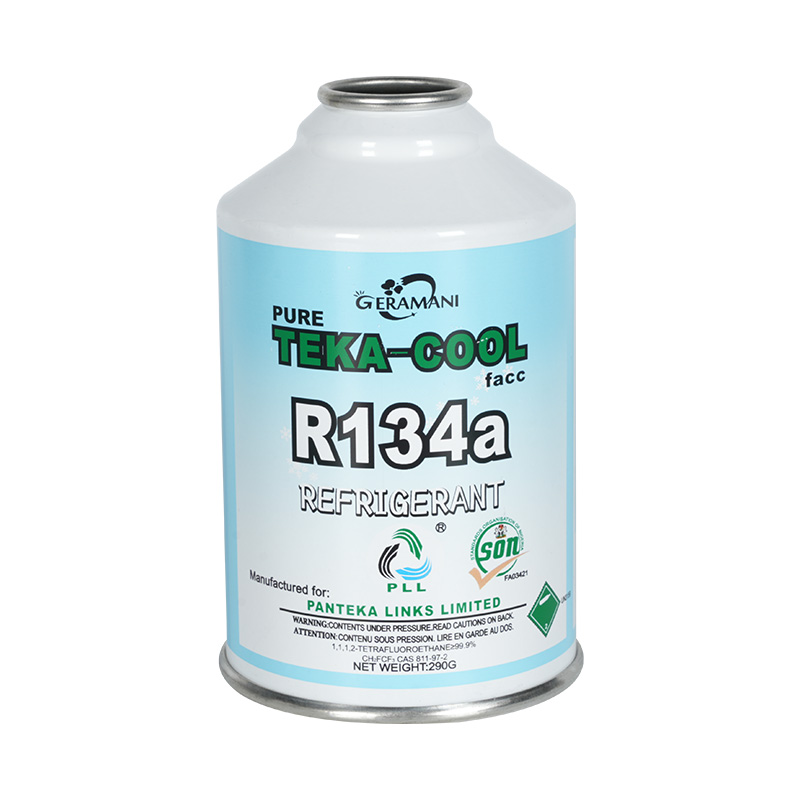
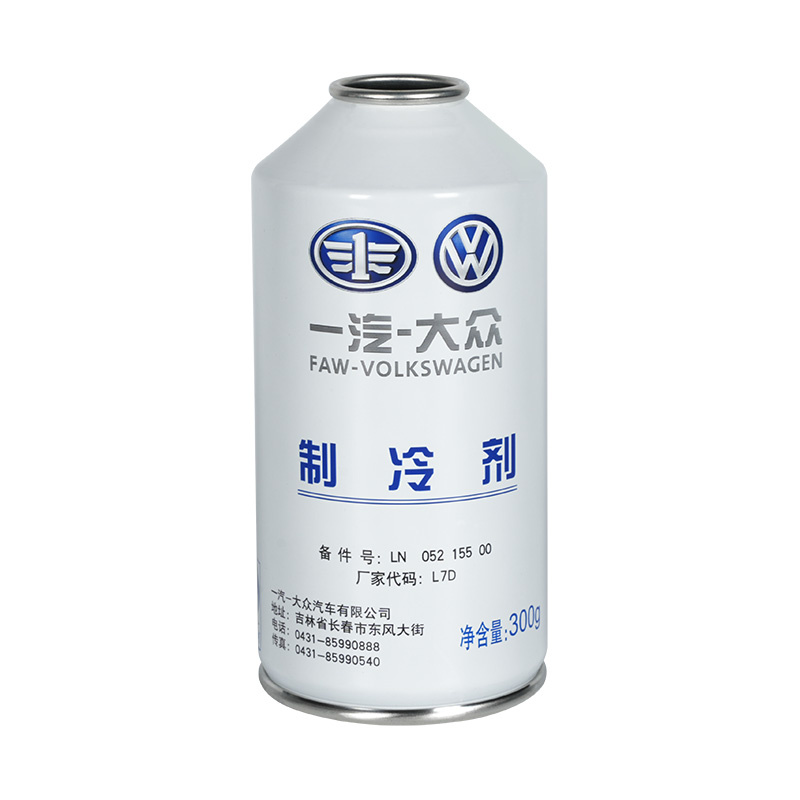
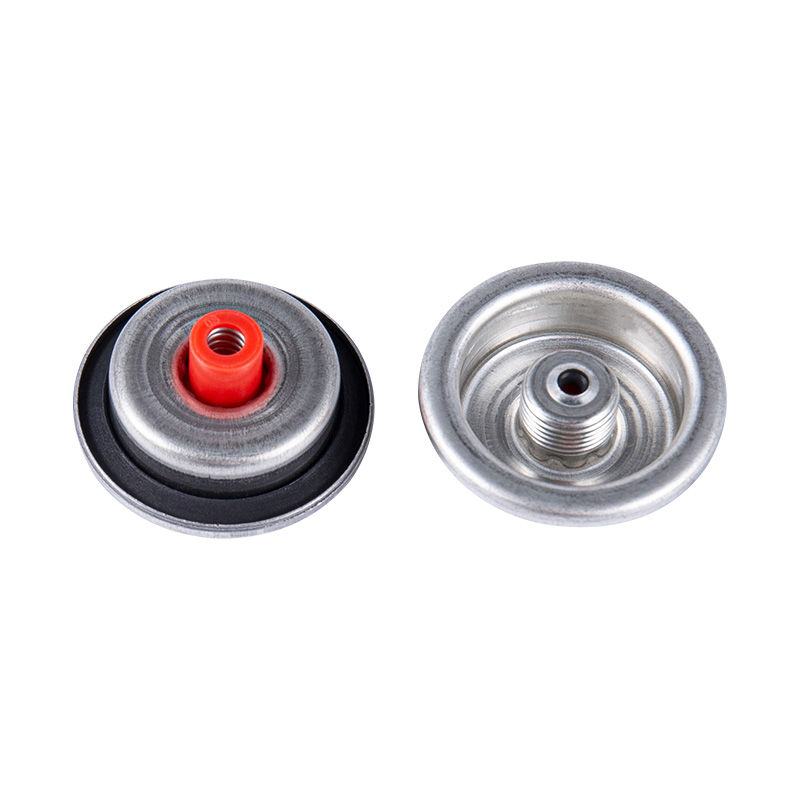
Three-piece cans are basically a puzzle: roll the cylinder, weld the seam, and attach the two end caps. Two-piece aerosol cans are seamless. You stamp the entire cup—walls and bottom—from a single metal slug, leaving only the top open for the spray mechanism.
To see how they actually compare on the factory floor, here is the direct breakdown:
| Production Factor | Two-Piece Aerosol Can | Three-Piece Aerosol Can |
| How It's Made | Stamped body and base from one piece + top cap | Rolled metal sheet body + separate top and bottom ends |
| Material Choice | Mostly Aluminum or highly ductile steel tinplate | Standard tinplate steel or tin-free steel |
| Leak Risks | Very low, since the bottom can't split open | Higher along the vertical weld line and bottom lip |
| Print Quality | Flawless, wrapping all the way around the body | Broken up by a thin, unprinted welding seam |
| Upfront Setup Costs | High capital needed for specific extrusion dies | Low to moderate, with fast changeovers for new sizes |
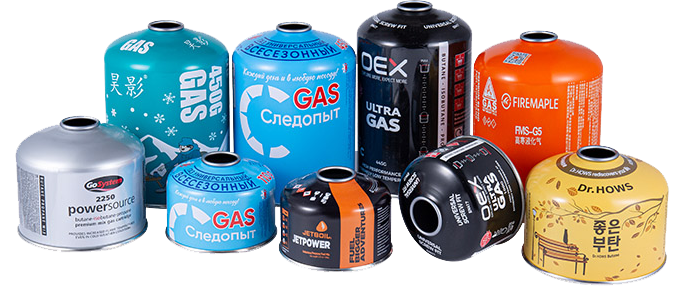
Once you commit to a two-piece setup, the next goal is making it as light as possible. Shaving a fraction of a millimeter off the sidewall slashes your raw material bills and lowers freight costs. But because these cans sit in warm warehouses and shipping containers where internal pressures can spike, thinning the metal requires some clever physics.
Most plants use the Drawn and Wall Ironed (DWI) process. A hydraulic punch turns a metal disc into a shallow cup, and then consecutive rings stretch and iron that metal upward. You have to figure out a way to shave off the metal weight without ending up with a fragile container that crushes like a soda can under the slightest bit of vertical pressure.
Engineers look at three main areas to get this right:
Changing Wall Thickness
You cannot thin the metal evenly from top to bottom. The top neck—where the valve cup gets crimped on—needs to stay thick to prevent leaks. The bottom dome also stays thick to take dropped impacts. The middle of the can is where you can get aggressive with thinning, because the internal gas pressure actually helps hold the wall rigid from the inside out.
Work Hardening
When you force metal through ironing rings at room temperature, the mechanical stress alters its crystal structure. This cold-working process naturally jacks up the material's yield strength. It allows a wall that is thinner than a business card to handle intense internal forces. Adding a tiny bit of magnesium to the aluminum blend also goes a long way in preventing structural failure.
Base Architecture
To keep ultra-thin walls from folding when pallets are stacked three-high, the shapes built into the metal do the heavy lifting.
By leveraging cold-working physics and smart geometry, modern two-piece aerosol cans drop significant weight without turning into a liability during shipping.


+86-18238070562

+86-579-85791578


No.28, Tongyi Road, Yiting town, Yiwu 322000 - Zhejiang Province, P.R.C.
Copyright © Bluefire Industries Limited All Rights Reserved. Two-Piece Aerosol Can


 English
 عربى
عربى Español