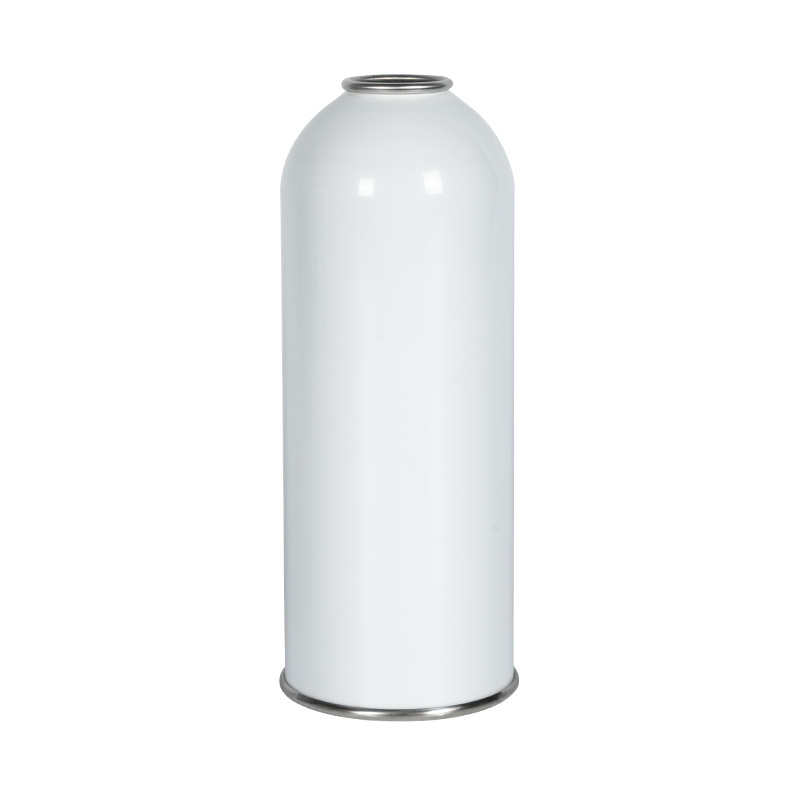
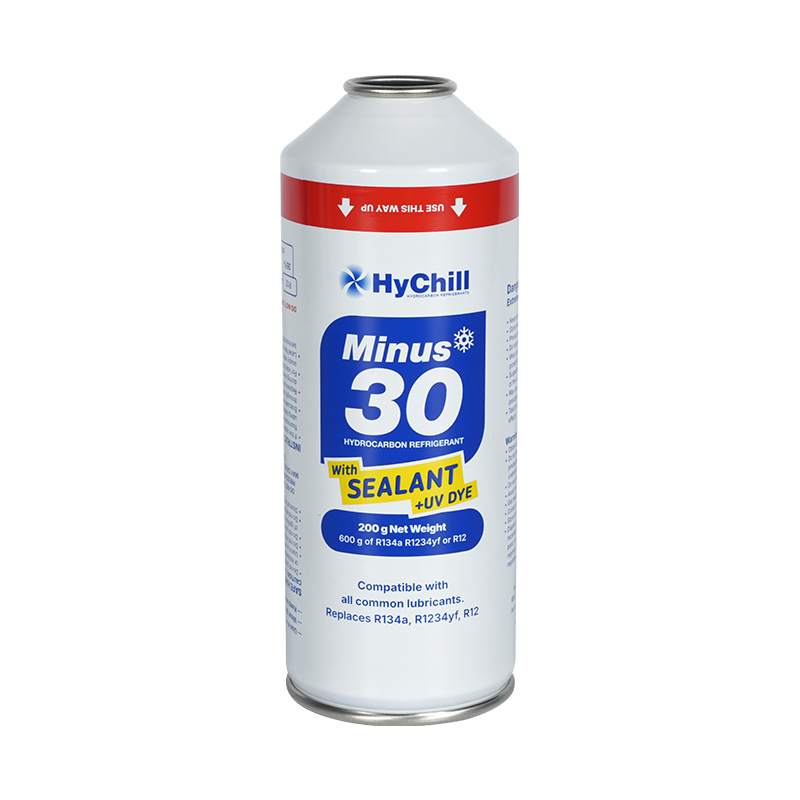
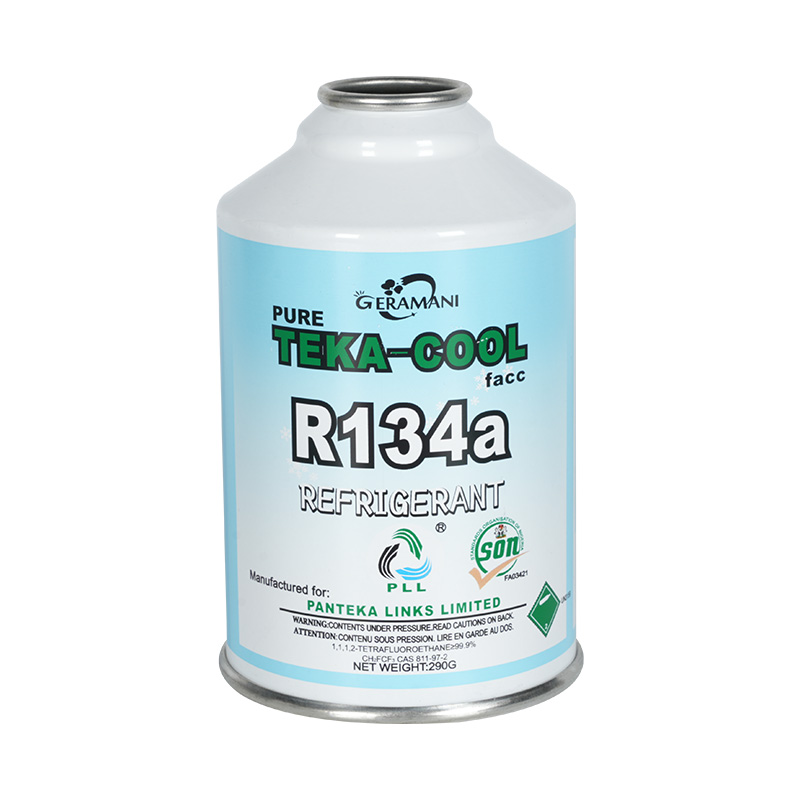
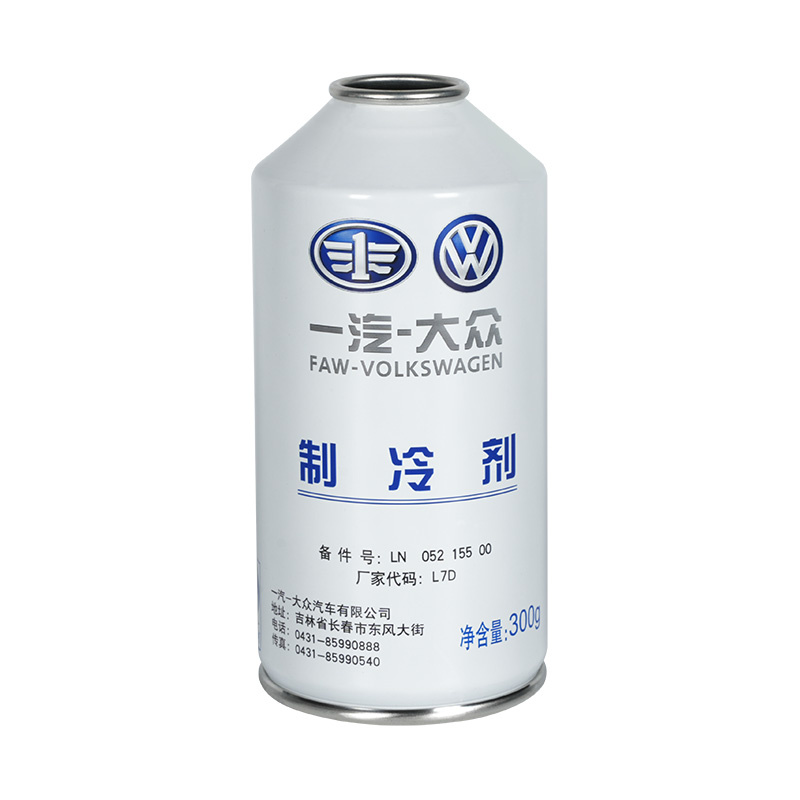
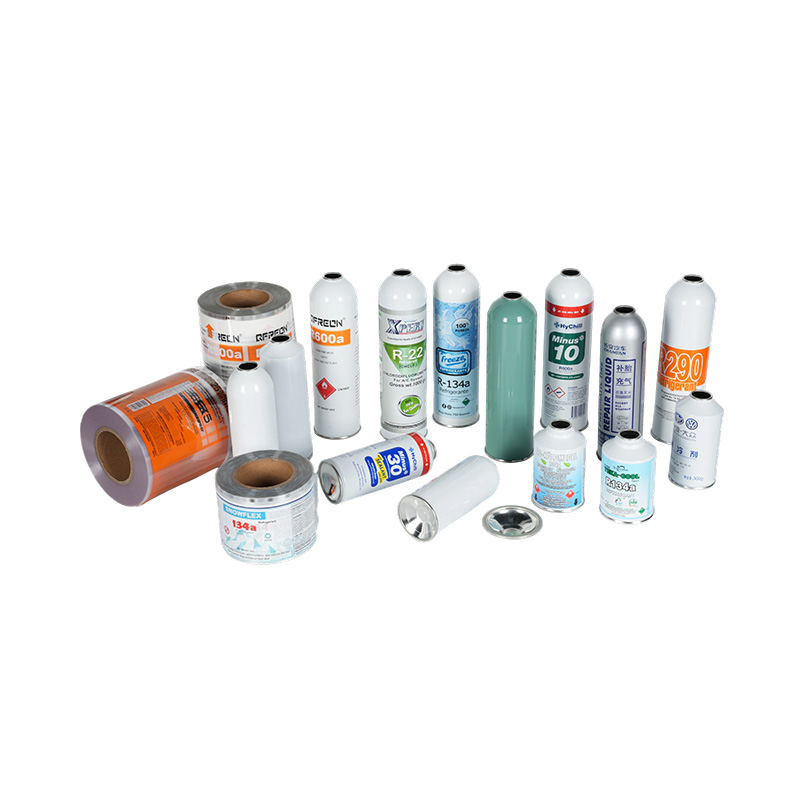
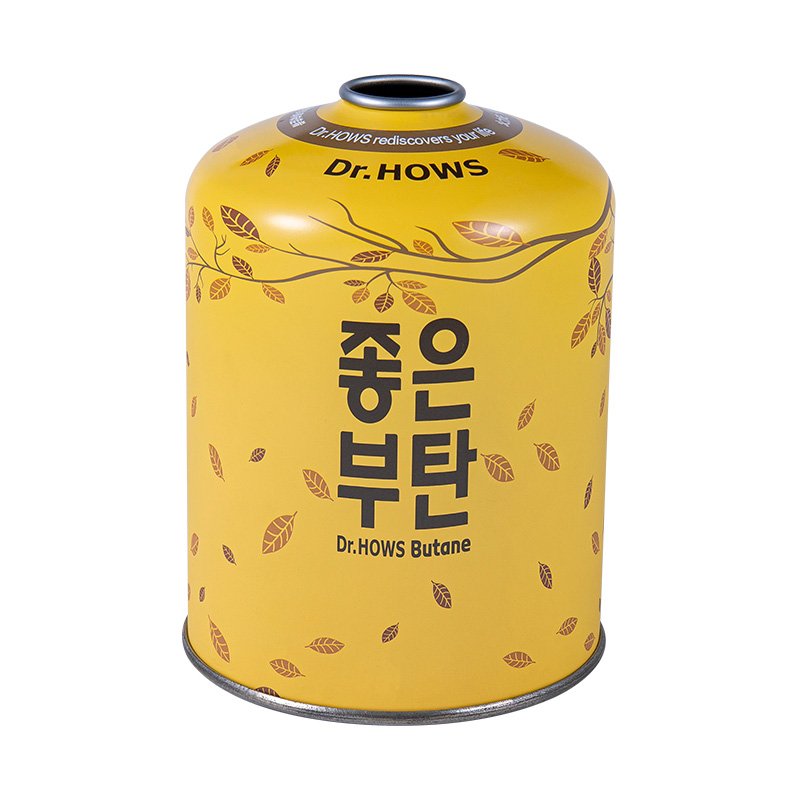
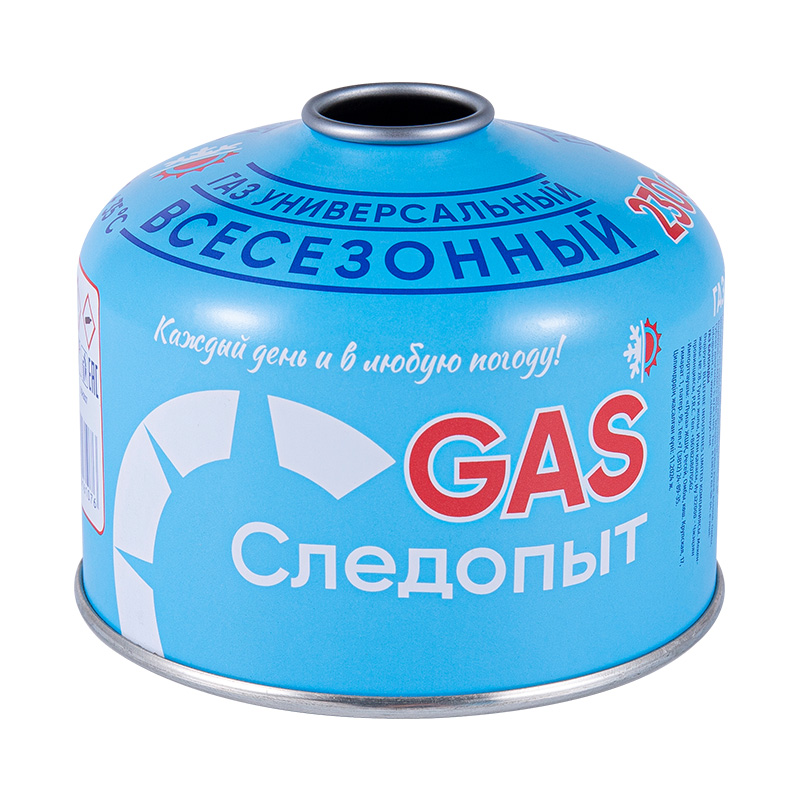
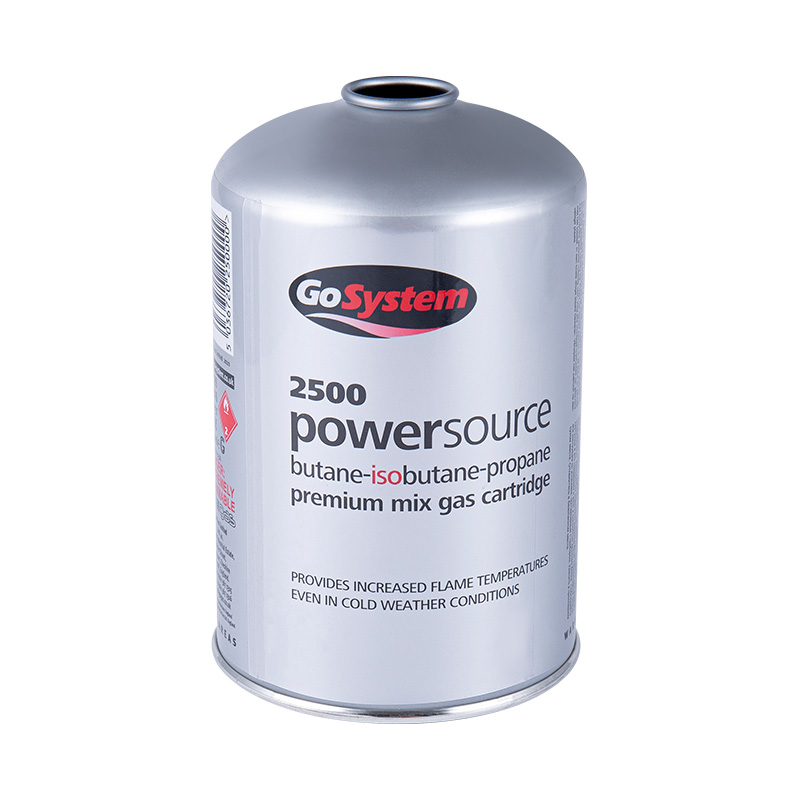
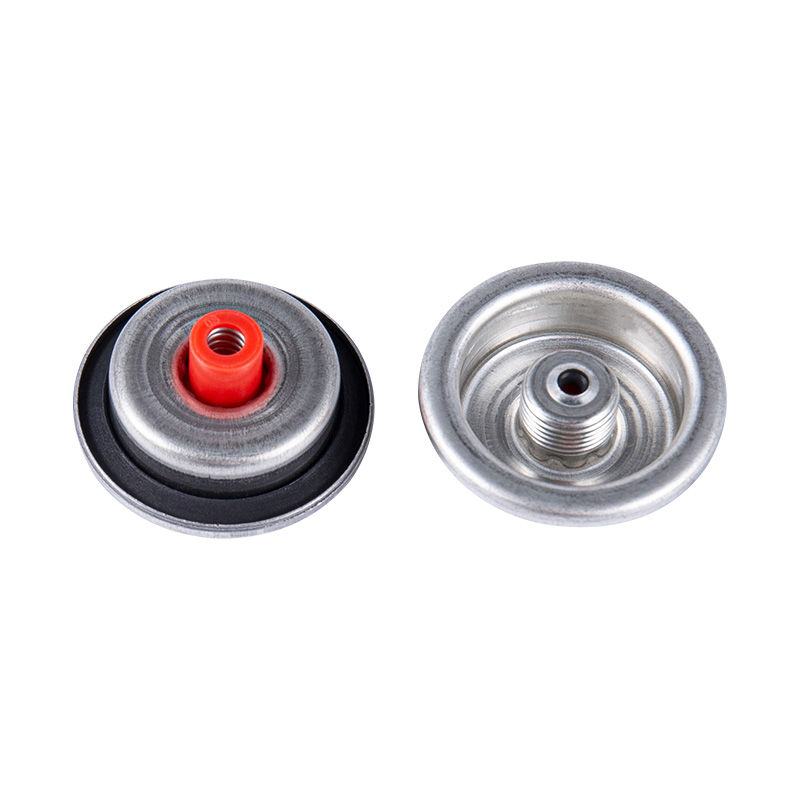
Portable fuel isn't a niche concern anymore. Campers, pro chefs, emergency preppers, and workshop techs all use butane gas canisters, but they each need very different things from them. With such a wide range of users, plus growing environmental concerns and newer filling technologies, these products are under real pressure to evolve in both design and how they’re sold. Three shifts stand out.
Step into an outdoor store and you’ll probably still find rows of butane canisters sitting beside the camping stoves. But that's a narrow slice of where these products actually end up. Culinary torches, portable soldering kits, emergency supply boxes — the range of end uses has grown considerably, and it's changing what manufacturers have to design for.
A lightweight 100g canister suited for a solo backpacker isn't built with the same priorities as a 450g unit destined for a catering cart or a plumber's toolkit. The scenarios now driving product specs include:
| APPLICATION | CANISTER SIZE | AVG. USE DURATION | PRIORITY FACTOR |
| Backpacking / hiking | 100 g – 230 g | 1–3 hrs continuous | Weight |
| Tabletop cooking | 230 g – 450 g | 2–5 hrs continuous | Heat control |
| Culinary torch | 100 g – 200 g | 3–6 hrs intermittent | Flame precision |
| Industrial soldering | 300 g – 450 g | 4–8 hrs intermittent | Pressure stability |
| Emergency reserve | 450 g – 1 kg | Variable | Shelf life |
The result is a product category that's fragmenting — and companies that treat all canisters as interchangeable are losing ground to those engineering for specific use environments.
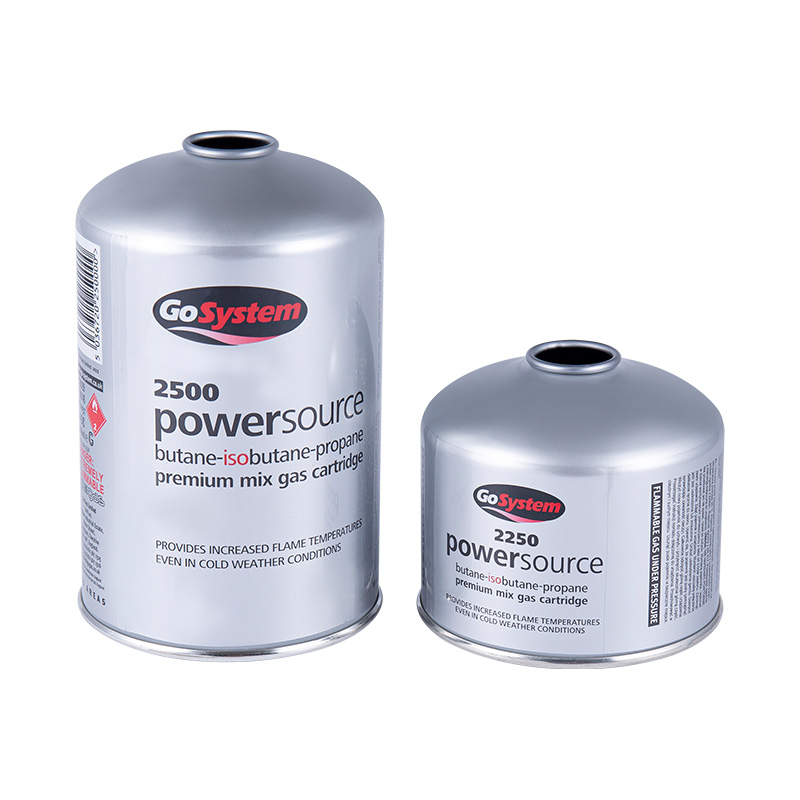
It's a fair question, and the honest answer is: partially, and slowly. Refillable butane canisters have a genuine cost and environmental argument in their favor, but they also come with friction that disposables don't — you need to find a refill point, follow the process correctly, and trust that the fill quality is consistent.
| FEATURE | DISPOSABLE CANISTER | REFILLABLE CANISTER |
| Initial cost | Lower | Higher upfront |
| Long-term cost | Adds up over time | Lower per refill |
| Environmental impact | Single-use metal waste | Waste significantly reduced |
| Convenience | Ready to use, no prep | Requires a refill step |
| Pressure consistency | Factory-controlled | Varies by refill quality |
| Safety certification | Broadly standardized | Uneven across regions |
Pure butane is fine when it's warm out. Drop below roughly 0 °C (32 °F), though, and vaporization pressure falls off enough to cause real performance problems — weak flame, inconsistent output, early apparent depletion. That's why most serious-use canisters today are blended products.
The real development here isn't the blend ratios themselves — it's the filling precision. Older processes typically land within ±2–3% of the target composition. Newer automated systems are hitting ±0.5%, and that gap matters more than it sounds. Tighter tolerances translate directly into:
Gas blending has quietly become a real competitive edge these days. For buyers in professional markets, it’s now part of the actual product conversation — especially when it comes to Butane Gas Canister — rather than just some technical detail in the background.


+86-18238070562

+86-579-85791578


No.28, Tongyi Road, Yiting town, Yiwu 322000 - Zhejiang Province, P.R.C.
Copyright © Bluefire Industries Limited All Rights Reserved. Two-Piece Aerosol Can


 English
 عربى
عربى Español