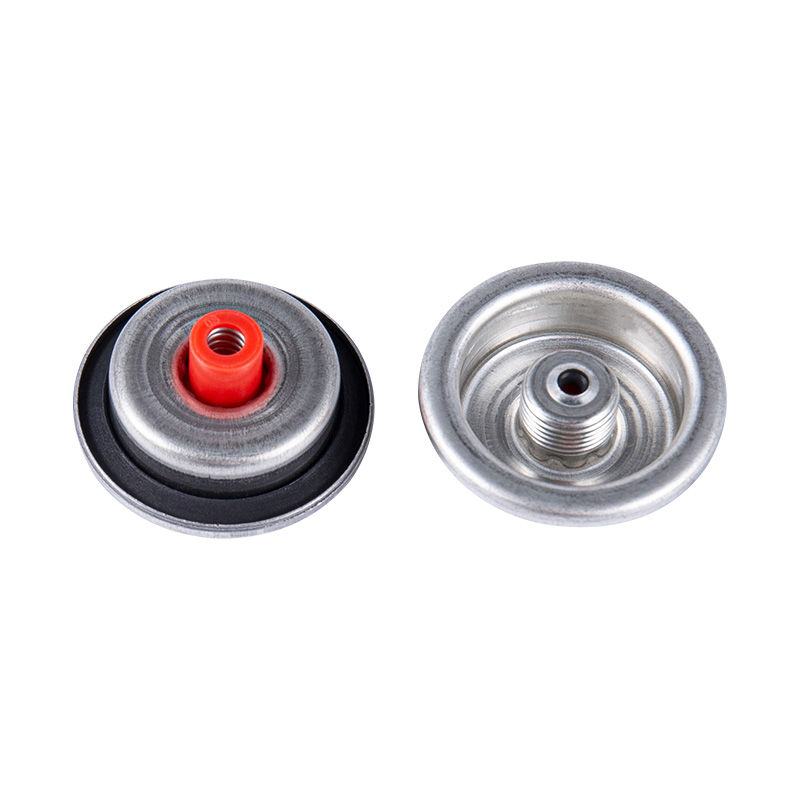
The types of iron plates we commonly refer to include: tin-plated iron(tinplate), chrome-plated iron(chromeplate), zinc-plated iron, and so on.
Among them, zinc-plated iron is not suitable for use in printing and packaging. Generally, we use zinc-plated iron to make outdoor products such as water buckets and chimneys that are resistant to rust.
Tinplate and chromeplate are commonly used materials for printing and packaging, and are widely applied in metal packaging fields such as aerosol cans and gift boxes. The base plates of the two materials are the same, but the surface coatings are different, resulting in different properties and uses.
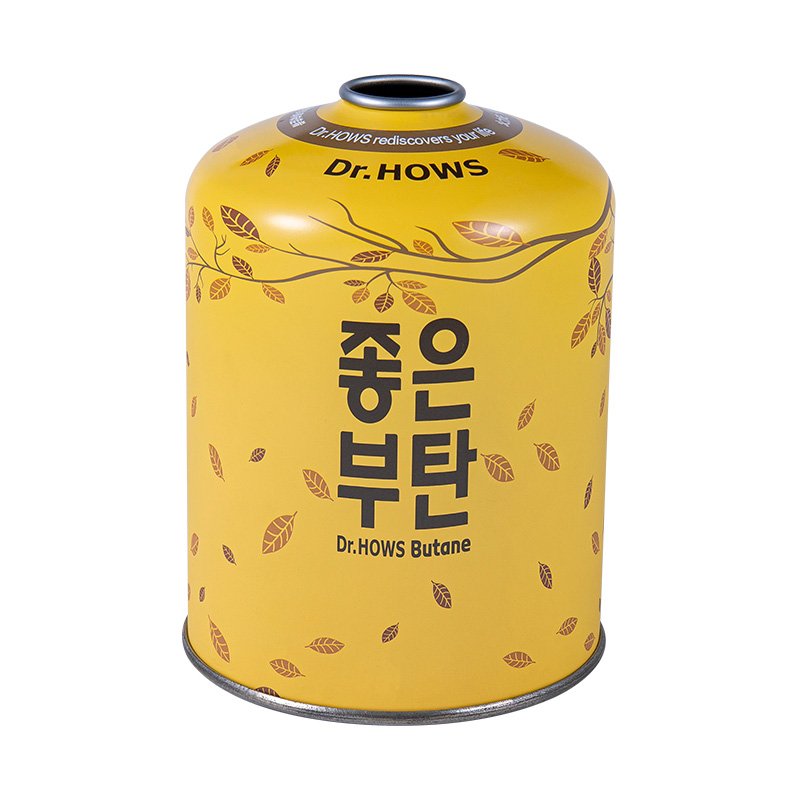
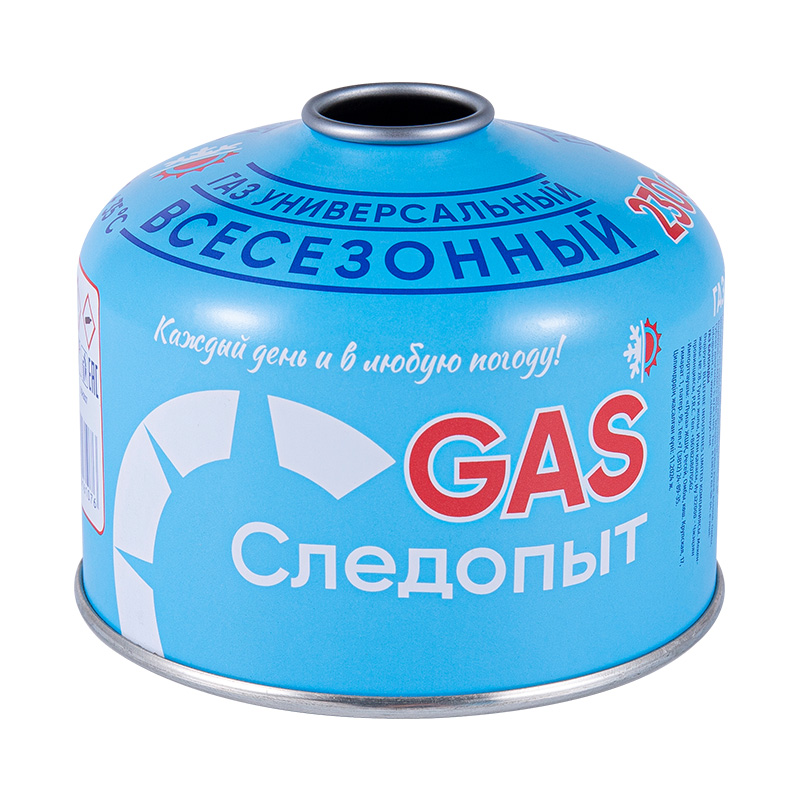
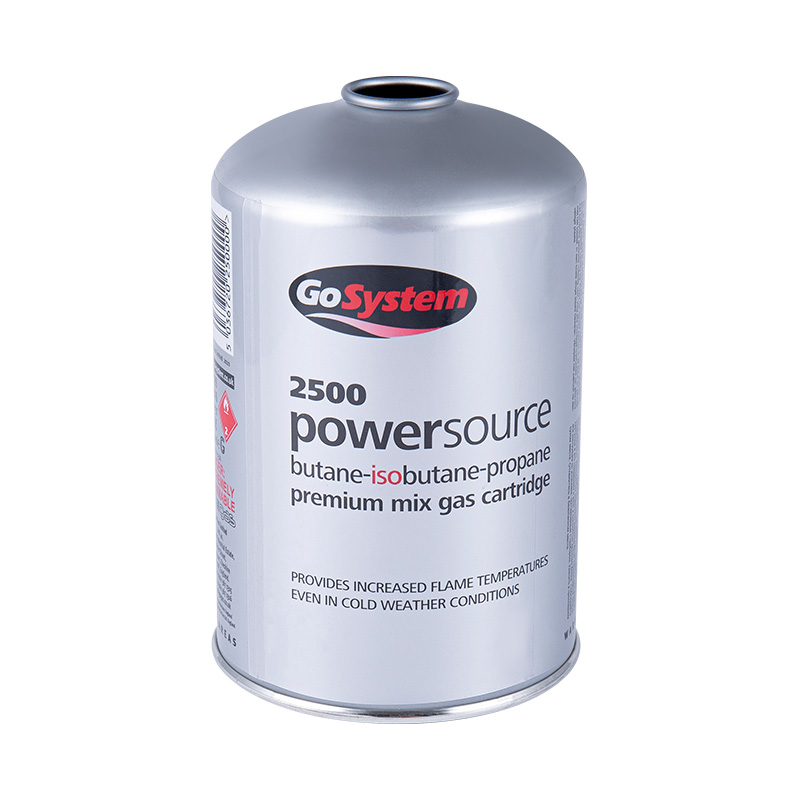
Bluefire uses chromeplate for the body of the camping gas cartridge, and the following are the considerations:
1. Chromeplate has better printing performance than tinplate, that is, printing adhesion. In the stretching process of the camping gas cartridge, the artwork is first printed on the iron plate and then stretched to form, which requires that the printed pattern must firmly adhere to the iron plate without falling off.
2. Chromeplate has the same mechanical properties as tinplate, ensuring the strength and safety of the can body.
3. Chromeplate is cheaper than tinplate. The main reasons are two: Firstly, tin is a metal much more expensive than chrome. Secondly, the chrome layer is thinner than the tin layer, approximately 1/50 of it.
Therefore, using chromeplate for the body of the camping gas cartridge is a more optimized choice by Bluefire.
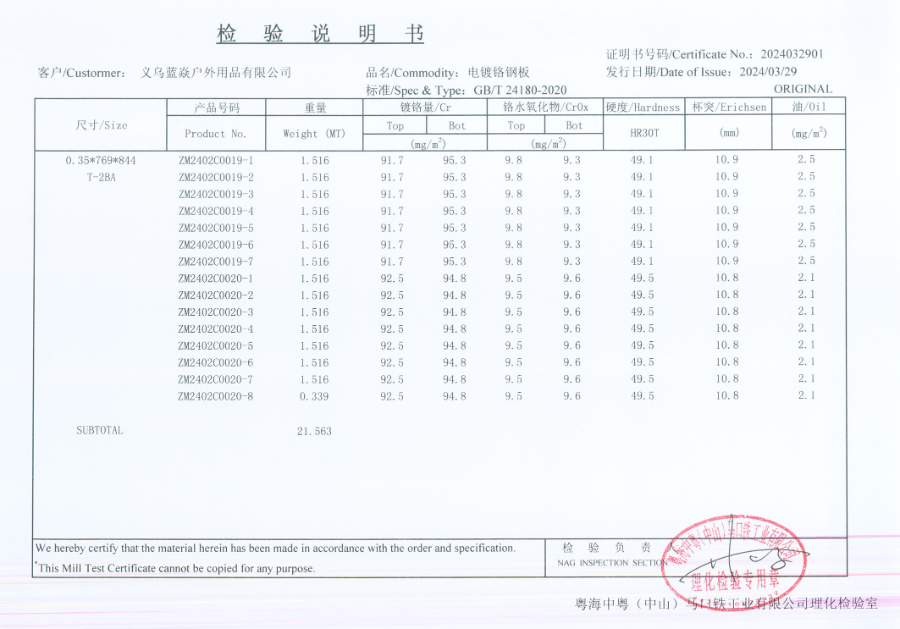
The below figure shows a test report of chromeplate:
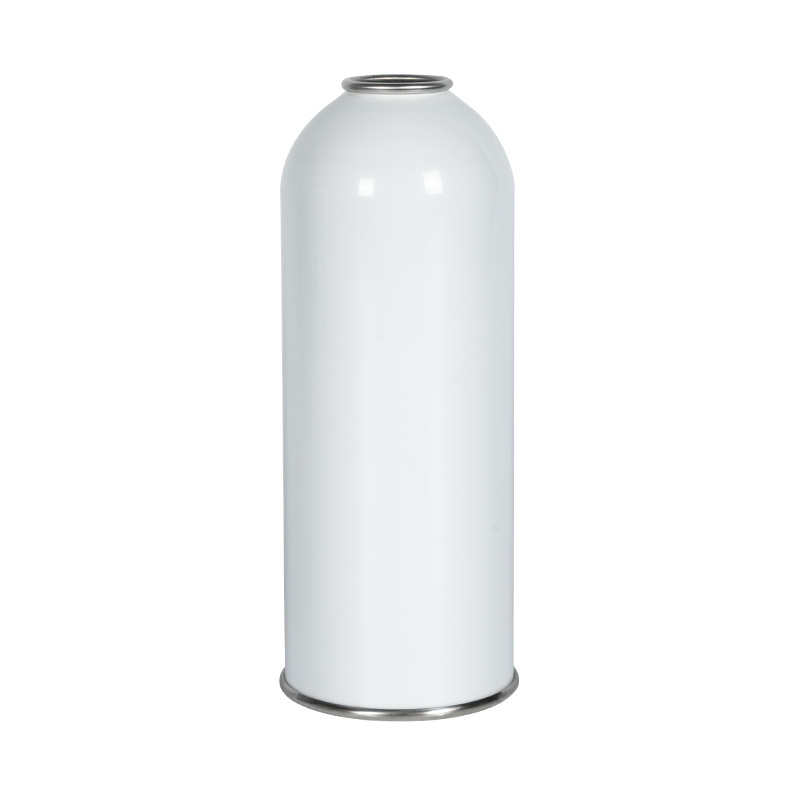
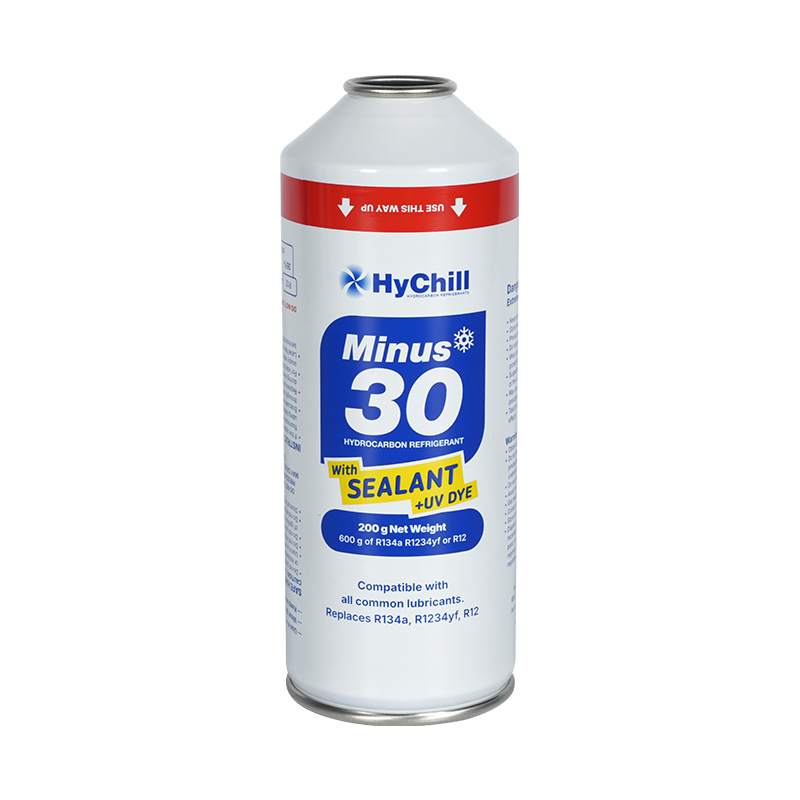
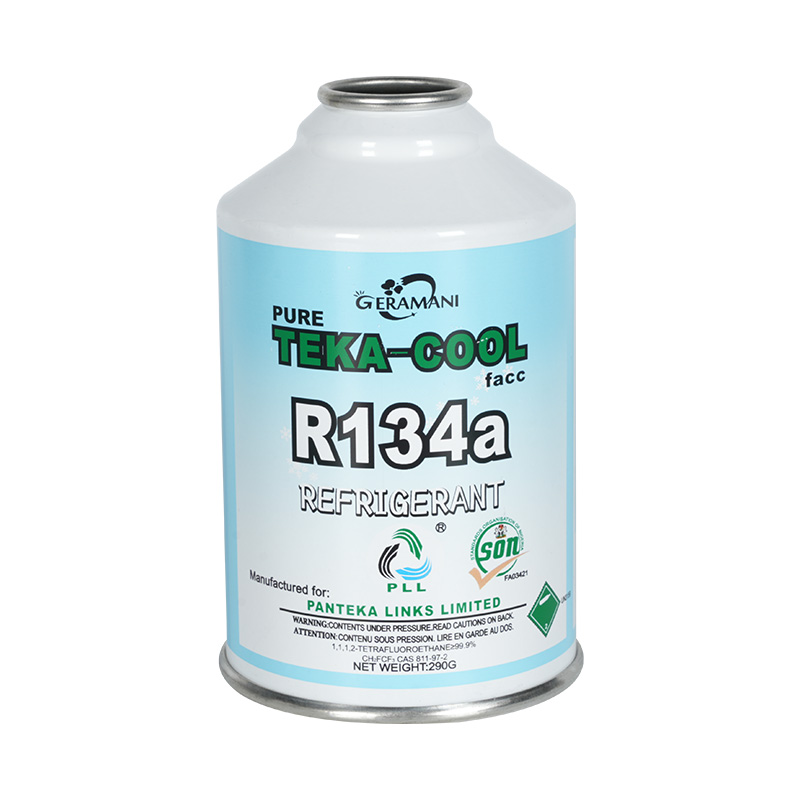
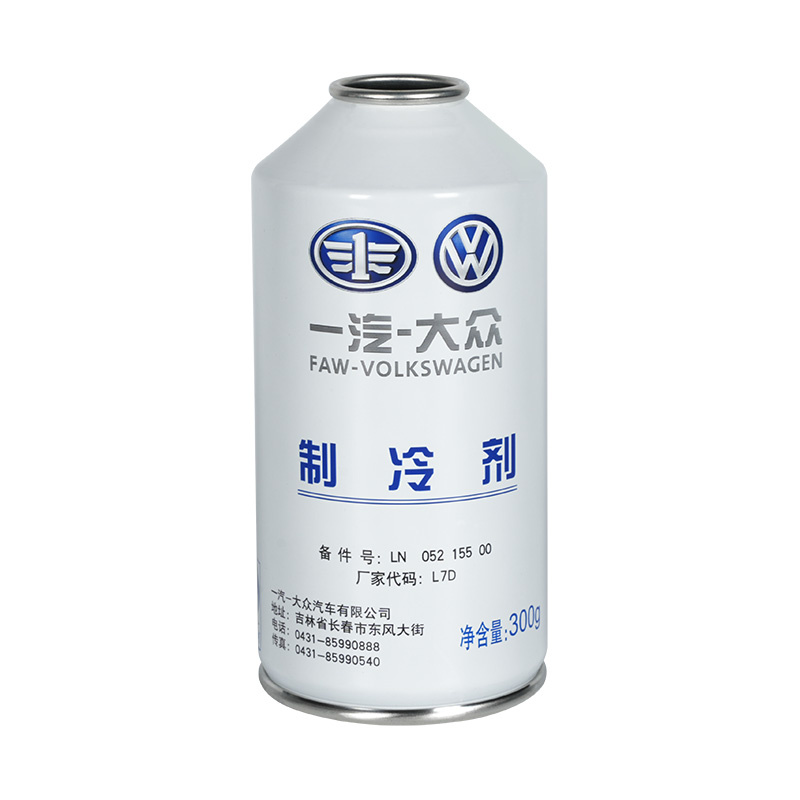
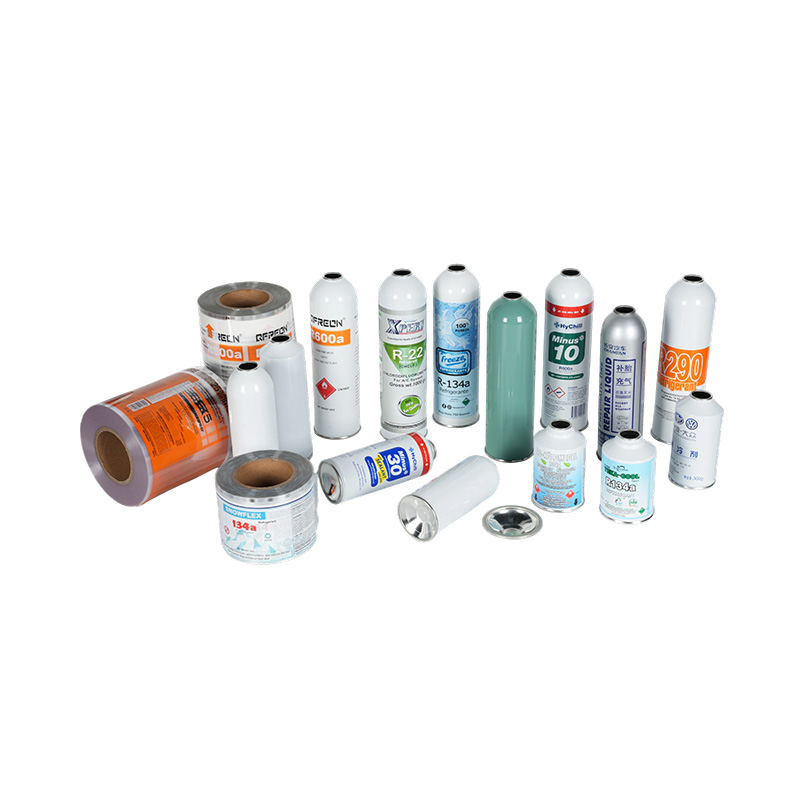
Conversely, Bluefire uses tinplate for the body of the refrigerant cans. There are the following considerations:
1. Tinplate has better rust prevention properties than chromeplate. We directly use tinplate(without printing) to stretch and make the body of the refrigerant can. After stretching, there is a process of washing with water, and the tin coating can effectively protect the cans from rusting.
2. The inner part of the 2-piece refrigerant can has no spray coating. The tin coating can keep the can free from rust before filling.
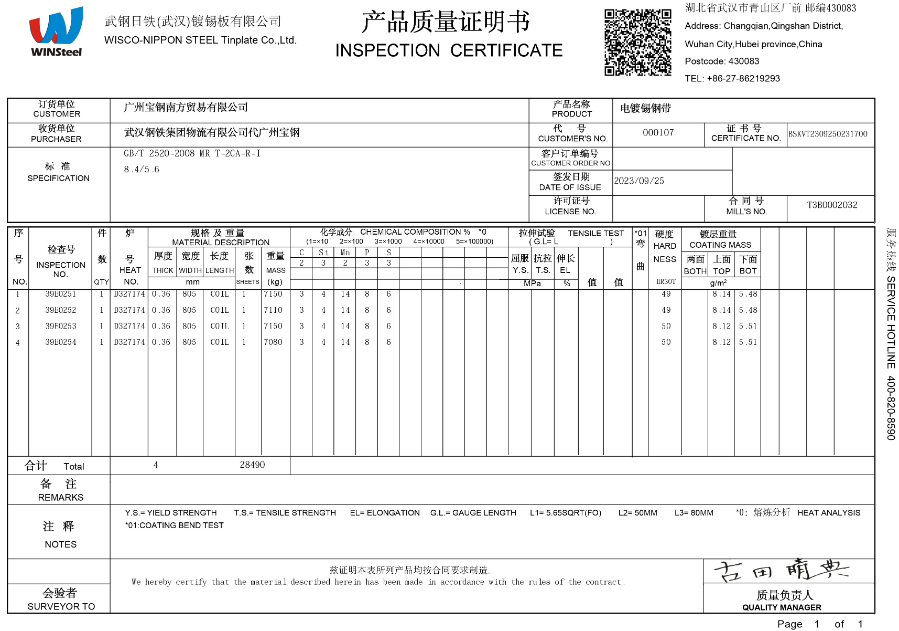
3. The thickness of the tin layer must reach 5.6 g/㎡ to have sufficient rust prevention ability.
The below figure shows a test report of tinplate:
Furthermore, Bluefire uniformly use tinplate to make the bottom of the 2-piece cans(both camping gas cartridge and refrigerant can). The tin layer thickness reaches 8.4 g/㎡at least. Not only is it rust-proof, but it also has a beautiful appearance.


+86-18238070562

+86-579-85791578


No.28, Tongyi Road, Yiting town, Yiwu 322000 - Zhejiang Province, P.R.C.
Copyright © Bluefire Industries Limited All Rights Reserved. Two-Piece Aerosol Can


 English
 عربى
عربى Español