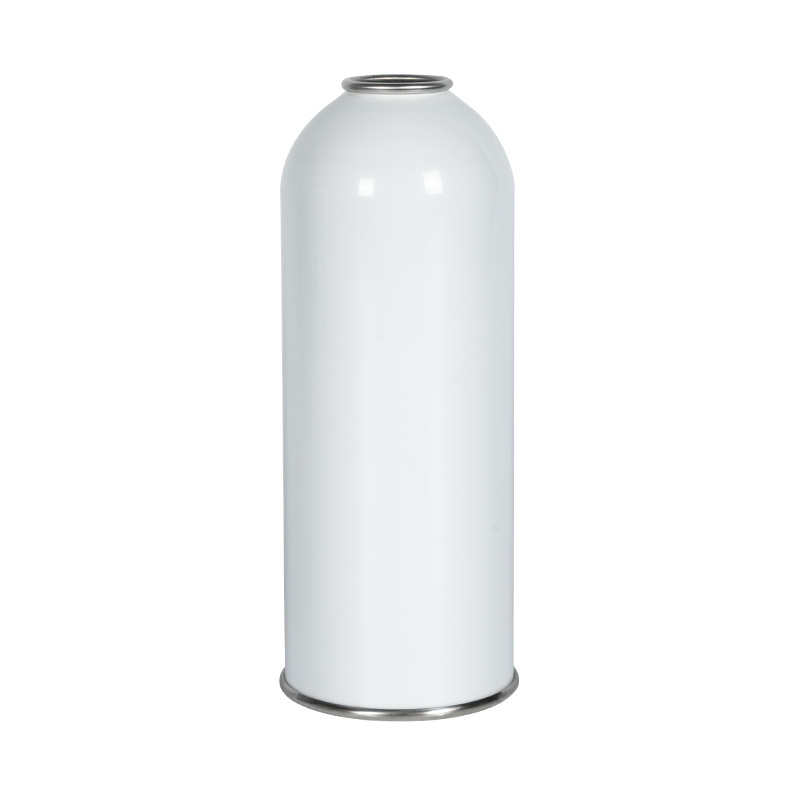
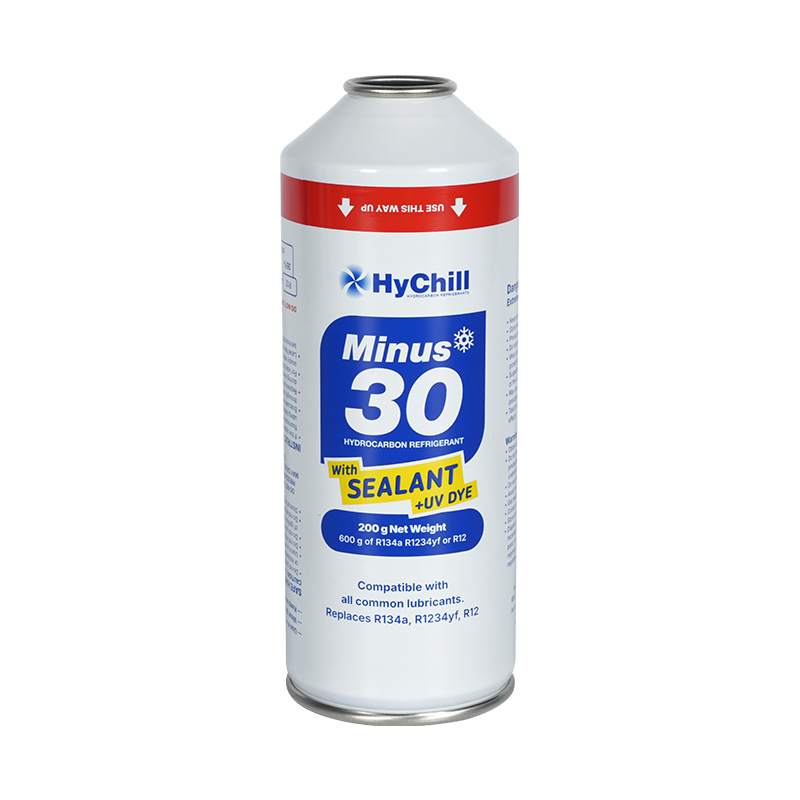
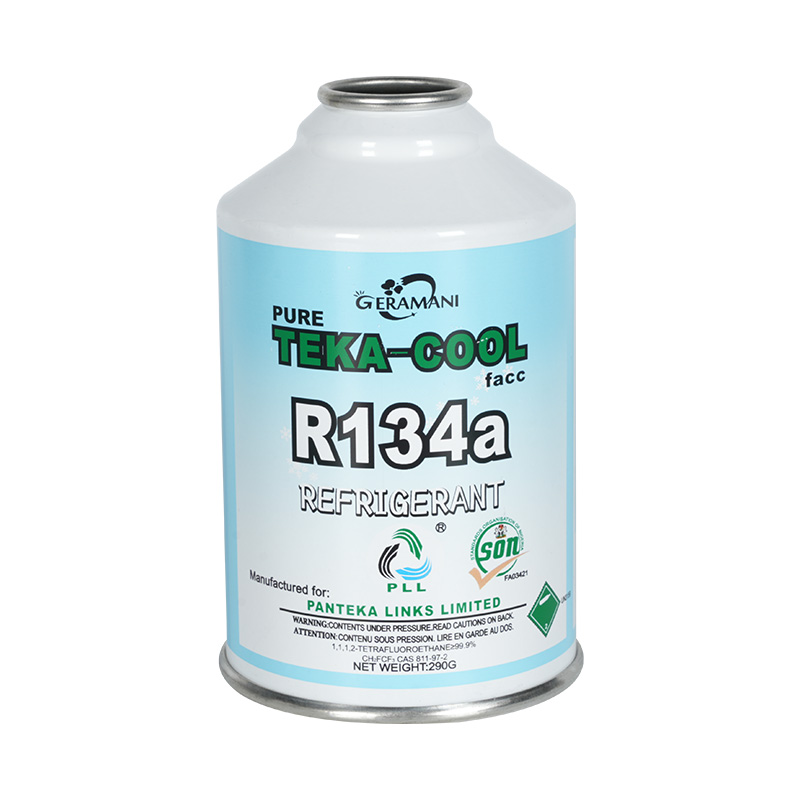
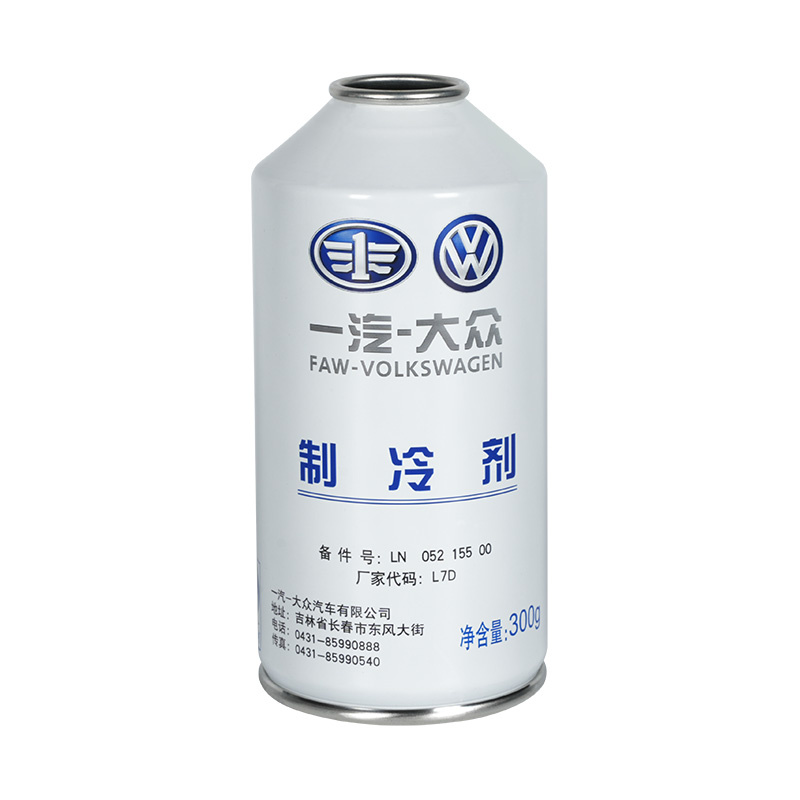
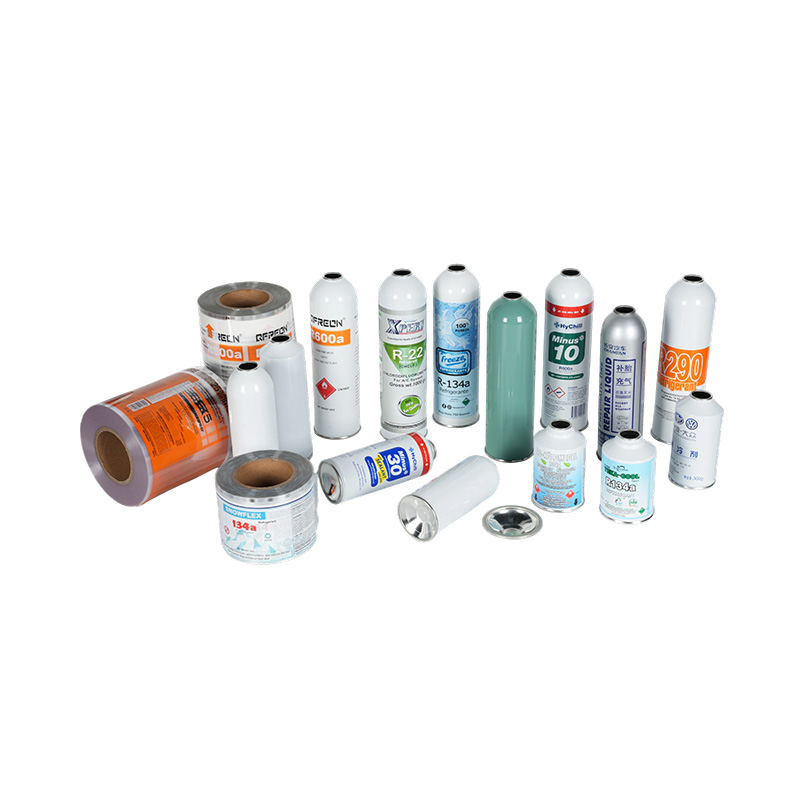
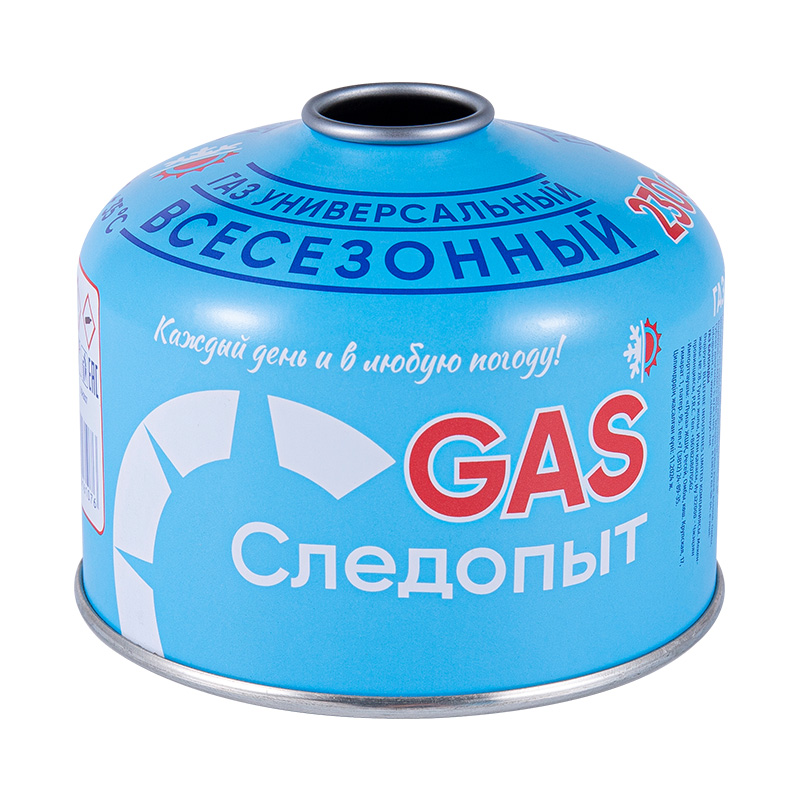
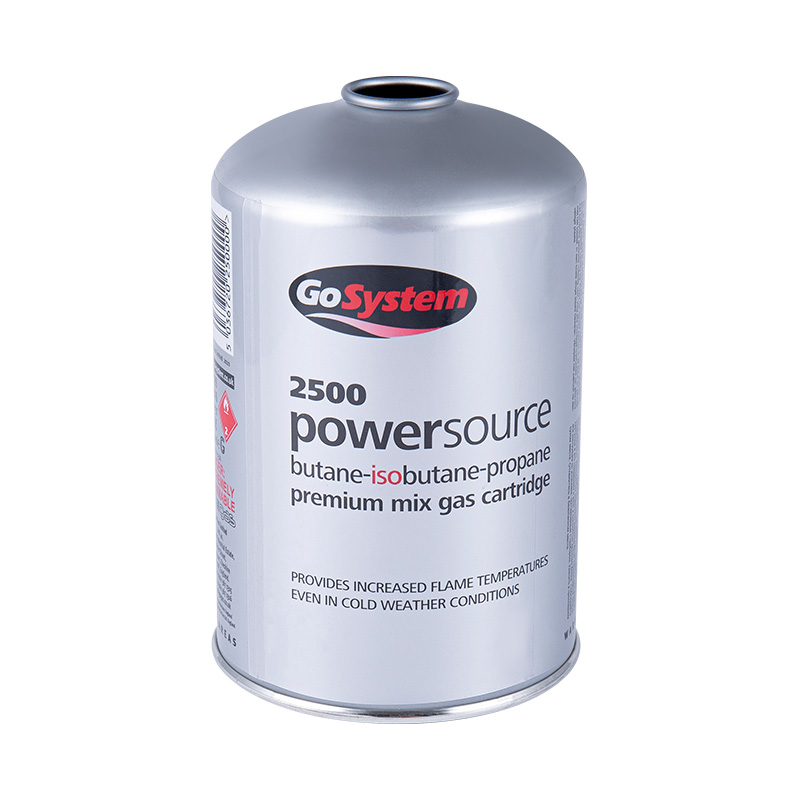
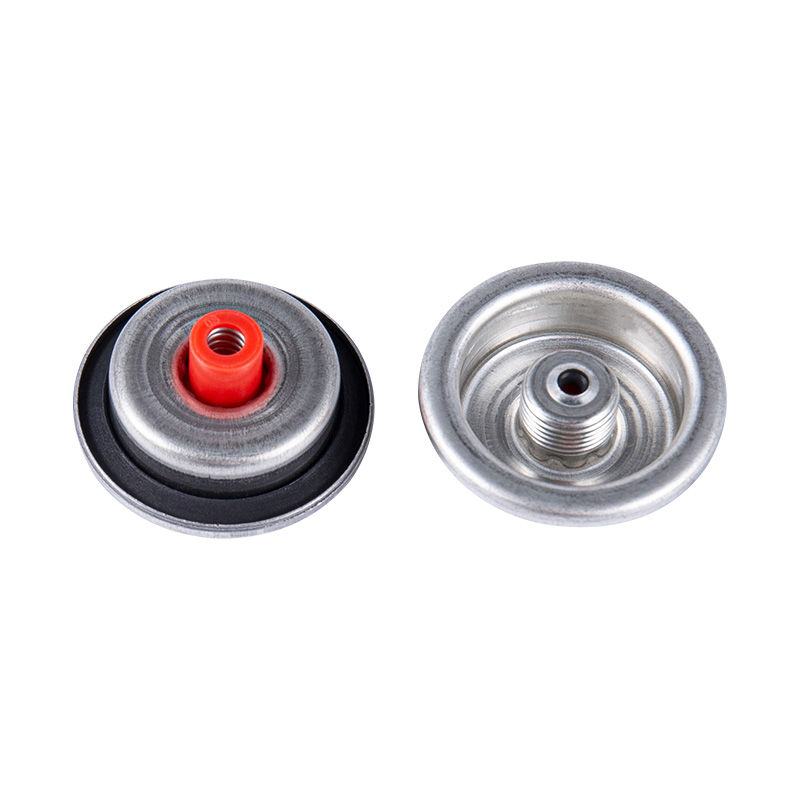
The valve is where things go wrong. It always has been. What makes a refrigerant gas can different from a simpler pressurized container is the punishment that valve takes: constant connection cycles, wide temperature swings, and the occasional user who doesn't bother closing it properly before moving on. Any one of those would shorten seal life on its own. Together, they add up fast.
Older valve designs dealt with this through relatively simple rubber seat seals. They worked — until they didn't. Wear, chemical swelling, and UV degradation all chip away at elastomer performance over time, and a valve that leaks even slowly will bleed refrigerant into the atmosphere and erode margins for whoever is using the can.
One seal failing used to mean one leak. Newer designs don't leave it at that — multiple sealing stages are now stacked in sequence, so wear at any single point doesn't automatically mean gas gets out:
On paper, the job is simple: pressure gets too high, the valve opens, gas goes somewhere safe before the cylinder doesn't. The hard part is the "too high" number. Set the trigger point too low and technicians are dealing with unexpected venting mid-job, wasted refrigerant, and a cylinder they can't trust. Set it too high and the valve might as well not be there — by the time it activates, the situation has already moved past the point where controlled venting helps.
A well-calibrated system in a refrigerant gas can has to do several things at once:
Threading a relief valve in after the fact always left one joint unaccounted for. Some cylinder producers got tired of accounting for it. The assembly goes in during forging or spinning now — built into the body rather than added onto it. One fewer leak path. Torque characteristics that don't vary technician to technician across a production run.
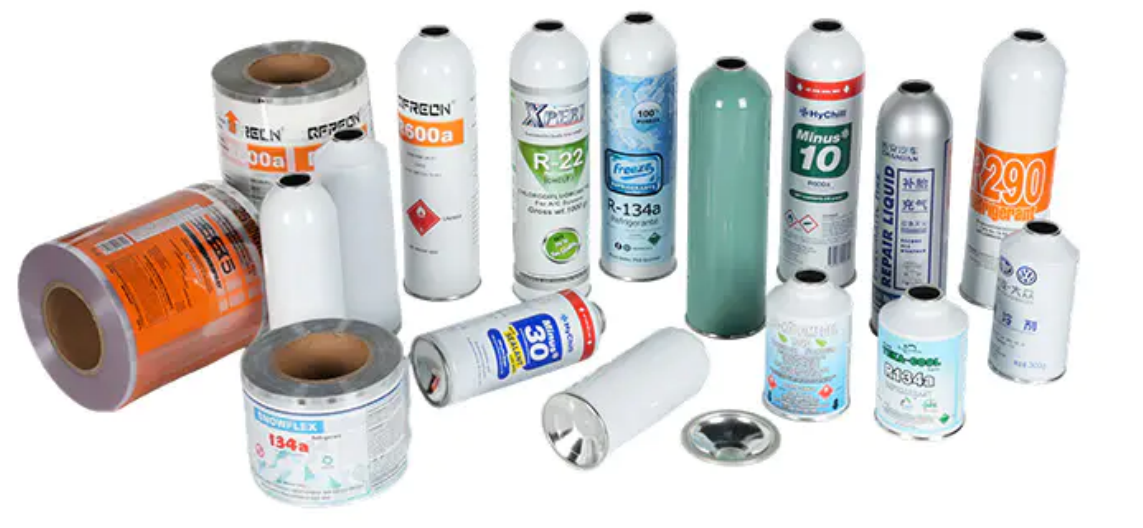
High-GWP refrigerants are being phased down on timelines that vary by region but are moving in the same direction everywhere. That means the refrigerant gas can market is serving an increasingly fragmented set of chemistries — each with its own pressure profile, material compatibility requirements, and handling considerations.
Natural refrigerants look great on a compliance spreadsheet. R-290 and R-600a carry GWP numbers that are essentially zero, which is what regulators have been asking for. They are also flammable. That detail changes quite a few things downstream. The refrigerant gas can used to store and ship them needs to be engineered with that in mind:
Some refrigerant gas can manufacturers have responded by developing cylinder platforms that share a common body but accept different valve heads depending on the refrigerant being packaged. It is a modular approach that makes production planning more manageable when you are dealing with a dozen active refrigerant SKUs instead of two or three.


+86-18238070562

+86-579-85791578


No.28, Tongyi Road, Yiting town, Yiwu 322000 - Zhejiang Province, P.R.C.
Copyright © Bluefire Industries Limited All Rights Reserved. Two-Piece Aerosol Can


 English
 عربى
عربى Español