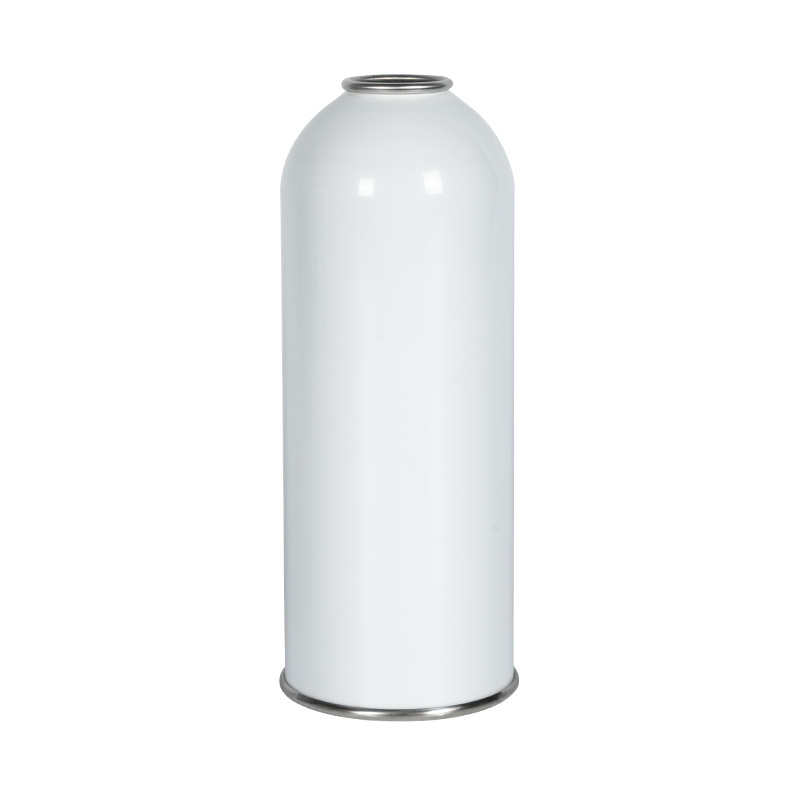
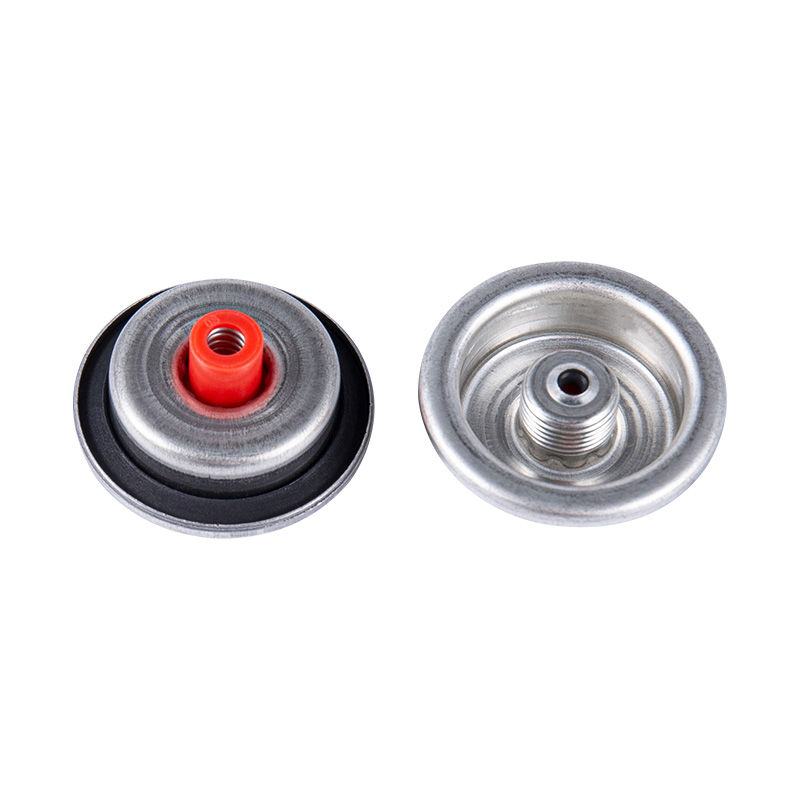
A butane gas cartridge doesn't look like much — just a small steel can holding pressurized fuel for a portable stove or torch. But getting from a flat sheet of metal to a finished, reliable cartridge involves a few manufacturing steps that quietly determine whether the product holds up in the field.
Most cartridge bodies start as a flat steel sheet before being pressed into a cylinder through a process called deep drawing — a die and punch gradually forcing the metal into shape. Done well, this leaves the can with even wall thickness and no seam running down the body, which matters because thin or uneven spots are exactly where a can is likely to weaken under pressure.
This forming stage gets a fair amount of attention in manufacturing circles because it affects both how much steel gets used and how strong the final can turns out to be. A poorly controlled draw can leave thin patches, cracking, or wrinkling in the metal — problems that might not show up until the can is under load.
| Drawing Parameter | Why It Matters |
| Wall thickness uniformity | Uneven thickness creates weak points under pressure |
| Number of drawing stages | Multi-stage drawing spreads out stress in the metal |
| Steel sheet thickness (mm) | Affects both strength and overall weight |
| Surface finish after forming | Smoother surfaces mean fewer coating or welding issues later |
Somewhere on every b The filling stage is where things can quietly go wrong if the environment isn't controlled. The filling stage looks straightforward from the outside — butane goes in, the valve gets crimped, the cartridge moves on. What's harder to see is what else might be going in alongside it. The brief moment a can sits open on the line is enough for airborne dust or ambient moisture to find their way inside, and any residue left in the filling equipment from a previous batch travels the same route. Filtered air and inert gas blanketing are the standard response to this, and most factories running at any real volume have some version of that setup in place. Whether it's maintained consistently enough to actually matter is the part that varies.
That kind of contamination doesn't always cause an obvious problem right away. A cartridge that passes every pressure test at the factory can still carry moisture inside that won't show its effects for weeks or months. Moisture in particular reacts with the steel interior over time, working from the inside out in a way that's impossible to detect without destructive testing. The butane itself is typically dried before filling — commercial-grade butane for cartridge use is generally held to a water content below 10 ppm — but if the filling environment introduces moisture after that point, the upstream drying step doesn't help. mfortable ignoring.
Checking that seam without cutting the cartridge open is where ultrasonic testing comes in. Sound waves pass through the weld, and if there's a hidden void or crack inside — something no one would catch just by looking — it shows up as a change in the signal bouncing back. It's a way of catching flaws that would otherwise stay invisible until the cartridge is already pressurized and in someone's hands.
Ultrasonic weld inspection is now a standard part of quality control at factories producing butane gas cartridges at scale. The method works by sending high-frequency sound — typically in the 2 to 10 MHz range for thin steel — through the material and reading what comes back. Any discontinuity in the metal, whether it's a micro-crack, an unfused edge, or a small pocket of trapped gas from the welding process itself, interrupts the signal in a way that shows up clearly on the readout. What makes this particularly useful for butane gas cartridge production is that it doesn't slow the line down.
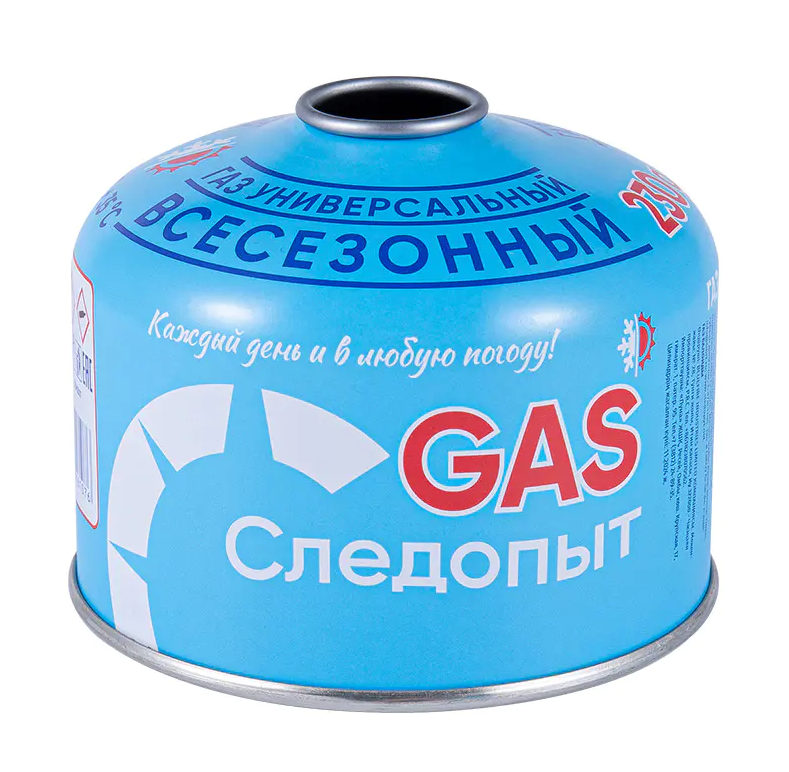
The specific things ultrasonic testing catches that other methods miss:
The filling stage is where things can quietly go wrong if the environment isn't controlled. The filling stage on a butane gas cartridge line is brief, but it's also the point where the can is most exposed. Liquid butane going in will carry along whatever it encounters — dust on a nozzle, a trace of moisture in the air, residue that wasn't fully cleared from a previous run. Positive pressure environments and filtered or inert gas blanketing are the practical response, and they've become fairly common across factories at any real scale.
That kind of contamination doesn't always cause an obvious problem right away. A cartridge that passes every pressure test at the factory can still carry moisture inside that won't show its effects for weeks or months. Moisture in particular reacts with the steel interior over time, working from the inside out in a way that's impossible to detect without destructive testing. The butane itself is typically dried before filling — commercial-grade butane for cartridge use is generally held to a water content below 10 ppm — but if the filling environment introduces moisture after that point, the upstream drying step doesn't help.
What should I check when evaluating a butane gas cartridge manufacturer?
The can-forming process, weld inspection methods, and filling environment controls are the main technical points worth reviewing.
Is ultrasonic testing applied to all units or just samples?
This varies by manufacturer, so it's worth confirming coverage directly with the supplier during evaluation.
What valve types are commonly used, and does the type affect compatibility?
Most butane gas cartridges use a Lindal valve (EN417) or a proprietary push-fit design. Lindal valves are the wider standard and compatible with most stoves and outdoor equipment across brands.
Can butane gas cartridges be made to custom specifications for OEM buyers?
Yes. Most manufacturers offer OEM options covering can size, valve type, fill volume, and packaging. Aligning on the target market's regulatory requirements early matters, as standards vary by region.
Why does the filling environment matter for gas cartridges?
Even a bit of moisture getting into a Butane Gas Cartridge during filling can throw off gas quality, and over time it tends to eat away at the inside of the can from the inside out.


+86-18238070562

+86-579-85791578


No.28, Tongyi Road, Yiting town, Yiwu 322000 - Zhejiang Province, P.R.C.
Copyright © Bluefire Industries Limited All Rights Reserved. Two-Piece Aerosol Can


 English
 عربى
عربى Español