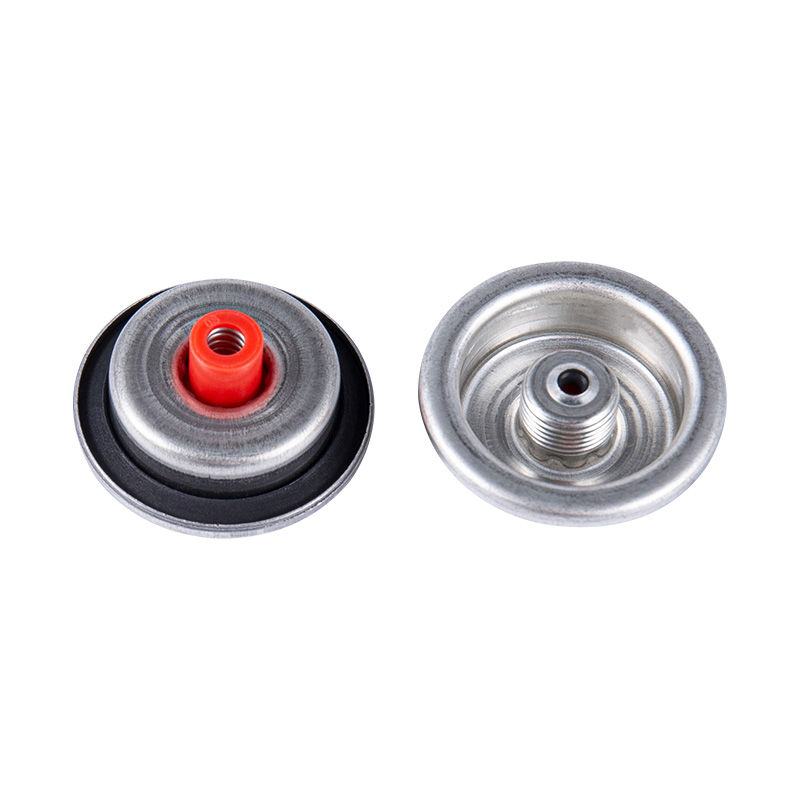
Sealing performance and service life remain key considerations in aerosol valve production. Manufacturers apply several practical approaches to strengthen these aspects. Material selection forms one foundation: engineers choose polymers and elastomers that resist chemical interaction with propellants and active ingredients, thereby reducing degradation over time.
Plus, surface treatments and coatings make everything smoother—so all that pushing and pressing doesn't wear things down as quickly. Design adjustments help maintain contact pressure under varying temperature and pressure conditions. All these changes spread the stress out nicely, keeping little cracks and permanent damage away—even after thousands of presses!
Assembly is where it comes together: gaskets get compressed just right and size tolerances are kept tight, so the valve seals perfectly from the very first press. To keep things running smoothly long-term, users should store them properly—think no extreme heat or direct sunlight. That way, the valve stays in top shape whether it's sitting on a shelf or getting used.
Developments in valve mechanics have led to noticeable gains in spray consistency and control. Actuator designs incorporate adjustable flow channels that produce more uniform droplet sizes across different formulations. This change reduces waste and improves coverage on target surfaces.
Get the perfect dose with every press—precision calibration and spring tweaks make it happen. Such control proves useful in applications requiring measured delivery, such as pharmaceutical or cosmetic products. Thanks to these upgrades, your spray keeps its cool—right when the pressure starts to lose its.
Manufacturers have come up with these cool layered gasket systems that adapt more smoothly to changing propellant pressures—so you get a nice, steady spray without any surprise bursts. Basically, they’re better at keeping things chill under pressure! For personal care items, the improved precision translates to even application and less overspray on surrounding areas. Industrial users benefit from consistent coating thickness in lubricants or protective films, where uneven delivery could affect performance.
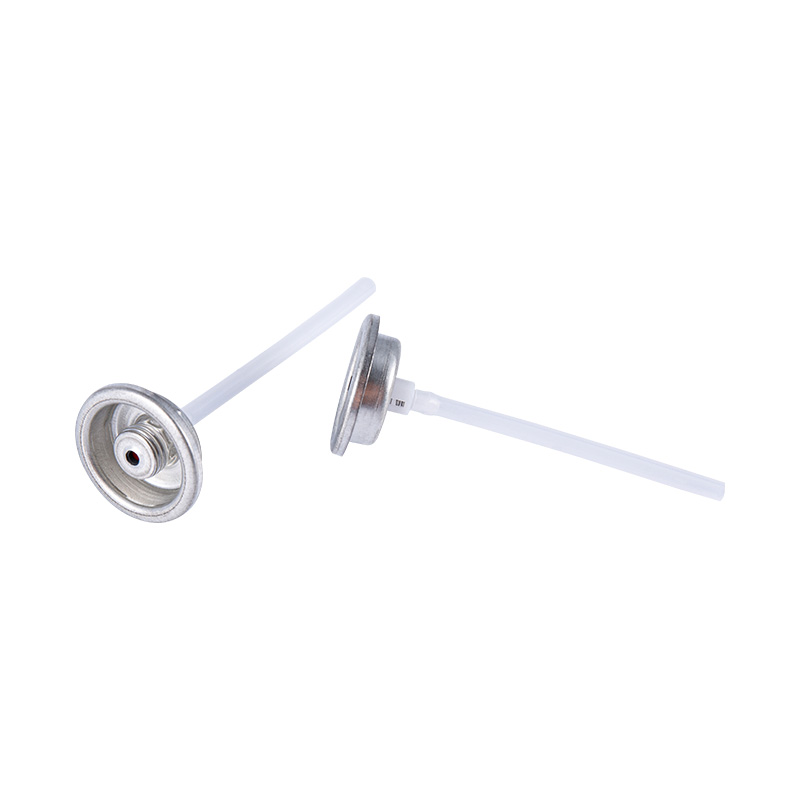
Aerosol valves deliver several core functions that adapt to diverse industry needs. The following points outline typical capabilities:
Market demand continues to diversify as sectors seek valves tailored to specific conditions. Household cleaning products emphasize even coverage and residue reduction. Personal care items focus on gentle mist delivery and fragrance retention. Industrial lubricants and coatings require robust flow under high-pressure cycles. Medical inhalers prioritize fine-particle generation for effective absorption.
Different needs mean valve suppliers and users are always working together to create custom solutions that fit packaging lines and meet what people actually want. In the end, all these upgrades to aerosol valves make sure they keep performing like a champ in any situation, while also solving problems with sealing, spray control, and flexibility.


+86-18238070562

+86-579-85791578


No.28, Tongyi Road, Yiting town, Yiwu 322000 - Zhejiang Province, P.R.C.
Copyright © Bluefire Industries Limited All Rights Reserved. Two-Piece Aerosol Can


 English
 عربى
عربى Español