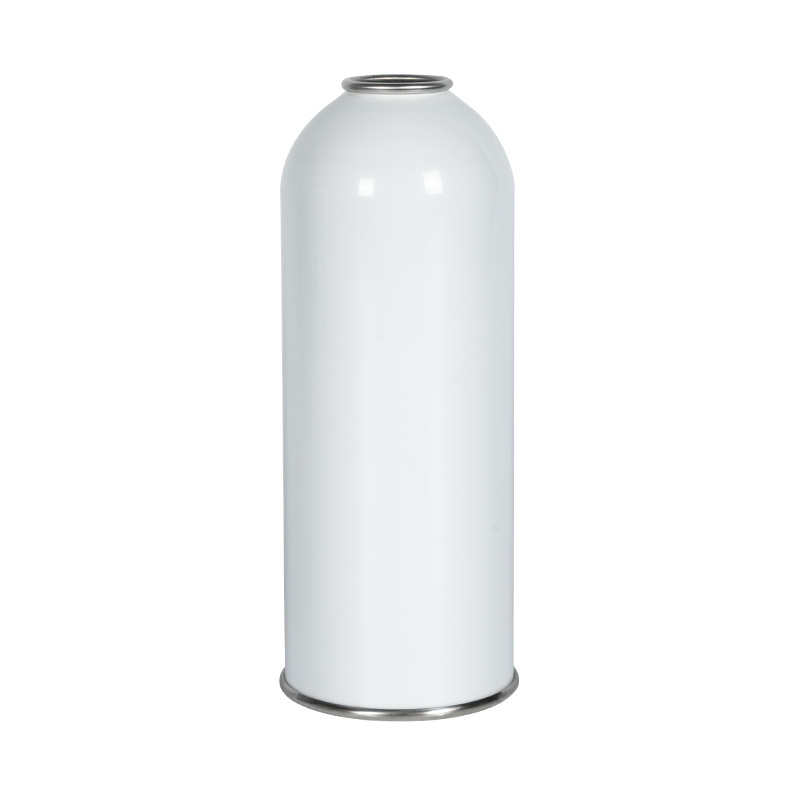
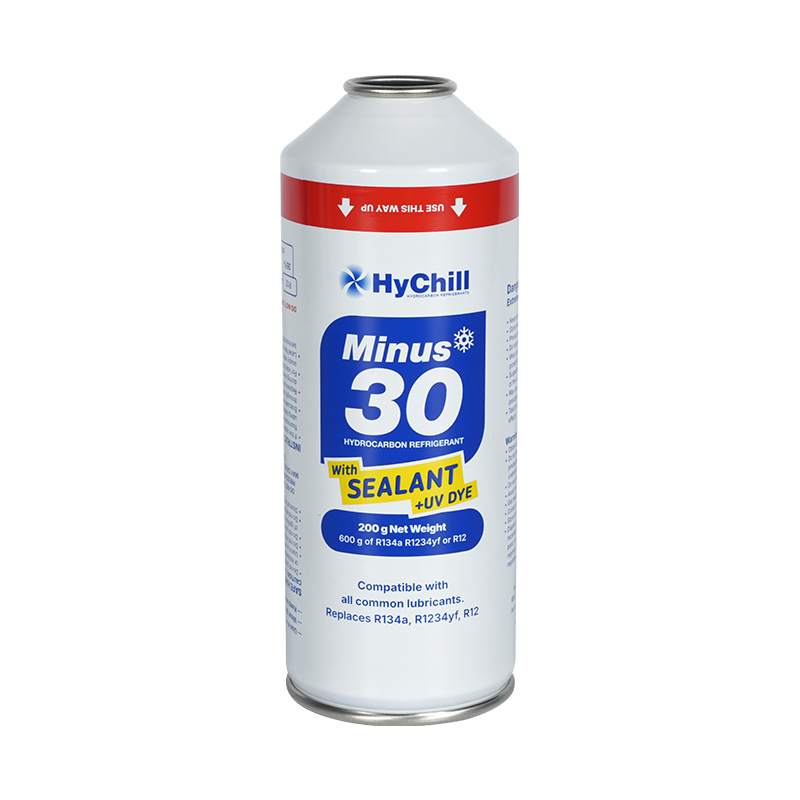
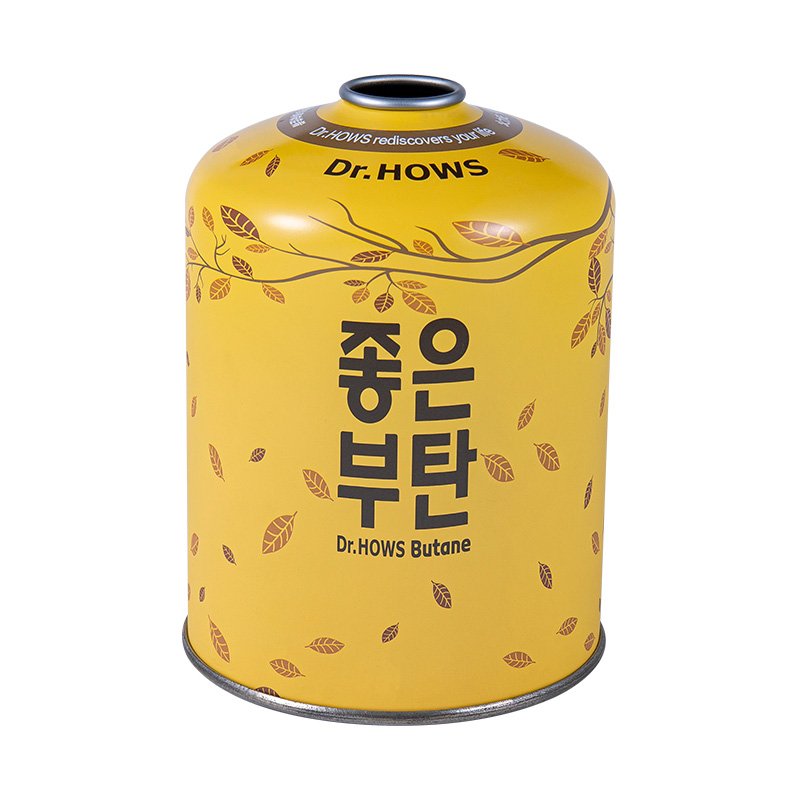
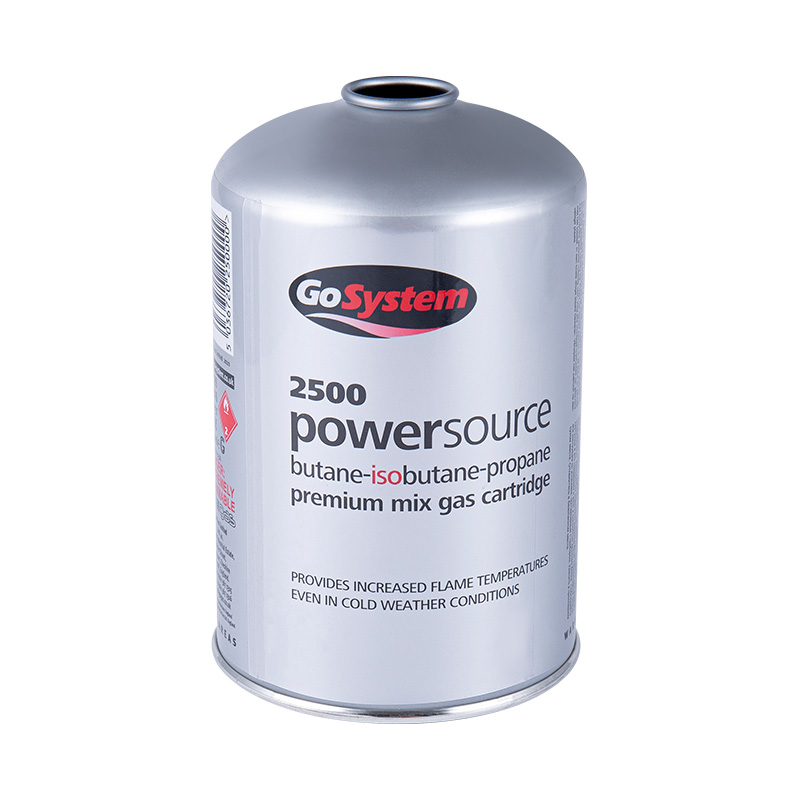
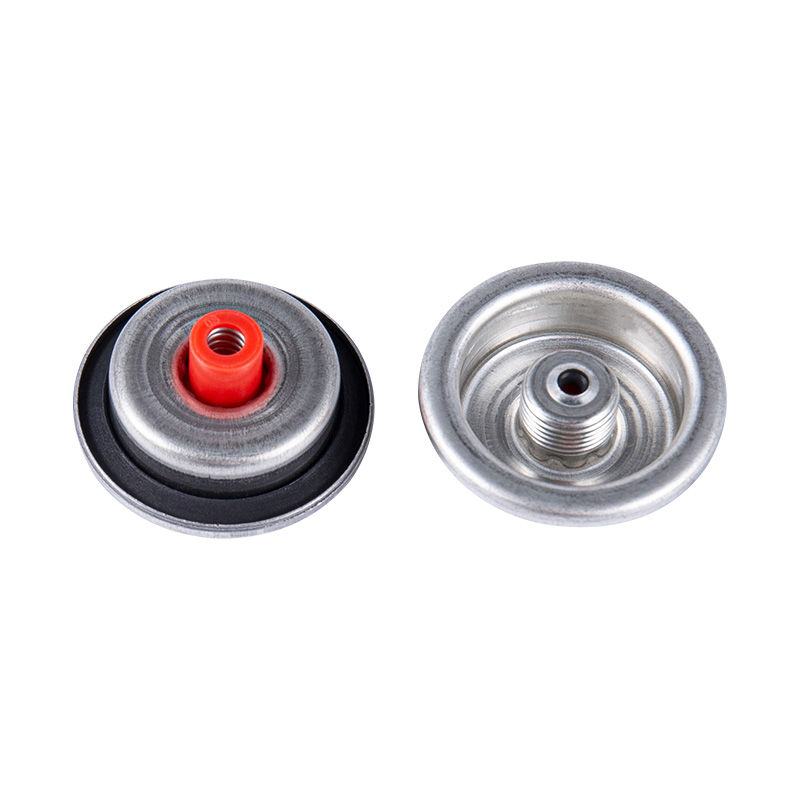
You’ll spot 450g gas canisters on hikes or camping trips—small to pack, but big enough to fuel a few meals. You won't even notice the weight, honestly. It's just enough gas to keep you fed without bogging you down on the trail.
How to Use It the Right Way:
Putting the 450gr Gas Canister in a safe spot matters too—no one wants their campsite dinner turning into an unexpected science experiment. Set it on solid ground and steer clear of anything hot or shaky—your canister isn’t a stunt performer. Good ventilation keeps the flame happy and steady, so your camp cooking runs smoothly instead of turning smoky and dramatic.
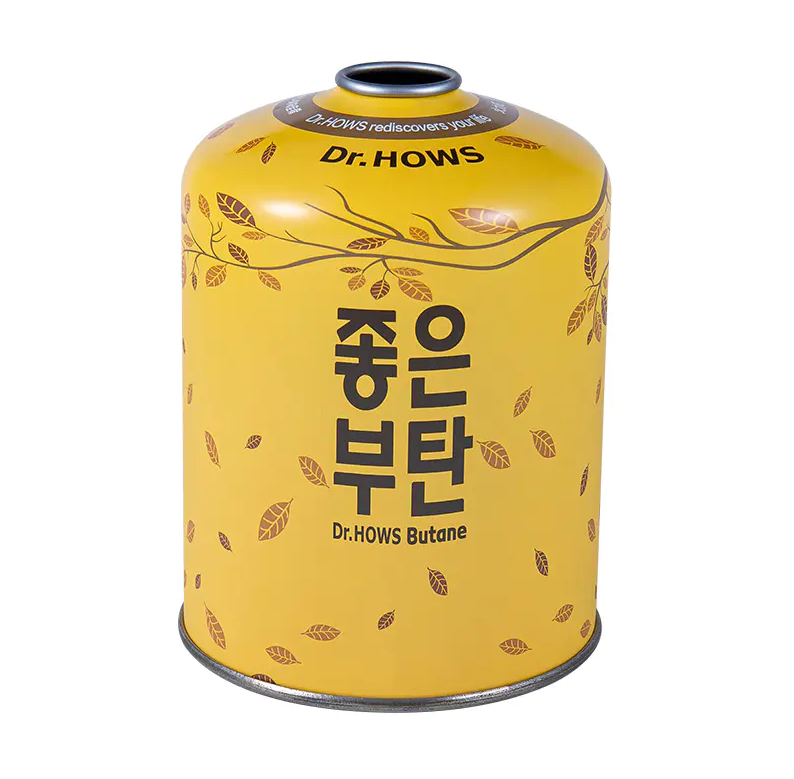
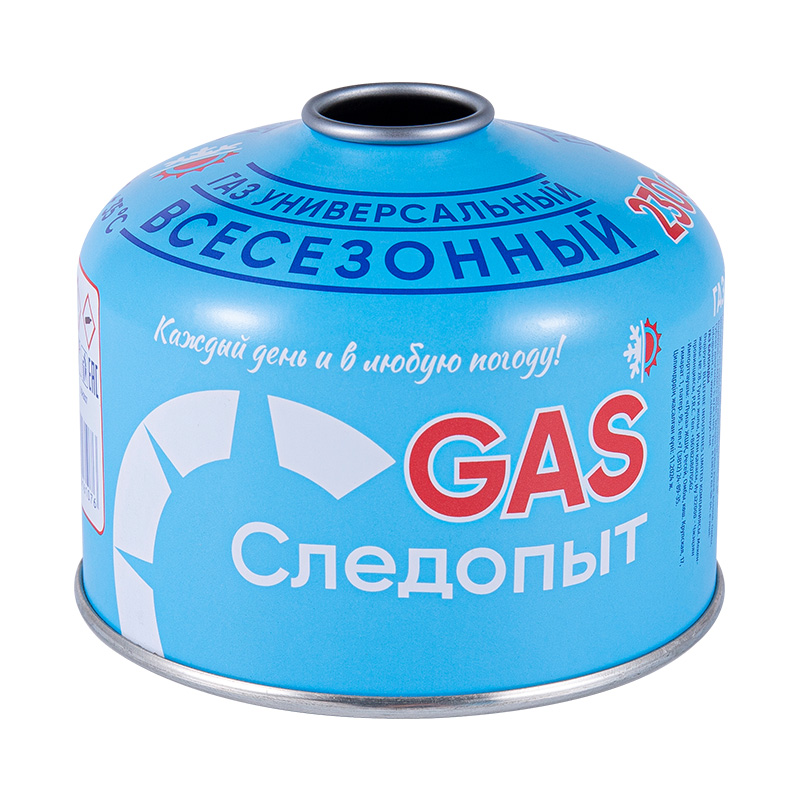
450gr and 230g gas canisters each bring a butane-propane punch to your stove, but they behave pretty differently when it comes to everyday camping adventures. 450g canisters pack about twice the fuel so your flame keeps going and you’re not swapping tanks every five minutes The big guy is perfect for marathon cooking sessions The 230g canister is your lightweight sidekick easy to toss in a backpack for quick solo trips or snack runs.
Weight represents another clear distinction. A full 450gr Gas Canister usually tips the scales around 700–800 grams with the metal casing, while the 230g version is a featherweight at about 350–400 grams. Backpack warriors pick the mini canister, car campers pick the giant—either way, dinner’s served without an arm workout. Connection compatibility also varies slightly; both use standard threading systems on many stoves, but the 450gr size pairs more frequently with larger burner heads designed for group pots.
Crank a medium flame and the 450g gas canister keeps your stew simmering while you chill instead of playing tank swap roulette Fuel burns differently if the wind’s wild or you’re up high but having extra juice means fewer spare canisters to lug around. Buying in bulk? With the 450g canister, you can feast like a champ without turning your pack into a weightlifting contest.
Cooking for a camping crew feels easier with a 450g gas cylinder. The flame keeps on steady so dinner keeps cooking and nobody’s stuck staring at an empty bowl like a sad soup statue. The table below shows some typical performance numbers under average field conditions at sea level, using a standard single-burner stove on medium heat:
| Feature | Big 450g Canister | Mini 230g Canister |
| Fuel packed (g) | 450 | 230 |
| Burn time (hrs) | About 5.5 | About 2.8 |
| Meals for 4 campers | 8–10 | 4–5 |
| Fuel per meal (g) | ~45 | ~46 |
| Perfect for | Marathon cooking sessions | Quick solo trips or light meals |
These figures illustrate how the 450gr Gas Canister extends operational windows during team sessions. For instance, one canister can cover breakfast, lunch, and dinner preparations across two days with careful flame management. Teams report fewer interruptions for canister swaps, which keeps the cooking flow consistent even when weather conditions vary slightly.
In summary, the 450gr Gas Canister fits naturally into camping routines where duration and group coordination matter. Its straightforward differences from the 230g version, clear usage steps, and measurable contributions to team cooking help campers plan supplies more effectively for shared outdoor experiences.


+86-18238070562

+86-579-85791578


No.28, Tongyi Road, Yiting town, Yiwu 322000 - Zhejiang Province, P.R.C.
Copyright © Bluefire Industries Limited All Rights Reserved. Two-Piece Aerosol Can


 English
 عربى
عربى Español