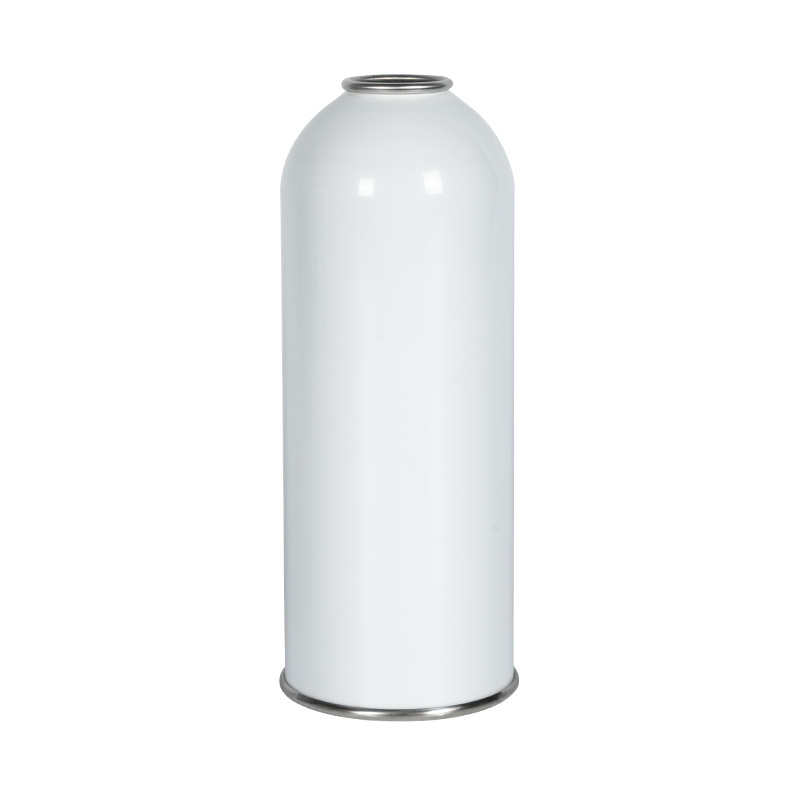
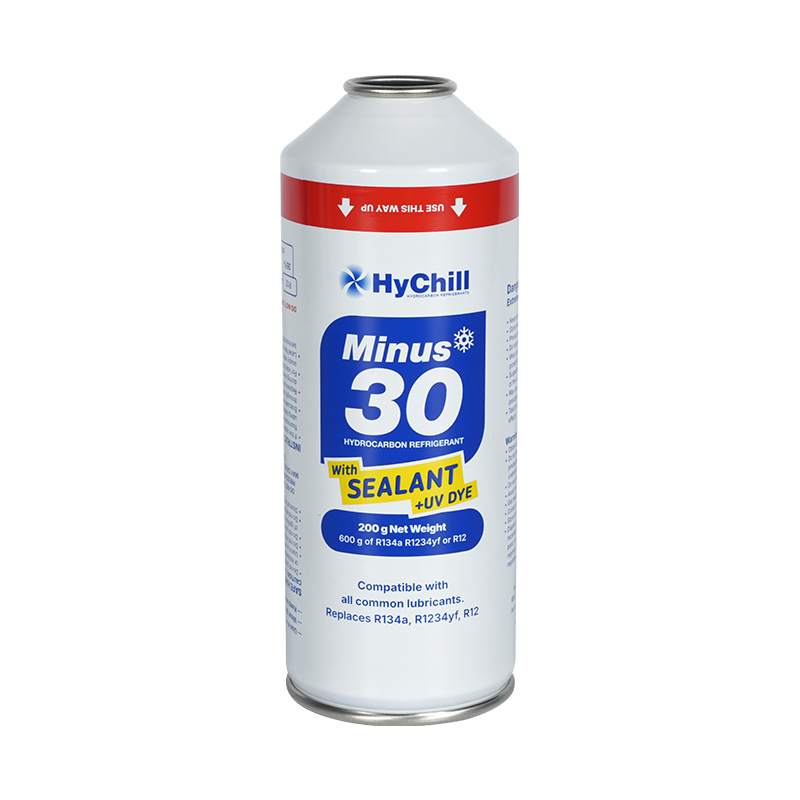
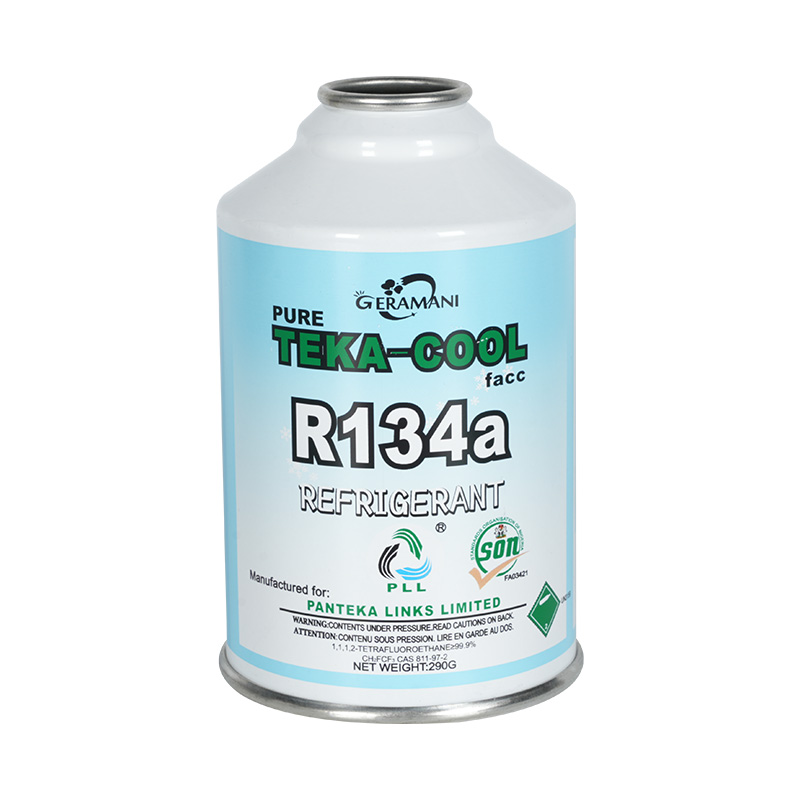
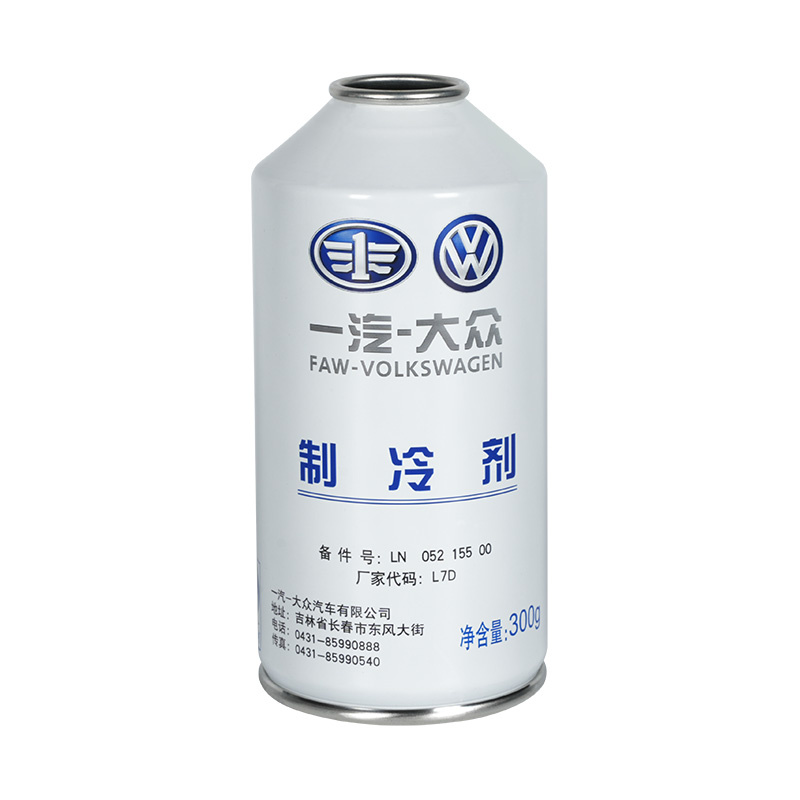
How to Choose a Suitable OEM Factory for a 450gr Gas Canister
Price is usually the first thing buyers look at. It shouldn't be the last. When sourcing a 450gr Gas Canister through OEM manufacturing, a low unit quote often masks real costs elsewhere — failed customs clearance, rejected shipments, or warranty returns that pile up six months after delivery.
Vetting an OEM factory isn't complicated — but it does require asking the right questions, because a polished website and a competitive quote sheet tell you almost nothing about what actually happens on the production floor:
- Certification coverage by destination market: A factory shipping to Europe needs EN417 compliance; US-bound canisters require DOT approval. Some buyers overlook this until customs holds up an entire container. Confirming certifications upfront saves weeks of delay.
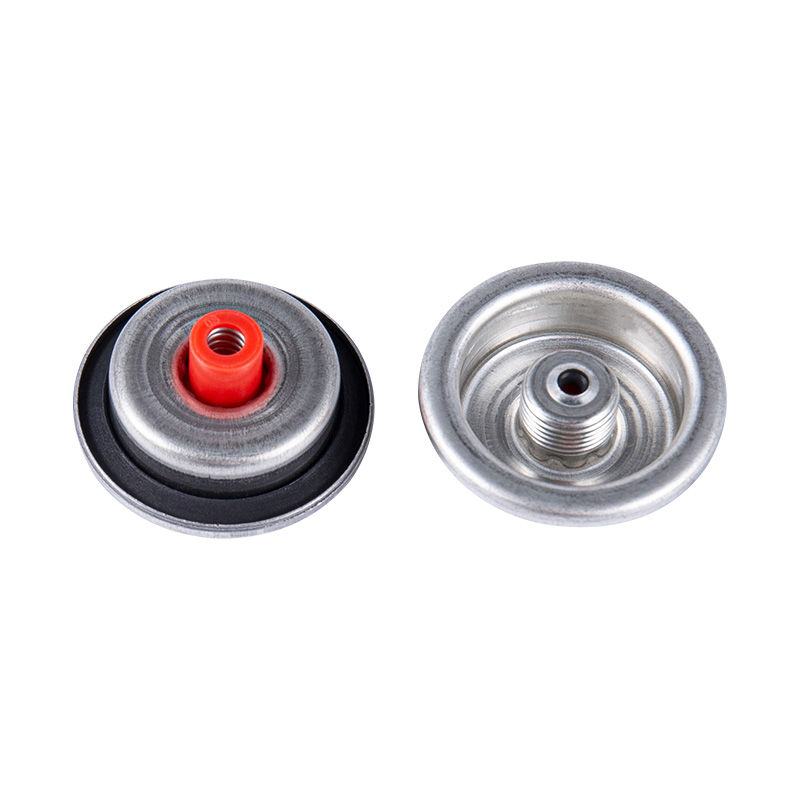
- Valve thread options and compatibility: Not every factory can handle 7/16’-28 (the Lindal valve standard). If your stove lineup uses a specific thread type, the factory's tooling capability matters as much as their price sheet.
- Pressure testing on every batch, not sampled: Inline hydrostatic testing at 2.0× working pressure — rather than spot-checking 1 in 50 units — is what separates a factory with real quality controls from one that relies on luck.
- MOQ flexibility for small brands: Some people launching a private-label gas canister line aren't sitting on unlimited inventory budgets. A factory holding firm at 10,000 units as their floor will lose half their potential buyers before the conversation even starts — the ones that flex down to 3,000–5,000 units are where smaller brands actually end up.
- In-house R&D and tooling adjustment: Seasonal reformulations happen more often than buyers expect — bumping up the propane ratio for cold-weather performance, tweaking the neck spec for a new valve supplier. Factories that run their own tooling workshop can turn those changes around in a few days. Those that don't will tell you four to six weeks, and mean it.
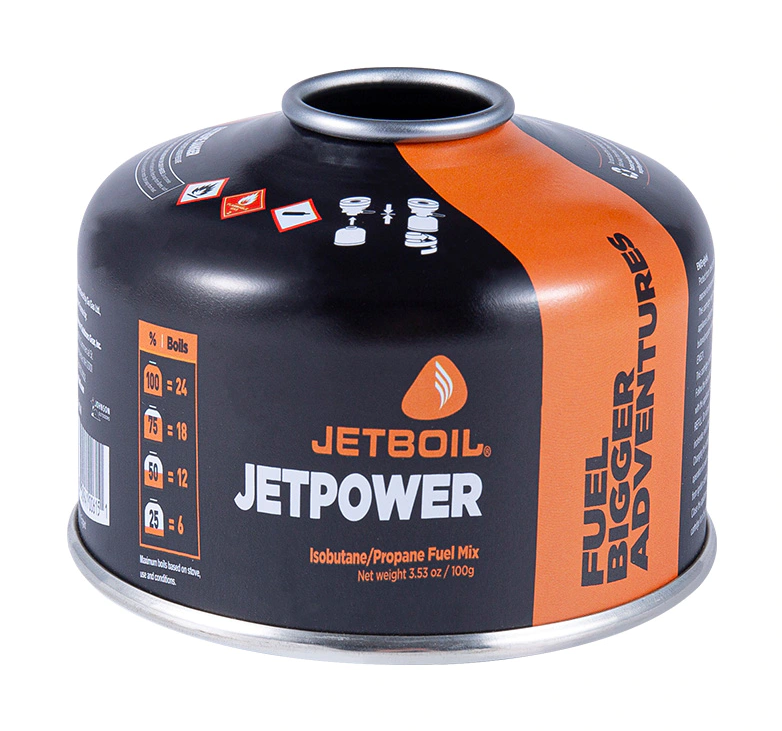
Why Are 450gr Gas Canisters Lasting Longer? It Starts With the Steel
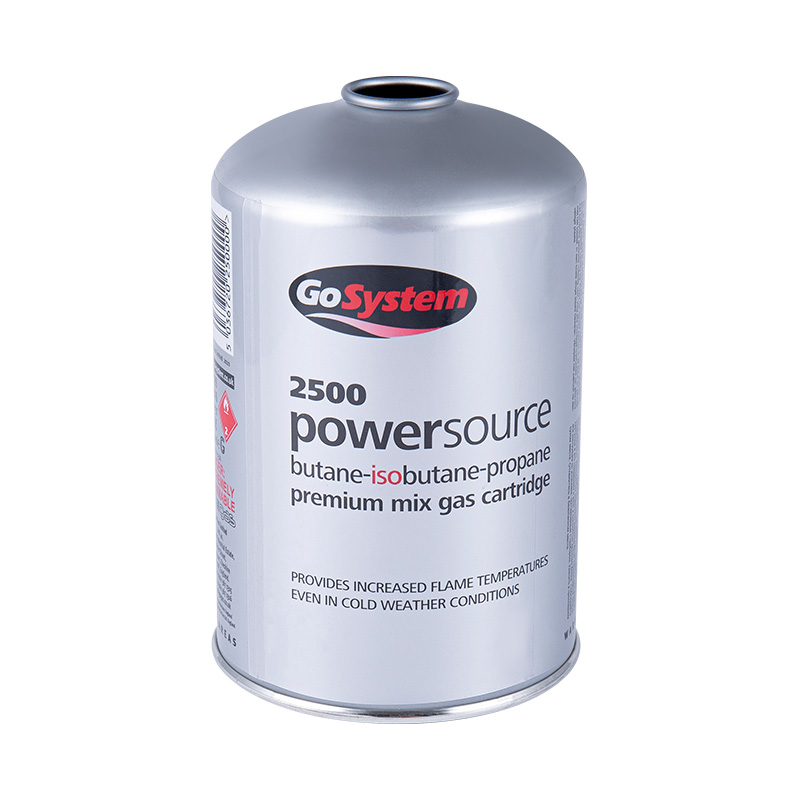
Here's a problem that doesn't get talked about enough: a 450gr Gas Canister that looks fine on the shelf may already have compromised integrity inside. Standard mild steel or conventional tinplate, while cheap to work with, starts corroding surprisingly fast in humid warehouse conditions — or worse, after a rainy camping trip where the canister gets tossed into a wet gear bag for weeks.
Newer steel formulations are changing this calculus. Chromium-enhanced low-carbon steel and aluminum-magnesium alloy variants are now used by a growing number of manufacturers, and the performance difference is measurable rather than theoretical.
- Salt spray durability has jumped substantially: Canisters using upgraded steel alloys now routinely pass 500-hour salt spray tests under ISO 9227 — a figure that was closer to 120–200 hours just a few years ago with standard materials.
- Thinner walls, same burst rating: Higher-tensile steel lets manufacturers drop wall thickness from 0.35mm down to around 0.32mm without sacrificing burst pressure performance above 45 bar. Less material, same structural safety — and a noticeably lighter canister.
- Weight savings that backpackers actually notice: A well-engineered 450gr Gas Canister built from new alloy steel can come in 8–12% lighter than an older-design equivalent. On a multi-day route where every 100 grams counts, that's a real difference.


 English
 عربى
عربى Español