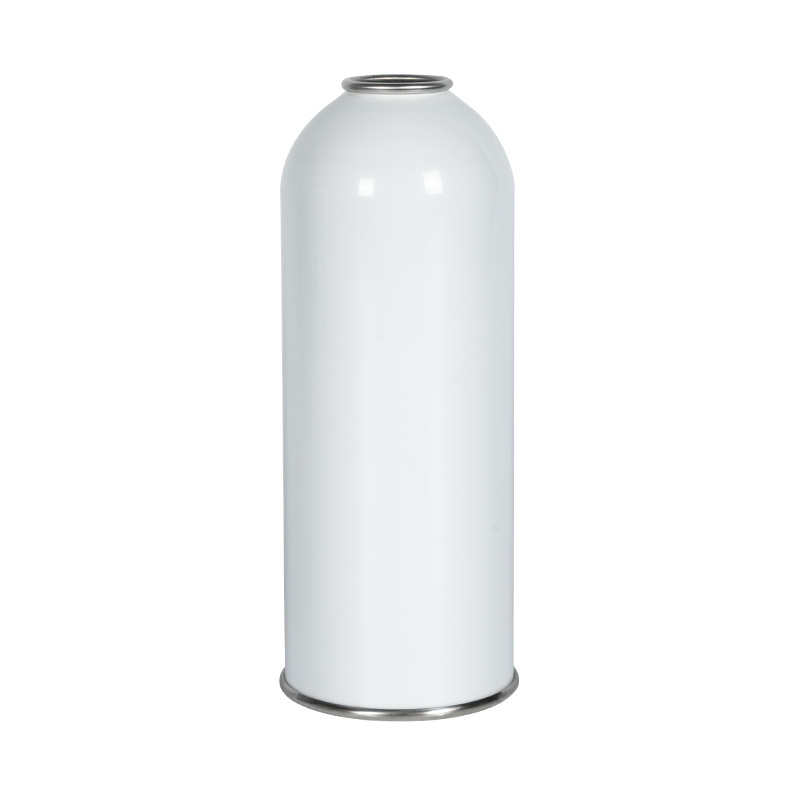
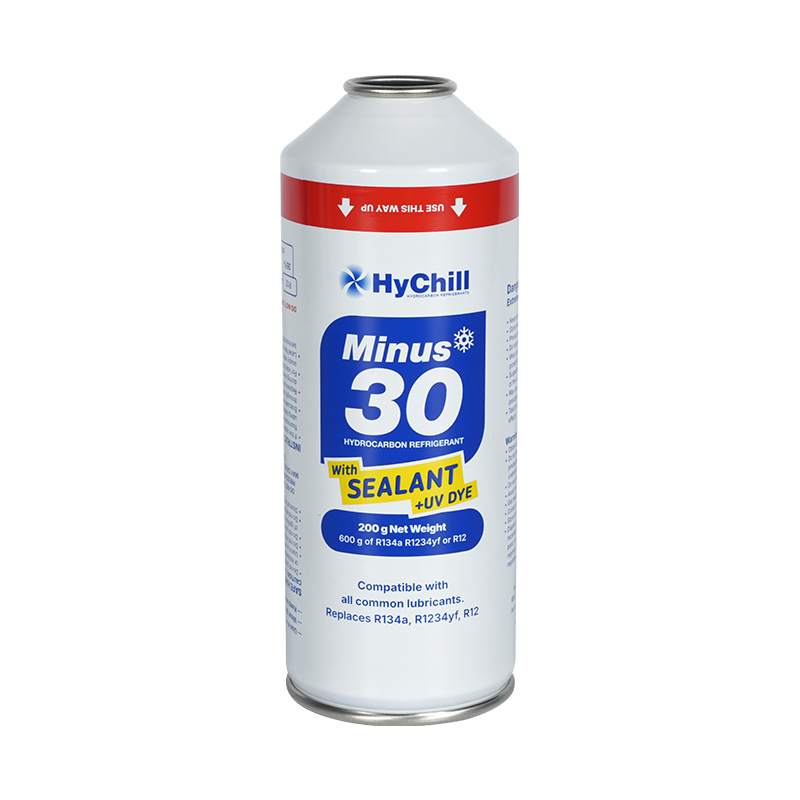
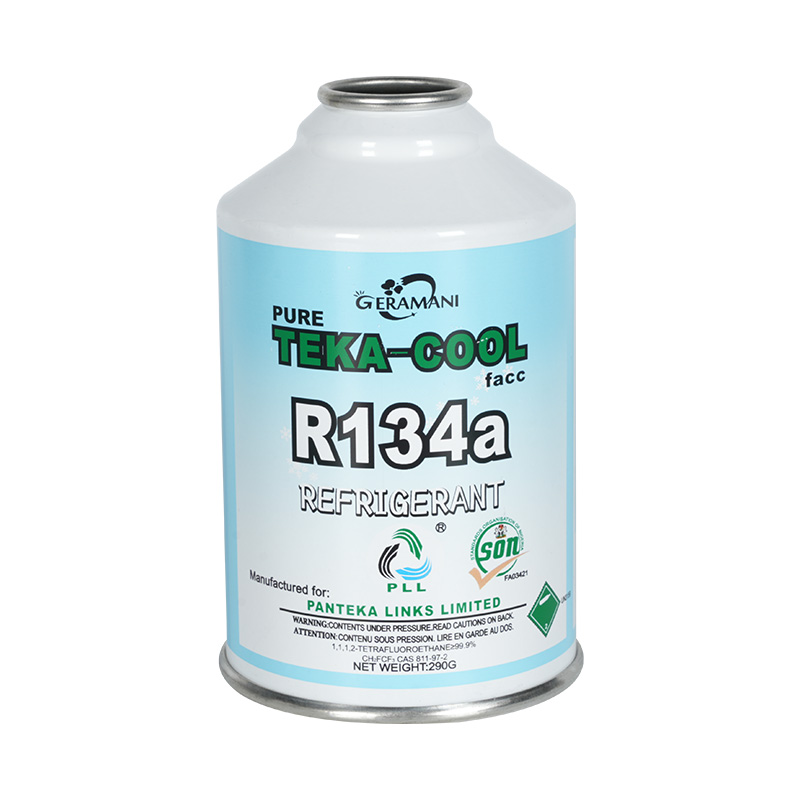
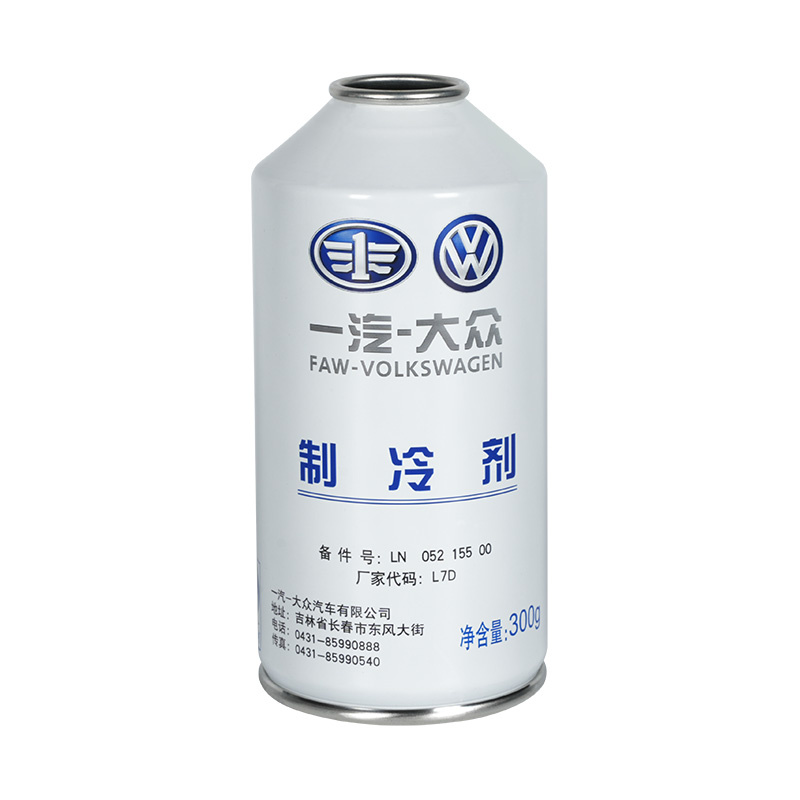
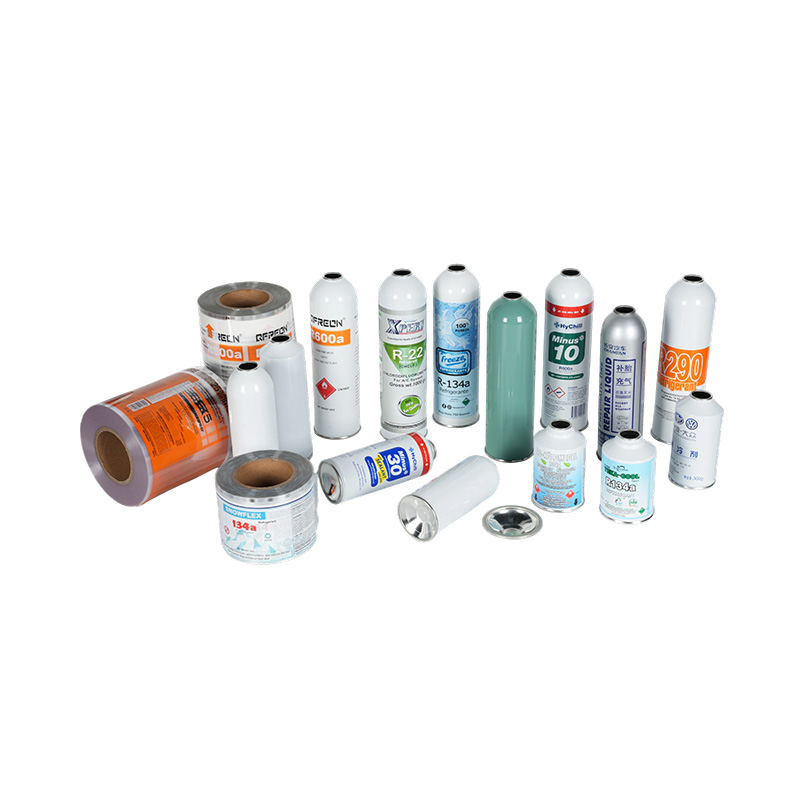
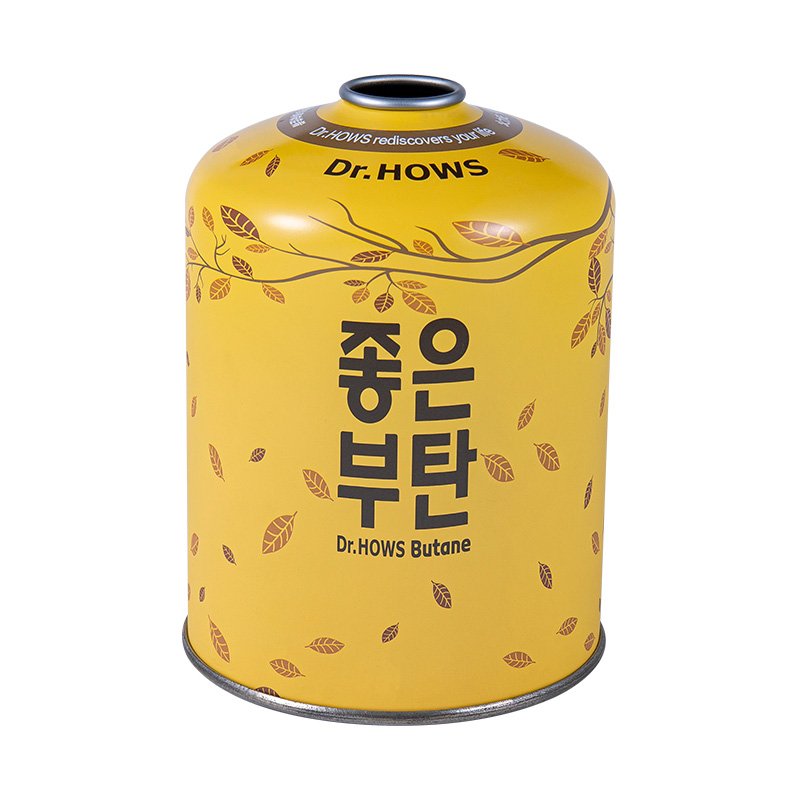
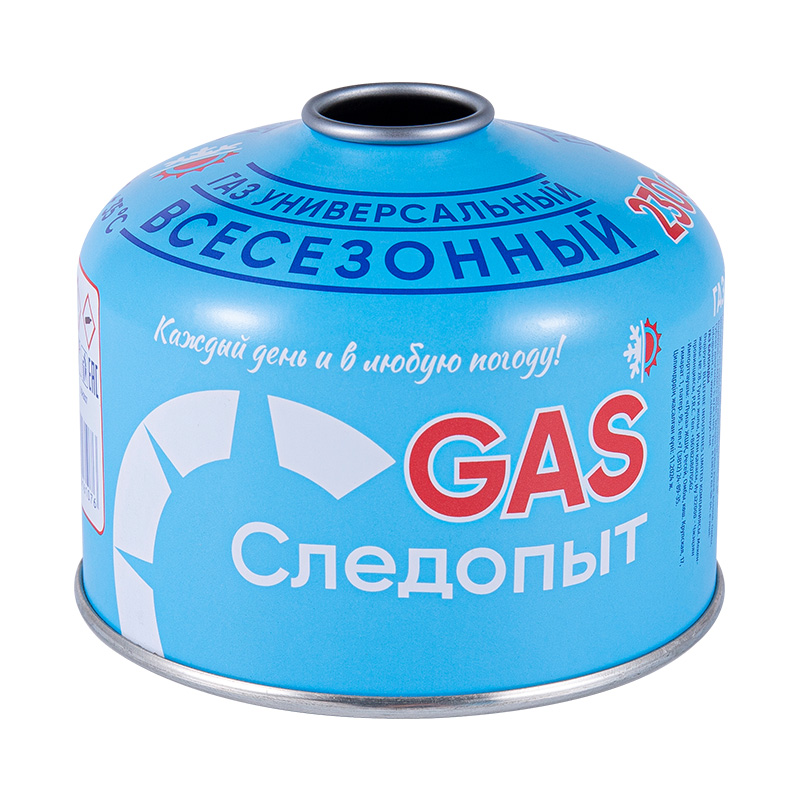
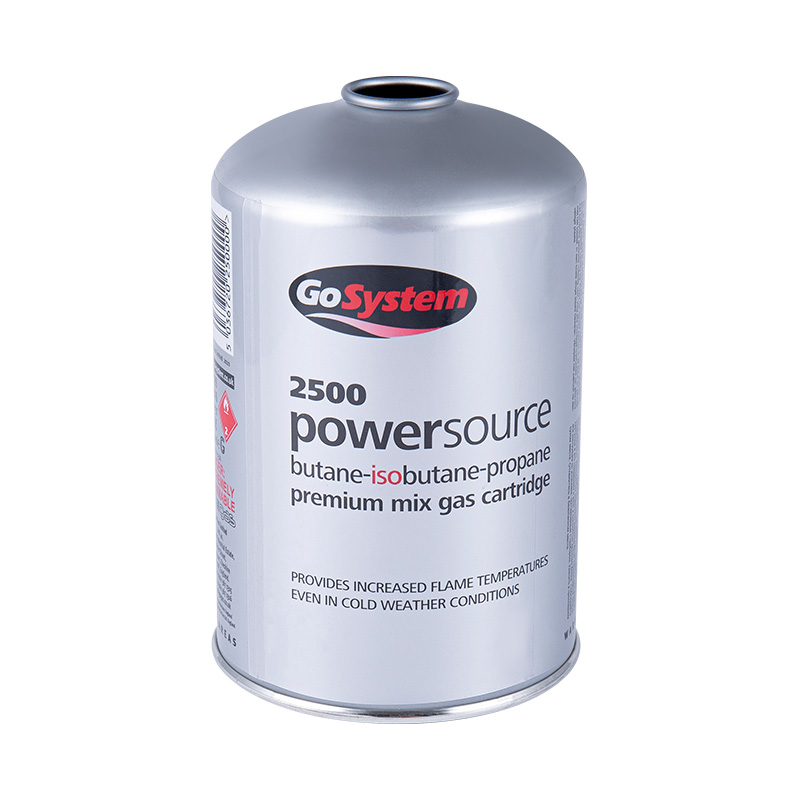
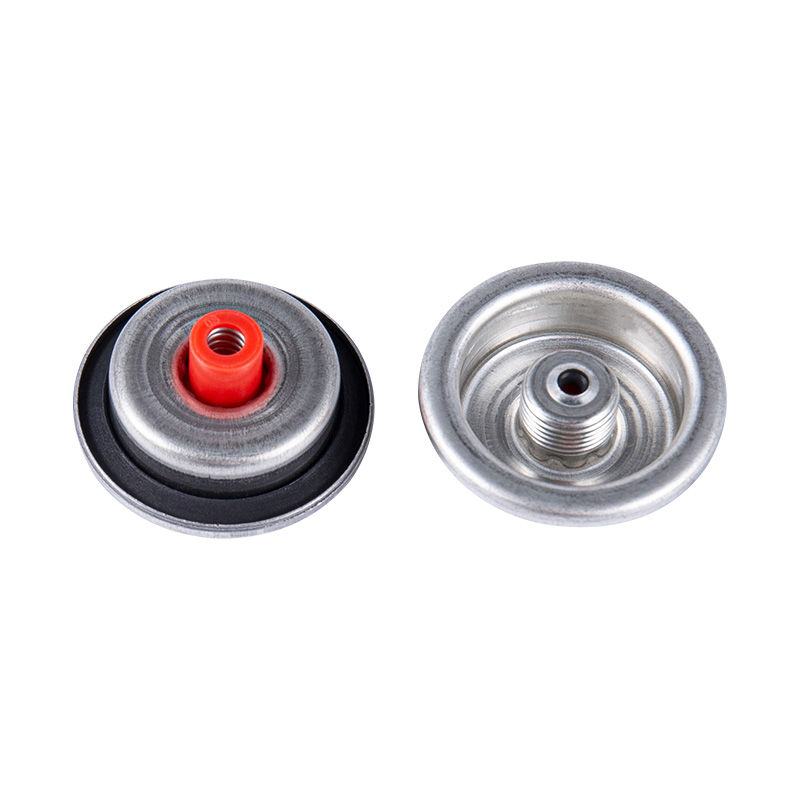
Small fuel containers are essential when heading outdoors, going on long road trips, or keeping a few essentials ready at home for many people. The 100g canisters stand out mainly because they're easy to carry but still last long enough for real use. How you store them actually matters more than many realize—not just for safety, but also to keep the fuel in good condition so it's there when you actually need it, whether that's on a trip or during an emergency.
A consistently cool dry spot works best in practice. Direct sun should be avoided completely because it heats the metal quickly. The same applies to areas close to heat sources or inside vehicles left parked for hours where temperatures swing sharply and build dangerous pressure.
The canisters should be stored upright to ensure internal gas stability. Lying them sideways might appear convenient, but vertical placement helps preserve the structural integrity of the seal and valve area. When placed in a standing position, inspection becomes easier and accidental leaks can be noticed sooner.
While keeping small fuel canisters indoors feels convenient many home spots aren't ideal for flammable pressurized gas. Bedrooms or closets near living areas carry unnecessary risk from accidental heat sources or poor air circulation. A dry garage that gets natural ventilation often provides a safer choice. Detached sheds or outdoor storage buildings work even better when set up right since they keep vapors away from daily living spaces.
The main priority remains limiting contact with open flames ignition sources and preventing any vapor accumulation over time. Outdoor placement succeeds if you protect against weather. Store the canisters inside a sturdy weatherproof box or bin that blocks most rain and keeps moisture low. Raising them off the ground on a shelf pallet or bricks stops direct contact with damp soil which cuts down on rust forming on the metal.
This small addition extends their usable life noticeably when storage stretches across seasons.
To make it practical, here's a short checklist for storing your small fuel containers safely:
| Storage Location | Advantages | Precautions | Recommended For |
|---|---|---|---|
| Garage Cabinet | Cool, sheltered, easy to access | Ensure good ventilation | Frequent users |
| Outdoor Locker | Weather-resistant, separate from living areas | Keep elevated and shaded | Long-term storage |
| Basement Shelf | More stable, consistent temperature | Avoid damp or humid conditions | Seasonal users |
| Camping Box | Portable and enclosed for transport | Check for leaks before trips | Travelers and adventurers |
This simple table helps identify suitable options depending on lifestyle and storage needs.
Not every canister is made to the same quality. Differences in wall thickness, the condition of the inner coating, and the valve parts all have a real impact on how long whatever's inside stays good.
Surface treatment matters too. A decent anti-corrosion layer makes a big difference if you're keeping it in a damp basement or somewhere close to the ocean. At first glance the outside finish might not seem important, but when the color is even and the texture feels uniform all over, it's usually a sign that the factory kept decent control over the whole process.
When several containers are used for hiking or group events, organization helps prevent confusion. Arrange them by content type or by usage priority. A labeling system using waterproof stickers can indicate fill level, purchase date, or intended purpose. These details simplify planning and reduce waste, as older containers can be used first.
Responsible handling extends to considering the environmental side. Many empty canisters qualify for recycling once fully vented and emptied following accepted methods. Never puncture or pierce them yourself without clear professional instructions since residual pressure poses real hazards.
Modern storage solutions for camping often move past simple shelves. People add stackable boxes, magnetic mounts or adjustable clamps to make organization more practical. Many set up modular racks with dedicated compartments for different canisters. The arrangement improves both safety and space use, leaving room for other gear. When items stay in fixed spots it becomes much easier to spot problems—rust spots, bulging sides or anything out of the ordinary.
Certain people build modular racks themselves using plywood dividers or ready-made organizers designed for workshop use. More importantly a clear dedicated system makes it straightforward to spot problems early. When every canister occupies a fixed spot you notice right away if one shows rust bulging dents or any shift in position that suggests pressure issues. Regular visual checks become routine rather than an afterthought which helps maintain reliability over long storage periods.
Common errors can shorten a canister's lifespan. Here are frequent issues to avoid: Keeping canisters near direct heat or sunlight. Storing used containers with full ones. Forgetting to check for moisture buildup. Ignoring odor changes around storage areas. Over-tightening valves, which may harm seals. Learning from these points keeps both the storage environment and canisters reliable.
Rather than treating storage as something to handle only when needed incorporate regular checks into your normal routine. When you organize tools sort camping gear or clean out the garage take a minute to glance over the fuel canisters. A quick visual scan reveals early signs of trouble like surface rust small dents or any swelling that indicates pressure buildup inside. This simple habit catches issues before they turn serious. Consistent attention keeps equipment dependable and ready for use.
From weekend travelers to equipment suppliers, our solutions are specifically designed for those who prioritize safety. By understanding how and where to store small containers, users can fully utilize their versatility. Through careful material selection and manufacturing precision, Bluefire supports various safety, organized, and responsible fuel storage needs in various environments.


+86-18238070562

+86-579-85791578


No.28, Tongyi Road, Yiting town, Yiwu 322000 - Zhejiang Province, P.R.C.
Copyright © Bluefire Industries Limited All Rights Reserved. Two-Piece Aerosol Can


 English
 عربى
عربى Español